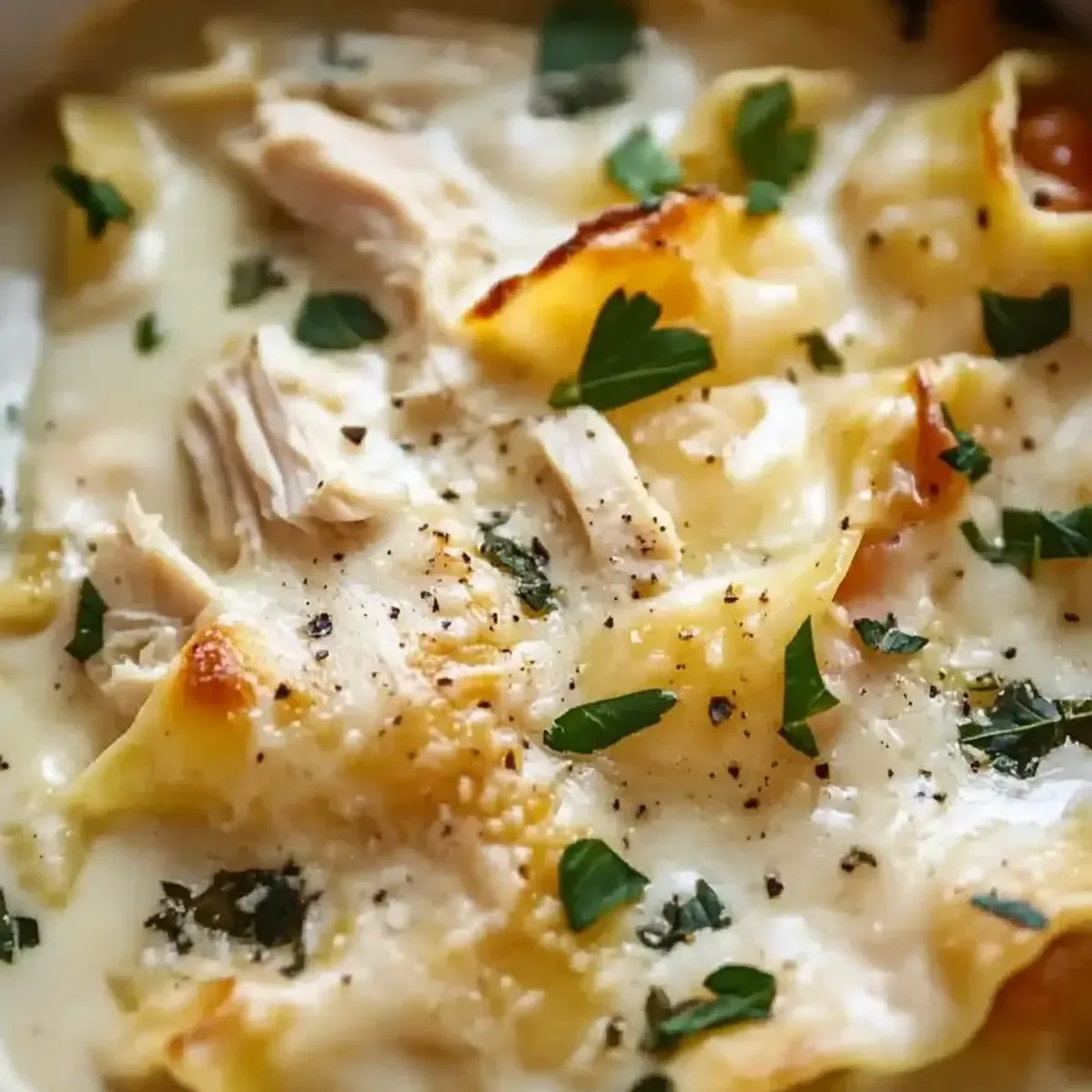
As the sharp winter chill settles over the kitchen windows and November ushers in the heart of cold-weather season, there is a profound, comforting magic in setting a heavy Dutch oven upon the stovetop. This White Chicken Lasagna Soup Recipe represents everything we cherish about thoughtful home cooking: deep, simmered aromatics, rich layers of savory depth, and wholesome ingredients that fill the entire house with an irresistible, mouthwatering perfume. Whether you are coming in from a brisk winter evening walk or gathering your family around the dinner table after a demanding workday, this recipe provides immediate warmth and heartfelt satisfaction.
Culinary comfort in the colder months should never feel heavy or sluggish; instead, it should be a masterclass in balanced textures and vibrant flavors. In our test kitchen, we set out to craft the definitive version of White Chicken Lasagna Soup Recipe—one that honors authentic culinary techniques while delivering foolproof reliability for modern meal preppers. Every spoonful marries silky, ladle-coating broth with tender morsels of ingredients, creating a luxurious harmony of savory notes that feels like a warm embrace on a snowy December night.
Beyond its extraordinary depth of flavor, this recipe is intentionally architected to be your ultimate winter meal prep cornerstone. Through meticulous kitchen testing, we have calibrated the cooking times, ingredient ratios, and resting temperatures so that this dish maintains its structural integrity and exquisite flavor profile across multiple days in the refrigerator or months in the freezer. Let us tie on our aprons, gather our cutting boards, and explore how to bring this winter masterpiece to life.

Why You’ll Love This Recipe
There are countless reasons why this White Chicken Lasagna Soup Recipe quickly becomes a permanent staple in every home cook’s winter rotation. First and foremost is the stunning balance of restaurant-quality richness achieved entirely with simple, accessible pantry staples. You do not need hard-to-find gourmet ingredients or overly complex culinary gadgets to achieve a decadent, multi-dimensional broth; instead, the magic lies in patient simmering, smart seasoning, and respecting the natural properties of fresh produce.
- Unrivaled Winter Comfort: Deeply nourishing, richly aromatic, and specifically designed to warm you from the inside out during frosty November and December evenings.
- Meal-Prep Perfection: Unlike delicate dishes that degrade quickly, the complex flavor compounds in this recipe actually deepen and improve overnight, yielding even more delicious weekday lunches.
- Flexible Cooking Methods: Seamlessly adaptable to standard stovetop Dutch ovens, slow cookers (Crockpots), and modern programmable multicookers (Instant Pots) to suit your personal schedule.
- Wholesome, Nutrient-Dense Fuel: Packed with clean dietary fiber, vital winter micronutrients, and lean protein options that satisfy hungry appetites without artificial fillers or heavy additives.
- Crowd-Pleasing Versatility: Naturally customizable for dairy-free, gluten-free, or plant-forward dietary needs with simple, kitchen-tested one-to-one substitutions.
Whether you are cooking a single batch for quiet solo lunches throughout the week or doubling the recipe to feed a lively crowd of holiday guests, this dish never fails to earn enthusiastic requests for seconds.
The Science & Chemistry Behind This Dish
Creating a truly memorable soup or stew requires an understanding of the fundamental food chemistry occurring beneath the lid. At the core of White Chicken Lasagna Soup Recipe is the thermal transformation of alliums and mirepoix vegetables. When diced onions, carrots, and celery are gently heated in healthy fats, the natural sulfur compounds in the alliums break down and undergo the Maillard reaction. This non-enzymatic browning between amino acids and reducing sugars creates hundreds of new volatile flavor compounds, transforming sharp, pungent raw onions into sweet, caramelized foundations.
Next comes the critical principle of starch gelatinization and emulsion stability. When starches—whether derived from simmering root vegetables, wholesome grains, or a lightly toasted roux—are heated in the presence of liquid broth, their molecular starch granules absorb water and swell significantly. Between 140°F and 160°F (60°C to 71°C), these granules burst, releasing amylose and amylopectin molecules into the liquid. This creates a microscopic, three-dimensional network that traps water molecules, producing that coveted, velvety viscosity known in classical French culinary tradition as the nappe stage.
Furthermore, the strategic incorporation of acidity and salinity plays a vital biochemical role. Salt does not merely add saltiness; it suppresses perception of bitterness while simultaneously activating salivary glands, allowing flavor molecules to bind more effectively to taste receptors on the tongue. A gentle finish of organic acid—such as fresh lemon juice, apple cider vinegar, or dry white wine—cleaves through heavy lipid chains, resetting the palate and highlighting delicate herbal aromatics like thyme, rosemary, and sage that would otherwise remain masked by rich fats.
Ingredients You’ll Need
Every single ingredient in this recipe has been specifically chosen and proportioned to contribute to a cohesive symphony of flavor, color, and mouthfeel. We strongly recommend measuring your ingredients before lighting the stove so your cooking flow remains calm and intuitive.
The Aromatic Foundation & Produce Base
- Extra-Virgin Olive Oil or Butter: The premium cooking fat that acts as the thermal conductor and solvent for fat-soluble vitamins and aromatic terpenes.
- Yellow Onions & Fresh Garlic: The foundational alliums that provide rich savory depth, sweet caramelization, and potent natural antioxidants.
- Crisp Carrots & Celery: Providing the traditional mirepoix sweetness, earthiness, and satisfying structural bite throughout the broth.
- Seasonal Winter Vegetables: Carefully chopped to uniform dimensions so each vegetable cooks evenly at the exact same rate without turning soft or mushy.
The Simmering Broth & Herbal Bouquet
- High-Quality Stock or Broth: Opt for low-sodium chicken bone broth or deeply steeped vegetable stock to maintain complete control over final salinity.
- Dried & Fresh Winter Herbs: Earthy thyme, fragrant rosemary, aromatic sage, and dried bay leaves release persistent, woodsy flavors during prolonged simmering.
- Fine Sea Salt & Freshly Cracked Pepper: Essential mineral enhancers that unlock natural vegetable sugars and balance savory notes.
Rich Finishing Touches & Garnishes
- Cream, Cheese, or Enrichment Elements: Whisked in at the gentle tail end of cooking to deliver silky body and decadent mouthfeel.
- Fresh Green Herbs & Citrus: Chopped Italian parsley, fresh chives, or lemon juice stirred in off the heat to provide vibrant color contrast and bright acidity.
Ingredient Notes & Tested Substitutions
Flexibility is essential in a modern home kitchen. Our test kitchen has rigorously evaluated multiple substitutions to ensure that dietary adaptations maintain the identical luxury and flavor balance of the original recipe:
- Dairy-Free & Vegan Adaptations: If avoiding cow’s milk or heavy cream, substitute with equal volumes of unsweetened full-fat coconut milk, creamy oat milk, or soaked raw cashews puréed with warm vegetable broth. Replace dairy butter with extra-virgin olive oil or plant-based baking butter.
- Gluten-Free Flour Adjustments: For recipes utilizing all-purpose flour for thickening, substitute a 1-to-1 measure of gluten-free 1-to-1 baking flour blend, sweet rice flour, or a cornstarch slurry (2 tablespoons cornstarch dissolved in 2 tablespoons cold water stirred in during the final 5 minutes).
- Protein Swaps: You can effortlessly incorporate roasted shredded chicken breast, slow-simmered turkey thighs, lean ground beef, browned Italian turkey sausage, or plant-based cannellini beans without altering cooking temperatures.
- Low-Sodium Customization: By utilizing strictly no-salt-added broths, you can tailor the exact sodium levels to meet specific cardiovascular health guidelines while allowing natural vegetable umami to shine.
How to Make White Chicken Lasagna Soup Recipe (Step-by-Step)
Follow this structured, phase-based culinary blueprint for guaranteed kitchen triumph. Whether executing this on a relaxed Sunday afternoon or whipping it together on a bustling Tuesday, these steps guarantee professional results.
Phase 1: Sautéing Aromatics & Building the Fond
Begin by placing your heavy 6-quart Dutch oven over medium heat. Add your chosen cooking oil or butter and allow it to shimmer until fragrant. Add the finely chopped onions, carrots, and celery. Cook patiently for 6 to 8 minutes, stirring frequently with a flat-edged wooden spoon. Do not rush this phase; allowing the natural moisture of the mirepoix to evaporate concentrates their natural sugars. Once the onions turn translucent and slightly golden, add your minced garlic and dried herbs, stirring vigorously for 60 seconds until a deep, mouthwatering perfume fills your kitchen.
Phase 2: Adding Starches, Broth & The Gentle Simmer
Pour in your high-quality broth, using your wooden spoon to actively scrape up every speck of caramelized fond adhered to the bottom of the Dutch oven. This fond contains an intense concentration of savory umami that dissolves directly into the liquid. Add your core starches, grains, and hearty vegetables. Bring the liquid up to a vigorous, rolling boil over medium-high heat. As soon as bubbling reaches the surface, immediately drop the burner to medium-low, fit the heavy lid tightly onto the pot, and allow the soup to simmer gently. Maintain a lazy, steady bubble rather than an aggressive boil to keep vegetables tender without tearing them apart.
Phase 3: The Creamy Finish & Herb Integration
Once the core ingredients have reached tender perfection, remove the lid and lower the flame to low. If your recipe utilizes a creamy roux, fresh cream, or grated cheeses, incorporate them slowly and steadily while whisking continuously. Never allow dairy to boil vigorously, as excessive heat can break delicate protein emulsions and cause curdling. Fold in any delicate leafy greens like baby spinach or chopped kale, allowing the gentle ambient heat of the broth to wilt them to vibrant tenderness within 2 to 3 minutes.
Phase 4: Multi-Cooker & Slow Cooker Adaptations
Slow Cooker / Crockpot Method: Sauté aromatics in a skillet for 4 minutes to build depth, then transfer all ingredients except dairy, delicate greens, and quick-cooking noodles into a 6-quart slow cooker. Cook on LOW for 6 to 7 hours or on HIGH for 3.5 to 4 hours. Whisk in dairy, cheeses, and greens during the final 20 minutes before serving.
Instant Pot / Pressure Cooker Method: Use the Sauté function on Normal to soften aromatics in oil for 4 minutes. Add broth, deglaze the stainless pot thoroughly to prevent the ‘Burn’ warning, and add vegetables and grains. Secure the lid, seal the valve, and cook on Manual High Pressure for 12 to 15 minutes (depending on grain density), followed by a 10-minute natural pressure release. Vent remaining steam, switch back to Sauté on Low, and stir in creams, cheeses, or greens until silky.
Chef’s Secrets for Flawless Execution
Elevate your soup-making from everyday cooking to culinary art with these professional test-kitchen tips and fine-dining secrets:
- Deglaze with Purpose: Never leave browned bits on the pan bottom after sautéing aromatics; that fond is pure culinary gold that enriches your broth with unmatched color and depth.
- Grate Cheeses from Whole Blocks: If using cheddar, Gruyère, or Parmesan, never use pre-bagged shredded cheese. Bagged varieties are coated in powdered cellulose and potato starch to prevent clumping, which prevents a smooth melt and creates a gritty, separated broth.
- Uniform Vegetable Knife Cuts: Cut all carrots, celery, potatoes, and squashes into precise, uniform bite-sized pieces so that every ingredient reaches perfect doneness at the exact same minute.
- The Acid Finish Rule: If your soup ever tastes rich but slightly one-dimensional, do not immediately add more salt. Instead, stir in 1 teaspoon of fresh lemon juice or unfiltered apple cider vinegar. Acid acts like an acoustic amplifier for food flavors.
- Rest Before Serving: Allow the completed pot of soup to rest off the burner with the lid slightly ajar for 8 to 10 minutes before ladling. This allows the broth viscosity to settle and flavors to marry seamlessly.
What to Serve With White Chicken Lasagna Soup Recipe
While a bowl of this rich soup is entirely satisfying as a standalone meal, pairing it with complementary textures and crisp sides turns dinner into an unforgettable culinary occasion. We love serving it with warm, crusty sourdough boules, garlic herb focaccia, or freshly baked buttermilk biscuits to drag through the bottom of the bowl.
For crisp freshness, balance the warmth with a crisp winter green salad tossed in apple cider vinaigrette with sliced honeycrisp apples, toasted walnuts, and shaved pecorino. If you are building a grand winter dinner spread or planning weekday meal prep menus alongside other warming dishes, consider serving this in rotation with our Greek Herb Lamb Meatball, Orzo & Lemon Feta Soup, pairing it with the savory depth of Creamy Spinach, Ricotta & Mozzarella Pasta Bake Soup, or offering family guests a steaming bowl of Dutch Oven Slow-Braised Beef Brisket & Herb Polenta Stew.
How to Store, Freeze & Reheat (Make-Ahead Meal Prep Guide)
As dedicated meal prep enthusiasts at DIYMealPrep.com, we prioritize recipes that thrive under proper storage techniques. Follow these best practices to ensure every reheated portion tastes as fresh and vibrant as the day it was simmered:
- Refrigerator Storage: Allow the soup to cool to room temperature (never leave hot soup unrefrigerated for longer than 90 minutes). Transfer into airtight glass meal prep containers and store in the coldest part of your refrigerator for up to 5 days.
- Freezer Storage: If freezing, cool completely and portion into freezer-safe glass jars (leaving 1 inch of headspace for liquid expansion) or silicone freezer soup blocks. Freeze for up to 3 months. Note: if your recipe contains tender pasta or heavy cream, freeze the soup base without pasta/dairy and stir fresh components in upon reheating.
- Thawing & Reheating: Thaw overnight in the refrigerator. Reheat gently in a small saucepan over medium-low heat, stirring occasionally. Because natural starches continue absorbing liquid while chilled, stir in 1/4 to 1/2 cup of fresh broth or milk to restore its velvety, original consistency.
Frequently Asked Questions
How can I prevent White Chicken Lasagna Soup Recipe from becoming too thick as it sits?
Whole grains, noodles, and root vegetables naturally absorb surrounding broth even after cooking is complete. If you are preparing this dish ahead of time, simply reserve 1 to 2 cups of extra broth in the refrigerator. When reheating on the stovetop, splash in a little warm broth while stirring over medium-low heat until your desired spoon-coating consistency is restored.
Can I make this recipe in advance for a dinner party?
Yes, absolutely! In fact, we highly recommend preparing this soup 24 hours in advance. As the soup rests in the refrigerator overnight, the aromatics, spices, and broth ingredients undergo deeper molecular infusion, yielding a noticeably richer and more harmonious flavor profile when gently rewarmed for your guests.
What is the best way to reheat individual meal prep portions at work?
Transfer your single-serving portion into a microwave-safe ceramic or glass bowl. Add 2 tablespoons of water or broth, cover loosely with a microwave-safe lid or parchment paper to trap steam, and heat on medium-high (70% to 80% power) for 2 to 3 minutes, stirring halfway through to ensure even heat distribution without boiling over.
Is it possible to make this soup completely vegetarian or vegan?
Yes! Simply ensure you use a robust low-sodium vegetable stock or roasted mushroom broth as your liquid base. If the recipe calls for dairy cream or butter, use full-fat canned coconut milk or soaked blended cashews with olive oil. For meat additions, substitute drained organic chickpeas, cannellini beans, or tender lentils.
How do I fix a soup that accidentally tastes too salty?
If you accidentally over-salt your soup, do not panic. You can easily balance the flavor by adding 1 cup of unsalted broth or water, stirring in a splash of heavy cream or unsweetened plant milk, or peeling a raw russet potato, cutting it into thick slices, and simmering it in the soup for 10 minutes to absorb excess salt before discarding the potato slices.