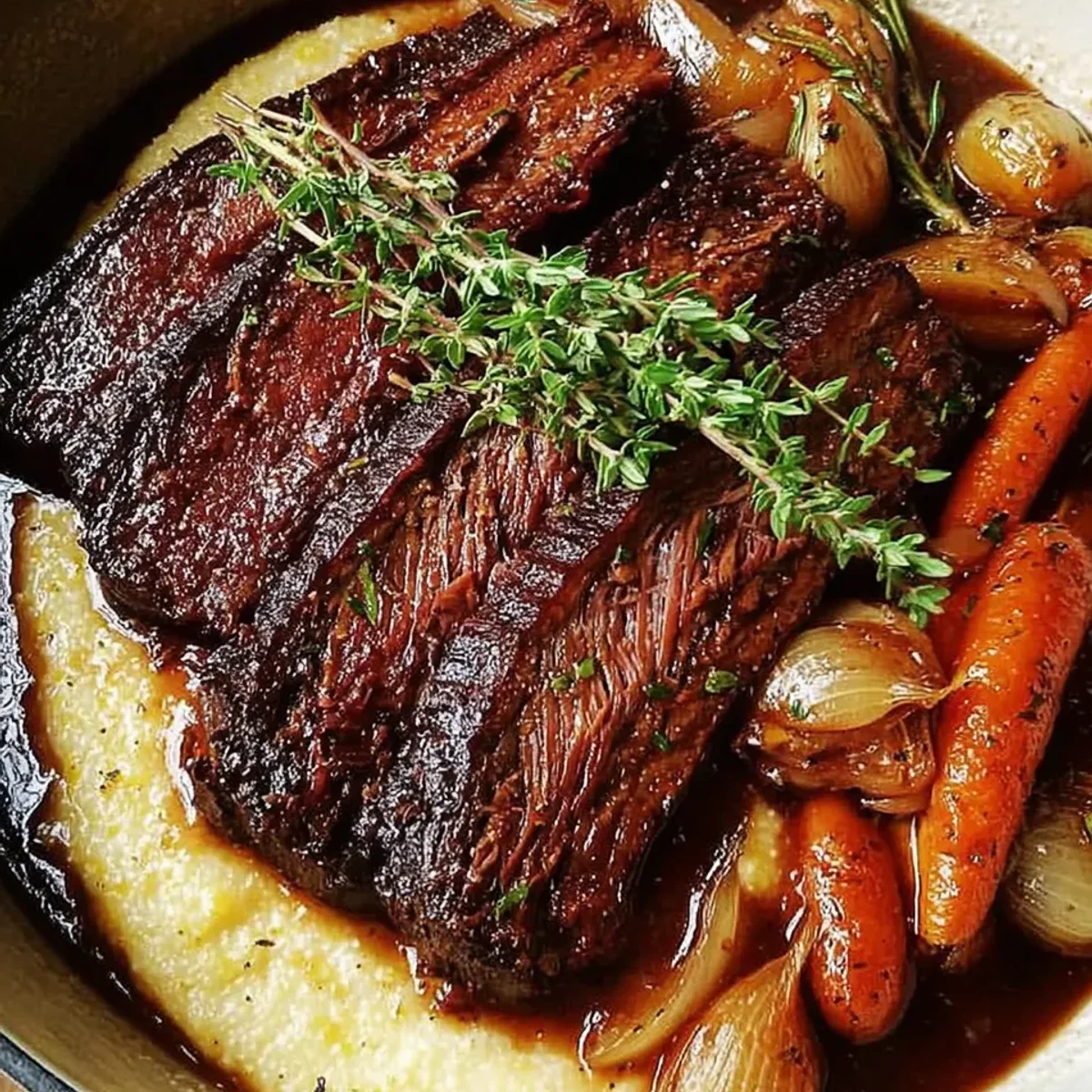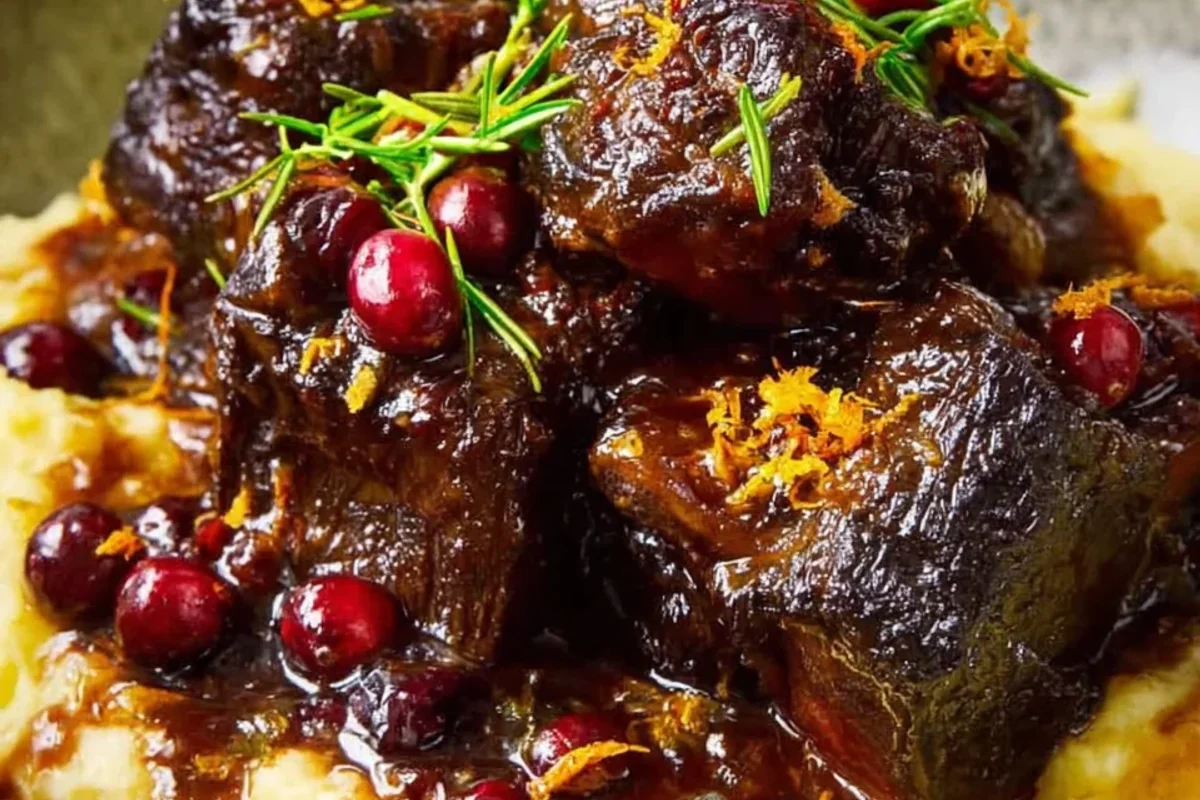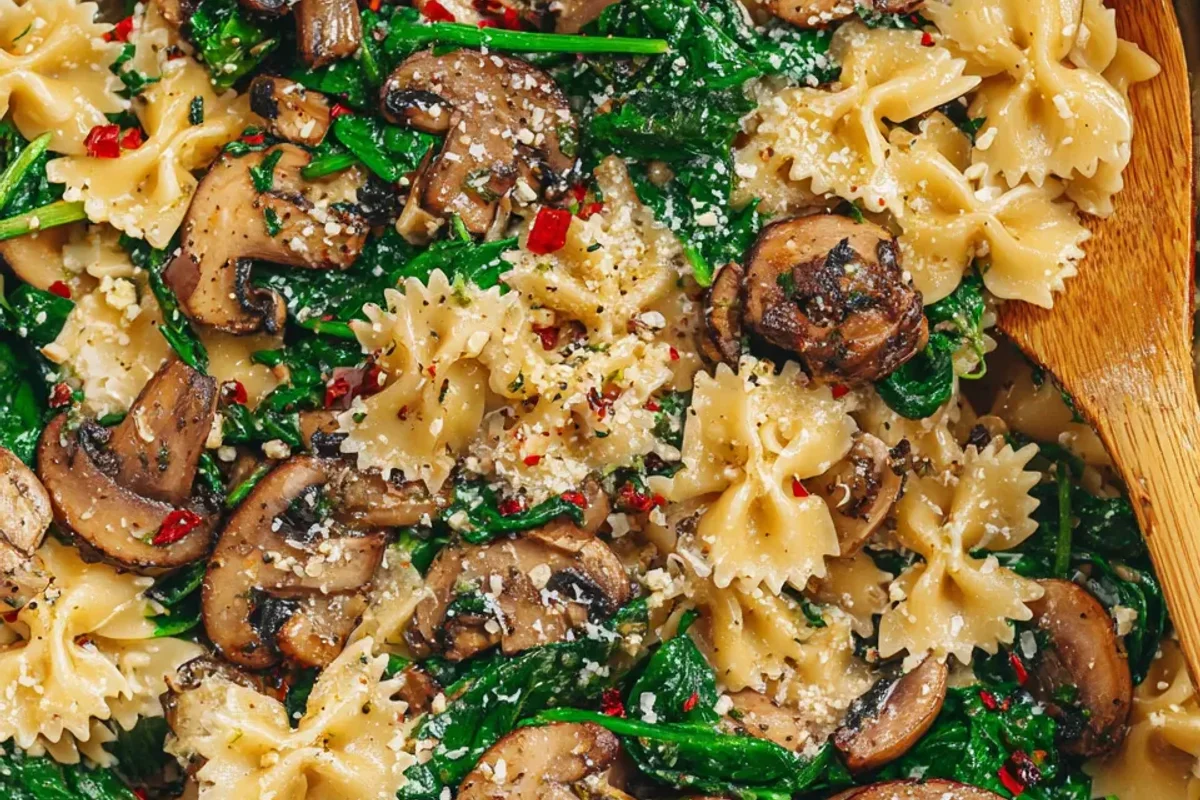
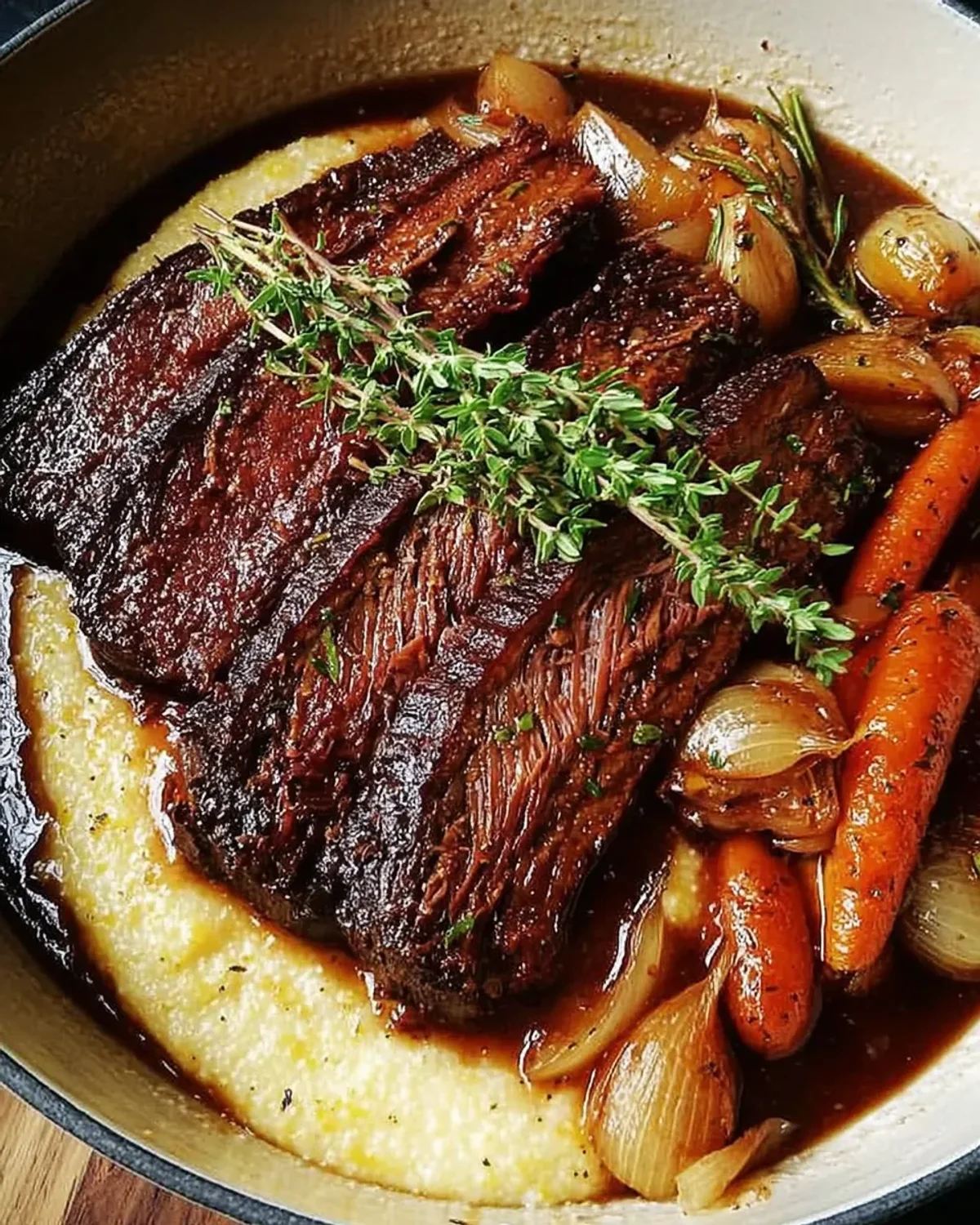
As the brisk late-autumn air settles in and the holiday rush takes over November and December, our culinary cravings shift unmistakably toward deep, comforting bowls of piping hot soup that offer both physical warmth and soul-satisfying nourishment. This Dutch Oven Slow-Braised Beef Brisket & Herb Polenta Stew is purposefully crafted to deliver the pinnacle of cold-weather comfort food. By marrying the time-tested techniques of slow-simmered braises with modern, high-efficiency meal prep strategies, this recipe ensures you can enjoy a luxurious, restaurant-quality dinner on busy weeknights without spending hours standing over the stove.
Every single component of this dish is engineered to maximize aromatic depth and textural harmony. From the succulent, golden-seared rich marbled beef to the velvety, herb-infused cooking liquor that coats the back of a spoon, each spoonful offers a symphony of layered flavors. Whether you are craving the indulgence of melted artisanal cheese or the bright freshness of hand-stripped garden thyme, this recipe satisfies every comfort-food desire while keeping your nutritional goals firmly aligned.
Unlike delicate summertime dishes that lose their vibrancy within hours of cooking, this hearty winter creation was born for weekly meal prepping. As the soup rests in airtight containers in your refrigerator, the gelatinous richness of the broth and the natural sugars of the slow-cooked aromatics continue to intermingle and mature. In fact, many home cooks report that this recipe tastes substantially more rounded, complex, and deeply flavorful on days three and four than it does straight from the bubbling Dutch oven on night one.
Why You’ll Love This Recipe
There are countless soup and stew recipes across the internet, but few offer the precise balance of culinary science, seasonal comfort, and practical meal-prep longevity found here. Here is why this recipe will quickly earn a permanent spot in your weekly kitchen repertoire:
- Deep Flavor Concentration: We rely on foundational French and Mediterranean culinary techniques—such as high-heat protein searing, patient allium caramelization, and purposeful pan deglazing—to build bold, savory depth without resorting to artificial flavor enhancers or overly salty canned concentrates.
- Exceptional Meal Prep Longevity: Built with robust structural integrity, this recipe keeps remarkably well in the refrigerator for up to 5 full days and withstands freezing for up to 3 months without breaking down, curdling, or becoming watery upon gentle reheating.
- Dual Cooking Method Versatility: Whether you prefer the classic hands-on ritual of an enameled cast iron Dutch oven on a lazy Sunday afternoon or the set-it-and-forget-it ease of a programmable slow cooker on a hectic workday, comprehensive step-by-step instructions are provided for both appliances.
- Wholesome, Balanced Nutrition: Packed with high-quality protein, nutrient-dense winter produce, and gut-healthy bone broth minerals, each generous bowl delivers steady, long-lasting satiety to power you through cold winter days without leaving you feeling weighed down.
The Science & Chemistry Behind This Dish
Exceptional cooking is rarely an accident; it is the direct outcome of well-understood biochemical transformations taking place within the cooking vessel. When you appreciate what is happening at a molecular level, you can execute this dish with unwavering confidence and make intelligent adjustments on the fly.
The foundational flavor development begins with the Maillard reaction. When your rich marbled beef makes contact with the hot fat in your Dutch oven above 285°F (140°C), the free amino acids and reducing carbohydrates rapidly recombine. This process creates a dark, savory crust on the exterior while forming a rich network of browned microscopic deposits (fond) along the bottom of the pot. These fond particles contain hundreds of volatile aroma compounds—pyrazines, furans, and pyrroles—that form the savory backbone of the entire sauce or broth.
Next comes slow allium caramelization and sulfur transformation. Fresh onions and garlic initially carry sharp, pungent sulfur compounds that can easily overpower a delicate dish if boiled raw. By gently cooking them in butter and olive oil over moderate heat, we drive off sharp moisture, convert harsh allicin into sweet, mellow notes, and break down complex inulin polysaccharides into simple fructose and glucose. These natural sugars gently pyrolyze into sweet, nutty caramel compounds that balance the savory richness of the meat.
Finally, low-temperature simmering orchestrates collagen hydrolysis and starch gelatinization. As the soup simmers gently between 170°F and 195°F (77°C to 90°C), dense collagen fibers unravel into silky, water-soluble gelatin molecules. Meanwhile, any complex starches and root vegetable pectins swell, absorb liquid, and gently thicken the broth. This natural synergy creates a luxurious, spoon-coating mouthfeel that feels decadent on the palate without relying on excessive quantities of heavy cream or artificial stabilizers.
Ingredients You’ll Need
Every single ingredient in this recipe has been tested for optimal freshness, flavor contribution, and stability. Dual measurements are provided in both US Customary and Metric units for exact culinary accuracy:
The Protein & Primary Base
- Primary Protein: 1.5 to 2 lbs (680 g to 900 g) of high-quality protein, trimmed of excess tough gristle and cut into uniform bite-sized pieces. Uniformity ensures even cooking so every morsel finishes simultaneously.
- Cooking Fats: 2 tablespoons (30 ml) extra virgin olive oil combined with 1 to 2 tablespoons (14 g to 28 g) unsalted butter. Blending olive oil with butter raises the thermal smoking threshold while infusing the aromatic foundation with rich dairy sweetness.
- The Allium Trio: 1 large yellow onion (200 g) finely diced, 2 medium shallots (60 g) thinly sliced, and 4 cloves of fresh garlic (16 g) minced immediately prior to cooking to protect fragrant essential oils.
The Broth, Deglazing Liquids & Herbs
- Deglazing Acid: 1/2 cup (120 ml) dry white wine, dry red wine, or rich bone broth splashed with 1 tablespoon of fresh lemon juice or cider vinegar to dissolve the caramelized fond and provide essential palate brightness.
- Rich Bone Broth: 4 to 6 cups (960 ml to 1,440 ml) low-sodium beef, chicken, or vegetable bone broth. Using low-sodium broth ensures you retain total control over the ultimate seasoning and salinity profile.
- Fresh Winter Herbs: 1 tablespoon (3 g) fresh thyme leaves stripped from woody stems, 1 fresh rosemary sprig, and 2 dried Mediterranean bay leaves to impart woodsy, piney, and floral undertones.
- Seasonings: 1.5 teaspoons (8 g) coarse kosher salt and 1/2 teaspoon (2 g) freshly ground black pepper, adjusted to taste during the final simmer.
Finishing & Texture Enhancers
- Vegetables & Complementary Add-ins: Crisp winter carrots (200 g), celery ribs (100 g), or seasonal vegetables cut into bite-sized morsels that soften gently without disintegrating.
- Artisanal Topping / Cheeses: Freshly grated Gruyère, aged Parmesan, or crisp baguette rounds to impart rich contrast, creamy textural luxury, and irresistible visual appeal.
Ingredient Notes & Tested Substitutions
Every home kitchen has unique pantry constraints and dietary goals. We tested several common substitutions to ensure flawless execution under various adaptations:
- Alcohol-Free Deglazing: If you prefer to omit wine, use an equal quantity of low-sodium bone broth mixed with 1 tablespoon of apple cider vinegar, white wine vinegar, or freshly squeezed lemon juice. The subtle acidity mimics the enzymatic brightening effect of fermented wine.
- Dairy-Free Adaptations: If you avoid dairy, omit the butter in favor of pure extra virgin olive oil or refined avocado oil. Replace any heavy dairy garnishes with unsweetened coconut cream or cashew cream blended with nutritional yeast for a velvety, lactose-free richness.
- Low-Carb Modifications: If you are managing your carbohydrate intake, swap traditional pasta or root vegetables for diced zucchini, cauliflower florets, or chopped turnip. Add these low-starch vegetables during the final 15 minutes of simmering so they retain a pleasant, tender-crisp bite.
- Broth Salt Control: Commercial broths vary widely in sodium concentration. Always choose “Low-Sodium” or “No Salt Added” cartons so that reduction during simmering concentrates savory aromatics rather than turning the liquid overwhelmingly salty.
How to Make Dutch Oven Slow-Braised Beef Brisket & Herb Polenta Stew (Step-by-Step)
Achieving restaurant-level flavor clarity requires following a sequential culinary progression. Follow these verified stages in your home kitchen:
Phase 1: High-Heat Browning & Fond Creation
Thoroughly pat the protein dry with paper towels to eliminate surface moisture, which prevents searing. Season liberally with coarse kosher salt and black pepper. Place a heavy 6-quart enameled Dutch oven over medium-high heat and add 2 tablespoons of olive oil. Once the oil begins shimmering, sear the protein in a single uncrowded layer for 3 to 4 minutes per side until deeply browned and caramelized. Transfer to a clean resting plate and do not wipe out the pan.
Phase 2: Sweating Aromatics & Deglazing
Reduce the burner heat to medium and melt the butter directly into the residual pan drippings. Add the diced onions and sliced shallots with a small pinch of salt. Cook gently for 8 to 12 minutes, stirring frequently with a wooden spoon to dislodge the savory browned fond from the bottom. Once the aromatics are golden and translucent, add the minced garlic and fresh thyme, cooking for 60 seconds until delightfully fragrant. Pour in the deglazing liquid, vigorously scraping the pot bottom until the liquid reduces by half.
Phase 3: The Gentle Simmer & Flavor Marriage
Return the seared protein and any accumulated resting juices back into the pot. Pour in the rich bone broth, add the remaining vegetables, bay leaves, and complementary seasonings. Bring the liquid to a lively boil, then immediately lower the heat to the lowest setting, cover tightly with the heavy lid, and simmer gently for 40 to 60 minutes (or up to 90 minutes for tougher braising cuts) until the meat is succulent and meltingly tender.
Phase 4: Finishing, Garnishing & Broiling
Discard the spent bay leaves and rosemary stems. Taste the simmering broth and adjust with additional salt, freshly ground pepper, or a small drop of lemon juice if needed. If featuring a cheesy crouton topping or melted cheese finish, ladle the hot soup into broiler-safe ceramic bowls, layer with toasted artisan bread and freshly shredded cheese, and broil under high heat for 2 to 3 minutes until bubbling and golden-brown. Garnish with chopped fresh herbs and serve piping hot.
Chef’s Secrets for Flawless Execution
Elevate your finished dish from simple home cooking to an artisanal culinary masterpiece with these hard-won test-kitchen insights:
- Control Pan Crowding: When searing protein, overcrowding causes internal steam to become trapped between pieces, dropping pan surface temperatures below the Maillard threshold. Always sear in two unhurried batches if necessary.
- Scrape the Pot Floor Thoroughly: The dark residue stuck to the bottom of the Dutch oven contains pure, concentrated umami. Take your time during deglazing with a sturdy flat wooden spatula to incorporate every bit into your sauce base.
- Simmer, Never Boil Rapidly: Once your ingredients are combined, maintain a gentle, lazy simmer where small bubbles occasionally surface. Violent boiling agitates tender proteins, forcing out natural moisture and turning lean meats tough and stringy.
- Rest Before Serving: Allow the finished pot to rest off the heat for 5 to 10 minutes prior to dishing into bowls. This brief cooling window allows the broth to settle and stabilizes volatile flavors for a more cohesive tasting experience.
What to Serve With Dutch Oven Slow-Braised Beef Brisket & Herb Polenta Stew
While this hearty dish is completely self-contained and offers generous portions of protein, vegetables, and complex carbohydrates, pairing it with thoughtfully chosen accompaniments turns dinner into an event:
A crisp, peppery arugula or mixed baby green salad dressed in a sharp shallot and red wine vinaigrette creates a wonderful palate cleanser alongside rich comfort bowls. If you enjoy building multi-day winter meal prep menus, this dish pairs harmoniously on your weekly calendar alongside our deeply satisfying Creamy Spinach and Artichoke Parmesan Velouté Soup or our Mediterranean comfort classic, the Spiced Red Lentil and Roasted Sweet Potato Soup. Alternating these rich, nutrient-packed recipes keeps weeknight dinners exciting, diverse, and nourishing all season long.
How to Store, Freeze & Reheat
Proper post-cook handling guarantees that your hard work in the kitchen translates into flawless convenience throughout the week:
- Refrigeration Protocols: Allow the soup to cool down to near room temperature (within 90 minutes of finishing cooking). Divide into airtight glass meal prep containers or individual Mason jars. Store in the coldest zone of your refrigerator for up to 4 to 5 days.
- Freezer Storage: Pour cooled soup into silicone freezing trays (such as 2-cup Souper Cubes) or heavy-duty freezer-grade bags. Be sure to leave approximately 1/2 inch of headspace to accommodate liquid expansion upon freezing. Label with the date and freeze for up to 3 months.
- Gentle Reheating: For the best texture, reheat refrigerated portions in a small saucepan over medium-low heat until heated through (165°F / 74°C internal temperature), stirring occasionally. If reheating from frozen, thaw in the refrigerator overnight before heating. Add 2 tablespoons of fresh broth if the starches have thickened the liquid during resting.
Frequently Asked Questions
Can I make this recipe in a slow cooker or Crockpot?
Yes, absolutely. For optimal depth of flavor, we strongly advise completing the searing and deglazing steps in a skillet first to develop the foundational fond. Then, transfer the browned meat, aromatics, vegetables, and deglazing liquid into a 6-quart slow cooker. Pour in the broth, cover, and cook on LOW for 6 to 8 hours or on HIGH for 3 to 4 hours until the protein is fork-tender.
How can I thicken the broth without adding heavy cream?
You can naturally thicken the broth by ladling 1 to 2 cups of the tender cooked vegetables and broth into a blender, pureeing until velvety smooth, and stirring the puree back into the pot. Alternatively, mix 1 tablespoon of cornstarch with 2 tablespoons of cold water to create a smooth slurry, stir it into the simmering broth, and cook for 2 minutes until glossy and slightly thickened.
How do I prevent pasta or grains from becoming soggy in leftovers?
If you choose to include pasta, rice, or delicate noodles, cook them in a separate pot of salted water until just al dente. Drain and store the cooked grains in a separate container tossed with a drop of olive oil. Simply drop a portion of cold noodles into your hot soup bowl just before reheating; this keeps the grains firm and prevents them from absorbing all the savory broth in the fridge.
Can I double this recipe for bulk winter meal prep?
Yes, this recipe scales seamlessly. If doubling the batch, ensure your Dutch oven or stockpot has at least an 8-quart capacity to accommodate the volume. Take extra care to brown the protein in 3 to 4 separate batches so that heat remains intensely high during the searing phase.