The steam rising from a bowl of Thai Coconut Red Lentil Soup is more than just a precursor to a meal; it is an invitation to a sensory journey that transports you to the vibrant street markets of Bangkok and the serene, tropical coastlines of Southern Thailand. This soup is a masterclass in balance, demonstrating how the humble red lentil can be transformed into a luxurious, velvet-textured delicacy when paired with the rich, creamy embrace of coconut milk and a symphony of aromatic spices. It is a dish that feels both profoundly ancient and perfectly modern, offering a comforting warmth that satisfies the soul while providing a nutrient-dense profile that fuels the body. Whether you are seeking a quick weeknight dinner or a sophisticated centerpiece for a gathering of friends, this soup stands as a testament to the power of simple ingredients treated with respect and culinary intuition.
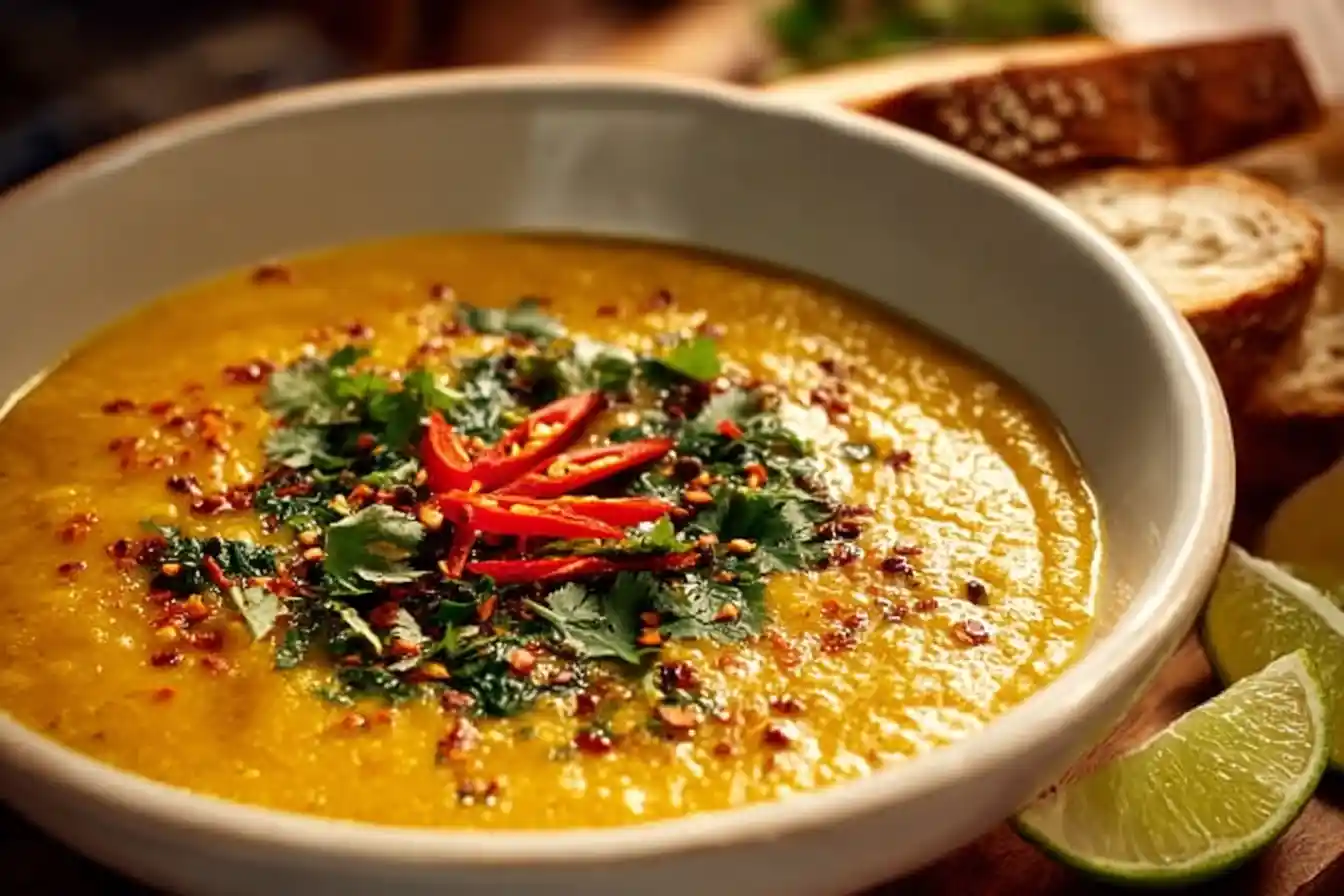
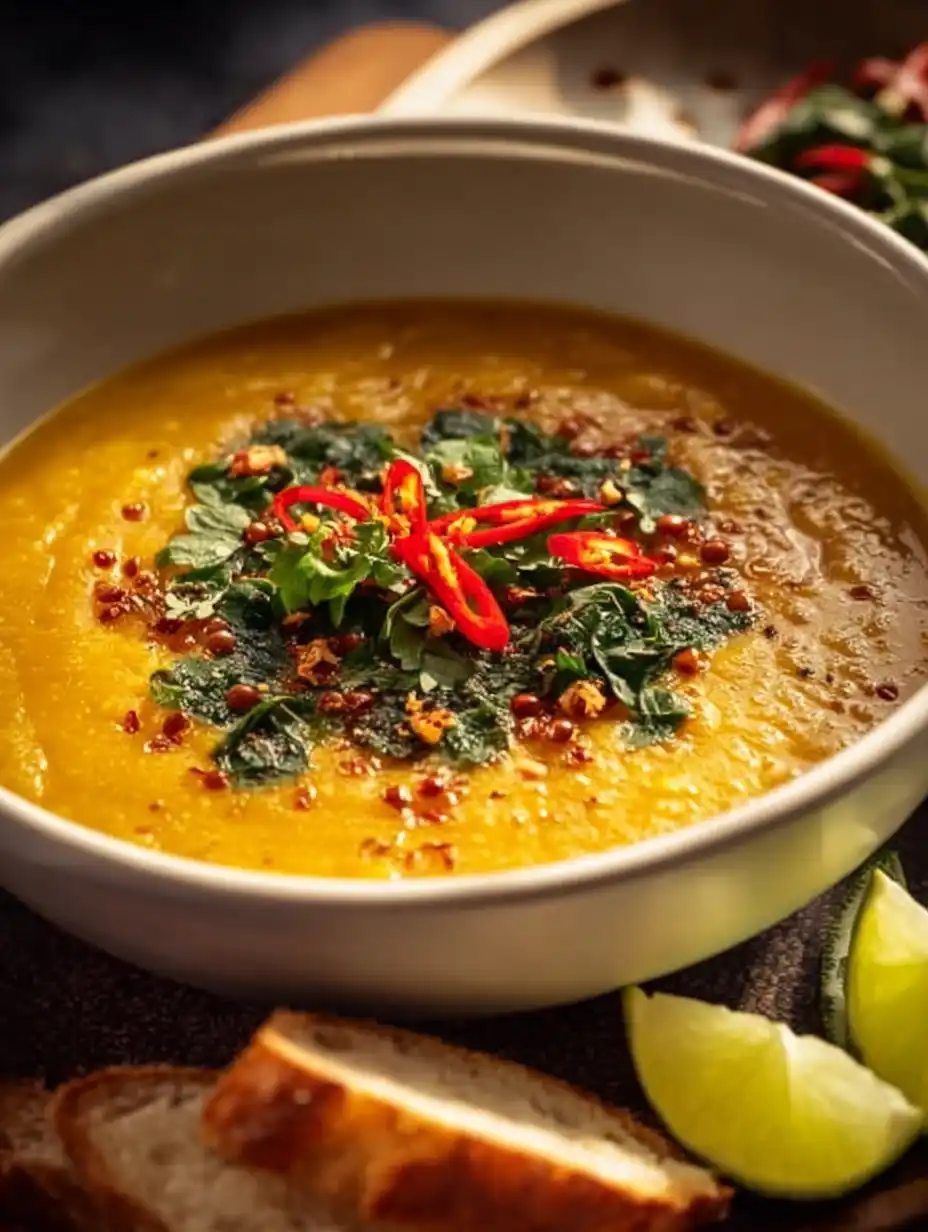
Imagine the first spoonful: the initial hit of creamy coconut sweetness followed quickly by the earthy, nutty depth of perfectly softened red lentils. Then, a gentle wave of warmth from the aromatics begins to build, accented by the brightness of fresh citrus and the savory foundation of a well-crafted broth. The texture is neither too thin nor too thick, but rather a luscious, spoon-coating consistency that feels indulgent without being heavy. It is a vibrant, golden-hued masterpiece that looks as beautiful in the bowl as it tastes on the palate, especially when garnished with a pop of emerald-green herbs and a final drizzle of coconut cream. This is not just a recipe; it is a reliable companion for cold winter nights, rainy afternoons, or any moment when you need a bowl of pure, unadulterated comfort.
In the world of plant-based cooking, few dishes achieve the level of universal appeal that Thai Coconut Red Lentil Soup enjoys. It bridges the gap between different dietary preferences with ease, offering a protein-packed, fiber-rich experience that leaves everyone at the table feeling completely satisfied. By focusing on the interplay of sweet, salty, sour, and spicy—the four pillars of Thai cuisine—we create a complex flavor profile that belies the simplicity of the cooking process. As we delve into the nuances of selecting the best lentils, the art of blooming spices, and the secrets to achieving the perfect soup consistency, you will find that making this dish is as rewarding as eating it. Let us begin this culinary exploration and bring the bold, bright flavors of Thailand into your very own kitchen.
Why Make Thai Coconut Red Lentil Soup
Choosing what to cook for dinner often involves a delicate balance between nutritional value, ease of preparation, and the desire for a meal that truly excites the taste buds. Thai Coconut Red Lentil Soup excels in every one of these categories, making it a premier choice for any home cook. One of the most compelling reasons to make this dish is its incredible nutritional density. Red lentils are a powerhouse of plant-based protein and essential minerals like iron, folate, and magnesium. Unlike their green or brown counterparts, red lentils break down during the cooking process, creating a naturally thick and creamy base without the need for heavy creams or flours. This makes the soup an excellent option for those looking to incorporate more wholesome, heart-healthy legumes into their diet without sacrificing the “comfort food” factor.
Furthermore, this soup is a champion of kitchen efficiency and budget-friendliness. The primary ingredients—lentils, onions, carrots, and canned coconut milk—are pantry staples that are both affordable and have a long shelf life. In an era where grocery costs are a constant consideration, being able to produce a restaurant-quality meal from a handful of modest ingredients is a significant advantage. The preparation is straightforward and mostly hands-off once the pot begins to simmer, allowing you to reclaim your evening while the flavors meld together. It is a one-pot wonder that minimizes cleanup, making it the perfect solution for busy professionals, parents, or anyone who values a high-reward, low-effort cooking experience.
Beyond the practicalities, making this soup is an act of culinary creativity. It serves as a versatile canvas that invites you to experiment with whatever produce you have on hand. Do you have a stray bell pepper in the crisper drawer? Dice it up and toss it in. A handful of snap peas? They add a wonderful crunch. This adaptability ensures that the recipe never becomes stagnant. Moreover, the aromatic experience of cooking this soup is therapeutic. The scent of garlic, ginger, and onions softening in oil, followed by the fragrant release of spices, fills your home with a welcoming, exotic aroma that can lift your spirits even before the first bite. It is a dish that fosters a sense of warmth and hospitality, making it a joy to share with others.
Finally, we cannot overlook the sheer satisfaction of the flavor profile. Thai cuisine is world-renowned for its ability to hit every part of the palate, and this soup is no exception. It offers a sophisticated alternative to standard lentil soups which can sometimes feel one-dimensional or overly “earthy.” By introducing the tropical notes of coconut and the bright acidity of lime, we elevate the lentils into something extraordinary. It is a dish that feels like a treat, a special occasion meal that just happens to be healthy enough for every day. When you make this soup, you aren’t just feeding yourself; you are treating yourself to a well-rounded, expertly balanced culinary experience that honors the traditions of Southeast Asian cooking while remaining accessible to the home cook.
Why You’ll Love This Thai Coconut Red Lentil Soup
You will love this Thai Coconut Red Lentil Soup first and foremost for its incredible texture. There is a specific magic that happens when red lentils are simmered in a bath of broth and coconut milk. They lose their structural integrity just enough to create a thick, porridge-like consistency that is incredibly soothing. Unlike soups that rely on pureeing in a blender to achieve smoothness, this soup retains a slight, pleasant graininess from the lentils that provides a rustic, homemade feel. Every spoonful offers a velvety mouthfeel that is punctuated by the soft bite of sautéed carrots and the tender wilt of fresh greens. It is the definition of “hug in a bowl,” providing a level of physical and emotional warmth that few other dishes can match.
Another reason this recipe will become a household favorite is its remarkable balance of flavors. Often, soups can lean too heavily into one direction—either too salty, too spicy, or too bland. This Thai-inspired version carefully navigates the landscape of taste. The natural sweetness of the carrots and coconut milk provides a gentle backdrop for the savory depth of the garlic and onions. The addition of fire-roasted tomatoes adds a subtle smokiness and a necessary touch of acidity that cuts through the richness of the coconut. This complexity means that your palate never gets bored; each bite reveals a new layer of flavor, from the initial creaminess to the lingering, gentle tingle of spices on the finish.
Versatility is another hallmark of this dish that you will quickly come to appreciate. This soup is naturally inclusive, making it a “safe” and exciting choice for a variety of dietary needs. It is inherently gluten-free and can easily be kept entirely plant-based by using vegetable stock and olive oil. However, it is hearty enough to satisfy even the most committed meat-eaters. It also stores exceptionally well, often tasting even better the next day as the spices have more time to infuse into the lentils. This makes it an elite candidate for meal prepping. You can cook a large batch on Sunday and enjoy quick, delicious lunches throughout the week, knowing that you have a nutritious meal waiting for you that only requires a few minutes on the stove or in the microwave.
Lastly, you will love the sense of accomplishment that comes with mastering this dish. While the steps are simple, the results are sophisticated. Serving a bowl of this soup, garnished beautifully with fresh herbs and a squeeze of lime, feels like presenting a gift. It is a dish that looks vibrant and professional, yet it comes together with minimal stress. It teaches you the importance of layering flavors—starting with the aromatics, building with the spices, and finishing with fresh elements. This soup doesn’t just fill your stomach; it expands your culinary horizons and gives you a reliable “ace in the hole” recipe that you can turn to whenever you want to impress guests or simply provide your family with a meal that is as nourishing as it is delicious.
Ingredients and Substitutions
The success of a Thai Coconut Red Lentil Soup lies in the quality and harmony of its components. While the following list provides the essential foundation, understanding the role of each ingredient will allow you to make informed substitutions based on your pantry’s contents and your personal dietary goals. Here are the core ingredients required for this masterpiece:
- 2 tablespoons extra virgin olive oil or unsalted butter
- 1 large yellow onion, finely diced
- 3 medium carrots, peeled and sliced into uniform rounds
- 3 stalks celery, finely sliced
- 4 cloves fresh garlic, finely minced
- 6 cups low-sodium chicken bone broth or rich vegetable stock
- 1 can (15 ounces) diced fire-roasted tomatoes or cooked white cannellini beans, rinsed and drained
- 1 teaspoon dried Italian herb blend (oregano, basil, thyme)
- 1 teaspoon fine sea salt, plus more to taste
- 1/2 teaspoon freshly cracked black pepper
- 2 cups fresh baby spinach leaves or chopped flat-leaf kale
- 2 tablespoons freshly chopped parsley or grated Parmesan cheese, for serving
The Fat (Olive Oil or Butter): The choice of fat sets the stage for the entire dish. Extra virgin olive oil offers a fruity, peppery note that aligns beautifully with the Mediterranean-inspired aromatics, while unsalted butter provides a richer, more indulgent mouthfeel. For a more traditional Thai profile, you could substitute these with coconut oil, which reinforces the coconut theme of the soup. If you are following a strictly oil-free diet, you can “water sauté” the vegetables using a few tablespoons of broth, though you will miss the specific richness that fats provide when blooming spices.
The Aromatics (Onion, Carrots, Celery, Garlic): Known in French cooking as mirepoix, this trio of onion, carrot, and celery provides the foundational “sweetness” and depth of the soup. Yellow onions are preferred for their balanced sugar content, but red onions can be used for a sharper bite, or shallots for a more delicate, gourmet touch. Carrots add both color and natural sugars, while celery provides a subtle salty, earthy note. Garlic is non-negotiable; it provides the pungent backbone that ties the spices together. When selecting garlic, look for firm bulbs with tight skins to ensure maximum flavor potency.
The Liquid Base (Broth or Stock): The broth is the medium through which all flavors travel. Using a low-sodium version is critical because it allows you to control the final seasoning of the dish. Chicken bone broth offers a deep, savory richness and added protein, but a high-quality vegetable stock is an excellent alternative for vegetarians. For the most authentic Thai experience, ensure that at least one to two cups of this liquid volume are replaced with full-fat canned coconut milk. The coconut milk provides the characteristic creaminess and tropical aroma that defines the dish.
The Core Proteins (Lentils, Tomatoes, or Beans): While red lentils are the star of the title, this recipe’s structure allows for the addition of fire-roasted tomatoes or cannellini beans. Fire-roasted tomatoes bring a charred, smoky sweetness that complements the lentils perfectly. If you choose cannellini beans, you are adding a creamy, buttery texture that contrasts nicely with the soft lentils. Red lentils themselves are unique because they cook quickly (usually in 15-20 minutes) and tend to “melt” into the liquid, creating a natural thickener. Ensure you rinse your lentils thoroughly in a fine-mesh sieve before adding them to the pot to remove any dust or debris.
The Seasonings and Greens: The Italian herb blend might seem surprising in a Thai-inspired soup, but the oregano and thyme provide an earthy bridge between the lentils and the aromatics. For a more traditional Thai flavor, you can add a tablespoon of red curry paste or a teaspoon of ground turmeric and ginger. The fresh baby spinach or kale added at the very end provides a burst of color and a boost of vitamins. Spinach wilts almost instantly in the residual heat, while kale offers a sturdier, more fibrous bite. Finally, the garnish of parsley or Parmesan (or cilantro and lime for the Thai version) adds the necessary “high notes” to finish the dish.
How to Make Thai Coconut Red Lentil Soup
Creating this soup is a rhythmic process that rewards patience and attention to detail. By following these steps, you will ensure that every ingredient is cooked to its optimal state, resulting in a harmonious final product. The key is to manage your heat levels so that the vegetables soften without browning too quickly, and the lentils simmer gently until they reach that perfect, melting consistency.
Step-by-Step Cooking Instructions
Step 1: Gather all ingredients, clean prep surfaces, and measure out your seasonings. Wash your fresh produce in cold water and slice all vegetables into uniform, bite-sized pieces so that every mouthful cooks evenly. This initial stage of “mise en place” is vital. When you have your onions, carrots, and celery neatly diced and ready to go, the actual cooking process becomes a calm, enjoyable experience rather than a frantic scramble. Pay close attention to the size of your carrot rounds; keeping them uniform ensures that no one gets a crunchy carrot in an otherwise tender soup.
Step 2: Set your primary cooking vessel (heavy skillet, Dutch oven, or soup pot) over medium heat on your stovetop, or preheat your oven to the exact target baking temperature specified in the recipe. Add your cooking fat (olive oil or butter) and allow it to shimmer. You will know the oil is ready when it moves fluidly across the pan like water and emits a faint, pleasant aroma. If the oil begins to smoke, it is too hot; remove it from the heat for a moment to cool. A properly heated pan ensures that the vegetables begin cooking immediately upon contact, releasing their moisture and flavors into the fat.
Step 3: Add your aromatic vegetables (diced onions, carrots, and celery) to the hot fat. Cook gently over medium heat for 5 to 7 minutes until tender, translucent, and sweet, stirring in the minced garlic during the final 60 seconds so it blooms without burning. Listen for the gentle sizzle—it should be a soft, “happy” sound, not a violent crackle. The onions should become clear and soft, losing their sharp raw edge and turning into a sweet, savory base. When you add the garlic, stay close; its sugars are delicate and can turn bitter if they spend too long in high heat. As soon as you smell that unmistakable garlic fragrance, you are ready for the next step.
Step 4: Introduce your primary protein or core ingredients along with your dry herb and spice seasonings. Stir thoroughly for 2 to 3 minutes to coat every surface in the savory aromatic oil and allow the spices to toast lightly. This is when you add your rinsed red lentils and, if using, the fire-roasted tomatoes or beans. This “toasting” phase is crucial. By coating the lentils in the oil and aromatics, you are building layers of flavor directly into the legume itself. The dry herbs will also release their essential oils into the fat, magnifying their impact on the final soup.
Step 5: Pour in your cooking broths, sauces, or fold in your blended dressings. Bring the mixture to a gentle, steady simmer over medium-low heat, stirring well to incorporate all the caramelized flavor from the bottom of the pan. As the liquid hits the hot pot, use a wooden spoon to scrape up any bits stuck to the bottom; these are concentrated pockets of flavor. At this stage, you will also add the coconut milk. The soup will transform from a clear broth into a beautiful, opaque, creamy orange or yellow hue. Watch for the first few bubbles to break the surface, then immediately lower the heat to maintain a gentle simmer.
Step 6: Cover with a tight-fitting lid or transfer to the preheated oven. Cook for the recommended duration (40 minutes) until the food reaches safe internal temperature (165°F for poultry, or fork-tender for vegetables and soups). For our red lentil soup, this time allows the lentils to fully absorb the liquid and soften until they practically dissolve. A tight lid is essential to prevent too much evaporation, which could lead to a soup that is too thick or salty. Periodically check the pot and give it a quick stir to ensure nothing is sticking to the bottom, as lentils have a tendency to settle.
Step 7: Remove the dish from heat and allow it to rest undisturbed for 5 minutes. Taste carefully to evaluate seasoning, adjust with a fresh squeeze of lemon juice, sea salt, or cracked pepper, and serve warm or chilled as intended with fresh herbs on top. This resting period is when the flavors truly settle and harmonize. Stir in your fresh spinach or kale during these final minutes; the residual heat is more than enough to wilt them to perfection. The final “brightening” with citrus (lemon or lime) is the secret weapon of elite chefs—it wakes up all the other flavors and provides a clean, professional finish to the dish.
Storage & Reheating
One of the greatest joys of Thai Coconut Red Lentil Soup is how beautifully it ages. Like a fine stew, the flavors continue to develop and meld as the soup sits, making the leftovers something to genuinely look forward to. To store the soup properly, allow it to cool to room temperature within two hours of cooking. Transfer the soup into airtight containers—glass jars or BPA-free plastic containers work perfectly. In the refrigerator, this soup will stay fresh and delicious for up to 5 to 6 days. It is an ideal candidate for “batch cooking,” as the quality does not degrade quickly, and the lentils actually benefit from the extra time spent soaking in the aromatic broth.
For long-term storage, this soup is a freezer’s best friend. Because it does not contain dairy (if using coconut milk) or delicate noodles, it freezes and thaws exceptionally well. To freeze, leave about an inch of headspace at the top of your container to allow for expansion as the liquid turns to ice. The soup can be frozen for up to 3 months. When you are ready to enjoy it, the best practice is to thaw it overnight in the refrigerator. If you are in a hurry, you can place the frozen container in a bowl of warm water to loosen the edges, then pop the frozen block directly into a saucepan to reheat slowly over low heat.
Reheating the soup requires a small amount of finesse. As the soup sits in the fridge, the lentils will continue to absorb liquid, often turning the soup into a thick, dal-like consistency. When you go to reheat it, you will likely need to add a splash of water, broth, or an extra drizzle of coconut milk to loosen it back to your preferred soup texture. Reheat on the stovetop over medium-low heat, stirring frequently to ensure even warming and to prevent the bottom from scorching. While a microwave is perfectly acceptable for a quick lunch, the stovetop method allows you to better control the consistency and ensures that the entire batch is heated uniformly.
When serving leftovers, don’t forget to refresh the garnishes. A fresh sprinkle of parsley, a new squeeze of lime, or a few cracks of black pepper can make a day-old bowl of soup feel brand new. The acidity of the citrus is particularly important for leftovers, as the “bright” notes are the first to fade during storage. By adding that final touch of freshness just before eating, you restore the balance of the dish and bring back the vibrant, multi-dimensional flavor profile that made the first bowl so spectacular.
(FAQs)
Can I use green or brown lentils instead of red lentils? While you certainly can use other types of lentils, the texture of the soup will change significantly. Red lentils are unique because they lack a seed coat and break down completely when cooked, creating a creamy, thick base. Green or brown lentils hold their shape much better and will result in a more “chunky” soup with a clearer broth. If you choose to use them, you may need to increase the cooking time by 10 to 15 minutes, as they are sturdier than red lentils.
Is this soup spicy? As written with the provided ingredients, this soup is quite mild, relying on the warmth of garlic, pepper, and herbs rather than chili heat. However, the beauty of Thai-inspired cooking is the ability to adjust the heat to your preference. If you enjoy a spicy kick, you can add a teaspoon of red pepper flakes, a tablespoon of Thai red curry paste, or a finely diced Thai bird’s eye chili during the aromatic sauté stage (Step 3).
What can I use instead of coconut milk? If you prefer not to use coconut milk, you can substitute it with heavy cream or a cashew-based cream for a similar richness. However, keep in mind that the coconut milk provides a specific tropical flavor profile that is central to the “Thai” identity of this soup. If you omit it, you will have a very delicious, Mediterranean-style lentil soup, which is also wonderful but less exotic in flavor.
How do I make the soup even thicker? If you find your soup is thinner than you’d like, there are two easy ways to thicken it. First, you can simply simmer it uncovered for an additional 10 to 15 minutes to allow more liquid to evaporate. Alternatively, you can take a cup of the soup, blend it until smooth, and then stir it back into the pot. The blended lentils will act as a natural thickener without changing the flavor of the dish.
Can I make this in a slow cooker or Instant Pot? Absolutely. For a slow cooker, follow Step 3 on the stovetop first to develop the flavors of the aromatics, then transfer everything to the slow cooker and cook on low for 6 to 7 hours or high for 3 to 4 hours. For an Instant Pot, use the “Sauté” function for the aromatics and spices, then add the liquid and lentils and cook on high pressure for 10 minutes, followed by a natural pressure release. Both methods yield excellent results with minimal active effort.
What should I serve alongside this soup? This soup is a complete meal on its own, but it pairs beautifully with a side of warm crusty bread, toasted naan, or a simple side of jasmine rice. If you want to keep the meal light, a crisp cucumber salad with a rice vinegar dressing provides a refreshing contrast to the rich, creamy soup. For an extra touch of indulgence, a side of garlic herb focaccia is always a crowd-pleaser.
More Comforting Soups You’ll Love
If you enjoyed this recipe, be sure to explore these cozy favorites from our soup collection:
- Thai Coconut Soup (Tom Kha Gai) – authentic Thai coconut chicken soup with lemongrass, galangal, and lime.
- Curry Lentil Soup – golden turmeric lentil soup with sweet coconut broth and warm spices.
Thai Coconut Red Lentil Soup
Ingredients
Method
- Gather all ingredients, clean prep surfaces, and measure out your seasonings. Wash your fresh produce in cold water and slice all vegetables into uniform, bite-sized pieces so that every mouthful cooks evenly.
- Set your primary cooking vessel (heavy skillet, Dutch oven, or soup pot) over medium heat on your stovetop, or preheat your oven to the exact target baking temperature specified in the recipe. Add your cooking fat (olive oil or butter) and allow it to shimmer.
- Add your aromatic vegetables (diced onions, carrots, and celery) to the hot fat. Cook gently over medium heat for 5 to 7 minutes until tender, translucent, and sweet, stirring in the minced garlic during the final 60 seconds so it blooms without burning.
- Introduce your primary protein or core ingredients along with your dry herb and spice seasonings. Stir thoroughly for 2 to 3 minutes to coat every surface in the savory aromatic oil and allow the spices to toast lightly.
- Pour in your cooking broths, sauces, or fold in your blended dressings. Bring the mixture to a gentle, steady simmer over medium-low heat, stirring well to incorporate all the caramelized flavor from the bottom of the pan.
- Cover with a tight-fitting lid or transfer to the preheated oven. Cook for the recommended duration (40 minutes) until the food reaches safe internal temperature (165°F for poultry, or fork-tender for vegetables and soups).
- Remove the dish from heat and allow it to rest undisturbed for 5 minutes. Taste carefully to evaluate seasoning, adjust with a fresh squeeze of lemon juice, sea salt, or cracked pepper, and serve warm or chilled as intended with fresh herbs on top.