Why Make Italian Sausage and Potato Soup
Choosing to make Italian Sausage and Potato Soup is an investment in your own well-being and the happiness of those around your table. In an era where fast food and highly processed meals are often the default, taking the time to simmer a pot of fresh soup is a radical act of self-care. This particular soup is an ideal candidate for your regular rotation because it hits all the essential nutritional notes while remaining incredibly flavorful. You have high-quality protein from the sausage, complex carbohydrates from the potatoes for sustained energy, and a wealth of vitamins and minerals from the carrots, celery, and leafy greens. It is a complete, one-pot meal that requires very little cleanup, making it as practical as it is delicious. Beyond the nutritional benefits, this soup is a masterclass in flavor building. By using Italian sausage as your primary protein, you are essentially “cheating” your way to a complex flavor profile. The sausage is already seasoned with garlic, fennel, red pepper flakes, and other herbs, which infuse the entire broth as it cooks. This means you don’t need a spice cabinet with fifty different jars to achieve a professional-grade taste. The potatoes act as a natural thickener, releasing just enough starch to give the broth a silky mouthfeel without the need for heavy creams or flour-based thickeners. This makes the soup feel indulgent and rich while remaining relatively light and easy on the digestion. Furthermore, this soup is incredibly adaptable to the seasons and the contents of your refrigerator. In the deep mid-winter, you might lean into the heartiness of the potatoes and use a spicy sausage to provide internal warmth. In the transition months of spring, you can load it up with extra green herbs and lighter vegetables like leeks. It is a “living” recipe that grows with you. Making a large pot of this soup also serves as a gift to your future self. It is one of those rare dishes that actually tastes better the next day, as the flavors have more time to meld and the potatoes absorb the savory essence of the broth. It turns a busy Monday lunch or a tired Tuesday dinner into something to look forward to.Why You’ll Love This Italian Sausage and Potato Soup
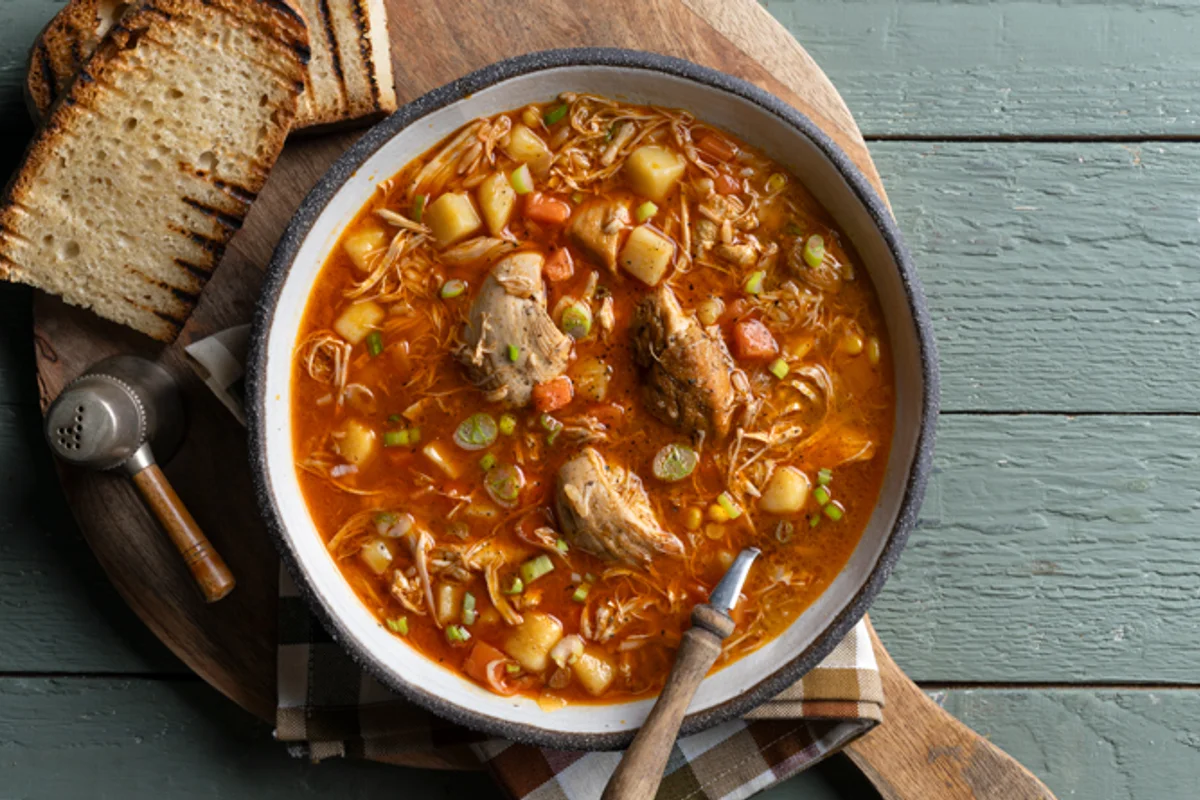
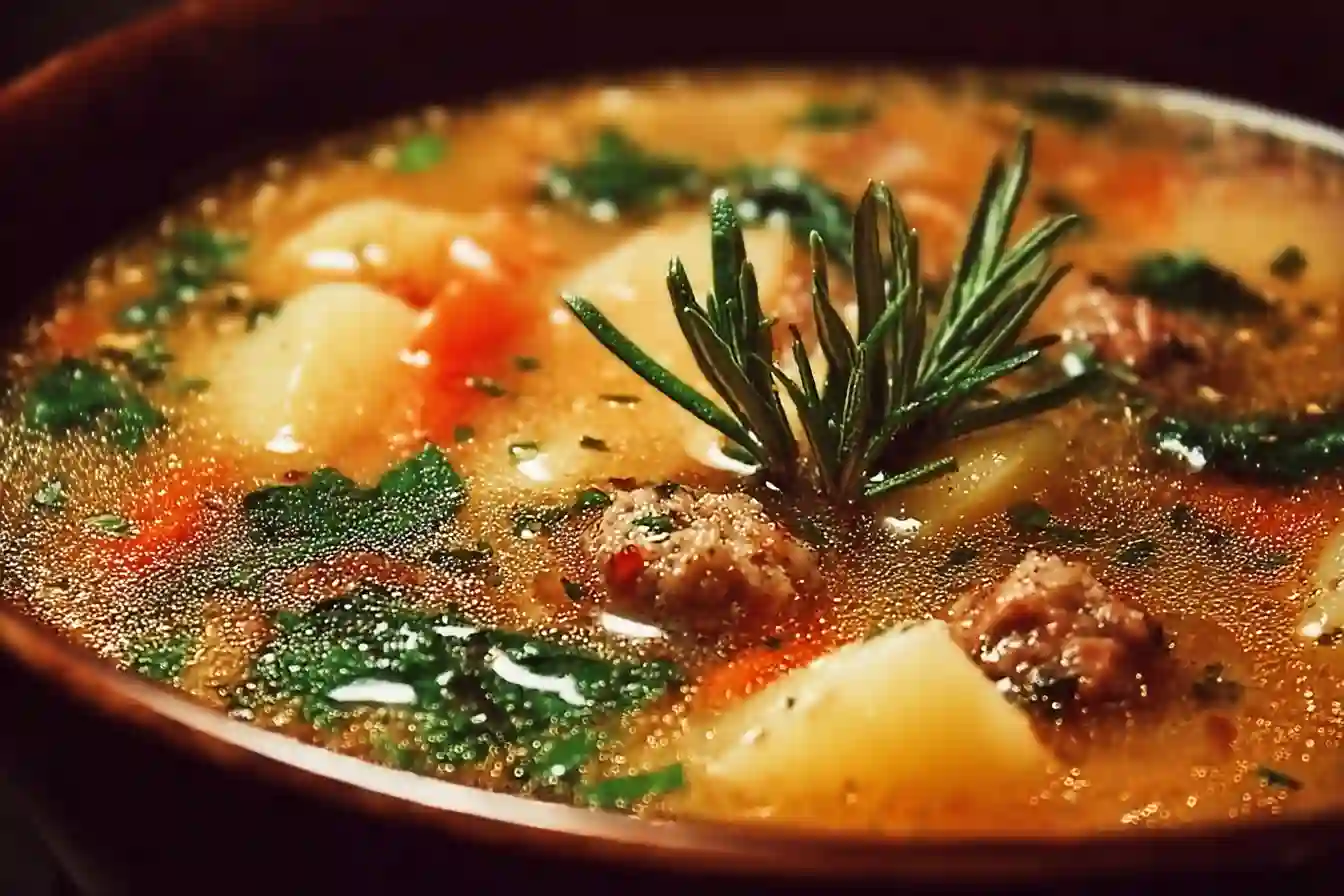
You will love this Italian Sausage and Potato Soup because it strikes the perfect chord between rustic charm and refined flavor. There is a deep, soul-satisfying quality to the combination of meat and potatoes that is universally beloved across cultures, but the Italian influence adds a layer of aromatic sophistication that sets this recipe apart. The use of fire-roasted tomatoes or creamy cannellini beans provides a subtle acidity or a nutty creaminess that keeps the palate engaged. Every bite is a discovery—sometimes you get a burst of herbal freshness from the parsley, and other times you get the deep, caramelized savoriness of the sautéed aromatics. Another reason this soup will become a favorite is its incredible texture. Unlike blended soups that can sometimes feel one-dimensional, this soup is a celebration of “the chunk.” There is something deeply satisfying about seeing the vibrant orange of the carrots, the pale gold of the potatoes, and the deep forest green of the kale or spinach floating in a rich, golden broth. It looks as good as it tastes. The visual appeal of a bowl of this soup, topped with a dusting of snowy white Parmesan cheese and a crack of black pepper, is enough to make anyone’s mouth water. It is “honest” food—it doesn’t hide behind heavy sauces or complicated techniques; it simply showcases good ingredients cooked well. Finally, you will love the sense of accomplishment that comes with mastering this dish. While the steps are simple, the results are spectacular. It is the kind of recipe that builds confidence in the kitchen. You learn how to sweat vegetables until they are just translucent, how to brown meat to unlock its deepest flavors, and how to balance seasonings to suit your personal preference. It is a forgiving recipe; if you like more spice, add more pepper; if you like more greens, throw in an extra handful. It empowers the home cook to trust their instincts. Once you taste the difference between this homemade version and anything you can get from a can or a restaurant, there is no going back.Ingredients and Substitutions
The success of a great soup lies in the quality of its components. While these ingredients are humble, selecting the best versions of them will elevate your soup from “good” to “extraordinary.” Here is what you will need for this Italian Sausage and Potato Soup:- 1 pound high-quality Italian sausage (sweet, mild, or hot), casings removed
- 1.5 pounds potatoes (Yukon Gold or Russet), peeled and cut into 1-inch cubes
- 2 tablespoons extra virgin olive oil or unsalted butter
- 1 large yellow onion, finely diced
- 3 medium carrots, peeled and sliced into uniform rounds
- 3 stalks celery, finely sliced
- 4 cloves fresh garlic, finely minced
- 6 cups low-sodium chicken bone broth or rich vegetable stock
- 1 can (15 ounces) diced fire-roasted tomatoes or cooked white cannellini beans, rinsed and drained
- 1 teaspoon dried Italian herb blend (oregano, basil, thyme)
- 1 teaspoon fine sea salt, plus more to taste
- 1/2 teaspoon freshly cracked black pepper
- 2 cups fresh baby spinach leaves or chopped flat-leaf kale
- 2 tablespoons freshly chopped parsley or grated Parmesan cheese, for serving
How to Make Italian Sausage and Potato Soup
Creating this soup is a rhythmic, sensory process. It is about listening to the sizzle of the pan, watching the vegetables transform from opaque to translucent, and smelling the aromatics as they bloom. By following these steps with intention, you ensure that every layer of flavor is properly developed, resulting in a professional-grade finish.Step-by-Step Cooking Instructions
Step 1: Gather all ingredients, clean prep surfaces, and measure out your seasonings. Wash your fresh produce in cold water and slice all vegetables into uniform, bite-sized pieces so that every mouthful cooks evenly. This initial “mise en place” is crucial. When your potatoes are all the same size, they finish cooking at the exact same moment, preventing some from being hard while others turn to mush. As you chop the carrots and celery, notice the crisp snap of the fresh vegetables—this is the first sign of a healthy, vibrant meal.
Step 2: Set your primary cooking vessel (heavy skillet, Dutch oven, or soup pot) over medium heat on your stovetop, or preheat your oven to the exact target baking temperature specified in the recipe. Add your cooking fat (olive oil or butter) and allow it to shimmer. You are looking for the oil to move fluidly across the pan like water. Once hot, add the Italian sausage. Use a wooden spoon to break the meat into small, crumbly bits. You want to hear a vigorous sizzle immediately. Cook the sausage until it is no longer pink and has developed beautiful golden-brown edges. These browned bits are concentrated flavor. Once cooked, you can remove the sausage with a slotted spoon to keep it crisp, or leave it in to let its fats coat the vegetables in the next step.
Step 3: Add your aromatic vegetables (diced onions, carrots, and celery) to the hot fat. Cook gently over medium heat for 5 to 7 minutes until tender, translucent, and sweet, stirring in the minced garlic during the final 60 seconds so it blooms without burning. This is the most aromatic part of the process. The onions will lose their sharp bite and become soft and fragrant. Watch the garlic closely; it should turn a pale golden color and smell sweet. If it turns dark brown or black, it will become bitter and ruin the base of your soup, so keep those aromatics moving with your spoon.
Step 4: Introduce your primary protein or core ingredients along with your dry herb and spice seasonings. Stir thoroughly for 2 to 3 minutes to coat every surface in the savory aromatic oil and allow the spices to toast lightly. If you removed the sausage earlier, bring it back to the pot now along with the cubed potatoes. As the dried oregano, basil, and thyme hit the warm oil, their oils are released, filling your kitchen with a classic Italian herb garden scent. This “toasting” phase ensures the spices aren’t just floating on top but are deeply integrated into the ingredients.
Step 5: Pour in your cooking broths, sauces, or fold in your blended dressings. Bring the mixture to a gentle, steady simmer over medium-low heat, stirring well to incorporate all the caramelized flavor from the bottom of the pan. Use your spoon to scrape the bottom of the pot—any browned bits from the sausage and vegetables will dissolve into the broth, creating a deep, complex liquid. Add your fire-roasted tomatoes or cannellini beans at this stage. The broth should just cover the potatoes. Watch for the first few bubbles to break the surface, then immediately turn the heat down to a low simmer.
Step 6: Cover with a tight-fitting lid or transfer to the preheated oven. Cook for the recommended duration (40 minutes) until the food reaches safe internal temperature (165°F for poultry, or fork-tender for vegetables and soups). A gentle simmer is key here; a rolling boil will toughen the meat and break the potatoes apart too violently. At the 30-minute mark, check a potato with a fork. It should slide in with zero resistance. During the final few minutes of cooking, stir in your fresh spinach or kale. The heat of the soup will wilt the greens in seconds, preserving their bright color and nutritional value.
Step 7: Remove the dish from heat and allow it to rest undisturbed for 5 minutes. Taste carefully to evaluate seasoning, adjust with a fresh squeeze of lemon juice, sea salt, or cracked pepper, and serve warm or chilled as intended with fresh herbs on top. Resting the soup allows the temperature to even out and the flavors to settle. This is the most important step for the chef: the final tasting. If the soup feels a little “flat,” a pinch more salt or a tiny splash of lemon juice (acid) will make the flavors pop. Ladle the soup into deep bowls and garnish generously with fresh parsley and a shower of Parmesan cheese.
Storage & Reheating
One of the greatest attributes of Italian Sausage and Potato Soup is its longevity. It is a dish that respects the busy schedule of a modern household, offering delicious leftovers that often surpass the original meal in depth of flavor. However, to maintain the integrity of the potatoes and the freshness of the greens, proper storage techniques are essential. If you have a large amount of soup left over, it is best to cool it down relatively quickly. Do not leave a giant, piping-hot pot on the counter for hours; instead, transfer the soup into smaller, shallow containers. This increases the surface area and allows the heat to dissipate faster, which prevents the potatoes from continuing to cook in the residual heat and becoming overly soft. Once the soup has reached room temperature, seal the containers tightly and place them in the refrigerator. The soup will stay fresh and delicious for up to 4 to 5 days. During this time, you may notice that the broth thickens significantly. This is because the potatoes continue to release a small amount of starch even while cold. When you go to reheat the soup, you might want to add a splash of water or extra broth to return it to your desired consistency. For long-term storage, this soup can be frozen, though there are a few caveats. Potatoes can sometimes change texture when frozen and thawed, becoming slightly grainy or “spongy.” To minimize this, ensure the potatoes are fully cooked but not falling apart before freezing. The soup will last in the freezer for up to 3 months. When you are ready to eat it, the best method is to let it thaw overnight in the refrigerator. This slow thaw helps the potatoes maintain their structure better than a rapid defrost in the microwave. When it comes to reheating, the stovetop is always the superior choice. Place the desired amount of soup in a small saucepan over medium-low heat. Stir occasionally to ensure even heating and to prevent the potatoes from sticking to the bottom. If you are in a rush, a microwave works fine—just use a microwave-safe cover to prevent splattering and stir every 60 seconds. Always taste the soup again after reheating; sometimes the saltiness can intensify, or the herbs can fade slightly, so a fresh crack of black pepper or a sprinkle of fresh parsley can bring it back to life.(FAQs)
Can I make this soup in a slow cooker or Crock-Pot?
Absolutely! To make this in a slow cooker, you should still brown the sausage and sauté the onions, carrots, and celery in a pan first. This step is vital for developing the flavor base. Once that is done, transfer everything except the spinach/kale and Parmesan to the slow cooker. Cook on Low for 6 to 7 hours or on High for 3 to 4 hours. Stir in the greens during the last 10 minutes of cooking so they stay bright and tender.
What are the best types of potatoes to use for a creamy texture without adding cream?
If you want a naturally creamy soup without using dairy, Yukon Gold potatoes are your best friend. They have a naturally high starch content and a buttery flavor. For an even creamier result, you can take a potato masher and gently crush a few of the cooked potato chunks directly in the pot. This releases starch into the broth, creating a velvety, thick consistency while leaving plenty of whole chunks for texture.
My soup is too salty; how can I fix it?
Saltiness can happen, especially if your broth wasn’t low-sodium or your sausage was particularly seasoned. The best fix is to add more bulk. You can add more unsalted broth, or even better, add another peeled and cubed potato. The new potato will act like a sponge, absorbing some of the excess salt as it cooks. Alternatively, a splash of acid, like a teaspoon of lemon juice or a tiny bit of vinegar, can help mask and balance an overly salty profile.
Can I use frozen spinach instead of fresh?
Yes, you can use frozen spinach, but there is a trick to it. Frozen spinach contains a lot of excess water and can sometimes have a slightly metallic taste if not handled correctly. Thaw the frozen spinach completely and squeeze out as much water as possible using a clean kitchen towel or paper towels before adding it to the soup. This prevents the soup from becoming watered down and ensures the spinach integrates well with the other flavors.
Is this soup gluten-free and dairy-free?
As written, this soup is naturally gluten-free, provided you check the label on your Italian sausage (some lower-quality brands use breadcrumbs as filler). It is also dairy-free if you use olive oil instead of butter and omit the Parmesan cheese garnish at the end. To get that “cheesy” flavor without the dairy, you can stir in a tablespoon of nutritional yeast, which provides a similar nutty, savory depth.
How do I stop the kale from being too tough?
Kale is much heartier than spinach, so it needs a bit more time in the pot. If you are using kale, add it about 10 to 15 minutes before the soup is finished cooking. This allows the heat to break down the fibrous structure of the leaves. Also, make sure you have removed the thick center ribs and chopped the leaves into small, manageable pieces. Massaging the raw kale with a little olive oil before adding it to the pot can also help soften it instantly.
In conclusion, Italian Sausage and Potato Soup is a triumph of home cooking. It is a dish that rewards patience and honors the quality of its ingredients. By following the steps of browning the meat, sweating the aromatics, and simmering the vegetables until they are perfectly tender, you create a meal that is both a physical and emotional comfort. It is a recipe that you will find yourself returning to time and time again, whether you are feeding a crowd or simply looking for a quiet, nourishing bowl of soup at the end of a long day. Enjoy the process, savor the aromas, and most importantly, enjoy every delicious spoonful.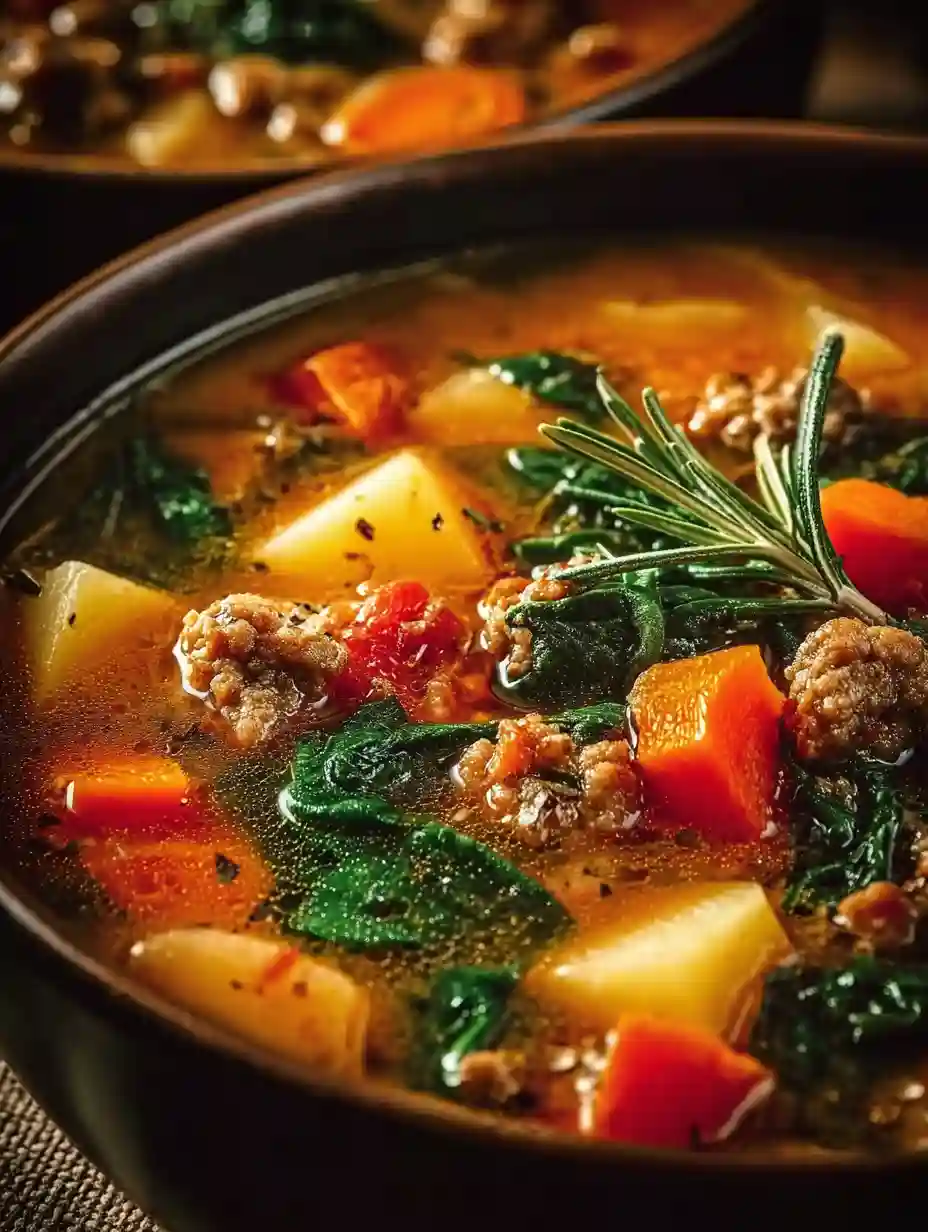
More Comforting Soups You’ll Love
If you enjoyed this recipe, be sure to explore these cozy favorites from our soup collection:
- Italian Sausage and Cabbage Soup – sweet simmered cabbage and spicy Italian sausage in a rich garlic broth.
- Italian Sausage White Bean Soup – rustic Italian sausage and white bean stew flavored with garden rosemary.
Italian Sausage and Potato Soup
Ingredients
Method
- Gather all ingredients, clean prep surfaces, and measure out your seasonings. Wash your fresh produce in cold water and slice all vegetables into uniform, bite-sized pieces so that every mouthful cooks evenly.
- Set your primary cooking vessel (heavy skillet, Dutch oven, or soup pot) over medium heat on your stovetop, or preheat your oven to the exact target baking temperature specified in the recipe. Add your cooking fat (olive oil or butter) and allow it to shimmer.
- Add your aromatic vegetables (diced onions, carrots, and celery) to the hot fat. Cook gently over medium heat for 5 to 7 minutes until tender, translucent, and sweet, stirring in the minced garlic during the final 60 seconds so it blooms without burning.
- Introduce your primary protein or core ingredients along with your dry herb and spice seasonings. Stir thoroughly for 2 to 3 minutes to coat every surface in the savory aromatic oil and allow the spices to toast lightly.
- Pour in your cooking broths, sauces, or fold in your blended dressings. Bring the mixture to a gentle, steady simmer over medium-low heat, stirring well to incorporate all the caramelized flavor from the bottom of the pan.
- Cover with a tight-fitting lid or transfer to the preheated oven. Cook for the recommended duration (40 minutes) until the food reaches safe internal temperature (165°F for poultry, or fork-tender for vegetables and soups).
- Remove the dish from heat and allow it to rest undisturbed for 5 minutes. Taste carefully to evaluate seasoning, adjust with a fresh squeeze of lemon juice, sea salt, or cracked pepper, and serve warm or chilled as intended with fresh herbs on top.