
There is a specific kind of magic that happens in a kitchen when a heavy-bottomed pot is placed on the stove and the rhythmic sound of a knife hitting a cutting board fills the air. As the outside world grows chilly and the sun dips lower in the sky, our culinary instincts naturally pull us toward dishes that offer more than just sustenance. We crave warmth, we crave depth, and we crave the kind of soulful nourishment that can only be found in a bowl of slow-simmered soup. Italian Sausage White Bean Soup is the quintessential embodiment of this comfort. It is a dish that tells a story of tradition, of humble ingredients transformed through heat and time into something truly magnificent. The aroma alone—a heady mixture of savory pork, pungent garlic, and earthy herbs—has the power to draw family members into the kitchen, lured by the promise of a meal that feels like a warm embrace.
When you stand over the stove, watching the steam rise and the colors of the vegetables brighten against the rich broth, you are participating in a timeless ritual. This soup is a celebration of texture and balance. You have the hearty, slightly spicy bite of the Italian sausage, the creamy, buttery softness of the white beans, and the vibrant, iron-rich snap of fresh greens. It is a complete meal in a single vessel, requiring nothing more than a thick slice of crusty bread to wipe the bowl clean. As a home cook, there is an immense sense of pride in serving a dish that tastes as though it has been simmering for an entire day, yet comes together with a graceful efficiency that respects your busy schedule. This is more than just a recipe; it is a cornerstone of the home-cooking repertoire, a reliable friend that never fails to satisfy the soul and warm the spirit on a cold winter evening.
The beauty of this particular soup lies in its layers. We begin with the foundation of well-browned meat and a classic mirepoix, building a base of flavor that is both complex and approachable. Every ingredient has a role to play, from the tiny pinch of red pepper flakes that provides a subtle back-of-the-throat warmth to the bright splash of lemon juice added at the very end to wake up the palate. As the beans release their starches and the kale wilts into the savory broth, the soup takes on a luxurious consistency that feels indulgent without being heavy. It is a masterpiece of “cucina povera,” the Italian philosophy of “poor cooking” that emphasizes making the most of simple, high-quality ingredients. Whether you are feeding a hungry family on a Tuesday night or hosting a casual gathering of friends, this Italian Sausage White Bean Soup is the ultimate expression of hospitality and home-cooked love.
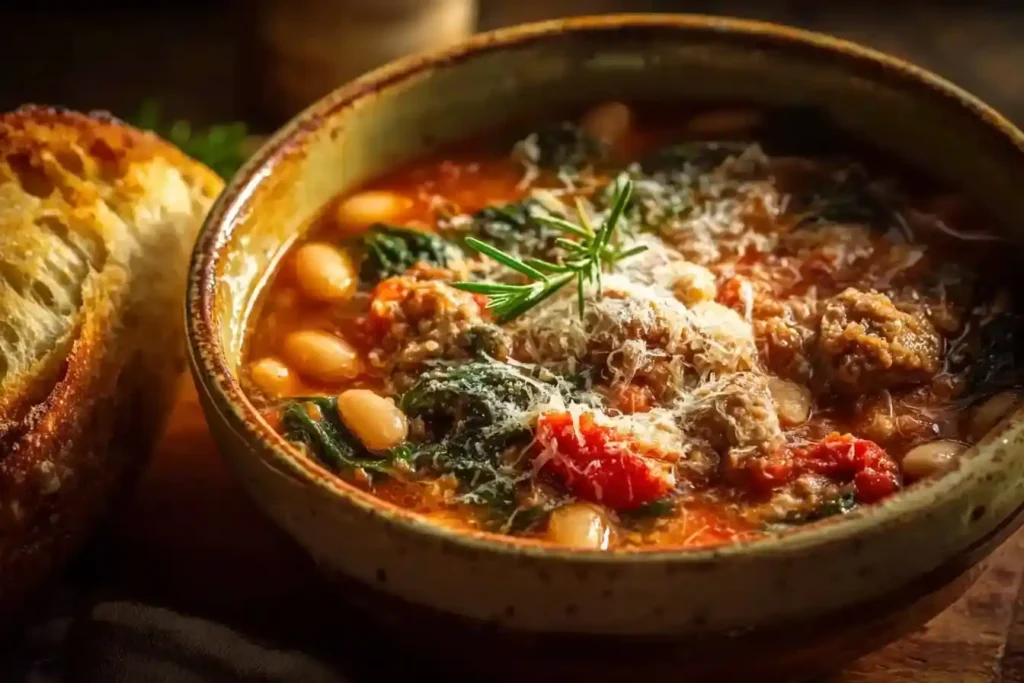
Why Make Italian Sausage White Bean Soup
The decision to make Italian Sausage White Bean Soup is often born from a desire for balance—balance between nutrition and flavor, between effort and reward, and between the rustic and the refined. In the modern kitchen, where time is often our most precious commodity, finding a recipe that delivers such profound depth of flavor in under an hour is a rare and wonderful thing. This soup is a nutritional powerhouse, packed with high-quality protein from the sausage and beans, an abundance of fiber, and a wealth of vitamins from the carrots, celery, and leafy greens. It is the kind of meal that leaves you feeling satisfied and energized rather than weighed down, making it an ideal choice for any day of the week.
Furthermore, this soup is incredibly versatile and forgiving. It is a “living” recipe that adapts to what you have in your pantry and refrigerator. If you find yourself with an extra handful of spinach or a stray zucchini in the crisper drawer, they will find a happy home here. This adaptability makes it a fantastic tool for reducing food waste and practicing intuitive cooking. Beyond its practical benefits, there is the undeniable emotional appeal. Soup is the universal language of care. When someone is feeling under the weather, when a neighbor moves in, or when a friend needs a bit of cheering up, a jar of this soup is the perfect gesture. It travels well, reheats beautifully, and seems to taste even better the next day as the flavors have more time to mingle and mature.
From a culinary perspective, this dish is a fantastic teacher for the home cook. It demonstrates the importance of “building” a soup rather than just boiling ingredients. You learn how to properly brown meat to develop flavor, how to sweat vegetables to release their natural sweetness, and how to use aromatics and acids to create a balanced profile. It teaches patience during the simmer and the importance of tasting as you go. For those who are just beginning their journey in the kitchen, this recipe provides a foolproof path to success, while seasoned cooks will appreciate the nuances and the opportunity to put their own signature spin on a classic. Ultimately, you make this soup because it makes your home smell like a sanctuary and your table feel like the most important place in the world.
Why You’ll Love This Italian Sausage White Bean Soup
There are countless reasons why this soup consistently ranks as a favorite among home cooks and professional chefs alike. It hits all the sensory notes we look for in a perfect meal. The visual appeal is the first thing you’ll notice—the deep greens of the kale, the soft whites of the beans, and the golden hues of the broth flecked with herbs. But the real love affair begins with the first spoonful. The combination of textures is addictive; the sausage provides a satisfying chew, while the beans offer a melt-in-your-mouth creaminess that is further enhanced by the technique of mashing a portion of them directly into the broth. This creates a “cream without cream” effect that is both lighter and more complex than a traditional dairy-based soup.
Cozy Flavor with Everyday Ingredients
One of the most lovable aspects of this recipe is that it doesn’t require a trip to a specialty grocery store. Everything you need is likely already in your kitchen or easily found at your local market. This accessibility is part of its charm. It takes humble pantry staples like canned beans and dried oregano and elevates them through careful preparation. The Italian sausage acts as a “shortcut” to flavor, as it is already seasoned with fennel, garlic, and other spices that infuse the entire pot with a professional-tasting base. When these everyday ingredients come together, they create a flavor profile that is far greater than the sum of its parts—a savory, herbaceous, and slightly zesty experience that feels both familiar and exciting.
Quick to Make, Easy to Love
In a world of complex multi-step recipes, the simplicity of this soup is a breath of fresh air. It is a one-pot wonder, which means minimal cleanup and maximum efficiency. From the moment you start browning the sausage to the moment you’re ladling the soup into bowls, you’re looking at about forty-five minutes of total time, much of which is passive simmering. This makes it an achievable victory for a weeknight dinner. Yet, despite the relatively short cooking time, the soup possesses a “slow-cooked” soul. It tastes like it has been bubbling on the back of a wood-burning stove for hours. This efficiency makes it easy to love because it respects your time while still providing a high-quality, artisanal dining experience that will have everyone asking for seconds.
Ingredients and Substitutions
To create the best possible version of this soup, it is essential to understand the role of each ingredient. Quality matters, but so does the ability to adapt. As a master home-cooking educator, I always encourage cooks to look at a recipe as a blueprint rather than a rigid set of rules. Understanding the “why” behind each component allows you to make smart substitutions without sacrificing the integrity of the dish. Let’s take a deep dive into the elements that make this Italian Sausage White Bean Soup a standout.
The sausage is the primary flavor driver. Whether you choose sweet or hot Italian sausage depends entirely on your spice tolerance. Sweet Italian sausage usually features a prominent fennel note, which provides a lovely aromatic quality, while hot sausage adds a lingering heat that cuts through the creaminess of the beans. If you are using links, removing the casings is vital so that the meat can be broken down into small, crumbly bits that distribute evenly throughout the soup. For the beans, cannellini beans are the traditional choice due to their large size and silky texture, but Great Northern beans are an excellent substitute as they hold their shape well during the simmer. The broth serves as the canvas for all these flavors; using a low-sodium version gives you total control over the final seasoning, preventing the soup from becoming overly salty as it reduces.
The “aromatic base”—onion, carrots, and celery—is non-negotiable for depth. This trio, often called a mirepoix, provides a foundational sweetness and earthiness. The addition of tomato paste is a professional secret for adding “umami” or a savory richness that makes the broth taste more robust. When it comes to the greens, kale is a favorite because it maintains its structure even after reheating, but spinach is a wonderful alternative if you prefer a softer, more delicate texture. Finally, never underestimate the power of the finishing touches. A squeeze of fresh lemon juice provides a necessary hit of acidity that brightens the entire pot, and a high-quality Parmesan cheese (and the rind!) adds a salty, nutty finish that ties all the components together perfectly.
What You’ll Need for This Recipe
- 1 lb Italian sausage: You can use sweet, mild, or hot. If you buy links, simply slit the casings with a sharp knife and squeeze the meat out. Bulk sausage is also perfectly fine and saves a step.
- 1-2 tbsp olive oil: This is used to help brown the sausage if the meat is lean, and to sauté the vegetables. A standard extra-virgin olive oil works beautifully here.
- 1 medium onion: A yellow or white onion is best for its balanced sweetness. Dice it finely so it melts into the background of the soup.
- 2 whole carrots: Peel them and dice them into uniform pieces. Carrots add a natural sweetness and a pop of color.
- 2 stalks celery: These provide a subtle herbal note and essential texture.
- 3-4 cloves garlic: Freshly minced garlic is always superior to the pre-minced jarred variety. It provides a pungent, aromatic punch that is central to Italian flavors.
- 1 tbsp tomato paste (optional): This adds a concentrated tomato flavor and a beautiful mahogany color to the broth.
- 1 tsp dried oregano: A classic Italian herb that provides an earthy, slightly bitter floral note.
- 1/2 tsp dried thyme or Italian seasoning: Thyme adds a woodsy, lemony scent that complements the sausage perfectly.
- 1 pinch red pepper flakes (optional): Use this if you want a little extra “kick” without the soup becoming overtly spicy.
- 6 cups chicken or vegetable broth: Use low-sodium to control the salt levels. A high-quality bone broth can add even more body and nutrition.
- 2 cans (15 oz) white beans: Cannellini or Great Northern beans are ideal. Make sure to drain and rinse them thoroughly to remove the metallic taste of the canning liquid.
- 1 whole bay leaf: This adds a subtle, herbal background note that you’ll miss if it’s gone, even if you can’t quite put your finger on what it is.
- 3-4 cups chopped kale or spinach: Remove the tough stems from the kale and chop the leaves into bite-sized pieces. If using spinach, baby spinach can be added whole.
- 1-2 tsp lemon juice: Freshly squeezed is a must. This acts as a “brightener” for the entire dish.
- Salt and black pepper: Essential for layering flavor at every stage of the cooking process.
- Parmesan rind (optional): If you have one in your freezer, drop it in! It infuses the broth with a deep, savory richness.
- Grated Parmesan and fresh parsley: For the final garnish, providing a fresh and salty finish.
Smart Swaps for Dietary Needs
- Dairy-Free: This soup is naturally dairy-free if you omit the Parmesan cheese and the rind. To replicate the salty, savory depth of the cheese, you can add a tablespoon of nutritional yeast or a splash of soy sauce (which adds umami without tasting like soy).
- Gluten-Free: The core ingredients of this soup are gluten-free. Just ensure that your Italian sausage and broth are certified gluten-free, as some brands use fillers or thickeners that contain wheat.
- Vegan/Vegetarian: To make this meatless, replace the Italian sausage with a plant-based sausage crumble or diced smoked tempeh. Use vegetable broth instead of chicken broth. To maintain the heartiness, you might add an extra can of beans or some diced mushrooms for texture.
- Low-Sodium: Use “no salt added” canned beans and a very low-sodium or homemade unsalted broth. Use fresh herbs instead of dried to maximize flavor without salt, and rely on the lemon juice at the end to provide “perceived” saltiness.
- Low-Carb: While beans contain carbohydrates, they are high in fiber. To further lower the carb count, reduce the amount of beans to one can and increase the volume of kale, celery, and sausage. You can also add cauliflower florets, which mimic the texture of the beans when cooked down.
Smart Variation (Optional)
If you want to take this soup in a slightly different direction, consider the “Creamy Tuscan” variation. After the soup has finished simmering and you’ve added the greens, stir in half a cup of heavy cream or full-fat coconut milk. This transforms the broth into a velvety, indulgent liquid. You can also add a handful of sun-dried tomatoes (chopped) along with the garlic to provide a sweet-tart chew that pairs exceptionally well with the sausage. Another popular variation is to add a small pasta, like ditalini or orzo, during the last ten minutes of simmering. If you do this, you may need to add an extra cup of broth, as the pasta will absorb a significant amount of liquid as it cooks.
How to Make Italian Sausage White Bean Soup
Cooking is as much about the process as it is about the ingredients. To achieve the best results, we will follow a logical progression that builds flavor at every step. This method ensures that the sausage is perfectly browned, the vegetables are tender but not mushy, and the broth is rich and well-seasoned. Grab your favorite heavy pot or Dutch oven, and let’s begin.
Step 1: Place your pot over medium heat. If your sausage is very lean (like some chicken or turkey varieties), add a tablespoon of olive oil to the pan. Once the oil is shimmering, add the Italian sausage. Use a wooden spoon or a stiff spatula to break the meat into small crumbles. You want to cook the sausage until it is no longer pink and has developed some beautiful golden-brown edges. This browning process is where a huge amount of the soup’s flavor comes from. Once the sausage is cooked through, look at the bottom of the pot. If there is an excessive amount of rendered fat (more than a couple of tablespoons), feel free to spoon some out, but leave enough to sauté the vegetables.
Step 2: Into the same pot with the sausage, add your diced onion, carrots, and celery. Stir them well so they are coated in the flavorful fat left behind by the sausage. Cook the vegetables for about 5 to 6 minutes. You aren’t looking to brown them heavily; rather, you want them to “sweat” and become soft and translucent. Once the vegetables have softened, add the minced garlic, the optional tomato paste, the dried oregano, the thyme (or Italian seasoning), and the red pepper flakes. Stir constantly for about one minute. This is called “blooming” the spices and the tomato paste. The heat releases the essential oils in the herbs and mellows the raw bite of the garlic and tomato paste, integrating their flavors into the base of the soup.
Step 3: Now it’s time for the liquid. Pour in the 6 cups of broth. Use your spoon to scrape the bottom of the pot, releasing any of those delicious browned bits (this is essentially deglazing). Add the drained and rinsed white beans and the bay leaf. If you have a Parmesan rind, drop it in now—it’s a secret weapon for flavor. Turn the heat up to medium-high to bring the liquid to a boil, then immediately turn it down to low. You want a gentle simmer, where just a few bubbles are breaking the surface. Cover the pot partially and let it simmer for 12 to 15 minutes. This allows the vegetables to finish cooking and the flavors of the sausage and herbs to infuse the broth.
Step 4: This is the “texture” step. Take a large spoon or a potato masher and gently press against about a cup’s worth of the beans against the side or bottom of the pot. You don’t need to take the beans out to do this; just do it right in the soup. As the mashed beans mix with the broth, they release their natural starches, which thickens the liquid and gives it a slightly creamy, luxurious mouthfeel without the need for heavy cream or flour. This simple technique elevates the soup from a clear broth to a hearty, rustic stew.
Step 5: Stir in your chopped kale or spinach. It might look like a lot of greens at first, but they will wilt down significantly. If you are using kale, let it cook for about 3 to 4 minutes until it is tender but still retains a bit of its vibrant green color. If you are using spinach, it only needs about 1 to 2 minutes. The residual heat of the soup is often enough to perfectly wilt the spinach without overcooking it.
Step 6: The final flourish is all about balance. Remove the bay leaf and the Parmesan rind (if you used one). Turn off the heat and stir in the fresh lemon juice and the chopped parsley. Now, take a clean spoon and taste your creation. This is the most important part of the process! Depending on the saltiness of your broth and sausage, you may need a pinch more salt or a few grinds of black pepper. The lemon juice should make the flavors “pop” without making the soup taste sour. Once you’re happy with the flavor, ladle the soup into deep bowls. Top each serving with a generous dusting of freshly grated Parmesan cheese and serve immediately.
Tips for Texture, Timing & Tools
To ensure your soup is a success every time, keep a few technical tips in mind. First, the size of your vegetable dice matters. Try to keep the carrots, celery, and onions roughly the same size (about a quarter-inch dice) so they cook at the same rate. Second, don’t rush the browning of the sausage. That color on the meat is a concentrated source of flavor that will permeate the entire soup. As for tools, a heavy-bottomed Dutch oven is the gold standard for soup making because it distributes heat evenly and retains it well, preventing scorched spots on the bottom of the pot. If you find your soup has become too thick after the mashing step or after sitting for a while, simply splash in a little more broth or water to reach your desired consistency.
Storage & Reheating
One of the greatest joys of making a big pot of Italian Sausage White Bean Soup is the leftovers. Like many stews and braises, this soup actually improves with age. As it sits in the refrigerator, the ingredients continue to exchange flavors, and the broth becomes even more deeply seasoned. It is a fantastic candidate for meal prepping on a Sunday to provide quick, healthy lunches throughout the week.
How to Store It Right
Before storing, allow the soup to cool down to room temperature. Placing a piping hot pot of soup directly into the refrigerator can raise the internal temperature of the fridge, which isn’t safe for your other food. Once cooled, transfer the soup to airtight containers. It will stay fresh in the refrigerator for up to 4 to 5 days. If you wish to freeze the soup, it freezes exceptionally well. Use freezer-safe bags or containers, leaving a bit of “headspace” at the top as the liquid will expand when frozen. It can be kept in the freezer for up to 3 months. If you know you are going to freeze the entire batch, you might consider adding the greens only when you reheat it, as they can become a bit soft after being frozen and thawed, though they are still perfectly edible.
Reheating Without Losing Flavor
When you’re ready to enjoy your soup again, the best method is to reheat it gently on the stovetop over medium-low heat. This prevents the beans from breaking down too much and keeps the sausage from becoming rubbery. You may notice that the soup has thickened significantly in the fridge; this is because the beans and the greens continue to absorb liquid. Simply add a splash of broth or water as you reheat it to bring back that perfect soup consistency. If you’re in a hurry, the microwave works too—just cover the bowl with a paper towel to prevent splatters and stir halfway through the heating time. A fresh sprinkle of Parmesan and a tiny squeeze of fresh lemon after reheating can make the leftovers taste just as vibrant as the day it was made.
A Dish Worth Making Again and Again
There is a profound satisfaction in mastering a recipe that is as reliable and nourishing as this one. It becomes a part of your culinary identity—the dish you turn to when the weather turns cold, when you need comfort, or when you want to show someone you care. The combination of savory sausage, creamy beans, and bright greens is a timeless trio that never goes out of style. As you make it more often, you’ll find yourself tweaking it, perhaps adding a bit more garlic or trying a different type of kale, until it becomes uniquely yours. This soup isn’t just a meal; it’s a testament to the beauty of home cooking and the enduring power of simple, honest ingredients. Enjoy the process, enjoy the aroma, and most importantly, enjoy every delicious spoonful.
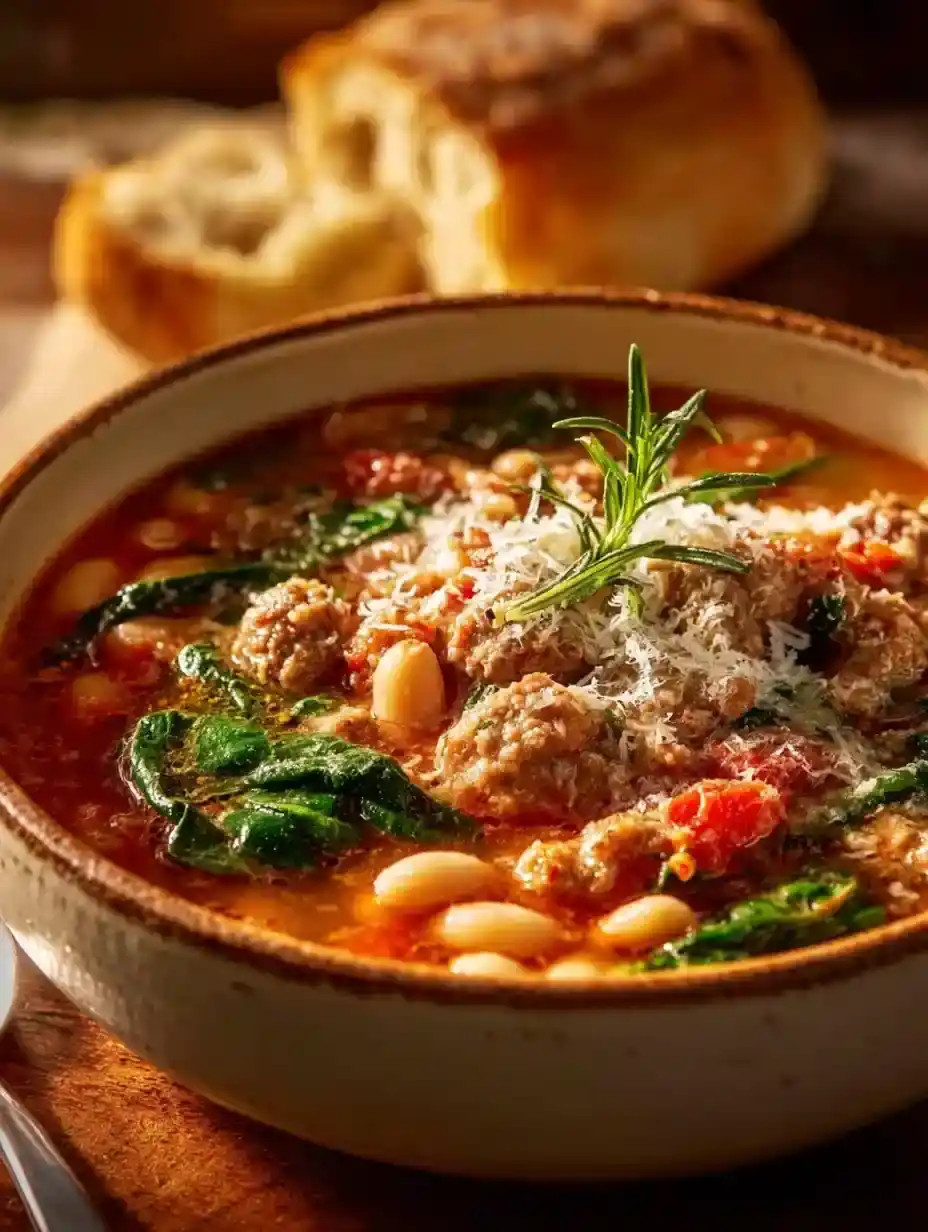
Italian Sausage White Bean Soup
Ingredients
Method
- Heat a large pot or Dutch oven over medium. Add a little oil if needed. Add sausage. Cook, breaking it up, until browned. Spoon off extra fat.
- Add onion, carrots, and celery. Cook 5–6 minutes, until soft. Add garlic, tomato paste (if using), oregano, thyme, and red pepper flakes. Cook 1 minute to bloom.
- Pour in broth. Add beans and bay leaf. If you have a Parmesan rind, add it now. Bring to a boil, then lower to a gentle simmer for 12–15 minutes.
- Lightly mash 1 cup of beans in the pot with a spoon to make the broth a little creamy.
- Stir in kale or spinach. Cook 2–4 minutes, until wilted and tender.
- Remove bay leaf (and rind). Stir in lemon juice and parsley. Taste and season with salt and pepper. Ladle into bowls and top with grated Parmesan.
Notes
🍲 More Cozy Homemade Soups to Try:
- Italian Sausage and Cabbage Soup – savory Italian sausage simmered with tender green cabbage in herb broth
- White Bean and Greens Soup – nourishing rustic soup packed with creamy white beans and kale
(FAQs)
Can I use dried beans instead of canned for this soup?
Yes, you certainly can, and many purists prefer the texture of dried beans. However, using dried beans requires more preparation. You will need to soak about 1 cup of dried beans overnight, then simmer them in water or broth for 1 to 1.5 hours until tender before adding them to the soup recipe at Step 3. Alternatively, you can cook the dried beans directly in the soup, but you will need to increase the broth significantly and increase the simmering time to at least 90 minutes, adding the greens only at the very end so they don’t turn to mush. Canned beans are used in this recipe for their convenience and consistent texture, making this a perfect weeknight meal.
What is the best way to remove sausage from its casing?
The easiest way to remove the casing from sausage links is to use a sharp paring knife or kitchen shears. Lay the link on a cutting board and make a shallow lengthwise slit through the casing from one end to the other. Once the casing is cut, you can easily peel it back and crumble the meat into the pot. If the sausage is very cold, the casing sometimes sticks; letting it sit at room temperature for five minutes can make it easier to remove. Of course, buying “bulk” sausage that isn’t in links at all is a great time-saving tip!
Is there a way to make this soup even creamier without adding dairy?
The best way to increase the creaminess without dairy is to increase the amount of beans you mash. Instead of mashing one cup, you could mash half of the beans in the pot. Another professional trick is to take two cups of the soup (liquid and beans) and carefully blend them in a traditional blender or with an immersion blender, then stir that pureed mixture back into the pot. This creates a thick, velvety base while still leaving plenty of whole beans and sausage for texture. The starch from the beans acts as a natural thickener that feels very indulgent on the tongue.
My soup tastes a little flat; how can I fix it?
If your soup tastes “flat” or one-dimensional, it is usually lacking one of two things: salt or acid. First, try adding a small pinch of salt and a few grinds of black pepper. If that doesn’t do the trick, it’s likely an acidity issue. This is where the lemon juice comes in. The acid in the lemon juice acts as a flavor enhancer, cutting through the richness of the sausage and the starch of the beans to make all the other flavors stand out. If you don’t have a lemon, a teaspoon of red wine vinegar or apple cider vinegar can serve the same purpose. Also, ensure you didn’t skip the tomato paste or the Parmesan rind, as these provide essential depth.
Can I use something other than kale or spinach?
Absolutely! This soup is very friendly to various types of leafy greens. Swiss chard is a fantastic alternative; just be sure to dice the stems and add them at the same time as the carrots, as they take longer to cook than the leaves. Escarole is another traditional Italian choice that adds a lovely, slightly bitter edge that pairs perfectly with white beans. You could even use collard greens, though they are much heartier and will need to simmer in the broth for at least 15 to 20 minutes to become tender. Even finely shredded cabbage can work in a pinch!
How do I prevent the garlic from burning?
Garlic is delicate and can turn bitter very quickly if it burns. In this recipe, we add the garlic after the onions, carrots, and celery have already been cooking for several minutes. The moisture released by the other vegetables helps regulate the temperature of the pot. When you add the garlic, stir it constantly and only let it cook for about 30 to 60 seconds—just until you can smell it clearly. As soon as you pour in the broth, the temperature drops and the cooking process of the garlic slows down, preventing it from over-browning.
Can I make this recipe in a Slow Cooker or Instant Pot?
Yes, both methods work well. For a slow cooker, brown the sausage and sauté the aromatics in a skillet first (this is crucial for flavor), then transfer everything except the greens and lemon juice to the slow cooker. Cook on low for 6-8 hours or high for 3-4 hours. Stir in the greens at the very end. For the Instant Pot, use the “Sauté” function to brown the meat and veggies, add the remaining ingredients (except greens/lemon), and cook on High Pressure for 5 minutes with a natural release. Stir in the greens and lemon juice after opening the lid. The high pressure does a great job of infusing the flavors quickly.
Italian Sausage White Bean Soup
Ingredients
Method
- Heat a large pot or Dutch oven over medium. Add a little oil if needed. Add sausage. Cook, breaking it up, until browned. Spoon off extra fat.
- Add onion, carrots, and celery. Cook 5–6 minutes, until soft. Add garlic, tomato paste (if using), oregano, thyme, and red pepper flakes. Cook 1 minute to bloom.
- Pour in broth. Add beans and bay leaf. If you have a Parmesan rind, add it now. Bring to a boil, then lower to a gentle simmer for 12–15 minutes.
- Lightly mash 1 cup of beans in the pot with a spoon to make the broth a little creamy.
- Stir in kale or spinach. Cook 2–4 minutes, until wilted and tender.
- Remove bay leaf (and rind). Stir in lemon juice and parsley. Taste and season with salt and pepper. Ladle into bowls and top with grated Parmesan.

1 thought on “Italian Sausage White Bean Soup”