
Imagine walking into a kitchen where the air is thick with the scent of simmering ginger, earthy turmeric, and the savory promise of a slow-cooked broth. There is a specific kind of magic that happens when a pot of soup begins to bubble on the stove, a transformation of humble roots and simple proteins into something that feels like a warm embrace for the soul. This isn’t just any meal; it is a vibrant, golden elixir designed to soothe the senses and provide a deep sense of well-being. The steam rising from the pot carries with it the brightness of citrus and the grounding aroma of sautéed aromatics, creating an atmosphere of comfort that permeates every corner of the home.
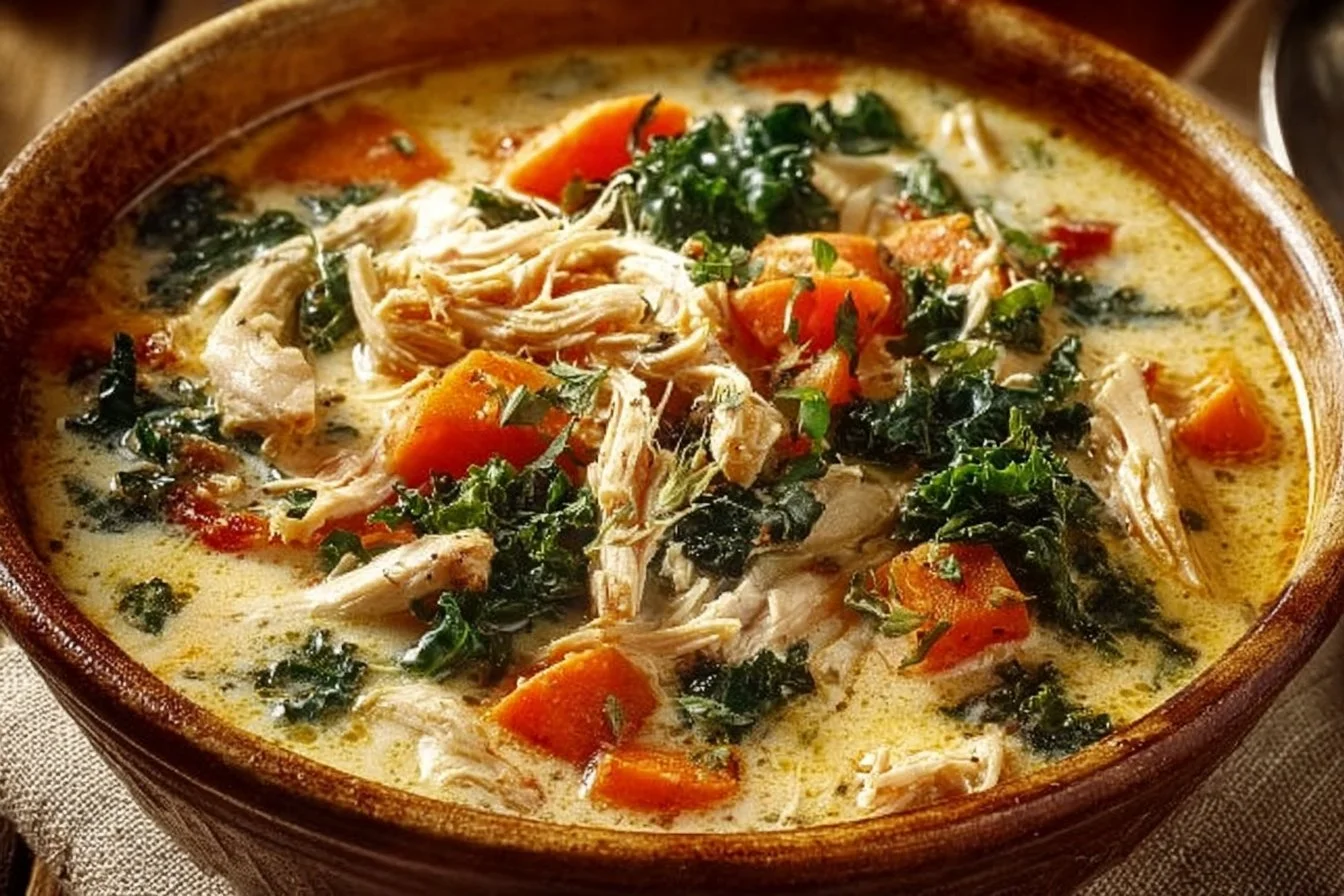
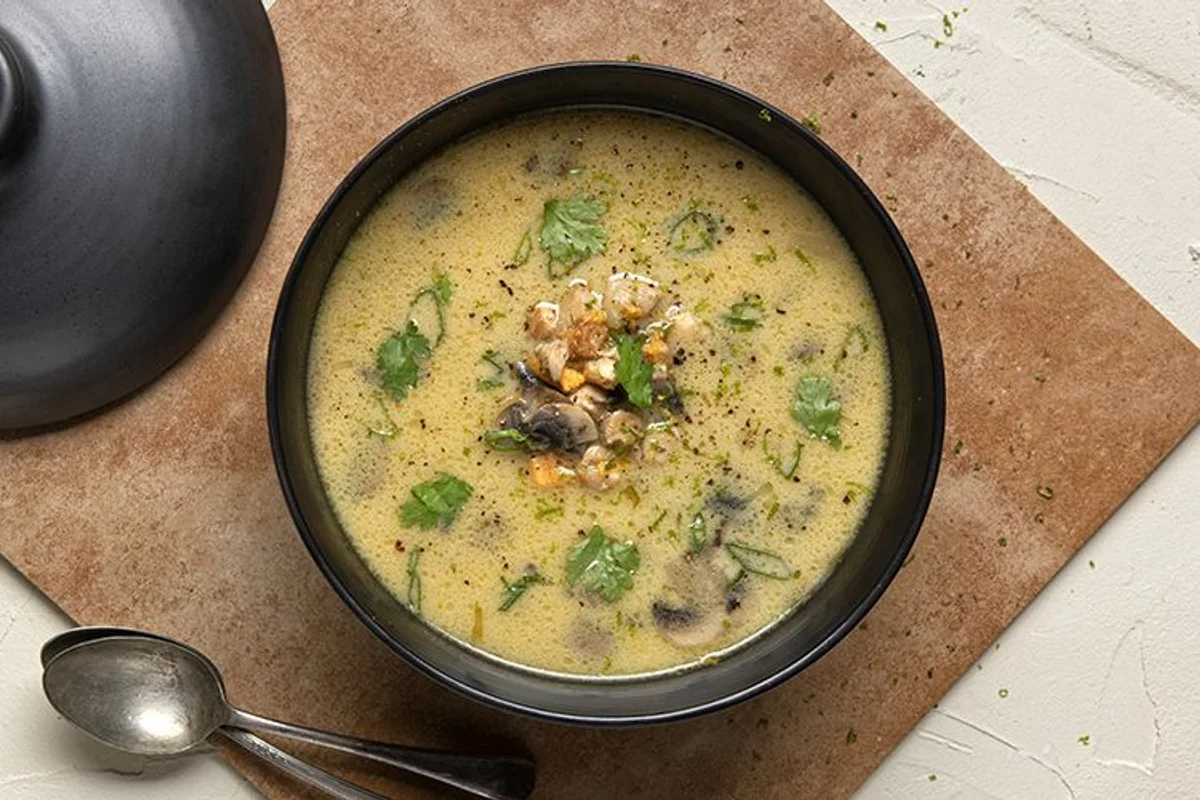
As you lift the lid, you are greeted by a stunning visual palette: the deep, sun-drenched yellow of the turmeric-infused broth, the soft orange of tender carrots, and the flecks of bright green herbs waiting to be sprinkled on top. The texture is equally inviting, offering a velvety creaminess that coats the back of a spoon without ever feeling heavy or overwhelming. Every spoonful is a balance of textures—the slight bite of a perfectly cooked carrot, the tenderness of shredded chicken, and the silky richness of coconut milk. It is the kind of dish that makes you want to slow down, pull up a chair, and savor the quiet moments of a busy day.
In the world of home cooking, there are recipes we make for convenience and recipes we make for joy, but the very best recipes are the ones we make for nourishment. This Anti-Inflammatory Creamy Chicken Soup falls into that rare category of “functional comfort food.” It honors the traditions of the classic chicken noodle soup that our grandmothers used to make, but it elevates those foundations with a sophisticated profile of spices and ingredients known for their healthful properties. It is a recipe born from the idea that what we eat should make us feel as good as it tastes, providing a restorative experience that lingers long after the bowl is empty.
Whether you are looking to brighten a rainy afternoon, seeking a gentle meal during the colder months, or simply wanting to master a versatile staple that pleases every palate at the table, this soup is your new culinary companion. It is approachable enough for a weeknight dinner yet feels special enough to share with a friend who needs a little extra care. By focusing on high-quality ingredients and simple, intentional techniques, you will unlock a depth of flavor that is truly extraordinary. Let us embark on this culinary journey together, exploring every nuance of this golden, creamy masterpiece.

Why You Will Love This Anti-Inflammatory Creamy Chicken Soup
There is a profound reason why chicken soup has earned its reputation as the ultimate “get well” food across nearly every culture on the planet. It is inherently hydrating, easy to digest, and packed with nutrients. However, this specific version takes those benefits and amplifies them through a carefully curated selection of ingredients that target inflammation. In our modern, fast-paced lives, our bodies often deal with various forms of stress, and a meal that focuses on anti-inflammatory properties is like hitting a gentle “reset” button for your internal system. The inclusion of turmeric and ginger doesn’t just add a beautiful flavor profile; it transforms the soup into a powerhouse of wellness.
Beyond the health aspects, you will fall in love with the sheer versatility of this recipe. It is a “canvas” soup, meaning it provides a solid foundation that you can easily adapt based on what you have in your pantry or your specific dietary preferences. If you are following a low-carb or keto lifestyle, you can omit the potatoes and add more fibrous greens. If you prefer a thicker, heartier stew-like consistency, you can simmer it a bit longer or add extra vegetables. It is a forgiving recipe that rewards intuition and experimentation, making it a favorite for both novice cooks and seasoned kitchen veterans.
The flavor dynamics of this soup are a masterclass in balance. Often, healthy food can be criticized for being bland, but this soup is anything but. The turmeric provides an earthy, musky depth that is perfectly countered by the sharp, spicy zing of fresh ginger. The coconut milk adds a luxurious, tropical sweetness that mellows the spices, while the final squeeze of lemon or lime juice provides a necessary hit of acidity that “wakes up” all the other flavors. This interplay of earthy, creamy, and bright ensures that every bite is interesting and satisfying, preventing the palate from becoming fatigued.
Finally, you will love how this soup fits into a modern, busy schedule. While it tastes like it has been simmering for hours, the actual hands-on time is remarkably minimal. By utilizing smart shortcuts—like using a pre-cooked rotisserie chicken or a high-quality store-bought broth—you can have a gourmet-quality meal on the table in under forty minutes. It is also an exceptional candidate for meal prepping. Like many great stews and soups, the flavors actually deepen and improve after a night in the refrigerator, making the leftovers something you will genuinely look forward to eating the next day. It is comfort, health, and convenience all swirled into one golden bowl.
The Comfort of Customization
One of the most endearing qualities of this soup is how it invites the cook to make it their own. For those who enjoy a bit of heat, a pinch of red pepper flakes or a dash of hot sauce can be added to the base. For those who crave more texture, adding a handful of kale or baby spinach at the very end provides a beautiful wilted green element that boosts the nutrient density even further. You are the architect of your meal, and this recipe provides the sturdy, delicious scaffolding you need to build something wonderful.
A Feast for the Senses
Cooking is a sensory experience, and this soup engages all of them. The visual appeal of the golden broth is undeniable, looking like liquid sunshine. The sound of the gentle simmer is the soundtrack of a peaceful kitchen. The smell of the aromatics—onion, garlic, and ginger—sautéing in olive oil is enough to make anyone’s mouth water. And the taste, of course, is a harmonious blend of savory chicken, sweet vegetables, and exotic spices. When you serve this soup, you aren’t just serving a meal; you are creating a sensory event that makes the act of eating feel intentional and celebratory.
Key Ingredients and Flavor Dynamics
To truly master this recipe, it is essential to understand the “why” behind each ingredient. Every component in this soup serves a specific purpose, contributing to either the flavor profile, the texture, or the nutritional value. When these ingredients come together, they create a synergy that is greater than the sum of its parts. Let’s take a deep dive into the stars of the show and how you can select the best versions of each to ensure your soup is of professional quality.
The Aromatic Foundation: Onion, Garlic, and Ginger
Every great soup begins with a strong aromatic base. The diced onion provides a foundational sweetness that develops as it sautés in the olive oil. While yellow onions are the standard choice for their balanced sugar content, you could also use a white onion for a sharper bite or a leek for a more delicate, buttery flavor. The garlic adds that unmistakable savory punch that grounds the dish. Always try to use fresh garlic rather than the pre-minced jars, as the essential oils in fresh garlic are much more potent and provide a better flavor depth.
The fresh ginger is perhaps the most critical aromatic in this recipe. It provides a “top note” of heat and citrus-like freshness that cuts through the richness of the chicken and coconut milk. When selecting ginger, look for roots that are firm and have smooth, taut skin. If the ginger is wrinkled, it is likely old and fibrous. Grating the ginger directly into the pot ensures that its juices are fully incorporated into the oil, creating a fragrant base that perfumes the entire soup. If you find ginger too pungent, you can start with a smaller amount, but don’t skip it entirely—it is the soul of the anti-inflammatory profile.
The Golden Star: Turmeric
Turmeric is what gives this soup its iconic, radiant glow. It belongs to the same family as ginger and shares some of that earthy, slightly bitter, and peppery quality. In this recipe, you have the choice between ground turmeric or fresh grated turmeric. Ground turmeric is convenient and provides a very consistent color and flavor. Fresh turmeric, which looks like a smaller, more orange version of ginger root, has a brighter, more floral taste. If you use fresh turmeric, be mindful that it can stain your fingers and wooden spoons a bright yellow—consider it a badge of honor for a dedicated cook! Regardless of which form you use, remember that turmeric is fat-soluble, meaning its benefits and flavors are best released when cooked in a bit of oil, which we do in the very first steps of this recipe.
The Supporting Vegetables: Carrots, Celery, and Potatoes
Carrots and celery are the classic “mirepoix” components that provide a familiar, comforting background. The carrots offer a subtle sweetness and a soft crunch, while the celery adds a salty, herbal note that enhances the savory qualities of the chicken broth. When slicing these, try to keep the pieces uniform in size; this ensures that they all reach the perfect level of tenderness at the same time.
The choice of potato is where you can really customize the “body” of the soup. A sweet potato adds an extra layer of earthy sweetness and boosts the vitamin A content significantly. It also pairs beautifully with the ginger and coconut milk, leaning into a slightly more “tropical” or “autumnal” vibe. If you prefer a more traditional savory profile, a Yukon Gold or red potato works wonderfully. These waxy potatoes hold their shape well during simmering and provide a creamy mouthfeel. For those looking for a lower-carb option, you can easily swap the potatoes for cauliflower florets, which will soak up the golden broth and provide a similar texture without the starch.
The Liquid Gold: Broth and Coconut Milk
The quality of your broth is the foundation of your soup. A low-sodium chicken broth allows you to control the salt levels of the final dish, ensuring it doesn’t become overly salty as it simmers and reduces. If you have the time, a homemade bone broth is the gold standard, offering a richness and gelatinous body that store-bought versions can’t quite match. However, a high-quality organic store-bought broth is a perfectly acceptable and delicious shortcut.
To achieve the “creamy” aspect of this soup without using heavy dairy, we turn to canned light coconut milk or cashew cream. Coconut milk provides a silky texture and a very subtle sweetness that complements the turmeric and ginger. Using the “light” version keeps the soup from feeling too heavy, but if you want an ultra-indulgent experience, full-fat coconut milk is a decadent alternative. For those who aren’t fans of coconut, cashew cream (made by blending soaked cashews with a bit of water) is an incredible substitute. It offers a neutral, buttery creaminess that is thick and satisfying, making it a favorite for those who want a more traditional “cream of chicken” feel without the dairy.
The Finishing Touches: Lemon and Herbs
Never underestimate the power of a final “brightener.” After the soup has simmered and the flavors have melded, a squeeze of fresh lemon or lime juice acts like a volume knob, turning up the clarity of every other ingredient. The acidity cuts through the fat of the chicken and the creaminess of the coconut milk, preventing the soup from tasting flat. Finally, a generous handful of fresh cilantro or parsley adds a burst of color and a fresh, herbal finish that lifts the entire dish. Cilantro offers a citrusy, bold flavor, while parsley provides a clean, peppery note. Use whichever you prefer, or even a mix of both!
Step-by-Step Cooking Guide and Culinary Techniques
Now that we have a deep understanding of our ingredients, it is time to bring them together in the pot. Cooking is as much about the process as it is about the result. By following these steps with intention and care, you will ensure that every layer of flavor is properly developed. This isn’t just about throwing things in a pot; it’s about building a masterpiece one step at a time.
Step 1: Sautéing the Aromatics
Begin by selecting a large, heavy-bottomed pot or a Dutch oven. The weight of the pot is important because it ensures even heat distribution, preventing the onions from scorching in one spot while remaining raw in another. Add the tablespoon of olive oil and set the heat to medium. Once the oil is shimmering but not smoking, add your diced onions. You are looking for a gentle sizzle. Sauté the onions for about 4 to 5 minutes. The goal here is “translucency”—you want the onions to become soft, slightly sweet, and see-through, but not browned. If they start to turn brown too quickly, turn your heat down slightly. This slow softening releases the natural sugars in the onion, which will provide a subtle background sweetness to the entire soup.
Step 2: Releasing the Spice Essences
Once the onions are soft, it is time to add the “powerhouse” ingredients: the minced garlic, the grated fresh ginger, and the turmeric. This step is crucial. By stirring these into the warm oil for about 60 seconds, you are performing a technique often used in global cuisines where spices are toasted in fat to release their essential oils. You will immediately notice the aroma in your kitchen change—it will become fragrant, spicy, and deeply aromatic. Be careful not to let the garlic burn, as burnt garlic can turn bitter and ruin the delicate balance of the broth. The turmeric will turn the oil and onions a vibrant, stunning gold. This is the moment the soup truly begins to take on its character.
Step 3: Coating the Vegetables
Now, add your sliced carrots, celery, and your choice of potato (if using). Instead of immediately adding the liquid, spend 3 to 4 minutes sautéing the vegetables with the aromatics and spices. This allows the vegetables to get a “head start” on cooking and, more importantly, ensures that every single piece of carrot and potato is coated in that golden, turmeric-infused oil. This coating process helps the vegetables absorb the flavors more deeply than if they were simply boiled in the broth. You’ll see the vegetables begin to take on the yellow hue of the turmeric, creating a beautiful, unified look in the pot.
Step 4: The Gentle Simmer
Pour in your four cups of chicken or vegetable broth. Use your wooden spoon to scrape the bottom of the pot, ensuring any flavorful bits stuck to the bottom are incorporated into the liquid. Bring the mixture to a gentle boil, then immediately reduce the heat to a low simmer. Cover the pot partially with a lid. This “gentle simmer” is the secret to tender vegetables. If you boil the soup too vigorously, the vegetables can become mushy on the outside while remaining hard on the inside. Let it simmer for 12 to 15 minutes. You’ll know it’s ready when a fork easily pierces a piece of potato or carrot with no resistance. The broth will have darkened slightly as the flavors of the vegetables and spices meld together.
Step 5: Incorporating the Protein and Cream
Once the vegetables are tender, it is time to add the heart of the dish. Stir in your two cups of cooked shredded chicken. Using a rotisserie chicken is a fantastic time-saver here, as the meat is already seasoned and tender. If you are using freshly poached chicken, ensure it is shredded or cut into bite-sized pieces that fit comfortably on a spoon. Immediately follow the chicken with your cup of canned light coconut milk or cashew cream. As you stir, you will see the broth transform from a clear golden liquid into a creamy, opaque, and luxurious soup. Let this simmer for another 5 minutes. This isn’t about cooking the chicken (which is already cooked), but rather about allowing the chicken to absorb the flavors of the broth and ensuring the coconut milk is heated through and perfectly integrated.
Step 6: The Final Seasoning and Brightening
The final step is the most important for a professional-tasting result: the “finish.” Turn off the heat and add the juice of one lemon or lime. Start with half a lemon, taste, and add more if you think it needs it. Then, add a generous pinch of salt and several grinds of fresh black pepper. Taste the soup again. Does it need more salt to bring out the savoriness? Does it need more lemon to brighten the ginger? This is where you trust your palate. Once you are satisfied, ladle the soup into deep bowls and garnish with a flourish of fresh cilantro or parsley. The contrast of the green herbs against the golden soup is visually stunning and adds a final layer of fresh flavor that completes the experience.
Mastering the “Taste and Adjust” Technique
One of the hallmarks of a master home cook is the ability to season at the end. When you taste your soup in Step 6, don’t just ask “is it good?” Ask yourself specific questions. Is the earthiness of the turmeric too strong? (Add more lemon). Is it a bit thin? (Let it simmer uncovered for a few more minutes). Is it missing a certain “zing”? (Add a bit more grated ginger). By making these tiny adjustments at the very end, you ensure that the soup is perfectly tailored to your personal preferences. Remember, recipes are guides, but your taste buds are the ultimate authority.
Variations, Make-Ahead Strategies, and Storage
This soup is a workhorse in the kitchen, and its adaptability makes it perfect for a variety of lifestyles and situations. Whether you are cooking for a large family, prepping meals for the week, or dealing with specific dietary restrictions, there are numerous ways to tweak this recipe to fit your needs perfectly.
Dietary Adaptations
The Low-Carb / Keto Version: If you are watching your carbohydrate intake, the sweet potato or potato can easily be replaced. Cauliflower is the most popular substitute, as it mimics the texture of potatoes quite well. You could also add extra celery and carrots, or even some sliced radishes, which lose their pepperiness and become tender and mild when simmered. To increase the healthy fats, you can use full-fat coconut milk instead of light.
The Vegan / Vegetarian Version: This recipe is incredibly easy to make plant-based. Simply swap the chicken broth for a rich vegetable broth and replace the shredded chicken with two cans of drained and rinsed chickpeas or a block of cubed firm tofu. The chickpeas add a wonderful protein punch and a pleasant texture that pairs perfectly with the creamy turmeric broth. If using tofu, add it at the same time you would add the chicken in Step 5.
The Extra Green Version: For those who want to maximize their nutrient intake, you can stir in two cups of chopped kale, swiss chard, or baby spinach during the last 2 minutes of simmering (Step 5). The heat of the soup will wilt the greens perfectly without overcooking them, adding a beautiful color contrast and extra fiber.
Make-Ahead Strategies
This soup is a meal-prepper’s dream. Because the flavors of the ginger, turmeric, and garlic continue to mingle and develop over time, the soup often tastes even better on the second or third day. If you are planning to make this for the week, you can follow the recipe exactly as written. One tip for make-ahead success: if you find the potatoes absorb too much liquid overnight, simply add a splash of extra broth or water when reheating to bring it back to your desired consistency.
For those who are truly short on time during the week, you can do a “prep session” over the weekend. Chop your onions, carrots, celery, and potatoes and store them in an airtight container. Grate your ginger and garlic and keep them in a small jar. Having these components ready to go means that the actual cooking process will take less than 10 minutes of active effort.
Storage and Freezing
Refrigeration: Store any leftover soup in an airtight container in the refrigerator for up to 4 to 5 days. When reheating, it is best to do so on the stovetop over medium-low heat, stirring occasionally. This ensures the coconut milk remains creamy and doesn’t separate. If you use a microwave, heat it in short intervals and stir in between.
Freezing: This soup freezes remarkably well, with one small caveat. While coconut milk is generally stable, it can sometimes grain slightly upon thawing. To minimize this, ensure the soup is completely cool before transferring it to freezer-safe bags or containers. Leave about an inch of “headspace” at the top of the container, as the liquid will expand as it freezes. It can be stored in the freezer for up to 3 months. When you are ready to eat it, thaw it overnight in the refrigerator and then reheat it gently on the stove. If the texture seems a little different after freezing, a quick whisk or a splash of fresh coconut milk during the reheating process will usually bring it back to its original glory.
The Perfect Accompaniments
While this soup is a complete meal on its own, the right side dish can turn it into a true feast. A thick slice of artisanal sourdough bread, toasted and slathered with high-quality butter, is the perfect tool for soaking up the last drops of the golden broth. For a crunchier option, a crusty baguette or even some homemade garlic croutons work beautifully.
If you want to keep the meal lighter, a fresh garden salad with a simple lemon-tahini dressing provides a crisp contrast to the creamy soup. For those who enjoy a bit of a cooling element, a dollop of plain Greek yogurt or a swirl of herb-infused yogurt on top of the soup can provide a tangy richness that balances the warmth of the ginger and turmeric. These additions allow you to play with temperatures and textures, making the dining experience even more engaging.
Anti-Inflammatory Creamy Chicken Soup
Ingredients
Method
- Heat the olive oil in a large pot over medium heat. Add the onion and sauté until translucent, about 4-5 minutes.
- Stir in garlic, grated ginger, and turmeric. Cook for 1 minute until fragrant.
- Add carrots, celery, and sweet potato (if using). Sauté for 3-4 minutes to coat with spices.
- Pour in the chicken broth and bring to a simmer. Cook until vegetables are tender, about 12-15 minutes.
- Stir in shredded chicken and coconut milk. Simmer for 5 minutes to heat through.
- Finish with lemon juice, salt, and pepper. Taste and adjust. Serve topped with chopped cilantro or parsley.
Notes
🍲 More Cozy Homemade Soups to Try:
- Lemon Ginger Turmeric Chicken and Rice Soup – bright zesty lemon and warm turmeric with tender chicken and fluffy rice
- Gut-Healing Vegetable Broth – deeply restorative mineral broth packed with wholesome botanical goodness
(FAQs)
Even with a detailed guide, questions often arise in the kitchen. Here are some of the most common inquiries regarding the Anti-Inflammatory Creamy Chicken Soup, along with expert advice to help you navigate any culinary hurdles.
Can I use ground ginger instead of fresh ginger?
While fresh ginger is highly recommended for its vibrant, “zingy” flavor and its potent anti-inflammatory compounds, you can use ground ginger in a pinch. However, be aware that ground ginger is much more concentrated and has a different flavor profile—it’s more “warm” and “dusty” than “bright” and “sharp.” If you must use ground ginger, start with 1/2 teaspoon and adjust to taste. Keep in mind that you will lose that fresh, citrusy top note that fresh ginger provides.
How do I prevent the coconut milk from curdling?
Curdling usually happens when coconut milk is boiled too vigorously or for too long. To keep your soup smooth and creamy, always add the coconut milk toward the end of the cooking process (Step 5) and keep the heat at a gentle simmer rather than a rolling boil. Also, using canned coconut milk rather than the refrigerated carton versions (which are often thinner and contain more additives) will yield a much more stable and creamy result.
What if I don’t have turmeric? Can I skip it?
You can skip it, but the soup will lose its iconic golden color and its primary anti-inflammatory benefit. Turmeric has a very mild flavor compared to ginger, so even if you aren’t a fan of “spicy” food, you likely won’t find turmeric offensive. If you don’t have it, you will still have a delicious ginger-chicken soup, but it won’t have that deep, earthy complexity that makes this specific recipe so special.
Is this soup spicy?
This soup has “warmth” rather than “heat.” The ginger provides a mild tingle, and the turmeric is earthy, but it is not “spicy” in the way a chili pepper is. It is very family-friendly and generally well-tolerated by children. If you want to make it truly spicy, you can add red pepper flakes, sliced jalapeños, or a spoonful of red curry paste during Step 2. If you are very sensitive to ginger, you can reduce the amount by half.
Can I use raw chicken instead of pre-cooked chicken?
Absolutely! If you prefer to cook your chicken directly in the soup, simply cut raw chicken breast or thighs into small, bite-sized pieces. Add them to the pot in Step 4 along with the broth. Increase the simmering time to about 15-20 minutes to ensure the chicken is cooked through and the vegetables are tender. This method actually adds even more flavor to the broth as the chicken poaches directly in the liquid.
Why do I need to add lemon juice at the end?
Think of lemon juice as the “salt” of the acid world. While salt enhances savory flavors, acid (like lemon or lime juice) brightens them and provides balance. Without it, creamy soups can sometimes feel a bit “one-note” or heavy on the tongue. The lemon juice cuts through the fat of the coconut milk and the chicken, making the whole dish feel lighter and more vibrant. It is the “secret ingredient” that takes a good soup to a restaurant-quality level.
Can I make this in a slow cooker or Instant Pot?
Yes, this recipe is very adaptable to modern appliances. For a slow cooker, sauté the aromatics and spices in a pan first (Steps 1 and 2) to release their flavors, then transfer everything except the coconut milk, chicken, and lemon juice to the slow cooker. Cook on low for 6-7 hours or high for 3-4 hours. Stir in the chicken and coconut milk at the end and let it heat through for 15 minutes. For an Instant Pot, use the sauté function for Steps 1-3, then pressure cook on high for 7 minutes with the broth and vegetables. Manually release the pressure, stir in the chicken and coconut milk, and finish with the lemon juice and herbs.
How can I make the soup thicker?
If you prefer a thicker, more “chowder-like” consistency, there are two easy ways to achieve this. First, you can take a potato masher or an immersion blender and lightly mash or blend a small portion of the vegetables directly in the pot before adding the chicken. This releases the starches from the potatoes and creates a thicker base. Alternatively, you can mix a teaspoon of cornstarch or arrowroot powder with a tablespoon of cold water to create a “slurry,” then stir that into the simmering soup during Step 5. It will thicken almost instantly.
What if I don’t like cilantro?
Cilantro is a “love it or hate it” herb for many people. If you are in the “hate it” camp, simply swap it for fresh Italian flat-leaf parsley. Parsley provides a similar visual pop and a fresh, clean flavor without the soapy notes that some people associate with cilantro. Fresh chives or even a little bit of fresh dill would also be delicious and unique alternatives.
With these insights and techniques at your disposal, you are more than ready to create a bowl of Anti-Inflammatory Creamy Chicken Soup that is as nourishing as it is delicious. Remember that the best ingredient in any kitchen is the care and attention you bring to the process. Enjoy the rhythm of the chopping, the aroma of the spices, and the satisfaction of serving a meal that truly makes people feel good. Happy cooking!
Anti-Inflammatory Creamy Chicken Soup
Ingredients
Method
- Heat the olive oil in a large pot over medium heat. Add the onion and sauté until translucent, about 4-5 minutes.
- Stir in garlic, grated ginger, and turmeric. Cook for 1 minute until fragrant.
- Add carrots, celery, and sweet potato (if using). Sauté for 3-4 minutes to coat with spices.
- Pour in the chicken broth and bring to a simmer. Cook until vegetables are tender, about 12-15 minutes.
- Stir in shredded chicken and coconut milk. Simmer for 5 minutes to heat through.
- Finish with lemon juice, salt, and pepper. Taste and adjust. Serve topped with chopped cilantro or parsley.


1 thought on “Anti-Inflammatory Creamy Chicken Soup”