
There is a specific kind of magic that happens in a kitchen when the rain begins to drum against the windowpane and the air outside turns crisp with the arrival of autumn. It is a quiet, rhythmic magic, found in the steady chop of a knife against a wooden board and the soft hiss of vegetables meeting warm oil. On days like these, when the world feels a little too fast and the body feels a little too weary, there is no greater remedy than a pot of simmering broth. It is the ultimate culinary embrace, a slow-cooked promise of warmth and restoration that fills the house with an aroma so savory and grounded it seems to anchor the very soul.
I remember standing in my grandmother’s kitchen, watching her gather what looked like humble scraps—a stray carrot, the pale heart of a leek, a handful of mushroom stems—and transform them into something that felt like liquid sunshine. She didn’t use a recipe; she used her senses. She listened for the right sizzle, looked for the exact shade of translucent gold in the onions, and knew by the scent alone when the broth had reached its peak. This gut-healing vegetable broth is an homage to that timeless tradition of intuitive, soulful cooking. It is a recipe that asks you to slow down, to breathe in the steam, and to nourish yourself from the inside out with the simplest gifts the earth has to offer.
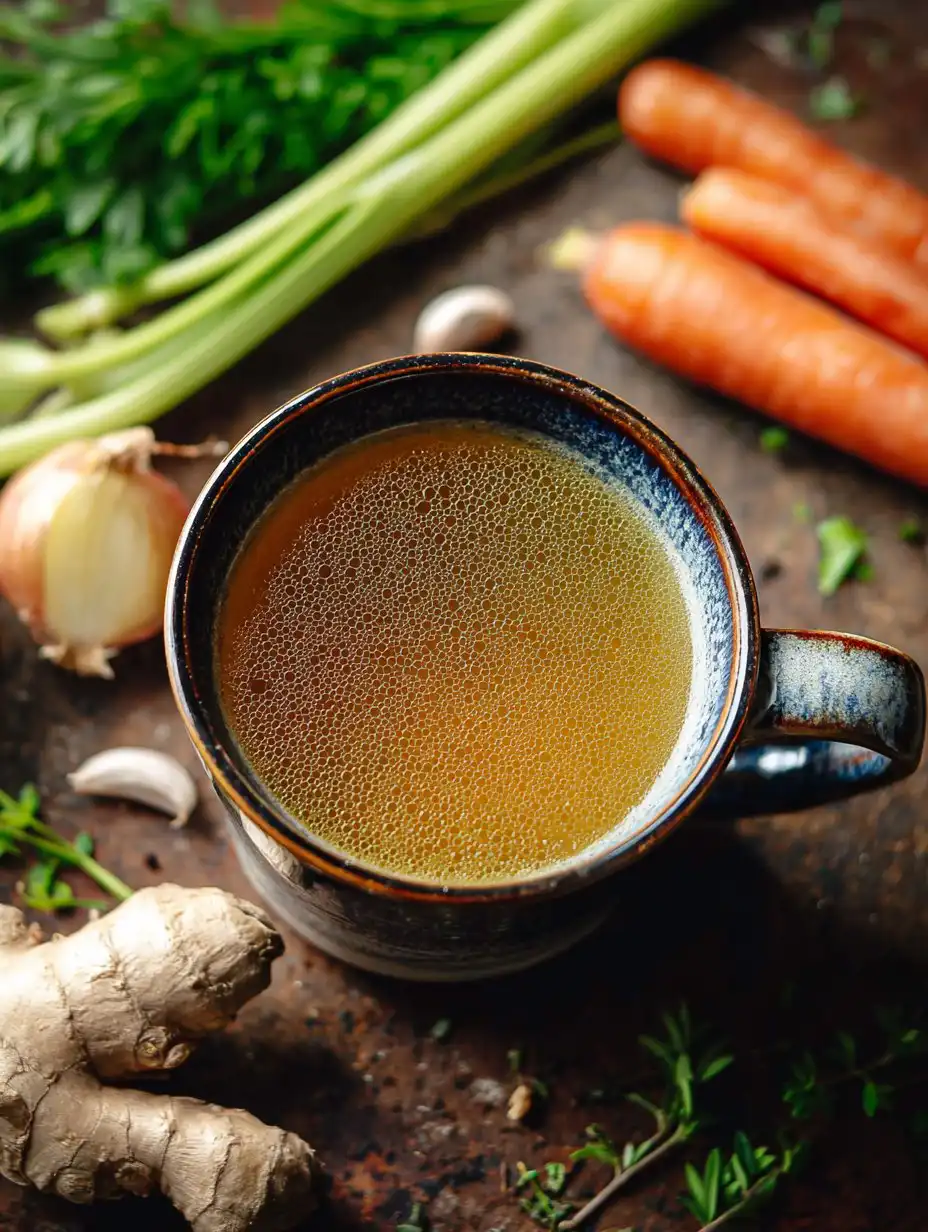
Making this broth is less of a chore and more of a ritual. As you slice through the crisp layers of a leek or crush a clove of garlic, you are participating in a process that has sustained families for generations. There is something deeply meditative about the way the water slowly takes on the deep, amber hues of the vegetables, extracting every bit of sweetness and earthiness they have to give. By the time the pot is ready to be strained, your kitchen will feel like a sanctuary, and you will have a golden elixir that is as versatile as it is comforting. Whether you sip it from a favorite mug on a quiet morning or use it as the foundation for a hearty Sunday stew, this broth is a testament to the power of home cooking.
In the pages that follow, we will explore the nuances of this humble preparation. We will talk about why certain vegetables are chosen not just for their flavor, but for the way they make us feel. We will dive into the practicalities of the kitchen—the pots, the tools, and the techniques—that make this process effortless even for the busiest of households. Most importantly, we will celebrate the joy of a homemade staple that brings health, comfort, and a sense of well-being to your table. This is more than just a recipe; it is an invitation to find peace in your kitchen and healing in your bowl.
If you love wholesome, comforting soups, you’ll also love our Detox Cabbage Turmeric Soup.
Why Make Gut-Healing Vegetable Broth
In our modern world, where convenience often comes at the cost of quality, making your own vegetable broth is a radical act of self-care. While store-bought cartons are certainly easy to grab, they often lack the depth, the freshness, and the intentionality of a home-brewed version. When you make your own broth, you are in total control of the narrative. You decide the levels of salt, the quality of the produce, and the balance of flavors. This gut-healing vegetable broth is specifically designed to be gentle, nourishing, and incredibly flavorful, making it a staple that you will find yourself reaching for time and time again.
The primary reason to make this broth is the sheer comfort it provides. There is a physiological response to smelling a pot of herbs and vegetables simmering on the stove; it signals to our brains that we are safe, cared for, and about to be fed. For anyone dealing with a sensitive stomach or simply looking to reset after a period of overindulgence, this broth acts as a soothing balm. It is light enough to be easily digested, yet rich enough in minerals and flavor to feel like a complete experience. It is the kind of food that doesn’t demand anything from you, but gives back in abundance.
Beyond the personal benefits, this broth is a lifesaver for the busy home cook. Think of it as a “culinary head start.” Having a jar of this in your refrigerator or a few containers in your freezer means that a delicious dinner is never more than fifteen minutes away. You can use it to deglaze a pan, to cook your morning grains, or to transform a few wilting greens into a gourmet soup. It turns a simple Tuesday night dinner into something that tastes like it took hours of preparation. For families, it is a way to sneak extra vegetable goodness into every meal, providing a foundation of flavor that even the pickiest eaters will enjoy. It is an investment in your future self—a gift of time and health that keeps on giving.
Finally, making this broth is a wonderful way to connect with the seasons. In the spring, you might add more green herbs and young leeks; in the winter, you might lean into the earthiness of parsnips and dried mushrooms. It teaches us to appreciate the subtle shifts in our environment and how those shifts affect the food we eat. It is a sustainable practice, too, encouraging us to use every part of the vegetable and reducing the waste of packaging. In every sense, this broth is a celebration of life, health, and the simple joy of a well-stocked kitchen.
Why You’ll Love This Gut-Healing Vegetable Broth
Cozy Flavor with Everyday Ingredients
The beauty of this recipe lies in its simplicity. You don’t need exotic spices or hard-to-find specialty items to create a broth that tastes like it came from a high-end restaurant. Instead, we rely on the “holy trinity” of aromatics—onions, carrots, and celery—to build a base of classic, nostalgic flavor. These are the workhorses of the kitchen, ingredients that most of us already have tucked away in the crisper drawer. When treated with a little heat and time, they release a complex profile of sweetness, saltiness, and savory depth that is truly remarkable.
What elevates this broth from “good” to “extraordinary” is the addition of mushrooms and leeks. Mushrooms provide that elusive “fifth taste”—a savory, meaty quality that gives the broth a satisfying “weight” without any actual meat. Leeks, on the other hand, offer a softer, more buttery onion flavor that adds a touch of elegance. Together with the earthy sweetness of a parsnip or the starchy body of a potato, these everyday ingredients harmonize to create a flavor profile that is deeply cozy. It smells like home, tastes like tradition, and feels like a warm blanket on a cold night. You’ll love how such humble components can produce such a sophisticated and comforting result.
Quick to Make, Easy to Love
We often think of “healing” foods as being complicated or time-consuming, but this broth breaks that mold. The preparation is incredibly straightforward, requiring only about fifteen minutes of active chopping. There is no need for precise, uniform cuts; a rough chop is all that’s required, as the long simmer will extract the flavors regardless of how the vegetables look. It is a forgiving process that welcomes mistakes and encourages a relaxed approach to cooking. If you have an extra carrot, throw it in. If you’re out of thyme but have plenty of parsley, the broth will still be delicious.
The cooking process itself is largely hands-off. Once the vegetables have been softened and the water added, the stove does all the heavy lifting. You can go about your afternoon—reading a book, catching up on chores, or playing with the kids—while the pot bubbles away, filling your home with its inviting scent. Because it simmers for a relatively short time compared to meat-based stocks, you don’t have to dedicate an entire day to the project. It is easy to love because it fits into a real life, providing maximum reward for minimal stress. It is the ultimate “low effort, high impact” recipe for the modern home.
Ingredients and Substitutions
What You’ll Need for This Recipe
To create a broth that is truly exceptional, it is important to understand the role each ingredient plays. While this recipe is flexible, these specific components have been chosen to create a balanced, healing, and flavorful liquid.
- 2 tablespoons olive oil: The oil serves as the conductor for flavor. By gently cooking the vegetables in oil before adding water, you help release their natural essences and create a richer mouthfeel. If you prefer a completely oil-free version, you can simply sauté the vegetables in a splash of water or broth to prevent sticking, though the final result will be slightly lighter.
- 2 large onions, roughly chopped: Onions provide the foundational sweetness and pungent depth. For those who follow a low-FODMAP diet or have very sensitive systems, you can use only the green parts of spring onions or leeks to achieve a similar flavor without the digestive distress.
- 3 carrots, chopped: Carrots are the source of the broth’s beautiful golden color and its subtle, sugary undertone. They balance the saltiness of the celery and the earthiness of the mushrooms.
- 3 stalks celery, chopped: Celery acts as a natural salt. It provides a clean, bright note that cuts through the richer flavors, ensuring the broth feels refreshing rather than heavy.
- 1 leek, white and light green parts only, sliced: Leeks add a delicate, almost creamy onion flavor. They are gentler on the palate than standard onions and add a layer of “gourmet” complexity. Again, for a low-FODMAP version, stick to the dark green tops.
- 4 cloves garlic, smashed: Garlic is the soul of the broth. Smashing the cloves rather than mincing them allows the flavor to infuse slowly without becoming bitter. If garlic doesn’t agree with you, feel free to omit it; the leeks and onions will still provide plenty of aromatic interest.
- 6–8 ounces mushrooms: Cremini or shiitake mushrooms are ideal here. They bring a deep, forest-like earthiness and a sense of “umami” that makes the broth feel hearty and complete. Even if you aren’t a fan of eating mushrooms, their contribution to the liquid is essential and subtle.
- 1 small parsnip or potato (optional): Adding a starchy vegetable like a parsnip or a potato gives the broth “body.” It makes the liquid feel slightly more substantial on the tongue, which is especially nice if you are drinking the broth on its own.
- 1–2 bay leaves: These are the “secret ingredient” that adds a faint, herbal woodiness. They provide a background note that you might not notice explicitly, but you would certainly miss if it were gone.
- 6–8 sprigs parsley and 2 sprigs thyme: Fresh herbs bring a “garden-fresh” vibrancy. Parsley adds a light peppiness, while thyme offers an earthy, floral aroma. If you only have dried herbs, use about a teaspoon of each, but fresh is always preferred for that “just-picked” flavor.
- 1 teaspoon whole black peppercorns: Using whole peppercorns instead of ground pepper allows for a slow infusion of heat. It provides a gentle warmth at the back of the throat that is incredibly soothing.
- 10 cups water: This is your canvas. While you can use a pre-made vegetable stock for even more depth, high-quality filtered water allows the flavors of your fresh vegetables to shine through most clearly.
- Sea salt to taste: Salt should always be added at the end. This allows you to control the seasoning perfectly, as the broth will concentrate slightly as it simmers. A good sea salt provides minerals and brings all the other flavors into sharp focus.
Smart Swaps for Dietary Needs
One of the best things about home cooking is the ability to tailor a recipe to your specific health requirements. This broth is naturally vegan, gluten-free, and dairy-free, making it a safe choice for almost any guest. However, there are further adjustments you can make. For a lower-sodium version, simply omit the salt entirely and rely on the natural salts in the celery and the brightness of a squeeze of fresh lemon juice added just before serving. The lemon acts as a flavor enhancer in much the same way salt does, but without the sodium.
If you are looking for an even more “gut-forward” version, you might consider adding a small piece of fresh ginger or a knob of turmeric. These aren’t traditional in a classic vegetable broth, but they offer a wonderful warmth and are very gentle on the system. If you want to add more minerals, a small strip of dried seaweed (like kombu) can be simmered with the vegetables and removed at the end. This adds a subtle oceanic depth and a boost of nutrients without changing the primary flavor profile of the broth.
Smart Variation (Optional)
Once you have mastered the basic broth, you can start to play with variations. If you want a broth that feels more like a meal, try adding a handful of hearty grains like pearled barley or farro during the last twenty minutes of simmering (though you may need to add a bit more water). For a bit of garden flair, throw in some kale stems or the outer leaves of a cabbage; these will add a slightly bitter, “green” edge that is very refreshing. You can also experiment with warm seasonings like a single star anise or a small cinnamon stick for a broth that leans into the cozy, spiced vibes of winter. The possibilities are endless, and each variation tells a different story of the season.
How to Make Gut-Healing Vegetable Broth
Step-by-Step Cooking Instructions
Step 1: Begin by selecting your largest, heaviest-bottomed pot—a Dutch oven is perfect for this. Place it over medium heat and add the two tablespoons of olive oil. Once the oil is shimmering but not smoking, add your chopped onions, carrots, celery, leeks, and mushrooms. You will immediately hear a cheerful sizzle. Use a wooden spoon to stir the vegetables, ensuring they are all lightly coated in the oil. Cook them for about 8 to 10 minutes. You aren’t looking to brown them deeply; rather, you want them to soften and become fragrant. The onions should turn translucent, and the mushrooms should begin to release their moisture, filling your kitchen with a rich, savory aroma that promises good things to come.
Step 2: Once the initial vegetables have softened, it’s time to add the “accent” flavors. Toss in the smashed garlic cloves and the chopped parsnip or potato. Stir these in and cook for just another 1 or 2 minutes. This brief period of heat “wakes up” the garlic, allowing its oils to mingle with the other vegetables without the risk of burning. You’ll notice the scent becomes more complex and pungent. If the bottom of the pot starts to look a little brown, don’t worry—that’s just concentrated flavor that will be lifted up once we add the liquid.
Step 3: Now, pour in the 10 cups of water. As the liquid hits the hot pot, it will deglaze the bottom, picking up all those delicious bits of flavor. Add your bay leaves, the sprigs of fresh parsley and thyme, and the whole black peppercorns. Give everything a good stir to make sure the herbs are submerged. Turn the heat up to high and bring the pot to a rolling boil. This initial burst of heat gets everything moving and starts the extraction process.
Step 4: As soon as the broth reaches a boil, turn the heat down to low. You want a gentle, lazy simmer—just a few bubbles breaking the surface every now and then. Leave the pot uncovered; this allows a small amount of evaporation, which slightly concentrates the flavors. Let it simmer for 30 to 40 minutes. During this time, the vegetables will surrender their colors and nutrients to the water. The liquid will transform from clear to a beautiful, translucent amber. Toward the end of the time, take a small spoon and taste the broth. This is when you add your sea salt. Start with a small pinch, stir, and taste again, repeating until the flavors “pop.”
Step 5: Once the simmering is complete, turn off the heat. Set a fine-mesh sieve over a large heat-proof bowl or another large pot. Carefully pour the contents of the pot through the sieve. The sieve will catch all the softened vegetables and herbs, leaving you with a clear, golden liquid. Take your wooden spoon and gently press down on the solids in the sieve. You want to squeeze out every last drop of that flavor-packed liquid. Once you’ve extracted all you can, you can discard the solids or, better yet, add them to your compost bin, returning them to the earth.
Step 6: Your gut-healing vegetable broth is now ready! If you plan to use it immediately, keep it warm on the stove. If you are saving it for later, let it sit on the counter for a while to cool down before transferring it to storage containers. Seeing those jars of golden broth lined up on your counter is a deeply satisfying sight—a tangible result of your time and care in the kitchen.
Tips for Texture, Timing & Tools
The tools you use can make a significant difference in your cooking experience. A heavy-bottomed pot is essential because it distributes heat evenly, preventing the vegetables at the bottom from scorching while the ones at the top stay raw. If you find your broth is too thin for your liking, you can let it simmer for an extra 15 minutes, or you can take a few of the cooked carrots and potatoes, blend them with a little broth, and stir them back in. This creates a “silky” texture that feels incredibly luxurious without the need for cream or flour.
Timing is also key. While it might be tempting to let the broth simmer for hours, vegetable broth actually reaches its peak flavor relatively quickly. If you cook it for too long (over an hour), the vegetables can start to break down too much, resulting in a broth that tastes “muddy” or overly bitter, especially if you’ve used brassicas like kale or cabbage. Stick to the 30-40 minute window for the brightest, cleanest flavor. Lastly, when straining, don’t be too aggressive with the solids. A gentle press is all you need; if you mash them through the sieve, your broth will become cloudy rather than clear.
Storage & Reheating
How to Store It Right
Proper storage is the secret to making this broth a true convenience food. Once the broth has cooled to room temperature, transfer it into airtight containers. Glass mason jars are a wonderful option because they don’t absorb odors and allow you to see exactly how much you have left. In the refrigerator, this broth will stay fresh and delicious for about 5 to 7 days. It’s a good idea to label the jars with the date so you can keep track of your supply.
For longer-term storage, the freezer is your best friend. This broth freezes beautifully for up to 3 months. If you are using glass jars to freeze, be sure to leave at least an inch of “headspace” at the top, as the liquid will expand as it turns to ice. Another great tip is to freeze some of the broth in silicone ice cube trays. Once frozen, pop the cubes into a freezer bag. These “broth cubes” are perfect for when you just need a tablespoon or two of liquid to sauté vegetables or thin out a sauce. It’s a small step that makes weeknight cooking so much smoother.
Reheating Without Losing Flavor
When it comes time to enjoy your broth, the way you reheat it matters. For the best results, pour the desired amount into a small saucepan and heat it gently over medium-low heat on the stovetop. This allows the flavors to “wake up” gradually. Avoid bringing it to a violent boil again, as this can sometimes dull the delicate herbal notes. If you are in a rush, a microwave works fine—just use a microwave-safe mug and heat in 30-second increments, stirring in between to ensure even warmth.
Sometimes, after being in the fridge or freezer, the broth might seem a little less vibrant. You can easily restore its “just-made” magic by adding a fresh squeeze of lemon juice, a few cracks of black pepper, or a sprinkle of fresh parsley. If you want to transform the broth into something creamier, try whisking in a spoonful of coconut milk or a dollop of miso paste (dissolved in a little warm broth first). These small additions can change the character of the broth to suit whatever mood you are in.
A Dish Worth Making Again and Again
There is a profound sense of security that comes from knowing your kitchen is stocked with nourishing food. Having batches of this gut-healing broth ready to go means that even on your most exhausted days, you can still provide yourself and your family with a high-quality, homemade meal. It removes the “what’s for dinner?” stress and replaces it with a sense of possibility. Whether it’s the base for a quick noodle soup or simply a warm drink to settle your stomach before bed, this broth becomes a reliable friend in the kitchen. It is a simple joy, a humble triumph, and a dish that truly is worth making again and again.

Gut-Healing Vegetable Broth
Ingredients
Method
- Heat olive oil in a large pot over medium heat. Add onions, carrots, celery, leek, and mushrooms. Cook 8–10 minutes until beginning to soften.
- Add garlic and parsnip or potato; cook 1–2 minutes.
- Pour in water, add bay leaves, herbs, and peppercorns. Bring to a boil, then reduce to a gentle simmer.
- Simmer uncovered for 30–40 minutes. Taste and add salt.
- Strain through a fine-mesh sieve. Press solids gently to extract liquid. Discard solids or save for compost.
- Cool and store or use immediately.
Notes
🍲 More Cozy Homemade Soups to Try:
- Healing Cabbage Soup – Soothing cabbage soup with immune-boosting herbs and clean garden vegetables.
- Lentil Soup with Spinach – Nutrient-rich plant protein soup featuring tender brown lentils and wilted baby greens.
(FAQs)
Can I freeze this soup for later?
Absolutely! This broth is an ideal candidate for freezing. In fact, many home cooks make a double or triple batch specifically for this purpose. As mentioned, just ensure you leave enough space in your container for the liquid to expand. When you’re ready to use it, you can thaw it overnight in the refrigerator or simply pop the frozen block directly into a pot over low heat. It’s one of the best ways to ensure you always have a healthy, comforting option on hand, no matter how busy life gets.
How can I adjust the thickness or creaminess?
While this is a clear broth by nature, you can easily adjust its body. For a thicker, more “velvety” feel, include a larger potato or even a small sweet potato in the simmering stage. After straining, you can take that cooked potato, blend it with a cup of the broth, and stir it back into the main pot. This adds a lovely thickness without changing the flavor too much. For creaminess without dairy, a splash of full-fat coconut milk or a tablespoon of cashew butter whisked in at the end provides a rich, indulgent texture that is still very gentle on the gut.
Can I make this soup in a slow cooker or pressure cooker?
Yes, both are great options. In a slow cooker, you can set it on low for 4 to 6 hours. This is a “set it and forget it” method that results in a very deep, mellow flavor. In a pressure cooker, you can achieve a similar depth in just about 15 minutes of high pressure. When using a pressure cooker, be careful not to overfill it, and allow for a natural pressure release to keep the broth clear. Both methods are excellent for busy schedules and produce a broth that is just as healing and delicious as the stovetop version.
What are the best side dishes to serve alongside?
This broth is wonderful on its own, but it also loves company. For a truly comforting experience, serve it with a thick slice of warm, crusty artisan sourdough bread—perfect for dipping and soaking up every drop. A crisp green salad with a light lemon vinaigrette provides a refreshing contrast to the warm, savory broth. If you’re looking for something more substantial, roasted root vegetables like beets or squash make for a hearty, grounded pairing. And for a cozy drink on the side, a mug of warm, spiced apple cider is the perfect finishing touch to a wholesome, healing meal.
Final Thoughts
As you pour your first bowl of this golden, aromatic broth, I hope you take a moment to appreciate the simple beauty of what you’ve created. In a world that often feels complicated, there is something profoundly grounding about a meal made from the basic elements of earth, water, and heat. This broth is more than just a collection of vegetables; it is a vessel for warmth, a tool for healing, and a source of genuine comfort. It is a reminder that the best things in life don’t have to be expensive or elaborate—they just have to be made with a little bit of time and a lot of heart.
I encourage you to make this recipe your own. Let it change with the seasons, let it adapt to your family’s tastes, and let it be a constant source of nourishment in your home. Whether you are sharing it with loved ones around a crowded table or enjoying a quiet moment of reflection with a steaming mug in your hands, may this broth bring you the peace and well-being you deserve. Happy cooking, and may your kitchen always be a place of health, joy, and delicious aromas.
Gut-Healing Vegetable Broth
Ingredients
Method
- Heat olive oil in a large pot over medium heat. Add onions, carrots, celery, leek, and mushrooms. Cook 8–10 minutes until beginning to soften.
- Add garlic and parsnip or potato; cook 1–2 minutes.
- Pour in water, add bay leaves, herbs, and peppercorns. Bring to a boil, then reduce to a gentle simmer.
- Simmer uncovered for 30–40 minutes. Taste and add salt.
- Strain through a fine-mesh sieve. Press solids gently to extract liquid. Discard solids or save for compost.
- Cool and store or use immediately.




1 thought on “Gut-Healing Vegetable Broth”