
Imagine, for a moment, a kitchen filled with the soft, amber glow of a late afternoon sun. The air is thick with the scent of something deeply nourishing, a fragrance that promises not just a meal, but a restorative experience. There is a specific kind of magic that happens when a pot of soup begins to simmer on the stove; it is the ultimate culinary embrace. As the steam rises and curls against the windowpane, it carries with it the sharp, clean zing of fresh ginger and the earthy, grounded aroma of turmeric. This is not just any soup; this is a vessel of liquid gold, a tonic designed to soothe the soul and revitalize the body from the inside out.
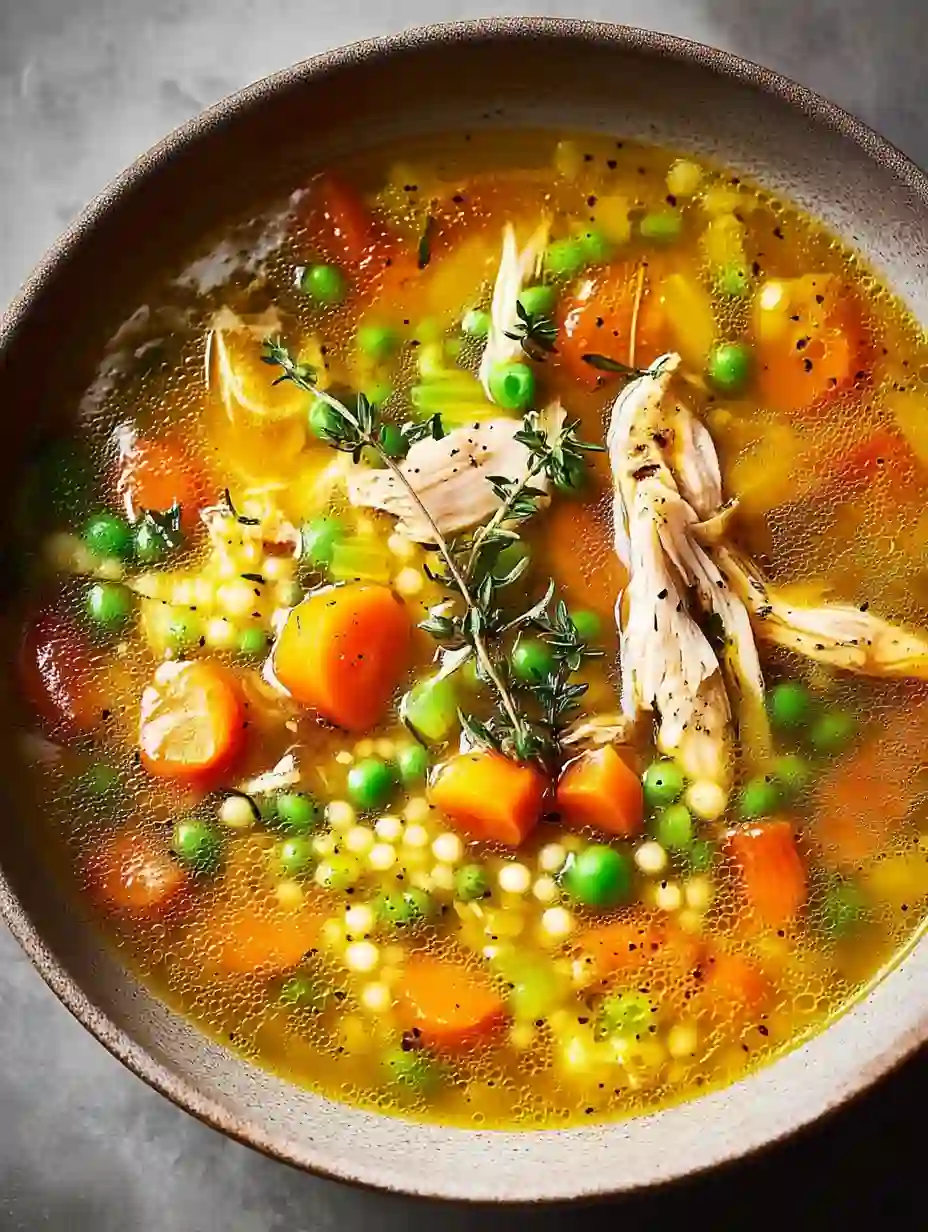
When you lift the lid of the heavy-bottomed pot, you are greeted by a vibrant, sun-drenched broth that looks as though it has captured the very essence of summer, even if it is the middle of a biting winter. The golden hue, provided by the generous addition of turmeric, is visually striking, promising a depth of flavor that is both complex and comforting. Floating within this radiant liquid are tender morsels of shredded chicken, bright orange rounds of carrots, and the translucent, sweet ribbons of sautéed onions. It is a landscape of textures and colors that invites you to slow down, take a seat, and savor every spoonful.
The first sip is a revelation. It begins with the familiar, savory warmth of a well-crafted chicken broth, but quickly evolves as the ginger dances on the back of your palate, providing a gentle, warming heat that clears the senses. The turmeric adds a subtle, musky undertone that grounds the brightness of the ginger, while a final squeeze of fresh lemon juice cuts through the richness, lifting the entire dish into a realm of culinary brightness. It is a balance of elements—heat, earth, salt, and acid—that works in perfect harmony to create a dish that feels both ancient and entirely new.
For the home cook, this recipe represents the pinnacle of “slow-fast” cooking. While the flavors suggest a pot that has been bubbling away for half a day, the reality is a streamlined process that respects your time without sacrificing quality. It is a recipe that honors the ingredients, allowing their natural properties to shine through minimal intervention. Whether you are seeking a remedy for a seasonal sniffle, a cozy dinner for a rainy evening, or simply a way to use up the last of a Sunday roast chicken, this Ginger Turmeric Chicken Soup is a cornerstone of the domestic kitchen—a reliable, delicious, and beautiful staple that you will return to time and time again.
Why You Will Love This Ginger Turmeric Chicken Soup
The Ultimate Comfort Food with a Modern Twist
Chicken soup has long been heralded as the “universal healer” across cultures and generations. From the classic Jewish penicillin to the spicy, herb-laden broths of Southeast Asia, there is something inherently soothing about the combination of poultry and vegetables. This version takes that timeless foundation and elevates it with the addition of ginger and turmeric. It provides that same nostalgic comfort we all crave but adds a sophisticated layer of flavor that feels modern and vibrant. It is comfort food that doesn’t leave you feeling heavy, but rather energized and refreshed.
A Nutritional Powerhouse in a Bowl
While we focus primarily on the culinary delights of this dish, it is impossible to ignore the incredible benefits of its core ingredients. Ginger and turmeric have been used for centuries in various traditional practices for their warming and invigorating properties. Turmeric, with its active compound curcumin, is famous for its vibrant color and its role in supporting overall well-being. Ginger is well-known for its ability to settle the stomach and provide a gentle heat that helps clear the head. When combined with the protein from the chicken and the vitamins from the mirepoix (onions, carrots, and celery), you have a meal that is as functional as it is flavorful.
Versatility and Adaptability
One of the greatest strengths of this recipe is its flexibility. It serves as a perfect “clean-out-the-fridge” meal. Do you have half a bag of spinach that needs using? Toss it in at the end. Do you have some leftover rice or a handful of small pasta shapes? They fit right in. This soup can be a light, brothy appetizer or, with the addition of noodles or grains, a hearty main course that can satisfy the hungriest of families. It is a recipe that grows with your needs, making it an essential tool in any home cook’s repertoire.
Visual Appeal and Sensory Experience
We eat with our eyes first, and this soup is a showstopper. The turmeric stains the broth a magnificent, glowing yellow-gold that looks stunning in a white ceramic bowl. The contrast of the green parsley or cilantro garnish against the golden liquid is restaurant-quality. Furthermore, the process of making the soup is a sensory delight—the sound of the vegetables sizzling in olive oil, the transformation of the aroma as you add the garlic and spices, and the satisfying steam that fills the room. It is a cooking experience that is just as rewarding as the eating experience.
Key Ingredients and Flavor Dynamics
The Foundation: Olive Oil and the Mirepoix
Every great soup begins with a strong foundation, and here that foundation is built on the classic trio of onion, carrot, and celery, sautéed in high-quality olive oil. The choice of olive oil is important; you want a oil that is fruity and fresh, as it will lend a subtle richness to the base of the soup. The onion provides a necessary sweetness and depth, while the carrots add both color and a gentle, earthy sugar. Celery, often the unsung hero of the kitchen, provides a savory, slightly salty backbone that rounds out the flavor profile. Sautéing these vegetables until they are soft and translucent—rather than browned—ensures a clean, bright flavor that doesn’t compete with the spices to come.
The Aromatics: Ginger and Garlic
Ginger is the heartbeat of this soup. When using fresh ginger, you are introducing a complex flavor profile that is simultaneously spicy, woody, and citrusy. Grating the ginger is the best method, as it releases the essential oils and juices, ensuring that the flavor is distributed evenly throughout the broth. If you must use ground ginger, it provides a more muted, warm heat, but fresh is always the gold standard here. Garlic, the close companion to ginger, adds a pungent, savory layer that deepens the overall complexity. Together, they create an aromatic base that is both stimulating and deeply satisfying.
The Star: Turmeric
Turmeric is what gives this soup its iconic “golden” identity. Whether you use the fresh root or the dried powder, turmeric offers a flavor that is uniquely earthy and slightly bitter, which perfectly balances the sweetness of the carrots and the zing of the ginger. If you are using fresh turmeric, be prepared for its intense coloring power—it will stain fingers and wooden spoons, but the flavor is remarkably floral and bright. The ground version is more convenient and provides a more concentrated color. A little goes a long way, and its presence is what transforms a standard chicken soup into something truly extraordinary.
The Liquid Gold: Chicken Broth
The quality of your broth will dictate the quality of your soup. A homemade chicken stock, simmered with bones and aromatics, will provide a rich, gelatinous mouthfeel and a deep, nuanced flavor. However, a high-quality, low-sodium store-bought broth is an excellent and practical alternative. Using low-sodium broth is a professional tip that allows you, the cook, to control the final seasoning perfectly. The broth acts as the canvas upon which all other flavors are painted, so choose one that tastes good on its own.
The Substance: Shredded Chicken
This recipe is a fantastic way to utilize leftover roasted chicken or a store-bought rotisserie chicken. Shredding the chicken by hand results in irregular, rustic pieces that hold onto the broth better than neat cubes. The chicken provides the essential protein and heartiness that turns the soup into a meal. Because the chicken is already cooked, it only needs to spend a few minutes in the simmering broth to absorb the flavors of the ginger and turmeric, ensuring that the meat remains tender and succulent rather than overcooked and rubbery.
The Brightness: Lemon and Seasoning
If the broth is the canvas and the spices are the paint, then lemon juice is the light that makes the painting pop. A squeeze of fresh lemon juice at the very end of the cooking process is crucial. The acidity cuts through the fat of the broth and the earthiness of the turmeric, highlighting the individual flavors and making them “sing.” Salt and black pepper are the final touches. Black pepper, in particular, is a natural partner for turmeric, as it is often said to help the body absorb the benefits of the turmeric more effectively, while also providing a subtle, biting heat.
Step-by-Step Cooking Guide and Culinary Techniques
Step 1: Sautéing the Aromatics and Vegetables
Begin by placing your large pot or Dutch oven over medium heat. Add the tablespoon of olive oil, allowing it to shimmer but not smoke. Once the oil is warm, add your diced onion, sliced carrots, and sliced celery. This is the stage where you are building the “soul” of the soup. Use a wooden spoon to stir the vegetables occasionally. You are looking for them to become soft and the onions to turn a beautiful translucent color. This usually takes about 5 to 7 minutes. The goal here is “sweating” the vegetables, not browning them. Sweating draws out the moisture and concentrates the natural sugars, creating a sweet, savory base that will support the more aggressive flavors of ginger and turmeric later on.
Step 2: Blooming the Spices and Garlic
Once the vegetables are tender, create a small well in the center of the pot. Add your grated ginger, turmeric, and minced garlic. This is a critical culinary technique known as “blooming.” By cooking the spices in the warm oil for just about 60 seconds, you are waking up the fat-soluble flavor compounds within them. You will notice the aroma in your kitchen change instantly—it will become intensely fragrant, spicy, and warm. Be careful not to let the garlic brown or burn, as burnt garlic can introduce a bitter flavor that is difficult to mask. This one minute of focused cooking is what separates a good soup from a truly great one.
Step 3: Simmering the Broth and Adding the Chicken
Slowly pour in the four cups of chicken broth. As the liquid hits the hot pot, use your spoon to scrape up any bits that may have stuck to the bottom; these bits are packed with concentrated flavor. Bring the mixture to a gentle simmer. You want to see small, consistent bubbles breaking the surface, but not a violent, rolling boil. Once simmering, add your two cups of shredded cooked chicken. Let everything cook together for about 8 to 10 minutes. This “marriage” period allows the chicken to soak up the golden broth and the flavors of the ginger and turmeric to permeate every element in the pot. It is a short wait, but it is essential for a cohesive final dish.
Step 4: The Final Seasoning and Artistic Flourish
Now comes the most important part: the “tasting and adjusting” phase. Turn off the heat and stir in the juice of half a lemon. Taste the broth. Does it need more salt to bring out the savoriness? Does it need more black pepper for a bit of a kick? Perhaps another squeeze of lemon if it feels too heavy? This is where you use your intuition as a cook. Once you are satisfied with the flavor, ladle the soup into bowls. Garnish generously with fresh parsley or cilantro. The herbs add a burst of green color and a fresh, grassy note that complements the earthy spices perfectly. If you are serving the soup with rice or noodles, place a portion of the cooked grains in the bottom of the bowl before ladling the hot soup over them.
Mastering the Simmer
One of the most important techniques in soup making is controlling the heat. A simmer is a gentle, low-energy boil. When you simmer a soup, you are allowing the ingredients to cook evenly without breaking them apart. A hard boil can cause the chicken to become tough and the vegetables to turn into mush. By keeping the heat low and steady, you ensure that the broth remains relatively clear and the textures remain distinct. It is a practice in patience that yields a much more refined result.
The Art of Shredding Chicken
If you are using a whole rotisserie chicken, wait until it is cool enough to handle but still slightly warm. Use your fingers to pull the meat away from the bones in long, natural strips. This technique is superior to using a knife because it follows the natural grain of the muscle, resulting in a better texture. Don’t be afraid to include a mix of white and dark meat; the dark meat provides a richer flavor and a more succulent mouthfeel, which works beautifully in a brothy soup like this one.
Variations, Make-Ahead Strategies, and Storage
Creative Variations to Suit Your Palate
While the base recipe is spectacular, there are endless ways to customize this soup. For a creamy, tropical twist, replace one cup of the chicken broth with a cup of full-fat coconut milk. This creates a “Golden Milk” style soup that is incredibly rich and velvety. If you want to add more greens, stir in a few handfuls of baby spinach or chopped kale during the last two minutes of simmering; the heat of the broth will wilt them perfectly. For those who enjoy a bit of texture and crunch, top the soup with toasted pumpkin seeds or a drizzle of chili oil for an extra layer of heat and complexity.
Adding Grains and Noodles
To turn this soup into a more substantial meal, you can add various starches. If you choose to add noodles (like orzo, rotini, or even broken spaghetti), it is often best to cook them separately and add them to the individual bowls. Cooking noodles directly in the soup can cause them to absorb too much broth and release excess starch, which can make the soup cloudy and thick. The same applies to rice or quinoa. However, if you are planning on eating the soup immediately and don’t mind a thicker consistency, you can drop the noodles directly into the simmering broth during Step 3.
The Make-Ahead Advantage
This Ginger Turmeric Chicken Soup is a “meal prepper’s” dream. Like many stews and soups, the flavors actually improve after a day or two in the refrigerator as the spices continue to meld and develop. You can easily double the recipe and have lunch or dinner ready for the entire week. If you are making it ahead of time, consider under-seasoning slightly with the lemon and salt, then doing the final adjustment when you reheat it to ensure the flavors remain bright and fresh.
Storage and Freezing Tips
To store, allow the soup to cool completely to room temperature before transferring it to airtight containers. It will keep beautifully in the refrigerator for up to 4 days. If you wish to freeze the soup, it freezes exceptionally well for up to 3 months. Pro tip: freeze the soup without any added noodles or rice, as these can become mushy when thawed. When you are ready to eat, thaw the soup overnight in the refrigerator and reheat it gently on the stove. If the soup has thickened too much during storage, simply add a splash of water or extra broth to bring it back to your desired consistency.
Serving Suggestions for a Complete Meal
While this soup is a star on its own, it pairs wonderfully with a variety of sides. A thick slice of artisanal sourdough bread, toasted and slathered with salted butter, is the perfect tool for soaking up the last drops of golden broth. A crisp, fresh garden salad with a light vinaigrette provides a nice textural contrast to the warm, soft soup. For a cooling element, a dollop of plain Greek yogurt or a swirl of coconut cream on top of the soup can balance the warmth of the ginger. These additions turn a simple bowl of soup into a well-rounded, gourmet dining experience.

Ginger Turmeric Chicken Soup
Ingredients
Method
- Heat olive oil in a large pot over medium heat. Add onion, carrots, and celery. Cook for 5–7 minutes until softened.
- Stir in ginger, turmeric, and garlic; cook for 1 minute until fragrant.
- Pour in chicken broth and bring to a simmer. Add shredded chicken. Simmer for 8–10 minutes to meld flavors.
- Adjust seasoning with lemon juice, salt, and pepper. Serve with chopped parsley or cilantro.
Notes
🍲 More Cozy Homemade Soups to Try:
- Anti-Inflammatory Creamy Chicken Soup – restorative golden chicken soup featuring healing turmeric and warming ginger
- Gut-Healing Vegetable Broth – deeply restorative mineral broth packed with wholesome botanical goodness
(FAQs)
Can I use ground ginger and turmeric if I don’t have fresh?
Absolutely! While fresh ginger and turmeric offer a more vibrant and nuanced flavor, the ground versions are excellent substitutes and are often more convenient. Use 1 teaspoon of ground ginger for every 1-2 inches of fresh, and 1 teaspoon of ground turmeric for 1 tablespoon of fresh. The ground spices are more concentrated, so they will still provide that beautiful golden color and warming flavor. Just remember to bloom them in the oil as described in Step 2 to maximize their potential.
Is this soup spicy?
The “heat” in this soup comes from the ginger and the black pepper, rather than from chili peppers. It is a warming, internal heat rather than a mouth-burning spiciness. If you are sensitive to ginger, you can start with a smaller amount and add more to taste. Conversely, if you love spice, you can increase the ginger or add a pinch of red pepper flakes during the sautéing stage to give it an extra kick.
How do I prevent the turmeric from staining my kitchen?
Turmeric is a powerful natural dye. To avoid staining, use stainless steel or glass bowls and utensils rather than plastic or unfinished wood. If you do get turmeric on your countertops, a paste of baking soda and water usually does a great job of lifting the stain. When grating fresh turmeric, you might want to wear gloves to keep your fingertips from turning yellow, though the color usually fades from skin after a day or two of regular hand washing.
Can I make this recipe vegan or vegetarian?
Yes, this recipe is very easy to adapt. Simply swap the chicken broth for a high-quality vegetable broth and replace the shredded chicken with a plant-based protein. Chickpeas are a fantastic option, as they hold their shape well and absorb the flavors of the ginger and turmeric beautifully. You could also use cubed firm tofu or even a variety of mushrooms like shiitake or oyster for a more “meaty” texture. The flavor profile of ginger, turmeric, and lemon works wonderfully with plant-based ingredients.
Why does my soup taste a bit bland?
If your soup feels like it’s “missing something,” it is usually a matter of salt or acid. Salt doesn’t just make things salty; it acts as a flavor enhancer that unlocks the other ingredients. Add a pinch more salt and taste again. If it still feels dull, add another squeeze of lemon juice. The acid in the lemon is often the “secret ingredient” that brings all the other flavors into focus. Also, ensure you didn’t skip the “blooming” step, as that is where much of the depth of flavor is generated.
What is the best way to reheat the soup?
The best way to reheat this soup is on the stovetop over medium-low heat. This allows it to warm through evenly without overcooking the vegetables or the chicken. If you use a microwave, heat it in short intervals and stir in between to ensure there are no cold spots. If you have stored the soup with noodles or rice, you may find that they have absorbed much of the liquid; simply add a splash of broth or water to loosen it up as it heats.
Can I add other vegetables to this soup?
Certainly! This is a very forgiving recipe. Bell peppers, zucchini, or even diced sweet potatoes would be lovely additions. Just keep in mind the cooking times for different vegetables. Harder vegetables like sweet potatoes should be added at the beginning with the carrots, while softer vegetables like zucchini should be added closer to the end of the simmering process so they don’t become too soft. The key is to maintain a variety of textures in every spoonful.
Why is black pepper often mentioned with turmeric?
In the culinary world, black pepper and turmeric are a classic pairing because the sharp, biting flavor of the pepper cuts through the earthy, almost musky notes of the turmeric. Beyond flavor, many people include black pepper because it contains a compound called piperine. When you enjoy turmeric and black pepper together, it is widely believed that the piperine helps your body make the most of the turmeric. It’s a perfect example of how ingredients can work together in harmony both for taste and for the overall experience of the meal.
By following these detailed steps and understanding the dynamics of the ingredients, you are well on your way to creating a Ginger Turmeric Chicken Soup that is much more than just a meal. It is a warm, golden sanctuary in a bowl, a testament to the power of simple ingredients treated with care and respect. Whether you are a seasoned chef or a novice in the kitchen, this soup will empower you to bring a touch of culinary brilliance to your table. So, put on your apron, gather your ingredients, and let the golden transformation begin.
Ginger Turmeric Chicken Soup
Ingredients
Method
- Heat olive oil in a large pot over medium heat. Add onion, carrots, and celery. Cook for 5–7 minutes until softened.
- Stir in ginger, turmeric, and garlic; cook for 1 minute until fragrant.
- Pour in chicken broth and bring to a simmer. Add shredded chicken. Simmer for 8–10 minutes to meld flavors.
- Adjust seasoning with lemon juice, salt, and pepper. Serve with chopped parsley or cilantro.


1 thought on “Ginger Turmeric Chicken Soup”