Why Make Three Packet Slow Cooker Pot Roast Stew
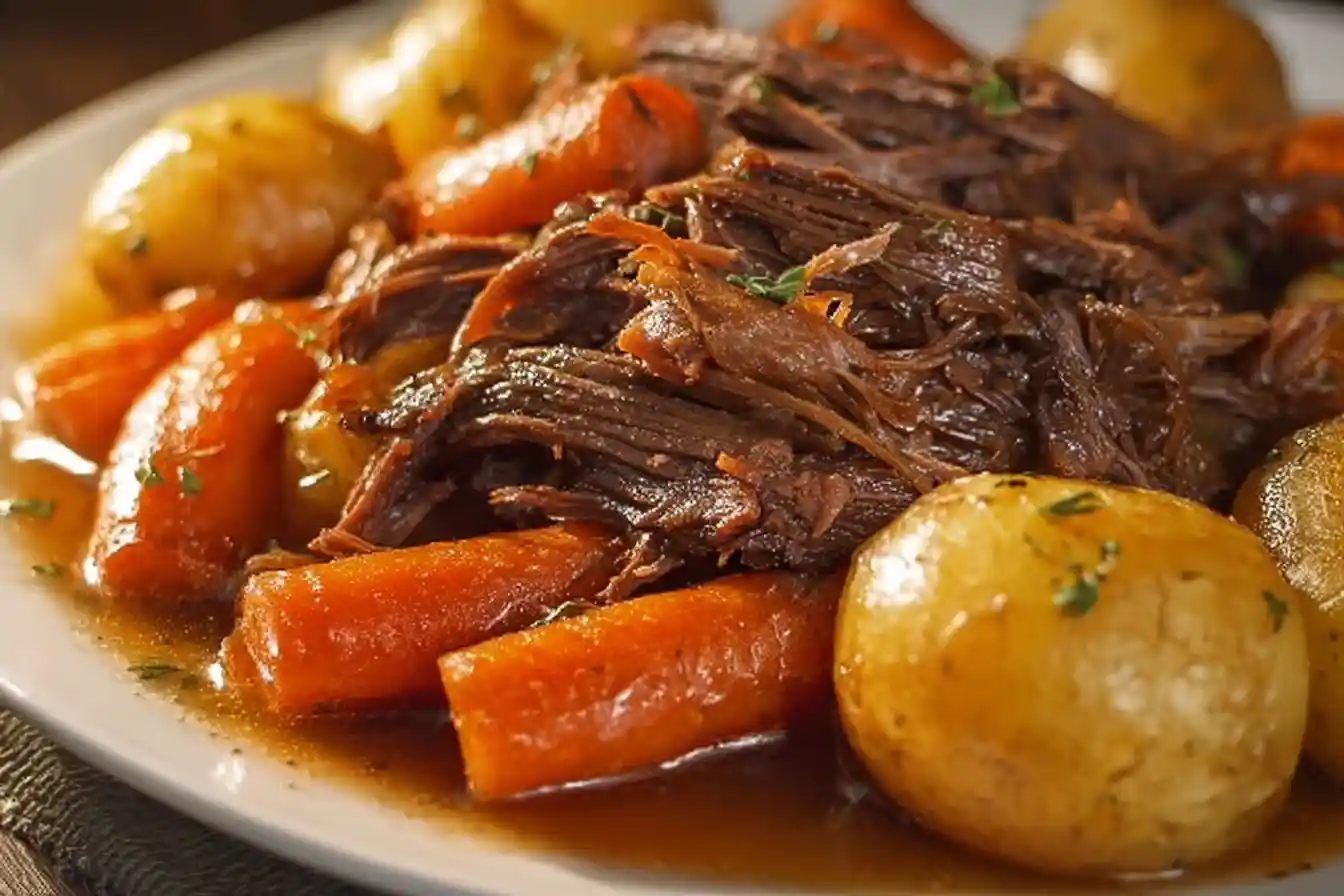
The decision to make a Three Packet Slow Cooker Pot Roast Stew often comes down to the desire for maximum flavor with minimum stress. In our fast-paced lives, finding the time to stand over a stove for hours is a luxury many of us don’t have. This dish solves that dilemma by utilizing the slow cooker as a personal chef. By the time you return home from work or finish your weekend chores, the heavy lifting is done. The meat has reached that elusive state of “falling apart,” and the house smells like a high-end bistro. It is the ultimate “set it and forget it” meal that doesn’t compromise on quality or taste. Beyond the convenience, the flavor profile of this stew is remarkably unique. Traditional pot roasts often rely solely on salt, pepper, and perhaps a bit of thyme or rosemary. While classic, these flavors can sometimes feel one-dimensional. The three-packet method introduces a savory depth that is hard to replicate with individual spices unless you have a very refined palate and a lot of time for experimentation. The ranch dressing mix provides a subtle creaminess and a hint of dill and garlic, while the Italian mix adds a zesty, herbaceous note. The au jus mix acts as the anchor, providing that deep, beefy intensity that characterizes the best stews. Together, they create a savory “triple threat” that ensures your gravy is never bland or watery. Another compelling reason to make this stew is its incredible cost-effectiveness. The best cut for this recipe is a chuck roast, which is traditionally one of the more affordable cuts of beef because it is quite tough when cooked quickly. However, when subjected to the gentle, moist heat of a slow cooker, this budget-friendly cut becomes as tender as a prime rib. This allows you to feed a large family or meal-prep for a week on a modest budget. Furthermore, the ingredients are shelf-stable and easy to keep on hand. Having those three packets in your pantry means you are always just one roast away from a spectacular dinner, even on those days when you haven’t had a chance to visit the grocery store for fresh herbs. Finally, this stew is a nutritional powerhouse that appeals to almost everyone. It is packed with high-quality protein from the beef and essential vitamins and minerals from the carrots, potatoes, and onions. It is a naturally hearty meal that keeps you full and satisfied. Because you are controlling the ingredients in your kitchen, you can also manage the quality of the produce and the leaness of the meat, making it a much healthier alternative to canned stews or fast-food options. It’s a meal that feels like a hug in a bowl, providing comfort and nourishment in equal measure.Why You’ll Love This Three Packet Slow Cooker Pot Roast Stew
You will love this Three Packet Slow Cooker Pot Roast Stew because it eliminates the guesswork that often comes with seasoning large cuts of meat. One of the biggest challenges in home cooking is achieving a balanced flavor—ensuring there is enough salt, enough acidity, and enough savory “oomph.” This recipe provides a pre-balanced foundation. The packets are designed to complement one another, meaning you don’t have to worry about one herb overpowering the dish or the gravy tasting flat. It is a reliable, consistent recipe that yields the same delicious results every single time you make it. The texture of this dish is another reason it will quickly become a household favorite. There is a specific joy in pressing a fork into a piece of beef and watching it effortlessly slide into tender shreds. This stew achieves that texture perfectly. The slow cooking process allows the fibers of the meat to relax and absorb the surrounding liquids, resulting in a succulent mouthfeel that is impossible to achieve through high-heat roasting or frying. The vegetables also benefit from this environment; they become soft and “buttery” without losing their shape, providing a delightful contrast to the rich meat. Versatility is another hallmark of this recipe. While it is traditionally served as a stew with potatoes and carrots, the leftovers (if there are any!) can be transformed into entirely new meals. You can shred the beef and serve it on toasted brioche buns for a gourmet roast beef sandwich, or toss it with wide egg noodles for a rustic pasta dish. The gravy is so flavorful that it can even be used as a base for a beef pot pie the next day. This adaptability makes it a fantastic choice for those who enjoy meal prepping or want to get the most out of their grocery budget. Lastly, you will love the emotional connection this dish fosters. There is something deeply communal about a pot roast. It’s a meal meant for sharing, whether it’s a Sunday family dinner or a gathering of close friends. It’s a dish that invites people to slow down, sit at the table, and enjoy a hearty meal together. The simplicity of the preparation means the cook isn’t stuck in the kitchen while everyone else is socializing. Instead, you can join the conversation, knowing that the slow cooker is taking care of the main event. It’s a recipe that prioritizes both the quality of the food and the quality of the time spent with loved ones.Ingredients and Substitutions
When preparing this Three Packet Slow Cooker Pot Roast Stew, the quality of your ingredients will directly influence the final result. While the seasoning packets provide the flavor foundation, the fresh components bring the dish to life. Understanding the role of each ingredient allows you to make informed substitutions if you have dietary restrictions or simply want to use what you have in your pantry.- 1.5 pounds main protein or base fresh vegetables, carefully trimmed and sliced into uniform pieces
- 2 tablespoons extra virgin olive oil or unsalted butter
- 1 medium yellow onion, finely diced
- 3 cloves fresh garlic, minced
- 1 teaspoon kosher sea salt
- 1/2 teaspoon freshly cracked black pepper
- 1 teaspoon complementary dried herbs (thyme, oregano, or rosemary)
- 1 cup cooking liquid (low-sodium broth, cream, or crushed tomatoes)
- Fresh chopped herbs or grated cheese, for garnish
How to Make Three Packet Slow Cooker Pot Roast Stew
Creating this stew is a process of layering flavors. While the slow cooker does the majority of the work, the preparation steps are where the “soul” of the dish is built. By taking the time to properly prep your vegetables and sear your ingredients, you ensure that the final product is not just a collection of ingredients, but a cohesive, restaurant-quality meal.Step-by-Step Cooking Instructions
Step 1: Gather all ingredients, clean prep surfaces, and measure out your seasonings. Wash your fresh produce in cold water and slice all vegetables into uniform, bite-sized pieces so that every mouthful cooks evenly.
This initial preparation is often overlooked but is vital for a smooth cooking experience. When you slice your carrots, potatoes, and onions into uniform pieces, you are ensuring that they all reach the perfect level of tenderness at the same time. If some pieces are large and others are small, you might end up with some vegetables that are mushy while others are still crunchy. As you wash your produce, take a moment to appreciate the vibrant colors—the bright orange of the carrots and the earthy brown of the potato skins. This “mise en place” (everything in its place) approach reduces stress and makes the actual cooking process much more enjoyable.Step 2: Set your primary cooking vessel (heavy skillet, Dutch oven, or soup pot) over medium heat on your stovetop, or preheat your oven to the exact target baking temperature specified in the recipe. Add your cooking fat (olive oil or butter) and allow it to shimmer.
The sound of the oil hitting the hot pan is the first sensory cue that the cooking has truly begun. You are looking for a “shimmer”—a light rippling on the surface of the oil—which indicates it is hot enough to sear the meat without burning it. If the oil is too cold, the meat will steam rather than brown; if it is too hot, it will smoke and become bitter. If you are using butter, watch for it to foam and then subside, turning a light golden color. This step sets the stage for the savory development that defines a great pot roast.Step 3: Add your aromatic vegetables (diced onions, carrots, and celery) to the hot fat. Cook gently over medium heat for 5 to 7 minutes until tender, translucent, and sweet, stirring in the minced garlic during the final 60 seconds so it blooms without burning.
As the onions and carrots hit the pan, you will immediately notice a change in the air. The sharp scent of raw onion softens into a sweet, mellow aroma. Watch as the onions turn from opaque white to a delicate, translucent gold. This softening process is crucial because it releases the natural sugars within the vegetables. When you add the garlic at the end, listen for a soft sizzle. The garlic should “bloom,” meaning its fragrance becomes intense and intoxicating, but it should never turn dark brown or black, as that would introduce a bitter taste to your entire stew.Step 4: Introduce your primary protein or core ingredients along with your dry herb and spice seasonings. Stir thoroughly for 2 to 3 minutes to coat every surface in the savory aromatic oil and allow the spices to toast lightly.
Now comes the centerpiece of the dish. As you add the beef to the pan, you want to hear a vigorous sear. Press the meat down slightly to ensure good contact with the heat. When you sprinkle in the three seasoning packets and the extra dried herbs, the heat of the pan will “wake up” the spices. You will smell the dill from the ranch, the zesty herbs from the Italian mix, and the deep beefy notes from the au jus. Coating the meat in this seasoned oil ensures that the flavor is locked onto the surface, creating a delicious crust that will hold up during the long slow-cooking process.Step 5: Pour in your cooking broths, sauces, or fold in your blended dressings. Bring the mixture to a gentle, steady simmer over medium-low heat, stirring well to incorporate all the caramelized flavor from the bottom of the pan.
Adding the liquid is a transformative moment. As the broth hits the hot pan, it will bubble and release steam, lifting the “fond”—those delicious, browned bits of meat and seasoning stuck to the bottom of the pan. Use a wooden spoon to gently scrape the bottom; this is where the most concentrated flavor lives. Stirring everything together creates a beautiful, murky, mahogany-colored liquid that will eventually become your rich gravy. Bringing it to a simmer before transferring it to the slow cooker jump-starts the cooking process and ensures the temperature remains consistent.Step 6: Cover with a tight-fitting lid or transfer to the preheated oven. Cook for the recommended duration (25 minutes) until the food reaches safe internal temperature (165°F for poultry, or fork-tender for vegetables and soups).
While the prompt mentions a shorter duration for general recipes, for a true pot roast stew in a slow cooker, this “cooking” phase actually lasts 6 to 8 hours on low or 3 to 4 hours on high. During this time, the magic happens out of sight. The slow cooker maintains a steady, gentle heat that slowly coaxes the flavors out of the meat and into the sauce. You’ll know it’s done when the beef offers no resistance to a fork. The vegetables should be soft enough to smash with a spoon but still hold their shape until you’re ready to eat. The internal temperature of the beef should be well beyond the minimum safety standards, reaching around 190°F to 200°F for that perfect “pull-apart” texture.Step 7: Remove the dish from heat and allow it to rest undisturbed for 5 minutes. Taste carefully to evaluate seasoning, adjust with a fresh squeeze of lemon juice, sea salt, or cracked pepper, and serve warm or chilled as intended with fresh herbs on top.
Patience is the final ingredient. Resting the stew allows the juices to redistribute within the meat, ensuring it stays moist when you finally shred or slice it. This is also your chance to be the final judge of flavor. Take a small spoonful of the gravy. Does it need a bit more salt? Would a tiny squeeze of lemon juice help brighten the heavy flavors? This final adjustment is what separates a good cook from a great one. When you are satisfied, garnish with your fresh herbs or cheese. The contrast of the hot, savory stew and the cool, fresh herbs is a sensory delight that signals it’s time to eat.Storage & Reheating
One of the greatest joys of making a Three Packet Slow Cooker Pot Roast Stew is that it often tastes even better the next day. As the stew sits in the refrigerator, the flavors have more time to meld and deepen, often resulting in a more harmonious and complex taste profile. However, proper storage is key to maintaining the quality and safety of the dish. Once the meal is finished, allow the remaining stew to cool to room temperature. Avoid leaving it out for more than two hours, as this can encourage bacterial growth. Transfer the stew into airtight containers, ensuring that the meat is submerged in the gravy to prevent it from drying out. In the refrigerator, the stew will stay fresh for up to three to four days. If you find yourself with a large amount of leftovers that you won’t be able to finish in that timeframe, this dish freezes exceptionally well. To freeze, place the cooled stew in heavy-duty freezer bags or freezer-safe containers. Leave about an inch of headspace at the top of the container, as the liquid will expand slightly when frozen. Properly stored, the stew can last for two to three months in the freezer. When you are ready to enjoy it again, the best method is to thaw it overnight in the refrigerator before reheating. Reheating the stew requires a gentle touch to ensure the meat remains tender. The microwave is convenient for single servings, but it can sometimes cause the meat to become rubbery if heated too quickly. If using a microwave, cover the dish and use a medium power setting, stirring halfway through. For the best results, reheat the stew on the stovetop over medium-low heat. Add a splash of beef broth or water if the gravy has thickened too much in the fridge. Stir occasionally until the stew is steaming hot throughout. If you are reheating a large batch, you can even put it back into the slow cooker on the “warm” or “low” setting for an hour or two.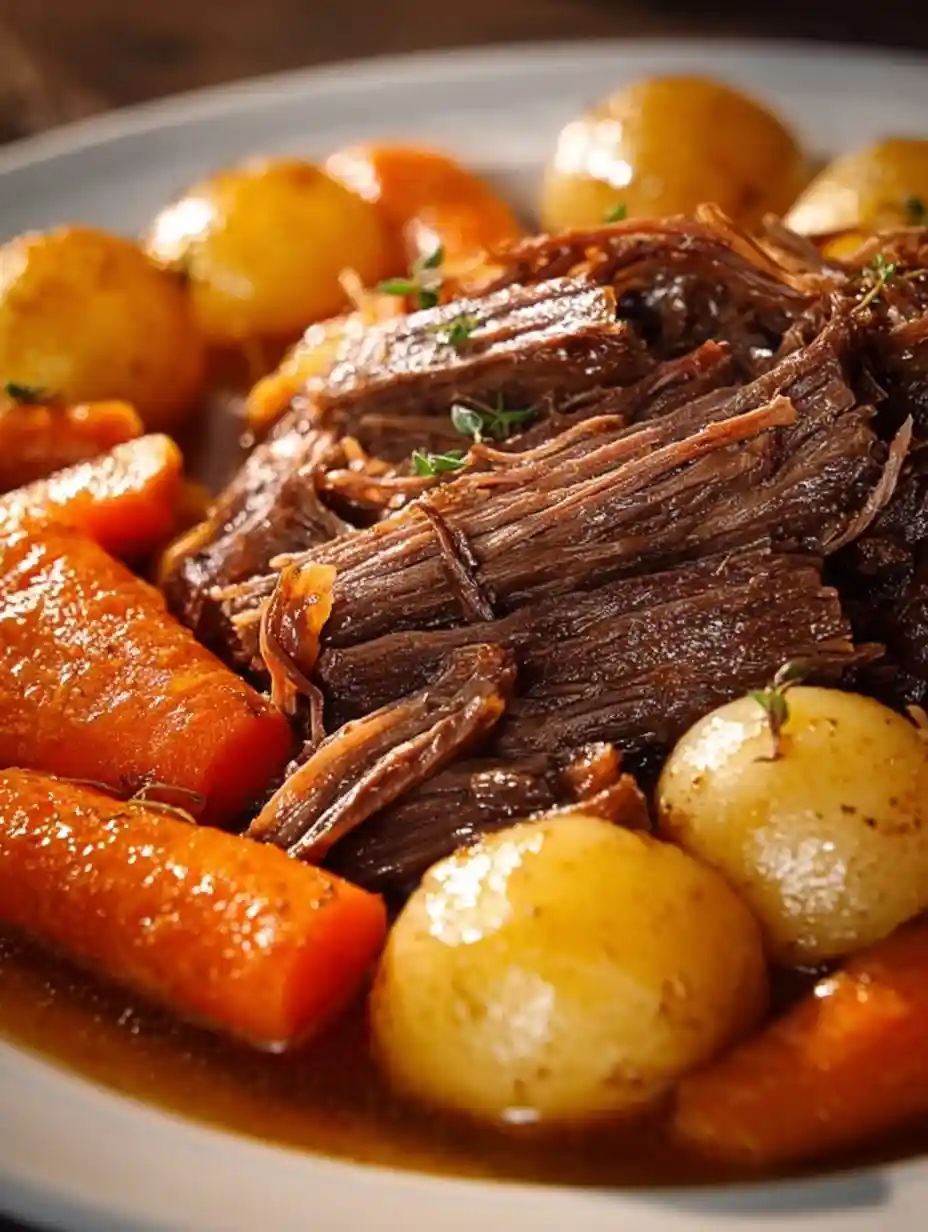
More Comforting Soups You’ll Love
If you enjoyed this recipe, be sure to explore these cozy favorites from our soup collection:
- Creamy Steak and Potato Soup – tender steak cubes and golden potatoes in a luscious velvety cream base.
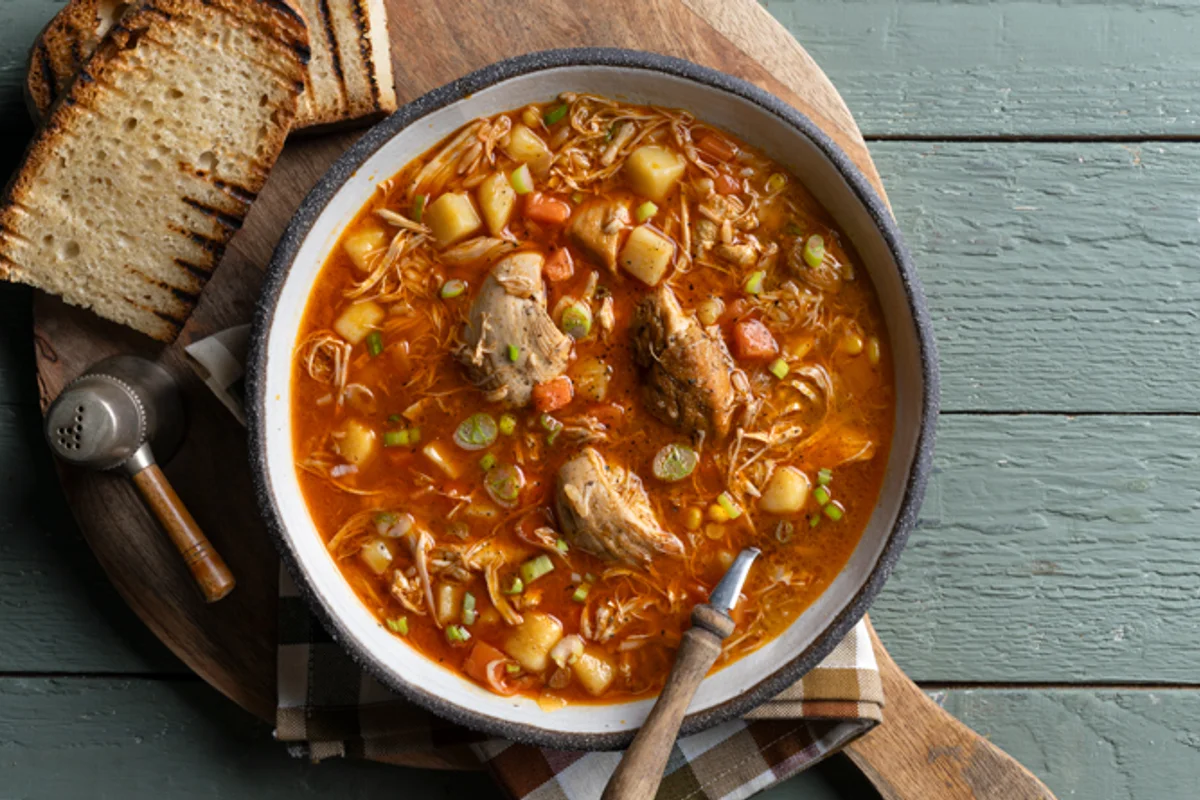
- Hearty Chicken and Vegetable Stew – comforting homestyle stew with succulent chicken, potatoes, and root veggies.
(FAQs)
What are the “three packets” used in this recipe? The traditional “three packet” combination consists of one packet of Ranch dressing mix, one packet of Au Jus gravy mix, and one packet of Italian dressing mix (sometimes substituted with brown gravy mix or onion soup mix). This trio provides a balance of creamy, savory, and herbal flavors that create a uniquely deep gravy without the need for additional individual spices. Do I really need to sear the meat before putting it in the slow cooker? While you can technically put the raw meat directly into the slow cooker with the seasonings and liquid, searing is highly recommended. Searing creates a flavorful crust on the meat and develops a complexity in the gravy that you simply cannot get from boiling or steaming. It takes an extra ten minutes but makes a significant difference in the final depth of flavor. Can I add other vegetables to this stew? Absolutely! This recipe is very forgiving. Beyond the traditional carrots and potatoes, you can add parsnips, turnips, or even green beans. If you are adding softer vegetables like frozen peas or corn, it is best to stir them in during the last 30 minutes of cooking so they stay bright and don’t become mushy. Mushrooms are also a fantastic addition, as they soak up the savory broth beautifully. What if my gravy is too thin at the end of cooking? If you prefer a thicker, more stew-like consistency, you can easily thicken the liquid once the cooking is done. Create a “slurry” by mixing one tablespoon of cornstarch with two tablespoons of cold water until smooth. Stir this into the hot slow cooker and turn the heat to high for 15 to 20 minutes. The liquid will thicken into a glossy, rich gravy. Alternatively, you can mash a few of the cooked potatoes directly into the sauce to act as a natural thickener. Is this recipe gluten-free? To make this recipe gluten-free, you must carefully check the labels on the seasoning packets. Many Au Jus and gravy mixes contain wheat flour as a thickener. There are several brands that offer gluten-free versions of these mixes, or you can substitute the packets with a blend of gluten-free tamari, garlic powder, onion powder, and dried herbs. Always verify the ingredients of any pre-packaged mix if you have a gluten sensitivity. Can I make this in an Instant Pot instead of a slow cooker? Yes, the Three Packet Pot Roast Stew can be adapted for a pressure cooker. Follow the searing steps using the “Sauté” function on your Instant Pot. Once everything is added, seal the lid and cook on high pressure for about 60 to 70 minutes, followed by a natural pressure release for 15 minutes. This will give you the same tender results in a fraction of the time, making it a great option for a last-minute weeknight dinner.Three Packet Slow Cooker Pot Roast Stew
Ingredients
Method
- Gather all ingredients, clean prep surfaces, and measure out your seasonings. Wash your fresh produce in cold water and slice all vegetables into uniform, bite-sized pieces so that every mouthful cooks evenly.
- Set your primary cooking vessel (heavy skillet, Dutch oven, or soup pot) over medium heat on your stovetop, or preheat your oven to the exact target baking temperature specified in the recipe. Add your cooking fat (olive oil or butter) and allow it to shimmer.
- Add your aromatic vegetables (diced onions, carrots, and celery) to the hot fat. Cook gently over medium heat for 5 to 7 minutes until tender, translucent, and sweet, stirring in the minced garlic during the final 60 seconds so it blooms without burning.
- Introduce your primary protein or core ingredients along with your dry herb and spice seasonings. Stir thoroughly for 2 to 3 minutes to coat every surface in the savory aromatic oil and allow the spices to toast lightly.
- Pour in your cooking broths, sauces, or fold in your blended dressings. Bring the mixture to a gentle, steady simmer over medium-low heat, stirring well to incorporate all the caramelized flavor from the bottom of the pan.
- Cover with a tight-fitting lid or transfer to the preheated oven. Cook for the recommended duration (25 minutes) until the food reaches safe internal temperature (165°F for poultry, or fork-tender for vegetables and soups).
- Remove the dish from heat and allow it to rest undisturbed for 5 minutes. Taste carefully to evaluate seasoning, adjust with a fresh squeeze of lemon juice, sea salt, or cracked pepper, and serve warm or chilled as intended with fresh herbs on top.