Why Make Anti-Inflammatory Creamy Chicken Soup
Modern dining often forces an unnecessary compromise between indulgent, velvety textures and clean, health-supportive ingredients. Traditional creamy soups frequently depend on heavy roux made from white flour and refined butter, finished with cups of heavy cream that can weigh down the palate and cause discomfort for sensitive digestive systems. Choosing to make this anti-inflammatory creamy chicken soup allows you to reclaim true comfort food, utilizing culinary techniques that coax deep creaminess and satin-smooth body out of natural ingredients such as slow-simmered bone broth, blended vegetables, and wholesome pantry staples.
Cooking with an anti-inflammatory philosophy means intentionally selecting ingredients that support physical vitality while soothing the body. Chronic bodily stress and modern dietary habits frequently leave our digestive systems overworked. By anchoring this soup around rich chicken bone broth, you supply the body with clean hydration and gentle, easily absorbed proteins. The addition of fresh alliums like garlic and onions, alongside antioxidant-rich leafy greens and garden root vegetables, creates a symphony of wellness in a single bowl. You are not simply feeding hunger; you are proactively replenishing your energy reserves with every warm sip.
Beyond the personal health benefits, preparing this soup is a profoundly grounding sensory ritual. In our fast-paced world of pre-packaged meals and instant gratification, taking forty-five minutes to gently sweat aromatics in golden olive oil, breathe in the fragrance of blooming dried herbs, and watch tender greens wilt into a simmering pot reconnects you with the fundamental craft of cooking. The process is straightforward, accessible to novice home cooks, and rewarding enough to satisfy seasoned kitchen veterans seeking pure, unadulterated comfort.
Economically and practically, this recipe is a masterclass in home efficiency. It transforms humble pantry staples and standard produce into an elegant, restaurant-quality meal. A single pot yields generous servings that keep beautifully throughout the week, making it an indispensable asset for forward-thinking meal planners. By mastering this dish, you equip your kitchen with a dependable, versatile recipe that can be adapted across seasons, suited to various dietary restrictions, and served with pride to anyone who pulls up a chair at your table.
A Mindful Shift in Comfort Food
For generations, chicken soup has been heralded as nature’s ultimate remedy, celebrated across cultures as the premier antidote to physical fatigue and emotional weariness. When we take that beloved baseline and infuse it with ingredients known for promoting balance and calm within the body, we elevate a humble rustic stew into a truly restorative meal. The warmth of the broth encourages circulation, while the gentle heat opens up nasal passages and eases respiratory tension during cooler months.
Furthermore, this soup embraces an inclusive culinary philosophy. Because it achieves its richness without relying on gluten-heavy thickeners or massive volumes of conventional dairy, it is inherently welcoming to guests and family members with diverse nutritional requirements. Creating an environment where everyone can sit down to the exact same pot of bubbling, aromatic soup without anxiety or modification is one of the greatest gifts a home cook can offer.
Why You’ll Love This Anti-Inflammatory Creamy Chicken Soup
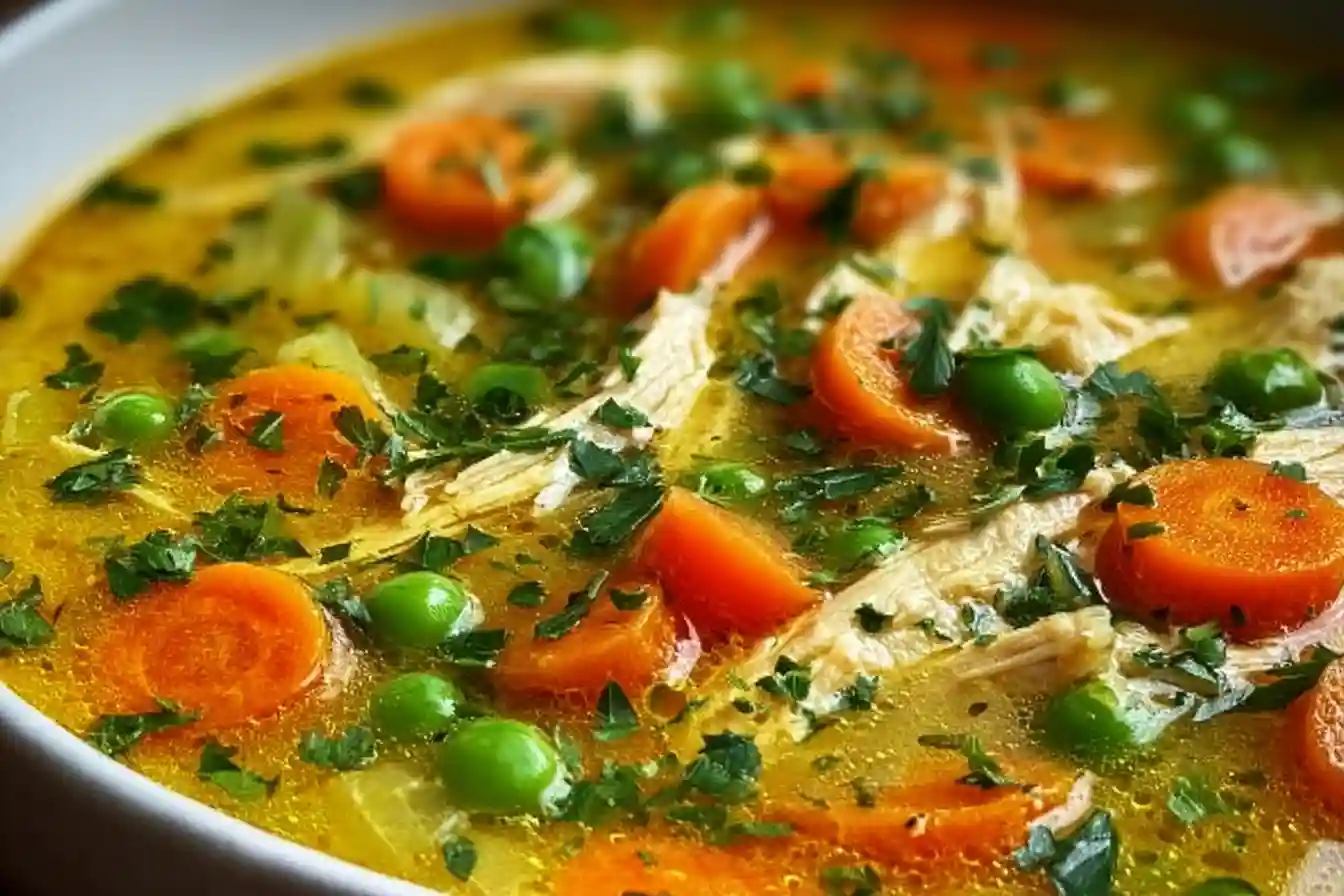
There are countless reasons this recipe will quickly secure a spot in your weekly dinner rotation, beginning with its extraordinary textural harmony. Many healthy soups lean toward thin, watery broths that leave you feeling hungry an hour later, while conventional chowders can be unpleasantly cloying and heavy. This recipe discovers the golden mean: a silky, enveloping broth that coats the back of a spoon with pure velvet elegance, balanced by substantial, tender pieces of chicken, soft vegetables, and wilted greens that provide satisfying substance in every bite.
The flavor profile is another source of pure delight. The savory depth of golden chicken bone broth is enlivened by the natural sweetness of caramelized onions and tender carrots, anchored by earthy celery and punctuated by the punchy kick of fresh minced garlic. The dried Italian herbs release their fragrant, woodsy oils into the warm broth, creating an aromatic base note that feels both nostalgic and sophisticated. Depending on whether you include fire-roasted tomatoes for smoky brightness or tender white cannellini beans for buttery substance, the soup offers a dynamic, multifaceted profile that never tastes flat or one-dimensional.
Kitchen efficiency is another compelling attribute of this dish. From prep to table, the entire meal comes together in a single pot, minimizing post-dinner clean-up and maximizing relaxation. You do not need an array of complicated specialty appliances or elusive, expensive ingredients. Everything is cooked sequentially in one Dutch oven or heavy soup pot, allowing each layer of flavor to build naturally upon the last, collecting all the golden pan drippings directly into the finished dish.
Finally, you will love the sheer versatility this soup brings to your weekly meal routine. It is sturdy enough to hold up through multiple days in the refrigerator, often tasting even better on days two and three as the herbs and aromatics continue to infuse the broth. It serves as an impressive centerpiece for casual weekend dinner parties when served with rustic artisanal bread, yet remains simple enough to throw together on a hectic Tuesday evening when time is at an absolute premium.
Unrivaled Flavor Without Complicated Techniques
Home cooks frequently believe that developing deep, complex flavors requires hours of tedious simmering or advanced kitchen sorcery. This recipe dismantles that myth entirely. By utilizing the foundational principles of aromatic sweating, toasting dried herbs directly in warm fats, and allowing lean proteins to poach gently in seasoned stock, you achieve hours-long slow-simmered taste in well under an hour. The result is a vibrant, golden soup that tastes as if it originated in a countryside European kitchen.
Ingredients and Substitutions
The beauty of this restorative soup lies within the integrity of its wholesome, accessible components. Every ingredient serves a dual purpose: building an unforgettable flavor profile while supporting your body with pure, clean fuel. Below is the precise ingredient collection required to produce this culinary masterpiece:
- 2 tablespoons extra virgin olive oil or unsalted butter
- 1 large yellow onion, finely diced
- 3 medium carrots, peeled and sliced into uniform rounds
- 3 stalks celery, finely sliced
- 4 cloves fresh garlic, finely minced
- 6 cups low-sodium chicken bone broth or rich vegetable stock
- 1 can (15 ounces) diced fire-roasted tomatoes or cooked white cannellini beans, rinsed and drained
- 1 teaspoon dried Italian herb blend (oregano, basil, thyme)
- 1 teaspoon fine sea salt, plus more to taste
- 1/2 teaspoon freshly cracked black pepper
- 2 cups fresh baby spinach leaves or chopped flat-leaf kale
- 2 tablespoons freshly chopped parsley or grated Parmesan cheese, for serving
The Aromatic Foundation: Cooking Fats and Mirepoix
The foundation of all truly extraordinary soups begins with high-quality cooking fat and a classic aromatic base. Choosing between extra virgin olive oil and unsalted butter allows you to customize the flavor tone of the final dish. Extra virgin olive oil provides a fruity, peppery note filled with wholesome monounsaturated fats that blend harmoniously into an anti-inflammatory eating pattern. Unsalted butter, on the other hand, contributes a rich, traditional European bakery warmth that rounds out the acidity of tomatoes or herbs. For an ultra-clean, dairy-free, and paleo-friendly profile, cold-pressed avocado oil or unrefined coconut oil can also be employed with tremendous success.
The trio of yellow onion, carrots, and celery represents the legendary culinary foundation known as mirepoix. Slicing these vegetables uniformly ensures that they soften at an identical rate, releasing their natural sugars into the warm cooking oil. The yellow onion brings deep, savory sweetness as it turns translucent, while carrots offer an earthy, vibrant color and natural honeyed undertones. Celery provides indispensable mineral depth and a crisp aromatic balance that cuts through the soup’s richness. If yellow onions are unavailable, sweet Vidalia onions, leeks (thoroughly washed of sand), or shallots make exquisite, sophisticated alternatives.
Garlic and Fresh Aromatics
Fresh garlic is non-negotiable when crafting an immune-supportive, deeply comforting soup. Four large cloves, finely minced, provide an assertive punch that mellows into warm, nutty sweetness as it gently cooks. To maximize the culinary impact of fresh garlic, allow it to sit on your cutting board for five to ten minutes after mincing before exposing it to heat; this brief rest allows the natural aromatic compounds to fully develop. If you are a devoted fan of fresh alliums, feel free to increase the garlic to six cloves without hesitation. In a pinch, one teaspoon of high-grade garlic powder can stand in, though fresh cloves offer an incomparably crisp, pungent brightness.
The Broth: Choosing Liquid Gold
The liquid base serves as the true heart and soul of this recipe. Utilizing a low-sodium chicken bone broth rather than standard chicken bouillon cubes transforms the nutritional and textural landscape of your soup. High-quality bone broth has been simmered for hours with bones and connective tissue, imparting a naturally silky, substantial body that coats your tongue without needing heavy flour-based thickeners. It delivers a rich, golden hue and a complex poultry savor that tastes deeply homemade. If you prefer a lighter profile or wish to adapt the recipe for plant-focused guests, a dark, roasted vegetable stock brimming with mushroom essence and caramelized root vegetables provides an extraordinarily deep, earthy foundation.
Body and Texture: Fire-Roasted Tomatoes versus Cannellini Beans
This recipe provides a brilliant fork in the road depending on your personal cravings and textural preferences. If you select diced fire-roasted tomatoes, your broth takes on a gorgeous sunset-orange hue with gentle smoky undertones and a bright, palate-cleansing acidity that cuts beautifully through the rich broth. The charred bits of tomato skin add visual appeal and a rustic, wood-fired character that feels exceptionally cozy.
Conversely, if you opt for cooked white cannellini beans, you unlock a completely different style of anti-inflammatory luxury. Cannellini beans are naturally tender, creamy, and mild, offering a velvety, buttery texture without requiring an ounce of dairy. For home cooks seeking an ultra-luxurious, thick creamy chicken soup, here is an extraordinary chef secret: take one cup of the rinsed cannellini beans along with one cup of warm bone broth, place them into an upright blender, and puree until completely smooth. Stirring this creamy bean puree back into the pot produces an impossibly silky, rich chowder consistency that mimics heavy cream while infusing the soup with wholesome plant fiber and clean nourishment.
Seasonings and Dried Herbs
The dried Italian herb blend—typically comprising sweet basil, woodsy oregano, delicate marjoram, and earthy thyme—serves as the aromatic thread that binds the soup together. When using dried herbs, it is crucial to introduce them into the warm oil alongside the aromatics rather than sprinkling them cold over liquid at the end. Blooming dried herbs in warm fat rehydrates their essential oils, waking them up and distributing their fragrance evenly across the dish. Fine sea salt and freshly cracked black pepper should be used generously and thoughtfully; salt pulls moisture from the vegetables, intensifying their intrinsic flavors, while black pepper provides a subtle, warming kick that enlivens the back of the palate.
The Greens: Spinach versus Flat-Leaf Kale
The addition of fresh greens right before serving imparts vital freshness, color contrast, and life to an otherwise rich, warm stew. Baby spinach is remarkably delicate; its tender leaves wilt within sixty seconds of touching the hot liquid, melting seamlessly into the soup without requiring extensive chewing. Chopped flat-leaf Lacinato kale (also known as dinosaur or Tuscan kale) offers a more robust, toothsome bite with earthy, slightly nutty notes. If utilizing kale, strip the tough woody stems away from the leaves and slice the leaves into thin, ribbon-like ribbons. Allow kale to simmer in the hot broth for three to four minutes so its fibrous texture softens into tender perfection.
Finishing Accents and Dairy Adjustments
The final garnishes provide that critical burst of freshness and visual panache that transforms homestyle cooking into fine dining. Freshly chopped flat-leaf Italian parsley cuts through the unctuous chicken broth with clean, grassy brightness. If dairy is tolerated and welcomed in your home, freshly grated aged Parmigiano-Reggiano cheese provides a salty, savory kick that melts into the broth, elevating the overall umami profile. For those strictly avoiding dairy, a tablespoon of nutritional yeast stirred into the pot imparts that same savory depth, or a final squeeze of fresh lemon juice will wake up all the underlying flavors with exhilarating clarity.
How to Make Anti-Inflammatory Creamy Chicken Soup
Preparing this soup is an exercise in mindful cooking where patience and sequence dictate the ultimate depth of flavor. By approaching each phase of the cooking process with focus and intention, you will coax the maximum sweetness from your vegetables, develop a rich and savory broth, and keep your chicken remarkably tender and juicy.
Essential Kitchen Tools and Equipment
Before lighting your burners, assembling the proper culinary tools will guarantee a seamless, enjoyable cooking session:
- Heavy Dutch Oven or Enameled Cast Iron Pot: A heavy-bottomed vessel distributes heat evenly, preventing the delicate aromatics from scorching while retaining consistent, gentle heat during simmering.
- Sharp Chef’s Knife: A sharp blade ensures clean, effortless cuts when slicing carrots, celery, and dicing onions, preventing bruising of the vegetables and keeping prep time brief.
- Large Wooden Spoon: Ideal for gently moving aromatics around the pan, scraping up golden browned bits from the bottom, and folding tender greens into the hot broth without tearing them.
- Measuring Spoons and Liquid Measuring Cups: Precision with your salt, spices, and broth ratios creates a perfectly balanced final seasoning profile.
- Immersion Blender or High-Speed Countertop Blender (Optional): If you decide to blend a portion of your white cannellini beans or vegetables to create an ultra-creamy, velvety texture without dairy, a quality blender is your greatest ally.
Step-by-Step Cooking Instructions
Step 1: Gather all ingredients, clean prep surfaces, and measure out your seasonings. Wash your fresh produce in cold water and slice all vegetables into uniform, bite-sized pieces so that every mouthful cooks evenly.
Taking the time to execute thorough prep work—known in professional kitchens as your mise en place—ensures that you never feel rushed during cooking. When slicing your carrots, aim for rounds roughly one-quarter inch thick; this ensures they soften to fork-tender perfection without dissolving into mush. Dice your yellow onion finely so that it integrates seamlessly into the broth, lending sweetness without creating large, overwhelming chunks. Pay close attention when washing the celery and greens to eliminate any garden grit. Keep your prepped vegetables arranged in bowls nearby so they are ready to hit the hot pot at the exact right moment.
Step 2: Set your primary cooking vessel (heavy skillet, Dutch oven, or soup pot) over medium heat on your stovetop, or preheat your oven to the exact target baking temperature specified in the recipe. Add your cooking fat (olive oil or butter) and allow it to shimmer.
Watch the cooking fat closely as it heats in the base of your Dutch oven. If using extra virgin olive oil, you will know it is ready when the surface appears loose, fluid, and shows delicate shimmering ribbons across the bottom of the pot. If using unsalted butter, allow it to melt completely, observing as the foaming milk solids subside into a clear, fragrant golden pool. Do not let the fat smoke; maintaining a gentle medium heat protects the natural qualities of the unrefined oil and establishes the ideal thermal baseline for sweating your vegetables.
Step 3: Add your aromatic vegetables (diced onions, carrots, and celery) to the hot fat. Cook gently over medium heat for 5 to 7 minutes until tender, translucent, and sweet, stirring in the minced garlic during the final 60 seconds so it blooms without burning.
As the cold mirepoix enters the hot oil, you should hear a soft, cheerful sizzle. Use your wooden spoon to stir the vegetables constantly during the first minute, ensuring every single carrot round, celery slice, and onion cube is thoroughly glossy and coated in warm fat. Sprinkle a pinch of the sea salt over the mixture; the salt draws out cellular moisture, encouraging the vegetables to soften and sweeten rather than brown or crisp. Watch as the onions turn from opaque white to a glossy, translucent state. During the last minute of this sweating stage, clear a small opening in the center of the pot and drop in the minced garlic. The aroma will instantly bloom, filling the kitchen with an earthy fragrance. Stir the garlic vigorously into the surrounding vegetables for sixty seconds—never allow garlic to turn dark brown or crisp, as burnt garlic imparts an irreversible bitter sharpness to soup broths.
Step 4: Introduce your primary protein or core ingredients along with your dry herb and spice seasonings. Stir thoroughly for 2 to 3 minutes to coat every surface in the savory aromatic oil and allow the spices to toast lightly.
Now is the time to add your chicken (such as diced raw boneless, skinless chicken breasts or tender chicken thighs cut into bite-sized morsels, or pre-cooked shredded rotisserie chicken), alongside the dried Italian herb blend, remaining sea salt, and freshly cracked black pepper. If you are using raw chicken pieces, allowing them to toss in the hot, seasoned oil for two to three minutes lightly Sears the exterior surfaces and locks in internal juices. Meanwhile, the direct contact between the dried herbs and the warm cooking fat acts as a flavor catalyst. The heat coaxes the encapsulated volatile oils out of the dried oregano, basil, and thyme leaves, dispersing an intoxicating, rustic fragrance throughout the base of the pot. Every single morsel of chicken and vegetable should be coated in a fragrant, glistening herb glaze.
Step 5: Pour in your cooking broths, sauces, or fold in your blended dressings. Bring the mixture to a gentle, steady simmer over medium-low heat, stirring well to incorporate all the caramelized flavor from the bottom of the pan.
Pour in your six cups of low-sodium chicken bone broth, followed by your canned fire-roasted tomatoes (with their rich, charred juices) or your rinsed cannellini beans (or the silky blended bean puree). As the liquid rushes into the pot, use the firm edge of your wooden spoon to firmly scrape the bottom and sides of the Dutch oven. This scraping process dislodges any intensely concentrated golden cooking residue that formed while sweating the aromatics and searing the chicken. These browned remnants dissolve directly into the warm bone broth, infusing the liquid with a profound savory depth. Increase the stove burner slightly until small, rhythmic bubbles begin breaking gently across the surface, then immediately reduce the heat back to medium-low to maintain a gentle, rolling simmer. Boiling a soup violently can toughen lean chicken proteins and cause broths to turn cloudy; a polite, patient simmer is the golden path to velvety soup perfection.
Step 6: Cover with a tight-fitting lid or transfer to the preheated oven. Cook for the recommended duration (40 minutes) until the food reaches safe internal temperature (165°F for poultry, or fork-tender for vegetables and soups).
Place a heavy, tight-fitting lid securely onto your Dutch oven to trap all the nourishing steam, moisture, and aromatic essences inside the vessel. Allow the soup to cook undisturbed at a steady simmer for forty minutes. During this slow-cooking window, transformative culinary chemistry takes place: the firm fiber of the carrots softens into melt-in-the-mouth tenderness, the celery melds into the liquid, the chicken becomes thoroughly infused with herbal broth while poaching to juicy tenderness, and the bone broth concentrates into a harmonious, unified masterpiece. If you check the pot halfway through, you will see a gorgeous golden sheen shimmering on the surface of the liquid, signaling that the wholesome fats and rich broth have melded completely.
Step 7: Remove the dish from heat and allow it to rest undisturbed for 5 minutes. Taste carefully to evaluate seasoning, adjust with a fresh squeeze of lemon juice, sea salt, or cracked pepper, and serve warm or chilled as intended with fresh herbs on top.
Once the forty minutes have concluded, lift the lid carefully away from your face to allow the fragrant steam to billow harmlessly outward. Move the pot entirely off the hot burner and let it rest on a cool surface for five minutes. This resting phase allows the bubbling liquid to calm and gives the temperatures of the tender chicken and vegetables time to equalize. Next, drop your two cups of fresh baby spinach leaves or thinly sliced flat-leaf kale directly into the hot soup, folding them under the liquid with your wooden spoon. The residual thermal heat of the broth will wilt the delicate spinach into silky ribbons within moments, preserving its vibrant emerald hue and nutrient density without overcooking it.
Dip a clean tasting spoon into the broth and blow gently to cool it before tasting. Take note of the balance: Does the broth require a tiny sprinkle of extra sea salt to make the carrot sweetness sing? Does it need an extra crack of black pepper for warmth? If the soup feels slightly rich, a gentle squeeze of half a fresh lemon will introduce bright citrus notes that make the entire dish sparkle. Ladle the steaming soup into deep, warmed ceramic bowls, garnishing each portion with freshly chopped Italian flat-leaf parsley and a light dusting of freshly grated Parmesan cheese if desired. Serve immediately while hot and fragrant.
Chef Secrets for Perfect Creaminess and Texture
Achieving a dreamy, creamy texture without pouring cups of heavy dairy into your pot relies on a few brilliant culinary techniques. As highlighted earlier, blending a portion of your beans produces an astounding silkiness that mimics traditional restaurant bisques. However, there are additional avenues to explore based on what you have in your pantry:
- The Immersion Blender Pulse: If you made your soup with cannellini beans and prefer not to dirty a separate blender, simply submerge an immersion hand blender into the pot right before adding the greens. Pulse the blade three or four times in the lower quadrant of the pot. This purees a small portion of the softened carrots, onions, and beans directly into the broth, creating an immediate, luscious thickening effect while leaving plenty of whole vegetable and chicken chunks intact.
- The Coconut Milk Finish: For an undeniably decadent, velvety texture that remains strictly dairy-free and paleo-compliant, stir in one-half cup of unsweetened full-fat culinary coconut milk during the final five minutes of simmering. The natural fats in coconut milk integrate effortlessly with the chicken bone broth, lending a buttery richness. Because of the bold presence of garlic, Italian herbs, and savory chicken stock, the soup will not taste distinctly of coconut; rather, it takes on an ultra-luxurious, satiny sheen.
- Blended Soaked Cashews: Another exceptional trick utilized by fine-dining plant-forward chefs involves raw cashews. Soaking one-half cup of raw unsalted cashews in boiling water for twenty minutes, then blending them with one cup of warm bone broth until silky and smooth, creates a neutral, rich culinary cream. When stirred into the finished soup, it provides the exact flavor, opacity, and luxurious mouthfeel of heavy whipping cream.
Storage & Reheating
One of the most remarkable attributes of this anti-inflammatory creamy chicken soup is its ability to develop even greater culinary complexity after an overnight rest in the cold. As the soup sits, the aromatic garlic, dried Italian herbs, sweet vegetables, and savory bone broth undergo continuous flavor transfer, resulting in a broth that often tastes richer, more cohesive, and deeply comforting on the second and third day.
Cooling Down and Refrigeration Guidelines
To preserve the pristine flavor, vibrant color, and nutritional integrity of your soup, proper cooling technique is essential. Leaving a massive, piping-hot pot of soup sitting on your kitchen counter for hours can compromise both food safety and the delicate texture of your tender greens and vegetables. As soon as dinner is finished, divide any remaining soup into shallow, airtight glass storage containers rather than one deep container. Shallow containers allow the heat to dissipate rapidly and evenly.
Allow the containers to cool on the counter with the lids slightly cracked until they stop emitting heavy clouds of steam—typically about twenty to thirty minutes—before sealing the airtight lids and transferring them into the coldest part of your refrigerator. Stored correctly at 38°F to 40°F, this soup maintains peak culinary quality and freshness for four to five full days. Over time in the refrigerator, you may notice that the natural collagen from the chicken bone broth causes the chilled soup to thicken into a soft jelly-like consistency; this is an extraordinary indicator of a protein-rich, nutrient-dense broth! The soup will instantly return to its silky, fluid state the moment gentle heat is applied.
Freezing Guidelines for Make-Ahead Meal Prep
This soup is a dream candidate for freezer meal planning, provided it is prepared and packaged with care. If you plan to freeze a portion of the batch specifically for future meals, consider freezing it prior to adding the fresh spinach or kale. Delicate leafy greens hold up far better when stirred fresh into the simmering broth upon final reheating, preserving their bright emerald color and tender texture.
Follow these steps to ensure freezer perfection for up to three months:
- Leave Ample Headspace: As liquids freeze, they expand significantly. When ladling cooled soup into freezer-safe glass canning jars or heavy-duty airtight plastic containers, leave at least one full inch of empty space at the top to prevent cracked jars or popped lids.
- Freezer Bags for Flat Storage: If freezer space is limited, ladle cooled soup into heavy-duty gallon-sized freezer storage bags. Squeeze out all excess air, seal the zipper completely, and lay the bags completely flat on a baking sheet. Place the sheet in the freezer until the bags freeze solid into flat, space-efficient bricks that can be stacked like books on a shelf.
- Gentle Thawing: For best results, transfer your frozen soup container from the freezer into the refrigerator twenty-four hours before you intend to serve it, allowing it to thaw gradually and evenly. If you need a meal instantly, you can place the frozen container into a large bowl of cool water to loosen the edges, then tip the frozen block directly into a soup pot set over low heat on your stovetop.
Gentle Stovetop and Microwave Reheating Techniques
Reheating your soup with care ensures that the chicken remains exceptionally tender and juicy, rather than turning tough, rubbery, or stringy from harsh exposure to high heat.
The stovetop method is always the preferred route for restoring soup to its original glory. Pour the desired portion of chilled or thawed soup into a small saucepan or Dutch oven. Set the burner to medium-low heat. Stir occasionally with a wooden spoon to ensure the soup warms evenly from bottom to top. If the broth thickened significantly in the refrigerator due to the cannellini beans or rich bone broth, splash in two to four tablespoons of fresh bone broth or water to loosen the consistency back to your preferred texture. Bring the liquid just to a gentle, steaming simmer—do not allow it to boil violently. Once hot throughout (approximately five to seven minutes), remove

More Comforting Soups You’ll Love
If you enjoyed this recipe, be sure to explore these cozy favorites from our soup collection:
- Ginger Turmeric Chicken Soup – restorative golden chicken soup brimming with pungent ginger and earth-grown turmeric.
- Italian Chicken and Veggie Soup – light and nourishing chicken vegetable soup scented with sweet Italian herbs.
Anti-Inflammatory Creamy Chicken Soup
Ingredients
Method
- Gather all ingredients, clean prep surfaces, and measure out your seasonings. Wash your fresh produce in cold water and slice all vegetables into uniform, bite-sized pieces so that every mouthful cooks evenly.
- Set your primary cooking vessel (heavy skillet, Dutch oven, or soup pot) over medium heat on your stovetop, or preheat your oven to the exact target baking temperature specified in the recipe. Add your cooking fat (olive oil or butter) and allow it to shimmer.
- Add your aromatic vegetables (diced onions, carrots, and celery) to the hot fat. Cook gently over medium heat for 5 to 7 minutes until tender, translucent, and sweet, stirring in the minced garlic during the final 60 seconds so it blooms without burning.
- Introduce your primary protein or core ingredients along with your dry herb and spice seasonings. Stir thoroughly for 2 to 3 minutes to coat every surface in the savory aromatic oil and allow the spices to toast lightly.
- Pour in your cooking broths, sauces, or fold in your blended dressings. Bring the mixture to a gentle, steady simmer over medium-low heat, stirring well to incorporate all the caramelized flavor from the bottom of the pan.
- Cover with a tight-fitting lid or transfer to the preheated oven. Cook for the recommended duration (40 minutes) until the food reaches safe internal temperature (165°F for poultry, or fork-tender for vegetables and soups).
- Remove the dish from heat and allow it to rest undisturbed for 5 minutes. Taste carefully to evaluate seasoning, adjust with a fresh squeeze of lemon juice, sea salt, or cracked pepper, and serve warm or chilled as intended with fresh herbs on top.