If you love cozy, comforting bowls, you’ll also love our Thai Potsticker Soup.
Why You’ll Love This Japanese Harusame Noodle Soup
There are so many reasons to fall in love with this Japanese harusame noodle soup. First, it offers the ultimate comfort food experience while remaining light and wholesome. Many traditional noodle soups, while tasty, can feel very heavy, salty, or greasy. This soup is completely different. The broth is clear, clean, and refreshing, carrying the natural flavors of fresh ginger, savory soy sauce, and sweet vegetables. Every spoonful feels nourishing, clean, and gentle on your body, giving you lasting energy without any sluggish feeling afterward. The restorative nature of clear broths has long been revered in Japanese domestic cooking, where balanced eating and sensory harmony take center stage at every family meal.
Second, this soup is perfect for every single season of the year. In the cold winter months, the hot ginger broth warms your hands and chest, clearing your sinuses and chasing away the chill. In the warmer spring and summer months, the soup feels light enough that it never weighs you down or makes you feel overly hot. In Japanese culinary culture, this delicate balance is often referred to as food that honors the body’s seasonal rhythm. It is a wonderful staple that fits any weather, making it a reliable recipe you can turn to all year long, whether you are nursing a winter cold, recuperating after a rigorous workout, or seeking a light restorative supper on a humid summer evening.
Third, it is a true weeknight champion. We all have busy days when we are tired, hungry, and short on time. Ordering takeout can take forty minutes, cost a lot of money, and leave you feeling weighed down. This soup comes together in just fifteen to twenty minutes from start to finish. The noodles soften quickly with hot water, the vegetables cook in minutes, and cleanup is minimal because you only use one pot and one bowl. It fits seamlessly into your busy routine and brings peace to your kitchen, offering a meditative cooking experience that requires zero culinary gymnastics while delivering pure restaurant-quality comfort straight to your dining table.
Cozy Flavor with Everyday Ingredients
You might look at the ingredient list and be pleasantly surprised by how simple everything is. You do not need complex pastes, rare spices, or hours of simmering bones to build a delicious flavor base. The magic happens because of how well these everyday ingredients work together. The freshly grated ginger adds a bright, zesty warmth that wakes up the broth. The Japanese soy sauce brings deep umami, which is that savory, rich taste that makes soup taste so satisfying. A small drop of toasted sesame oil ties everything together with a rich, nutty finish that hits your nose before your spoon even touches your lips. These foundational ingredients form the bedrock of classic Japanese home cooking, known as washoku, where balance and respect for the natural integrity of ingredients reign supreme.
The vegetables also do double duty here. Sliced fresh mushrooms release their natural savory juices into the broth as they simmer, creating a deeper, fuller taste through natural glutamates. The julienned carrots add a subtle hint of natural sweetness that balances the salty soy sauce and spicy ginger. When these simple elements join forces in your pot, they create a balanced, layered broth that tastes like it took all afternoon to brew. It shows that you do not need fancy ingredients to create unforgettable, cozy home cooking. The harmony between sweet root vegetables, earthy fungi, pungent alliums, and mineral-rich greens provides an orchestra of nuanced flavors that gently dance across the palate with every single sip.
Quick to Make, Easy to Love
Speed and ease are at the heart of this dish. The dry harusame noodles cook faster than almost any other type of noodle in your pantry. You do not even have to boil them in the soup pot; a quick soak in hot water makes them tender and ready to use in five minutes flat. Cutting the carrots into matchsticks and slicing the mushrooms takes only a couple of minutes with a sharp knife. Once your ingredients are chopped, the actual cooking time on the stove is under ten minutes. The spinach wilts in seconds, meaning you spend almost no time waiting for things to cook through. Best of all, because everything happens in one medium pot, washing dishes at the end of the night is practically effortless. It is fast, stress-free cooking at its best, giving you more time to savor your meal and relax.
Ingredients and Substitutions
Choosing the right ingredients is the secret to making this clear soup taste authentic, clean, and delicious. Because the broth is clear and light, each component plays a starring role. When you use fresh produce and good pantry staples, their natural colors and textures shine through beautifully. Here is everything you need to know about what goes into the pot and how each ingredient works to build the final bowl.
What You’ll Need for This Recipe
Dry harusame noodles (100 grams): These are traditional Japanese glass noodles made from mung bean starch, potato starch, or sweet potato starch. When dry, they look like stiff, white, translucent threads. Once you soak them in hot water, they turn completely clear and take on a delightfully springy, slippery texture known in Japan as nodogoshi, which translates to a pleasing mouthfeel and smooth throat sensation. They have a neutral flavor on their own, which means they act like tiny sponges that soak up the savory broth. Look for packages labeled as harusame, cellophane noodles, or mung bean threads in the Asian food aisle of your local grocery store. Mung bean-based harusame tends to maintain the firmest, most resilient chew, while sweet potato or regular potato starch varieties offer a slightly softer, silkier bite.
Low-sodium vegetable or chicken broth (4 cups): The broth forms the liquid canvas of your soup. Using a low-sodium version is very important because it allows you to control the salt level with the soy sauce later. If you want to keep the dish entirely plant-based, choose a rich vegetable broth made from carrots, celery, and onions, or an authentic kombu dashi brewed by steeping dried sea kelp in warm water. If you prefer a richer, more traditional home-style soup, a mild low-sodium chicken broth works wonderfully. The broth should be clear, fragrant, and light so the noodles and vegetables can shine without being clouded by excess fat or heavy sediment.
Fresh shiitake or cremini mushrooms (1 cup, cleaned and thinly sliced): Mushrooms provide a wonderful meaty bite and deep savory flavor without adding any heavy fat. Fresh shiitake mushrooms are the traditional Japanese choice, offering a rich, woodsy scent and a soft, velvety texture when simmered. They are packed with natural guanylate, an organic compound that works synergistically with the glutamates in the soy sauce to multiply the soup’s perceived umami tenfold. If you cannot find fresh shiitake mushrooms, cremini mushrooms (often sold as baby bella mushrooms) are an excellent swap. They are easy to find, slice easily, and add a lovely brown color and mellow earthiness to the broth. For an even more intense depth of flavor, you can rehydrate a couple of dried shiitake caps in warm water and use both the sliced rehydrated caps and their strained soaking liquid in your broth base.
Carrots (0.5 cup, peeled and sliced into thin matchsticks): Carrots bring bright orange color and a pleasant crunch to the bowl. Slicing them into thin matchsticks, also known as julienne, ensures that they cook quickly in the broth while retaining a tender-crisp bite. As they cook, they release a touch of natural sweetness that softens the salty notes of the soy sauce and balances the zesty bite of the fresh ginger. Cutting them evenly is not just aesthetic; uniform slices guarantee that every strand cooks at the exact same rate, preventing any pieces from turning mushy while others remain raw.
Fresh baby spinach or baby bok choy leaves (2 cups): Leafy greens add a burst of vibrant emerald color, essential vitamins, and fresh garden flavor. Baby spinach leaves are tender, mild, and wilt into soft ribbons within seconds of hitting the hot broth. If you choose baby bok choy, you get a juicy, crunchy white stem paired with tender dark leaves, which adds fantastic texture. Simply wash the greens well to remove any grit before tossing them into the pot. You can also experiment with other Japanese greens like mizuna, tatsoi, or tender komatsuna (Japanese mustard spinach) for a slightly peppery or mineral note that complements the clear broth brilliantly.
Japanese soy sauce or gluten-free tamari (2 tablespoons): Japanese soy sauce, called shoyu, is naturally brewed using wheat and soybeans, giving it a balanced, slightly sweet, and rounded salty flavor. It tints the broth with a lovely pale amber hue without making it dark or heavy. The fermentation process creates complex amino acids that impart savory depth without requiring artificial flavorings. If you follow a gluten-free diet, you can swap it for an equal amount of gluten-free tamari, which is made mostly from soybeans and offers a slightly deeper, richer flavor with a smooth, glossy finish.
Pure toasted sesame oil (1 teaspoon): Toasted sesame oil is not a cooking oil for frying; it is a finishing oil used to add intense aroma and richness. Made from roasted sesame seeds, a tiny drizzle of this golden amber oil floats across the surface of the soup, creating little shiny rings that release a rich, nutty fragrance with every spoonful. A single teaspoon is all you need to elevate the whole dish, as its volatile aromatic compounds bloom immediately when exposed to the rising steam of the hot broth.
Freshly grated ginger root (1 teaspoon): Fresh ginger is the secret spark that brings this entire soup to life. Its spicy, citrusy, and warm notes cut through the savory broth and refresh your palate. Using freshly grated ginger is far better than using ground ginger powder, as fresh ginger releases aromatic juices and essential gingerols that blend instantly into the simmering liquid. A small microplane or fine box grater makes quick work of peeling and grating the root, turning it into a fine, juicy pulp that disperses seamlessly into the broth without leaving stringy fibers behind.
Green onions (scallions, 2 thinly sliced): Fresh scallions bring a sharp, crisp finish and a lovely pop of two-tone color. The white parts offer a gentle onion kick, while the dark green tops add fresh herbal brightness. Slicing them very thinly on a slight bias allows them to float on top of the hot soup, softening slightly from the steam while keeping their fresh crunch and releasing their delicate sulfurous sweet notes into the top layer of broth.
Toasted white sesame seeds (1 teaspoon): These tiny seeds provide a charming visual finish and a subtle nutty pop when you bite into them. Toasting the seeds lightly in a dry skillet brings out their natural oils, giving them a warm golden color and a fragrant, nutty crunch. Sprinkling them over the finished bowls right before serving adds the final touch of Japanese homestyle elegance, contrasting beautifully with the slippery texture of the harusame noodles.
Smart Swaps for Dietary Needs
This soup is naturally wholesome, but you can easily tailor it to suit various dietary preferences and health goals without losing any flavor or comfort.
Gluten-Free: The only ingredient that usually contains gluten in this recipe is standard Japanese soy sauce. To make this soup one hundred percent gluten-free, simply use gluten-free tamari or coconut aminos in place of traditional shoyu. Always double-check the packaging on your dry harusame noodles to confirm they are processed in a gluten-free facility and made purely from mung bean or sweet potato starch, as some budget brand glass noodles can occasionally include small amounts of wheat starch as a filler.
Vegetarian and Vegan: To keep this soup entirely vegan, choose a clean, high-quality vegetable broth or a homemade broth made from steeped dried kelp (kombu) and dried shiitake mushrooms. The mushrooms and soy sauce provide all the savory richness you need, making this a completely satisfying plant-based meal that rivals meat-based broths in depth and satisfaction.
Low-Carb and Keto: While harusame noodles are made from plant starches and contain carbohydrates, you can easily swap them for zero-carb shirataki noodles (also called konjac noodles) or fresh zucchini noodles (zoodles). Shirataki noodles have a very similar clear, slippery texture to harusame noodles and soak up the ginger broth beautifully with almost zero calories and carbs. Just be sure to rinse shirataki noodles thoroughly in cool water and blanch them in boiling water for two minutes before adding them to your soup to ensure a clean, neutral flavor profile.
Sodium-Conscious: If you are monitoring your salt intake, choose a no-salt-added vegetable or chicken broth. You can also reduce the soy sauce to one tablespoon and increase the amount of fresh ginger, add a splash of genuine brewed rice vinegar, and finish with a squeeze of fresh lemon juice or Japanese yuzu juice to provide bright, punchy flavor that excites the tastebuds without relying on sodium.
Smart Variation (Optional)
Pasta and Noodle Twist: If you run out of harusame noodles or want a heartier bowl, you can make this soup with other noodles. Thin wheat ramen noodles, Japanese soba (buckwheat noodles), or delicate Vietnamese rice vermicelli work wonderfully. Simply boil them separately according to their package directions, rinse them in cold water to remove residual surface starch, and divide them into your bowls before ladling the hot mushroom and vegetable broth over the top.
Slow Cooker Adaptation: You can adapt this soup for a slow cooker when you want warm food waiting for you. Place the broth, grated ginger, sliced mushrooms, and julienned carrots into the slow cooker pot. Cover and cook on the low setting for three to four hours until the vegetables are tender. Stir in the soy sauce and sesame oil. In the last ten minutes of cooking, add the soaked harusame noodles and fresh greens, letting them warm through on the warm setting just before serving to prevent the noodles from over-softening.
Extra Vegetable Boost: Feel free to clear out your crisper drawer by adding more colorful vegetables. Shredded green cabbage, thinly sliced red bell peppers, tender snow peas, crunchy bamboo shoots, or fresh bean sprouts make fantastic additions. Add firmer vegetables along with the carrots so they have time to soften, and add tender vegetables along with the spinach right at the end to keep their colors bright and their nutrients intact.
How to Make Japanese Harusame Noodle Soup
Making this clear noodle soup is an easy and relaxing culinary experience. The steps move quickly, so having your cutting board clear, your vegetables washed, and your ingredients prepped ahead of time will make the process feel completely effortless. Here is the step-by-step guide to crafting this cozy bowl in your own kitchen.
Step-by-Step Cooking Instructions
Step 1: Place the dry harusame noodles into a heatproof bowl, cover completely with hot boiling water, and soak for 5 minutes until soft and translucent. Drain thoroughly in a colander and use kitchen shears to cut them into manageable 4-to-5-inch lengths. Cutting the noodles is essential; unbroken harusame strands can be exceptionally long and awkward to pick up neatly with chopsticks or a soup spoon. Set the drained noodles aside while you prepare the fragrant broth.
Step 2: In a medium pot or saucepan, pour in the 4 cups of low-sodium broth and set the heat to medium-high. Add the freshly grated ginger root, thinly sliced shiitake or cremini mushrooms, and the julienned carrots. Bring the broth to a gentle, active simmer. Once simmering, reduce the heat to medium-low, cover partially with a lid, and let the broth simmer gently for 4 to 5 minutes until the carrots are tender-crisp and the mushrooms have softened and infused the broth with their deep earthy essence.
Step 3: Uncover the pot and stir in the 2 tablespoons of Japanese soy sauce (or gluten-free tamari) along with the 1 teaspoon of pure toasted sesame oil. Give the broth a gentle stir to fully incorporate the seasonings. Taste the broth at this stage; if you desire a touch more saltiness, add an extra splash of soy sauce, or if you prefer a sharper kick, stir in an extra pinch of freshly grated ginger.
Step 4: Add the prepared, drained harusame noodles into the simmering soup, gently separating the strands with chopsticks or a wooden spoon so they float evenly throughout the liquid. Let the noodles simmer in the seasoned broth for 1 to 2 minutes so they absorb the savory, ginger-scented flavors without losing their signature springy snap.
Step 5: Turn off the heat or lower it to the lowest setting, then immediately fold in the 2 cups of fresh baby spinach or baby bok choy leaves. The residual heat of the hot broth will gently wilt the greens within 30 to 45 seconds, preserving their vivid emerald green color and crisp-tender texture.
Step 6: Divide the hot soup evenly between two deep soup bowls, ensuring a balanced distribution of noodles, mushrooms, carrots, and wilted greens. Garnish each bowl generously with the thinly sliced green onions and a sprinkle of toasted white sesame seeds. Serve immediately while piping hot and enjoy every nourishing slurp!
Culinary Tips for the Clearest, Most Flavorful Broth
The beauty of Japanese clear soup, known historically as osuimono, lies in its pristine visual clarity coupled with deep, harmonious flavor. Achieving this professional level of soup-making at home requires just a few mindful techniques:
Avoid Rapid Boiling: Never let your broth boil violently once the mushrooms and seasonings are in the pot. A rolling, turbulent boil agitates the mushroom particles and vegetable fibers, releasing tiny bits that cloud the liquid. Keep your stove at a gentle, lazy simmer where small bubbles periodically rise to the surface. This maintains a crystal-clear, mirror-like broth.
Skim the Surface: While your broth simmers with the fresh mushrooms and ginger, a delicate layer of frothy foam or vegetable proteins may rise to the top. Use a fine-mesh skimmer or a shallow spoon to gently skim off this froth. Removing these impurities takes mere seconds and rewards you with a luminous, pristine presentation.
Add Aromatics at the Right Time: Freshly grated ginger contains bright, volatile aromatic oils that are heat-sensitive. Adding half of your ginger at the beginning infuses the broth with a warm, steady undertone, while stirring in a tiny splash of fresh ginger juice right before serving gives the soup an intoxicating, restaurant-style aromatic punch.
Proper Noodle Handling: Always soak and drain your harusame noodles in plain water separately rather than boiling them directly inside the soup pot. Cooking them directly in the broth causes them to release residual surface starches into the liquid, which will turn your beautiful clear broth cloudy and overly viscous. Soaking them separately guarantees an immaculate, pristine soup every single time.
The Science of Harusame: Texture, Starch, and Slurp
To truly appreciate harusame noodles, it helps to understand the food science behind their unique, jelly-like transparency and elastic bite. Unlike traditional wheat or egg noodles, which rely on gluten networks for structure, authentic harusame noodles are made exclusively from isolated plant starches—primarily mung bean (Vigna radiata), potato, or sweet potato starches.
The secret to their exceptional texture lies in their high amylose content. Amylose is a linear starch molecule that aligns tightly and forms an intricate, tightly packed three-dimensional crystalline gel network when gelatinized in hot water and subsequently cooled or dried during the noodle manufacturing process. When you rehydrate dry harusame in boiling water, these starch chains swell evenly with water molecules without dissolving, resulting in complete optical transparency and a remarkably resilient, snappy tensile strength.
This molecular structure gives harusame its famous “slurp factor.” In Japanese dining, slurping noodles is not considered impolite; it is an active culinary technique known to aerate the noodles and broth as they enter your mouth. This aeration cools the noodles slightly while vaporizing the delicate aromatic compounds from the toasted sesame oil, ginger, and soy sauce, channeling them directly to your olfactory receptors. Because harusame noodles have a glass-smooth surface and low surface friction, they slide across the tongue effortlessly, delivering broth in a seamless coating of pure umami.
Flavor Enhancements and Ingredient Pairings
While this recipe provides a perfectly balanced foundational bowl, Japanese noodle soups are wonderfully adaptable. Depending on your personal cravings or what you have on hand in your refrigerator, you can elevate your soup with an array of complementary proteins, savory condiments, and textural toppings.
Protein Pairings
Silken or Firm Tofu: For a gentle, plant-based protein boost, cut fresh silken tofu into bite-sized half-inch cubes and slide them into the simmering soup along with the greens. Silken tofu mimics the delicate, smooth texture of the glass noodles, creating a cloud-like melt-in-your-mouth experience. Alternatively, cubed baked or pan-fried firm tofu adds a pleasing chew and absorbs the broth like little savory sponges.
Tender Shredded Chicken: If you enjoy poultry, leftover shredded rotisserie chicken or poached chicken breast shreds pair exquisitely with ginger-infused broth. Add the cooked shredded chicken during the last two minutes of cooking so it gently warms through without drying out.
Succulent Shrimp or Seafood: Fresh peeled and deveined shrimp or thinly sliced tender squid make wonderful additions. Drop the raw shrimp into the simmering broth two minutes before finishing; they will turn opaque, plump, and sweet, infusing the broth with a gentle marine richness that complements the earthy mushrooms.
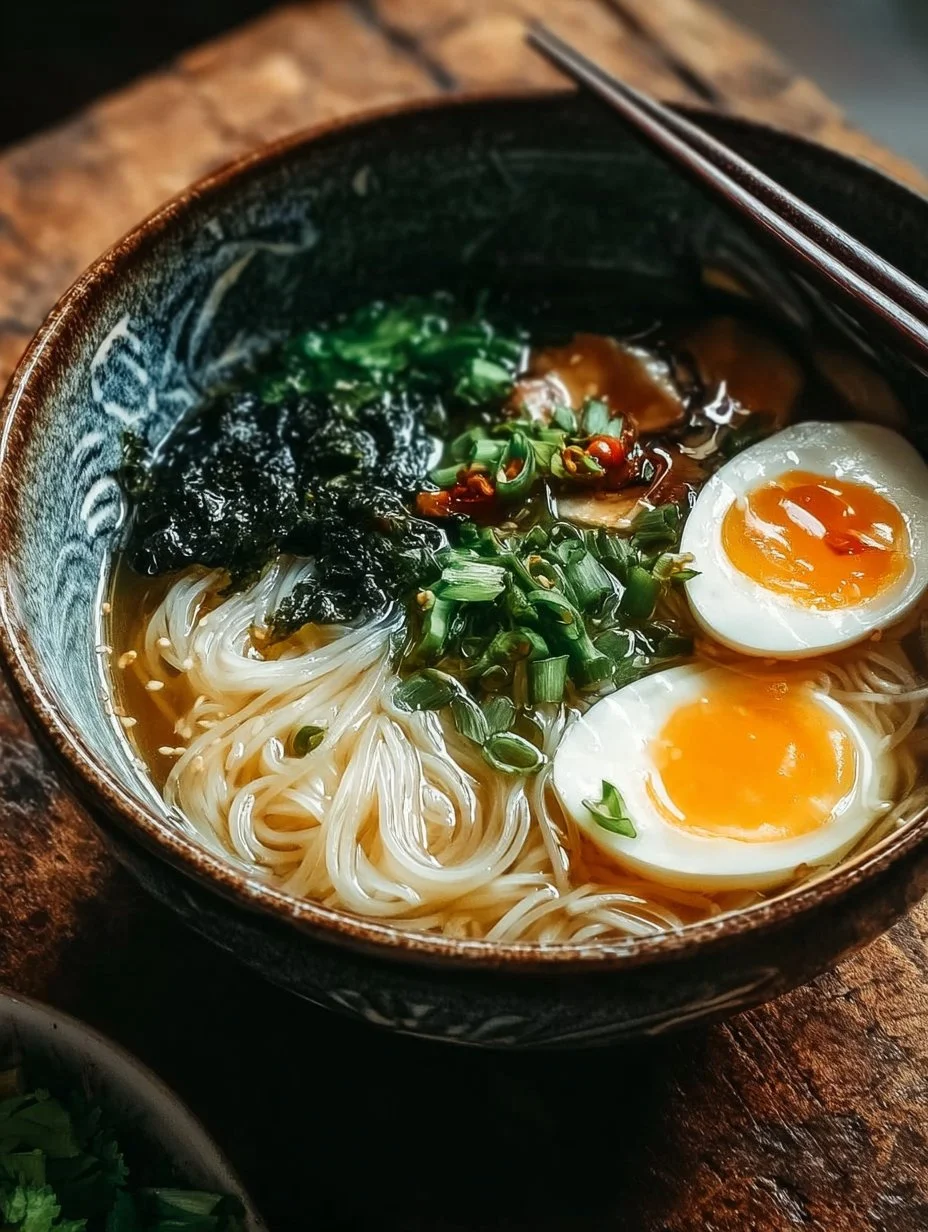
Soft-Boiled Ramen Egg (Ajitsuke Tamago): A soft-boiled egg with a jammy, custard-like yolk adds luxurious decadence. Slice the marinated egg in half and float it gently on top of the noodles just before serving. As the rich, velvety yolk mingles with the hot ginger broth, it creates a luscious, silky soup experience.
Flavor Boosters and Garnishes
Shichimi Togarashi (Japanese Seven Spice): If you crave heat, a generous dusting of shichimi togarashi provides the ultimate upgrade. This traditional blend features coarse red chili flakes, roasted orange peel, black and white sesame seeds, ginger, nori flakes, and numbing sansho pepper. It adds vibrant color, fruity heat, and a tingling citrus aroma that cuts through the savory broth.
Crispy Garlic or Shallot Oil: For an extra layer of decadence, fry thinly sliced garlic cloves or shallots in a spoonful of neutral oil until golden and crisp. Drizzle the infused oil and crunchy chips over your assembled bowl right before diving in.
Toasted Nori Strips: Cut a sheet of roasted Japanese seaweed (nori) into thin ribbons using kitchen shears. Scatter them over the surface right before serving; as the seaweed softens in the hot steam, it releases concentrated ocean umami and a mineral complexity that enhances the mushrooms.
Dashi Infusion: For the ultimate authentic Japanese flavor profile, substitute two cups of the vegetable broth with prepared awase dashi (broth made from simmered kombu kelp and katsuobushi bonito flakes). The natural inosinate in the bonito flakes combined with the glutamate in the kombu and soy sauce creates a legendary umami synergy that will make your homemade soup taste like it came from a centuries-old Tokyo noodle house.
How to Serve Japanese Harusame Noodle Soup
Serving this soup is a feast for the eyes as well as the palate. In Japanese aesthetic tradition, contrast in color, shape, and vessel choice elevates everyday dining into an artful ritual. Here are tips to present and serve your soup to perfection:
Choose the Right Bowl: Serve this soup in deep ceramic or earthenware bowls with tall, curved sides (donburi style). These bowls keep the broth piping hot from the first spoonful to the very last drop, while allowing the vibrant orange carrots, rich brown mushrooms, and brilliant green spinach to create a stunning visual contrast against a dark or neutral glaze.
Artful Plating: Rather than dumping the ingredients into the bowl haphazardly, arrange them mindfully. Twirl a portion of the glass noodles in the center of the bowl using your chopsticks. Arrange the matchstick carrots on one side, the sliced mushrooms on another, and the wilted emerald greens opposite them. Gently ladle the clear broth around the perimeter so you do not disturb your neat vegetable arrangement. Finish with a focused cluster of sliced scallions and sesame seeds right in the center.
Pairing Menu Suggestions: To turn this light noodle soup into a lavish multi-course Japanese-style feast, consider pairing it with delicious side dishes:
- Crisp Vegetable Gyoza: Pan-fried Japanese dumplings with a crunchy lacy bottom provide an irresistible crispy textural contrast to the soft, slippery noodles and warm broth.
- Sunomono (Cucumber Salad): A chilled salad of paper-thin salted cucumbers, sweet rice vinegar, and toasted sesame seeds offers a refreshing, tangy crunch that resets your tastebuds between warm sips of soup.
- Edamame with Sea Salt: Steamed whole edamame pods tossed in flaky sea salt provide hands-on dining fun and clean, wholesome plant protein.
- Onigiri (Japanese Rice Balls): A warm triangular rice ball wrapped in crisp nori and stuffed with pickled plum (umeboshi) or seasoned tuna creates a deeply satisfying, traditional carb pairing that turns this light lunch into a hearty, balanced dinner.
Storage, Make-Ahead, and Reheating Guidelines
While Japanese harusame noodle soup is undeniably at its absolute peak of flavor and texture fresh off the stove, you can easily prepare elements ahead of time or store leftovers with proper technique.
The Golden Storage Rule: Separate the Noodles: Harusame noodles are incredibly absorbent. If you store leftover noodles sitting directly inside the broth in the refrigerator, they will continue to drink up the liquid overnight. By the next morning, your clear soup will have transformed into swollen, waterlogged noodles with hardly any broth left. To prevent this, always strain any leftover noodles and store them in an airtight container separately from the broth and vegetables. Both will keep fresh and flavorful in the refrigerator for up to 3 to 4 days.
Make-Ahead Meal Prep: If you want to prep this recipe for quick weekday lunches, chop your carrots, slice your mushrooms, and grate your fresh ginger up to 3 days in advance and keep them in sealed containers in your crisper drawer. You can also pre-soak, drain, and snip your harusame noodles, tossing them with a drop of sesame oil to keep the strands from sticking together, and store them chilled in a sealed container.
Reheating Instructions: When you are ready to eat, pour the refrigerated broth and vegetables into a small saucepan over medium heat until gently simmering and piping hot. Place your pre-portioned cold noodles into your serving bowl. Ladle the boiling hot broth directly over the cold noodles; the searing heat of the soup will warm the glass noodles to the perfect serving temperature within 30 seconds without overcooking them or compromising their firm, bouncy chew.
Freezer Advice: Freezing assembled harusame soup is not recommended. The glass noodles undergo structural degradation when frozen and thawed, becoming unpleasantly grainy and mushy, while the delicate spinach and mushrooms lose their pleasant snap. However, you can freeze the seasoned broth base with the mushrooms and ginger for up to 2 months. Simply reheat the broth from frozen, bring it to a simmer, and drop in fresh noodles and greens right before serving!
Frequently Asked Questions
Can I eat harusame noodle soup cold?
While this recipe is designed as a soothing warm soup, cold harusame dishes are wildly popular in Japan during the summer, known as harusame sarada (glass noodle salad). To make a chilled variation, chill the cooked, drained noodles, toss them with julienned carrots, cucumber matchsticks, and sliced ham or omelet ribbons, and dress them with a chilled mixture of soy sauce, rice vinegar, sesame oil, and a pinch of sugar.
Are harusame noodles the same as cellophane or vermicelli noodles?
Yes, harusame is simply the Japanese name for cellophane or glass noodles. They are functionally equivalent to Chinese mung bean threads (fensi) and share similarities with Korean dangmyeon (which are thicker and made strictly from sweet potato starch). If you purchase Korean sweet potato noodles, keep in mind they require a longer boiling time (typically 6 to 7 minutes) compared to delicate Japanese harusame.
Can I make this soup spicy?
Absolutely! If you prefer a fiery kick, add a half teaspoon of Japanese chili oil (la-yu), a dollop of chili garlic sauce, or a pinch of dried red chili flakes to the broth along with the soy sauce. A drizzle of la-yu infused with crispy fried garlic provides both warming heat and irresistible fragrance.
Why did my noodles become soggy?
Harusame noodles become soggy if they are soaked in boiling water for too long or left simmering in boiling broth for an extended period. To maintain the ideal springy nodogoshi texture, soak them only until soft and clear (about 4 to 5 minutes), rinse them quickly under cool running water to stop the cooking process, and only introduce them to the hot broth during the final two minutes before serving.
Can I use dried mushrooms instead of fresh?
Yes, dried shiitake mushrooms are a fantastic choice that yields an even more deeply savory, umami-rich broth. Soak 3 to 4 dried shiitake caps in 1 cup of warm water for 20 to 30 minutes until soft. Remove the tough stems, slice the caps thinly, and strain the soaking liquid through a fine-mesh sieve or paper towel to catch any sediment. Use this strained mushroom soaking liquid as part of the 4 cups of broth in your recipe for an incredible flavor upgrade!

Japanese Harusame Noodle Soup
Ingredients
Method
- Place the dry harusame noodles into a heatproof bowl, cover completely with hot boiling water, and soak for 5 minutes until soft and translucent. Drain thoroughly in a colander and use kitchen shears to cut them into manageable lengths.
- Thinly slice the fresh mushrooms, julienne the carrots into slender matchsticks, and rinse the leafy greens.
- In a medium soup pot, combine the broth and grated ginger. Bring the mixture to a gentle simmer over medium heat.
- Add the sliced mushrooms and julienned carrots to the simmering broth. Let them cook gently for 4 to 5 minutes until tender-crisp.
- Stir in the Japanese soy sauce and toasted sesame oil, letting the fragrant savory aromas infuse into the liquid.
- Add the softened harusame noodles and fresh spinach or bok choy into the hot broth. Simmer for 1 to 2 minutes just until the greens wilt and the noodles heat through.
- Remove the pot from the heat. Ladle the clear noodles, mushrooms, and broth into individual bowls, and garnish with sliced green onions and toasted sesame seeds before serving warm.
Notes
🍲 More Cozy Homemade Soups to Try:
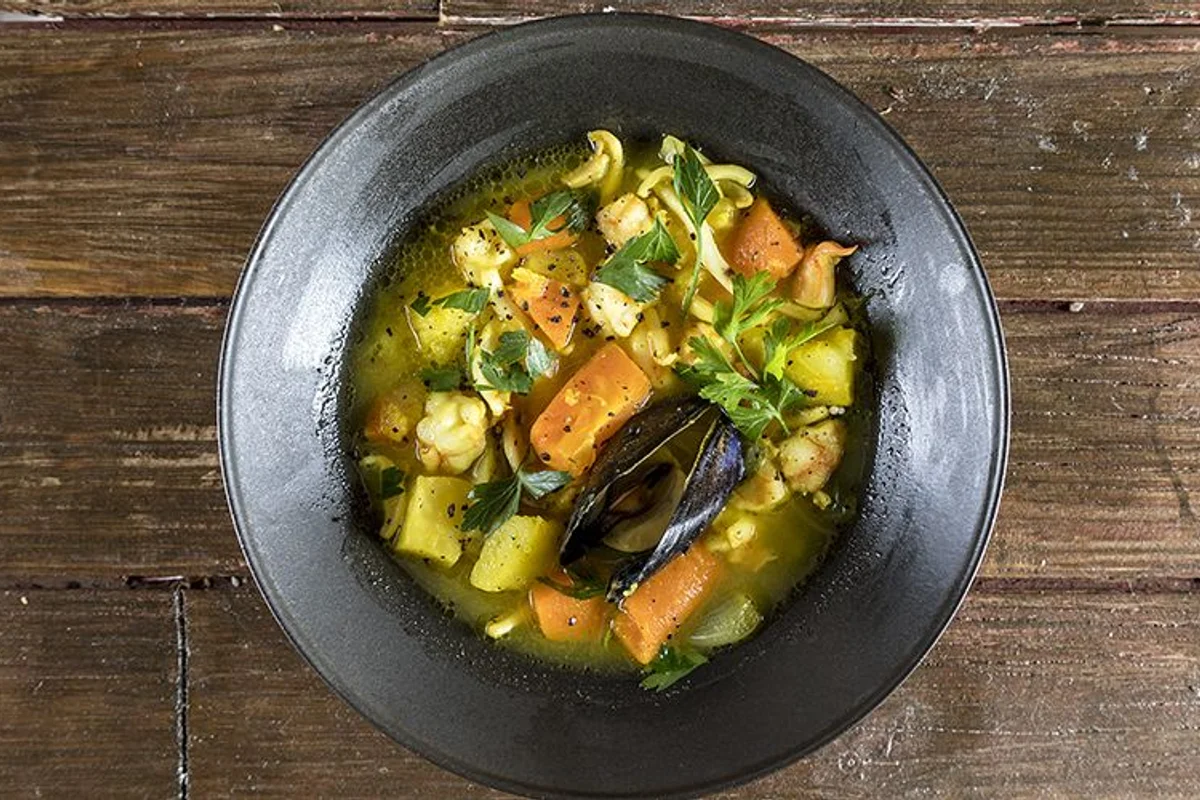
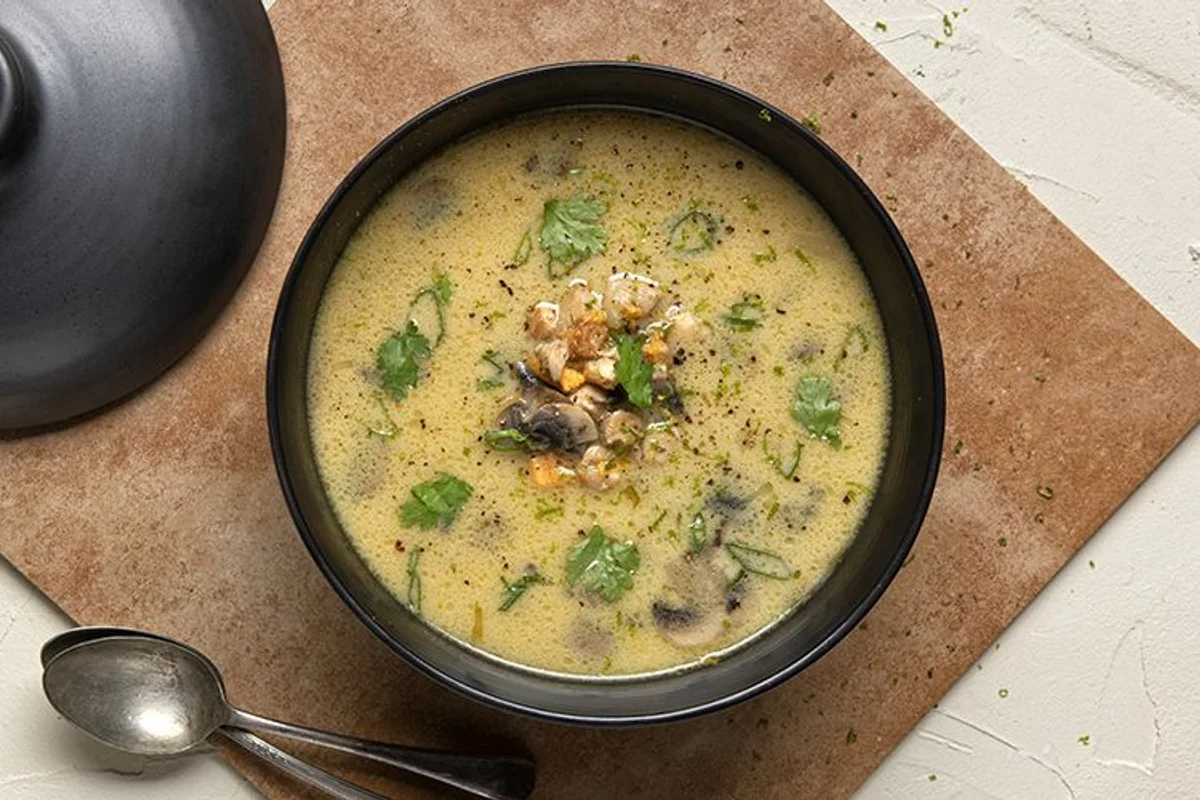
- Thai Potsticker Soup – Plump dumplings and crisp vegetables in an aromatic ginger coconut broth.
- Spicy Fish Soup – Flaky white fish and fragrant aromatics in a zesty chili tomato broth.
Japanese Harusame Noodle Soup
Ingredients
Method
- Place the dry harusame noodles into a heatproof bowl, cover completely with hot boiling water, and soak for 5 minutes until soft and translucent. Drain thoroughly in a colander and use kitchen shears to cut them into manageable lengths.
- Thinly slice the fresh mushrooms, julienne the carrots into slender matchsticks, and rinse the leafy greens.
- In a medium soup pot, combine the broth and grated ginger. Bring the mixture to a gentle simmer over medium heat.
- Add the sliced mushrooms and julienned carrots to the simmering broth. Let them cook gently for 4 to 5 minutes until tender-crisp.
- Stir in the Japanese soy sauce and toasted sesame oil, letting the fragrant savory aromas infuse into the liquid.
- Add the softened harusame noodles and fresh spinach or bok choy into the hot broth. Simmer for 1 to 2 minutes just until the greens wilt and the noodles heat through.
- Remove the pot from the heat. Ladle the clear noodles, mushrooms, and broth into individual bowls, and garnish with sliced green onions and toasted sesame seeds before serving warm.