
A warm bowl of soup can change an entire day. When the weather turns chilly, or when someone in your home feels under the weather, nothing brings comfort quite like a pot bubbling on the stove. The gentle aroma of sweet onions, crisp carrots, and earthy celery cooking in a little fat instantly makes any house feel like a cozy home. It is a timeless classic that brings people together around the kitchen table, spoon after spoon.
Making this staple meal in your own kitchen is much simpler than most people think. You do not need professional chef skills or complicated culinary tools to make a broth that tastes deep, rich, and soul-satisfying. By using simple, wholesome ingredients from your local grocery store, you can build layers of clean flavor that taste far better than anything you can pour out of a metal tin. Every spoonful gives you tender bites of lean poultry, soft ribbons of pasta, and garden vegetables bathed in a savory, golden broth.
Cooking at home also gives you complete power over what goes into your family’s dinner. You can control the amount of salt, choose quality meat, and pack your bowl with extra vegetables whenever you want. This recipe is designed to be dependable, straightforward, and fast enough for a busy weeknight, while still tasting like it took all afternoon to simmer. Grab your favorite cutting board, sharpen your knife, and get ready to enjoy pure comfort in a bowl.
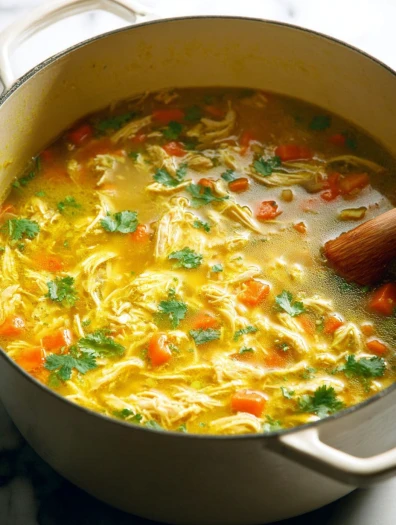
If you love wholesome, comforting soups, you’ll also love our Ultimate Chicken Soup.
Why Make Homemade Chicken Noodle Soup
Making chicken noodle soup at home is one of the most rewarding kitchen projects you can undertake. While canned versions line supermarket shelves, they often contain far too much sodium, artificial flavorings, and mushy noodles that have lost all their texture. When you make it yourself from scratch, you taste the crisp sweetness of fresh carrots, the clean bite of celery, and the delicate herbal notes of thyme. Every single ingredient maintains its own identity while working in harmony with the golden broth.
This dish is especially wonderful during the cold months of autumn and winter. When cold winds blow and darkness falls early, a hot bowl provides instant physical warmth and emotional calm. It also serves as the ultimate remedy during cold and flu season. The warm steam helps clear stuffy sinuses, the mild broth keeps you hydrated, and the lean protein gives your body the strength it needs to recover. Beyond its healing powers, this soup offers incredible economic value. With just a handful of affordable vegetables, a carton of broth, and a couple of chicken breasts, you can easily feed a whole family with plenty of leftovers for lunch the next day.
Why You’ll Love This Homemade Chicken Noodle Soup
You will fall in love with this recipe because it strikes the perfect balance between rustic, old-fashioned comfort and modern kitchen convenience. It does not demand that you boil a whole bird for hours on end, yet it still delivers that deep, slow-cooked taste that reminds you of childhood. Everything comes together in a single large soup pot, which means you spend less time washing dishes and more time relaxing with your loved ones.
Another reason this meal stands out is its pure balance. Many soups end up either too heavy or thin and watery. This recipe hits the sweet spot. The broth stays light and clean, yet it carries enough body to coat your tongue pleasantly. The pasta cooks directly in the seasoned stock, soaking up savory flavor while releasing just enough starch to give the liquid a silky finish. It is a foolproof formula that turns out wonderful results every single time you cook it.
Cozy Flavor with Everyday Ingredients
The magic of this soup lies in how ordinary ingredients turn into something extraordinary. You do not need exotic spices, rare herbs, or expensive grocery store items. Instead, the recipe builds its foundation on the holy trinity of aromatic vegetables: onions, carrots, and celery. Known across the cooking world as the classic flavor base, these humble root and garden vegetables release natural sugars and savory aromas as they gently cook in warm oil.
Garlic joins the pan next, adding a gentle punch of earthiness that rounds out the sweetness of the carrots and onions. A single dried bay leaf and a pinch of thyme infuse the hot liquid with gentle woodsy notes. These dried herbs slowly bloom in the hot broth, creating that familiar, nostalgic aroma that fills the entire house. A final splash of fresh lemon juice right at the end wakes up all the flavors, cutting through the richness of the poultry and making every ingredient taste brighter and fresher.
Quick to Make, Easy to Love
Many traditional soup recipes require you to stand by the stove for three or four hours. This modern version delivers all that classic flavor in roughly thirty-five to forty minutes from start to finish. Because you poach boneless, skinless chicken directly in the simmering broth, the meat stays incredibly juicy and tender while cooking in under fifteen minutes. Once you remove the meat to shred it, the noodles cook right in the same hot pot. Dinner goes from the cutting board to the dinner table with zero fuss and minimum stress, making it a regular favorite on busy weeknights.
Ingredients and Substitutions
To make the very best pot of soup, using the right balance of fresh produce, lean meat, and pantry staples makes all the difference. Below is a detailed look at everything you need to gather on your kitchen counter before turning on the heat, along with helpful guidance on how each component works within the recipe.
What You’ll Need for This Recipe
- Olive Oil or Butter (2 tablespoons): This fat serves as the cooking medium for sweating your chopped vegetables. Olive oil offers a clean, fruity background, while butter brings a rich, classic diner-style flavor. You can even use one tablespoon of each for the best of both worlds.
- Medium Onion (1 whole): A yellow or white onion works best here. Finely diced, it melts into the base of the soup, offering natural sweetness and a savory backbone that supports every other ingredient.
- Celery Stalks (2 stalks): Diced celery adds a crisp, herbal bite and clean freshness. Be sure to chop any pale tender leaves attached to the stalks and throw them in too, as they carry wonderful flavor.
- Medium Carrots (3 whole): Sliced into neat little rounds or half-moons, carrots provide natural sweetness, vibrant orange color, and a pleasant soft chew that defines classic comfort soup.
- Garlic Cloves (3 cloves): Freshly minced garlic provides essential warmth. Avoid garlic powder here if you can, as real garlic cloves release natural oils that blend beautifully into the cooking fat.
- Low-Sodium Chicken Broth (8 cups): Choosing a low-sodium or unsalted chicken broth is vital. It allows you to control the exact saltiness of your dish without accidentally making it too salty as the liquid reduces. You can use homemade stock or a high-quality store-bought carton.
- Boneless, Skinless Chicken (1 1/2 pounds): You can choose either chicken breasts or chicken thighs. Breasts yield lean, clean shreds of white meat, while thighs provide richer flavor and stay exceptionally juicy even if cooked a few minutes longer.
- Egg Noodles (8 ounces): Wide or extra-wide dried egg noodles are the traditional choice. They have a tender, bouncy bite and hold onto the broth wonderfully well.
- Dried Bay Leaf (1 whole): A classic soup seasoning that gives off subtle herbal notes of tea and eucalyptus as it steeps in the hot liquid.
- Thyme (1 teaspoon dried or 1 tablespoon fresh): Thyme is the signature herb for poultry dishes. It adds a gentle woodsy aroma that makes the broth taste homemade.
- Salt and Black Pepper: Coarse kosher salt and freshly cracked black pepper enhance all the natural flavors. Always season in layers and taste before serving.
- Fresh Parsley and Lemon Juice: A handful of flat-leaf parsley adds a pop of bright green color, while a fresh squeeze of lemon juice cuts through the savory fat and brightens the overall broth.
Smart Swaps for Dietary Needs
One of the best qualities of homemade soup is how adaptable it can be for different dietary preferences or allergies. If you are cooking for someone who cannot eat gluten, you can easily replace the traditional wheat egg noodles with your favorite gluten-free pasta. Rice noodles, gluten-free corn-and-rice blend rotini, or even brown rice work wonderfully. When using gluten-free pasta, cook it separately in plain water and add it directly to individual bowls so it does not turn mushy in the main pot.
For a lower-carbohydrate version, you can completely skip the noodles and load up the pot with spiralized zucchini noodles, thinly shredded green cabbage, or extra diced vegetables like zucchini, cauliflower florets, and parsnips. If you prefer dark meat over white meat, boneless skinless chicken thighs make an exceptional direct substitute for breasts. They contain slightly more healthy fat, which makes the soup broth even more flavorful and rich.
Smart Variation (Optional)
If you want to give this classic recipe a creamy twist without adding heavy cream, you can stir in half a cup of whole milk mixed with a tablespoon of cornstarch during the final three minutes of cooking. Another fun variation is adding a pinch of freshly grated ginger and a dash of turmeric along with the garlic. The ginger adds gentle heat that soothes your throat, while the turmeric gives the broth a gorgeous, bright golden color that looks stunning in the bowl.
How to Make Homemade Chicken Noodle Soup
Making this soup follows an orderly, relaxing rhythm. Taking your time to build the foundation makes the difference between an average soup and an unforgettable one. Follow these simple steps to cook a hot, comforting pot of homemade goodness.
Step-by-Step Cooking Instructions
Step 1: Place a large Dutch oven or heavy soup pot on the stove and set the heat to medium. Add two tablespoons of olive oil or butter and let it melt. Toss in the diced onion, diced celery, and sliced carrots. Stir the vegetables well so they are coated in the warm fat. Cook them for about 6 to 8 minutes, stirring occasionally. You want the vegetables to become tender and the onions to turn translucent, but do not let them turn brown.
Step 2: Stir the minced garlic into the softened vegetables. Keep stirring continuously for about 30 seconds until you smell the rich aroma of the garlic rising from the pot. Be careful not to leave it unattended, as garlic burns easily and can taste bitter if left in direct heat for too long.
Step 3: Pour in the eight cups of low-sodium chicken broth, scraping the bottom of the pot with a wooden spoon to release any tasty browned bits. Drop in the dried bay leaf and the dried thyme. Stir everything together gently, turn the heat up slightly to medium-high, and bring the liquid to a steady, gentle simmer.
Step 4: Carefully lower the raw chicken breasts or thighs directly into the simmering broth. Make sure the chicken pieces are fully submerged in the hot liquid. Lower the heat to medium-low, place a tight lid on the pot, and let the chicken poach gently for 12 to 15 minutes. Check the thickest part of the meat with a digital meat thermometer; it should read at least 165°F (74°C). Use kitchen tongs to remove the cooked chicken to a clean plate or cutting board, and let it rest on the counter so the juices stay inside.
Step 5: Keep the broth at a gentle boil over medium heat and pour in the eight ounces of egg noodles. Give the pot a quick stir so the noodles do not clump together. Cook them uncovered according to the package directions, usually around 6 to 8 minutes, until they are tender to the bite but still have a tiny bit of firmness.
Step 6: While the noodles are cooking, take two dinner forks and shred the rested chicken into bite-sized strips or chunks. Once the noodles are tender, slide the shredded chicken and any juices collected on the plate back into the simmering pot. Stir well to combine. Sprinkle in a generous pinch of salt and freshly ground black pepper. Use a spoon to fish out and discard the bay leaf.
Step 7: Turn off the burner and take the pot off the heat. Stir in the freshly chopped parsley and squeeze in a fresh wedge of lemon juice. Dip a spoon into the broth, taste it carefully, and add a little more salt or black pepper if you feel it needs it. Ladle the hot soup into deep bowls and serve immediately with crusty bread or crackers.
Tips for Texture, Timing & Tools
To achieve the best results, use a heavy-bottomed pot or an enameled Dutch oven. Heavy cookware spreads heat evenly across the bottom, preventing your onions and garlic from scorching. When chopping your vegetables, aim for uniform bite-sized pieces so that every spoonful contains a balanced mix of carrot, celery, and onion.
Keep a close eye on your pasta during Step 5. Egg noodles cook quickly, and they continue to soften in the hot broth even after you turn off the heat. If you cook them past the package recommendation, they will absorb too much broth and turn mushy. Pulling the pot off the stove when the noodles still have a slight chew ensures that your soup keeps an enjoyable, hearty texture from the first bowl to the last.
Storage & Reheating
Homemade chicken noodle soup makes fantastic leftovers, but storing it correctly preserves the flavor and texture of every component. Liquid and pasta react over time, so keeping a few basic storage rules in mind will keep your leftovers tasting just as good as the day you made them.
How to Store It Right
Before storing your leftover soup, let the pot cool down at room temperature for roughly thirty to forty minutes. Never put a boiling hot pot straight into your refrigerator, as it can raise the internal temperature of your fridge and affect other fresh foods. Once the soup is warm rather than piping hot, transfer it into airtight glass or BPA-free plastic food storage containers.
Keep the soup stored in the refrigerator for up to 3 to 4 days. As the soup sits in the cold fridge, the egg noodles will slowly drink in the broth like little sponges. Do not panic if you open your container the next day and notice that much of the liquid has disappeared; this is completely normal. Simply keep a little extra chicken broth or water handy when you are ready to eat.
Reheating Without Losing Flavor
The best way to reheat your soup is on the stovetop over medium-low heat. Pour your desired portion into a small saucepan. Because the noodles will have absorbed some liquid, add a quarter cup of fresh chicken broth or plain water to loosen everything up. Heat the saucepan gently until the broth begins to bubble softly and the chicken warms all the way through, which usually takes about 5 to 7 minutes.
If you need to use a microwave for a quick work lunch, transfer a portion to a microwave-safe ceramic bowl. Add two tablespoons of water or broth, place a paper towel or microwave cover loosely over the bowl, and heat on high power for 90 seconds. Stir the soup thoroughly to eliminate any cold spots, then heat for another 30 to 45 seconds until steaming hot. Finish with a fresh crack of black pepper to revive the flavor.
A Dish Worth Making Again and Again
Once you realize how simple and rewarding this process is, you will never want to reach for a store-bought can again. It is an honest, dependable recipe that feeds both body and spirit with pure comfort. Making it becomes a relaxing kitchen ritual that you will look forward to sharing with friends, children, and neighbors year after year.

Homemade Chicken Noodle Soup
Ingredients
Method
- Heat oil in a large pot over medium heat. Add onion, celery, and carrots. Cook, stirring occasionally, until vegetables soften, about 6–8 minutes.
- Add garlic and cook 30 seconds until fragrant.
- Pour in chicken broth and add the bay leaf and thyme. Bring to a gentle simmer.
- Add the whole chicken breasts or thighs to the simmering broth. Cover and cook 12–15 minutes, until the chicken reaches 165°F (74°C). Remove chicken and let rest.
- Add noodles to the simmering broth and cook according to package directions until just tender.
- Shred the cooked chicken with two forks and return it to the pot. Season with salt and pepper. Remove the bay leaf.
- Stir in chopped parsley and a squeeze of lemon. Taste and adjust seasoning. Serve hot.
(FAQs)
Can I make this soup ahead of time?
Yes, you can easily make this soup ahead of time, but there is one smart trick you should follow to keep the noodles from getting mushy. If you plan to make the soup a day or two before serving, cook the recipe through Step 4, where the chicken is poached and shredded, but stop before adding the noodles. Store the vegetable and chicken broth in the refrigerator. When you are ready to serve the meal, bring the soup back to a rolling simmer on the stove, add the noodles, and let them cook fresh for 6 to 8 minutes. This ensures your noodles have the perfect tender bite when you sit down to eat.
What can I substitute for the main ingredients?
This recipe is very forgiving, allowing you to use what you already have in your kitchen. If you do not have boneless raw chicken breasts or thighs, you can use shredded leftover rotisserie chicken or roast chicken meat. If using pre-cooked chicken, simply add it at the very end with the noodles so it heats through without turning tough. If you do not have egg noodles, you can use broken pieces of fettuccine, ditalini, small pasta shells, or even cooked white rice. For the aromatics, leeks or shallots make a tasty substitute for yellow onions, and fresh dill can be swapped in place of parsley for a delicious, traditional Jewish deli-style flavor.
Can I freeze Homemade Chicken Noodle Soup?
You can freeze this soup, but with one critical piece of advice: freeze it without the egg noodles. Cooked pasta does not freeze well in liquids; when thawed, the noodles break apart into a grainy mush that ruins the silky texture of the broth. To freeze this meal successfully, prepare the soup through the step where you return the shredded chicken to the broth, but omit the pasta entirely. Allow the soup to cool completely in the refrigerator, then pour it into freezer-safe containers or heavy-duty zip-top freezer bags, leaving an inch of empty space at the top for liquid expansion. Freeze for up to three months. When you are ready to eat, thaw the soup overnight in the fridge, heat it to a simmer on the stove, and cook your noodles directly in the hot liquid right before serving.
How do I adjust the flavor and texture to my liking?
Adjusting the taste of your soup is very simple once you know what to look for. If your soup tastes a bit flat or boring, it almost always needs more salt or acid. Start by adding a half-teaspoon of kosher salt and another small squeeze of fresh lemon juice; this instantly lifts the savory flavors and brightens the broth. If you prefer a richer, more full-bodied broth, stir in an extra tablespoon of butter right at the end, or simmer a leftover parmesan cheese rind in the broth while the chicken poaches. If you like a thicker, stew-like soup, cut down the chicken broth to six cups, or increase the quantity of vegetables and shredded chicken to make every spoonful extra dense and filling.
Final Thoughts
Cooking a pot of homemade chicken noodle soup is one of the simplest acts of love you can perform in your kitchen. It takes basic, humble ingredients that cost very little money and transforms them into a meal that brings genuine comfort and joy. Whether you are caring for a sick family member, warming up after a snowy afternoon outdoors, or simply enjoying a quiet dinner after a long day at work, this recipe will never let you down.
Do not be afraid to make this recipe your own as time goes on. Add extra carrots if your kids love their sweet crunch, toss in a handful of fresh baby spinach at the very end for extra greens, or try different pasta shapes to keep dinner fun. Good cooking does not have to be difficult or stressful. With a single soup pot, a wooden spoon, and a little bit of care, you can create wonderful memories around the dinner table, one warm, nourishing bowl at a time.


2 thoughts on “Homemade Chicken Noodle Soup”