Imagine a chilly autumn evening where the wind whistles through the eaves and the only true remedy is a bowl of something thick, golden, and profoundly comforting. Broccoli cheddar soup has long been the gold standard of cafe-style indulgence, often associated with crusty bread bowls and a velvety, cheese-laden consistency that feels like a warm hug for the soul. However, traditional versions often lean heavily on thickeners and heavy creams, leaving you feeling sluggish shortly after the last spoonful is gone. This High Protein Broccoli Cheddar Soup reimagines that classic experience, elevating it from a simple side dish to a nutritionally dense, muscle-fueling powerhouse that retains every bit of that nostalgic, savory charm.
The secret to this recipe lies in its sophisticated layering of flavors and the clever use of whole-food ingredients to achieve a creamy texture without the need for excessive fats. By integrating rich bone broths and blended plant-based proteins, we create a base that is not only satisfying to the palate but also incredibly supportive of your daily wellness goals. Each spoonful is a symphony of textures: the tender bite of garden-fresh broccoli florets, the silkiness of melted sharp cheddar, and the aromatic depth of slow-cooked root vegetables. It is a dish that proves you never have to choose between deep, gourmet flavor and a meal that makes you feel vibrant and energized.
As you prepare this soup in your own kitchen, you will notice the way the sharp scent of cheddar mingles with the earthy sweetness of sautéed carrots and onions, filling your home with an aroma that signals pure comfort. Whether you are an athlete looking for a recovery meal that actually tastes like a treat, a busy parent trying to sneak more greens into a family dinner, or simply a culinary enthusiast who appreciates the art of a well-balanced soup, this recipe is designed for you. It is more than just a meal; it is a masterclass in how modern cooking can honor tradition while embracing the benefits of high-protein, nutrient-forward ingredients.
Why Make High Protein Broccoli Cheddar Soup
In the modern culinary landscape, the demand for meals that serve multiple purposes has never been higher. We no longer just want food that tastes good; we want food that works for us. Making a high-protein version of broccoli cheddar soup is a strategic move for anyone looking to optimize their kitchen time. Traditional cream-based soups are often high in empty calories and low in the macronutrients that keep our metabolisms humming. By shifting the focus toward protein, you are creating a meal that provides sustained energy, preventing the mid-afternoon or late-evening blood sugar crashes that often follow a carb-heavy meal. Protein is the building block of repair, and when it is delivered in a warm, easily digestible liquid form like this soup, it becomes the ultimate recovery food.
Furthermore, this soup is a nutritional powerhouse thanks to its namesake ingredient: broccoli. Broccoli is a cruciferous vegetable that is often celebrated for its high fiber content, Vitamin C, and Vitamin K. However, when broccoli is paired with a high-protein base, the bioavailability of its nutrients is complemented by the satiety provided by the protein. This makes the soup an incredible tool for weight management and digestive health. The fiber from the broccoli and the added legumes or bone broth work together to promote a healthy gut, while the protein ensures that your muscles are fed and your appetite is kept in check for hours after eating.
Beyond the health benefits, there is a logistical reason to make this soup: it is the ultimate meal-prep champion. Many high-protein meals, such as grilled chicken or seared steaks, can become dry or unappealing when reheated in a microwave. Soup, however, is a medium that actually improves with time. As the soup sits in the refrigerator, the flavors of the sharp cheddar, the aromatic garlic, and the earthy herbs continue to meld and deepen. This means that your lunch on Wednesday might actually taste better than your dinner on Monday. For the busy professional or the student on the go, having a container of this soup ready to heat and eat is a literal lifesaver, providing a gourmet experience in under three minutes.
There is also the undeniable factor of “stealth health.” If you have children or picky eaters in your household who turn their noses up at a plate of steamed broccoli, this soup is your secret weapon. When the broccoli is chopped finely and submerged in a sea of delicious, melted cheese and savory broth, it becomes much more approachable. The high protein content is hidden within the creamy texture, meaning your loved ones are getting a balanced, muscle-building meal without even realizing they are eating something “healthy.” It bridges the gap between a “health food” and a “comfort food” so seamlessly that it becomes a permanent fixture in the weekly dinner rotation.
Finally, making this soup at home allows you to control the quality of every single ingredient. Store-bought or restaurant versions of broccoli cheddar soup are frequently loaded with excessive sodium, artificial thickeners, and low-quality oils. When you take the reins in your own kitchen, you can choose the highest quality grass-fed cheddar, the richest organic bone broth, and the freshest produce. This control ensures that you are not just eating a meal, but you are nourishing your body with the finest fuel possible. The act of stirring a pot of simmering soup is also a form of culinary therapy—a way to slow down, connect with your ingredients, and create something beautiful from scratch.
Why You’ll Love This High Protein Broccoli Cheddar Soup
You will love this soup because it strikes the perfect balance between decadence and lightness. Usually, a soup this creamy would require a heavy roux made of white flour and butter, or several cups of heavy cream. This version achieves its luxurious mouthfeel through the clever use of blended white beans and the natural starches found in carrots and celery. This means you get all the velvety satisfaction of a premium bisque without the heavy, weighted-down feeling that often follows. It is a “clean” kind of comfort that leaves you feeling satisfied and light on your feet, making it appropriate for any time of day, from a quick lunch to a post-workout dinner.
The flavor profile is another reason this recipe will become a favorite. We don’t just rely on salt for flavor; we use a foundation of aromatics. The combination of sautéed onions, carrots, and celery—the classic mirepoix—provides a natural sweetness and depth that serves as the perfect backdrop for the sharp, tangy notes of the cheddar cheese. The addition of fire-roasted tomatoes or white beans adds a subtle complexity that you won’t find in a standard canned soup. There is a hint of earthiness from the Italian herbs and a gentle heat from the black pepper that tickles the back of the throat, making every bite interesting and multi-dimensional.
Accessibility is at the heart of this recipe. You do not need expensive, specialized kitchen gadgets or a degree from a culinary institute to master this dish. While an immersion blender is helpful for achieving that ultra-smooth texture, it is not strictly necessary if you prefer a more rustic, chunky soup. The ingredients are pantry staples that you likely already have or can easily find at any local grocery store. This is a recipe for the real world—for the nights when you are tired but still want to eat something that feels like it came from a high-end bistro. It is forgiving, adaptable, and consistently delicious.
Another reason to love this soup is its incredible versatility. While it is a “Broccoli Cheddar” soup at its core, it serves as a blank canvas for your culinary creativity. If you have extra kale in the fridge, toss it in. If you want a bit more kick, add a pinch of red pepper flakes. If you are following a specific dietary path, the substitutions are endless. It adapts to your life, rather than forcing you to adapt to it. This flexibility makes it a reliable “go-to” recipe that you can pull out of your back pocket whenever you need a guaranteed win at the dinner table.
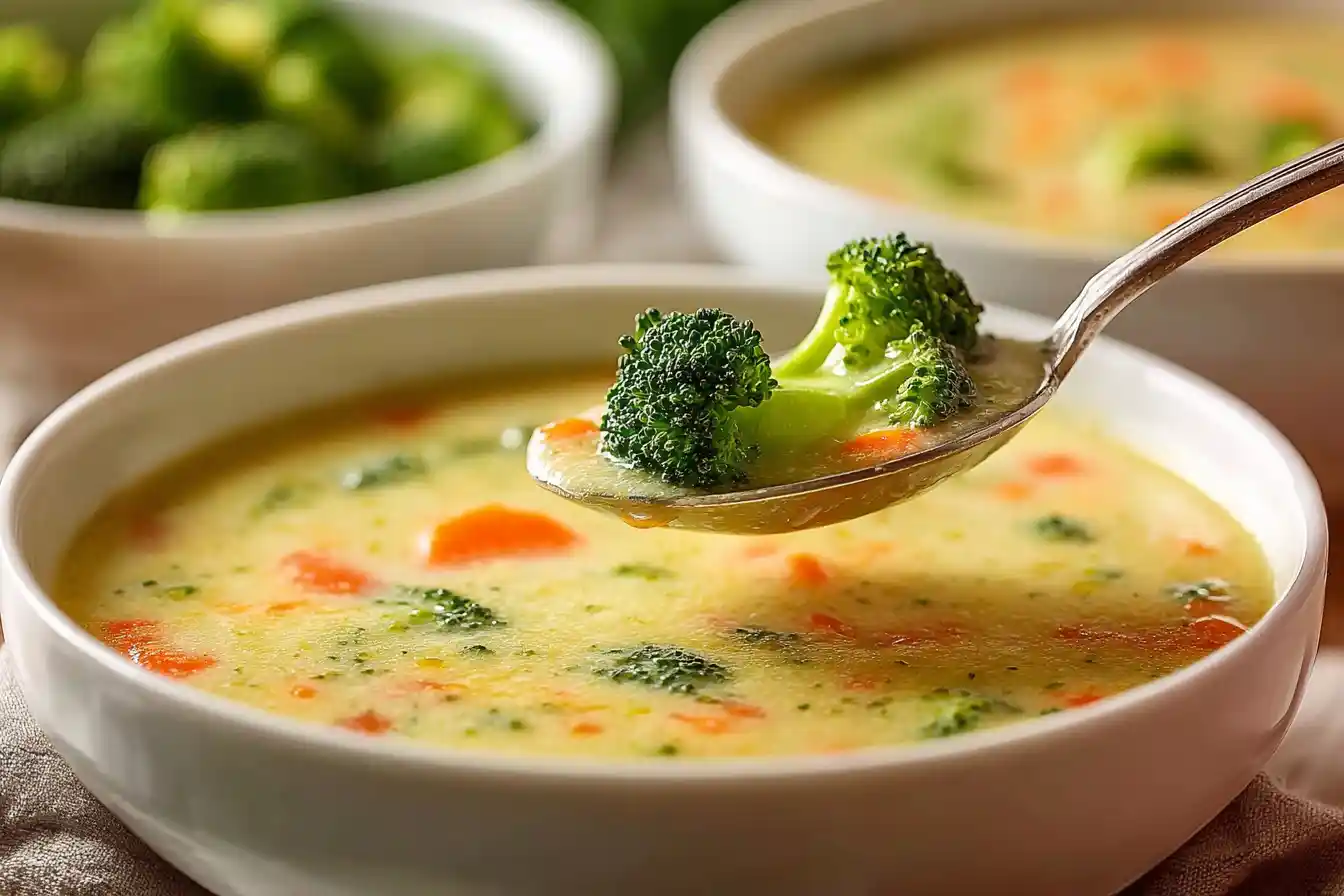
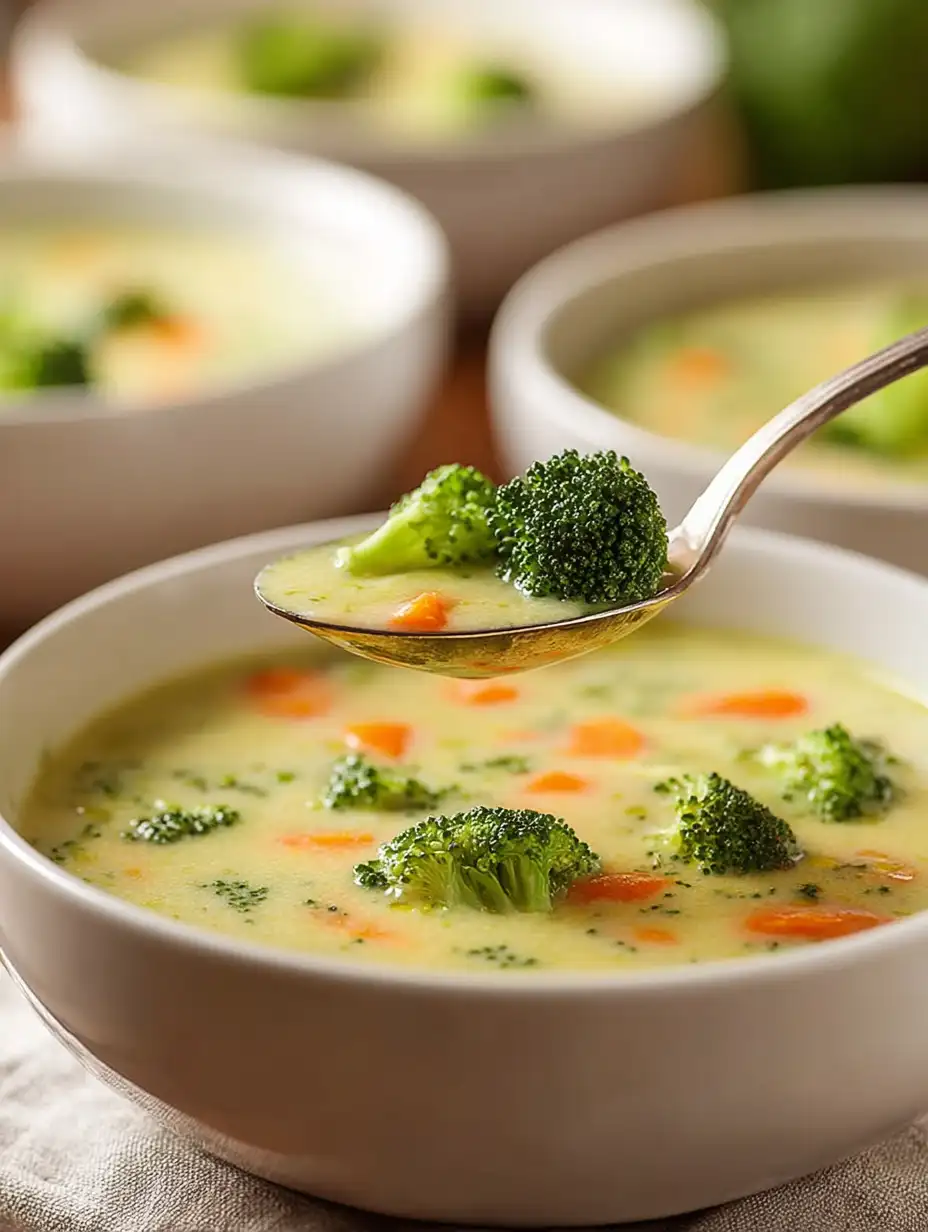
Lastly, you will love the way this soup makes your kitchen feel. There is something deeply primal and satisfying about a bubbling pot on the stove. The visual of the bright green broccoli against the golden cheese sauce is stunning, making it a beautiful dish to serve to guests. It looks as good as it tastes, and it tastes like you spent hours slaving over the stove, even though the actual active prep time is quite manageable. It is a dish that commands respect and brings people together, inviting them to sit down, grab a spoon, and enjoy a moment of pure, unadulterated culinary joy.
Ingredients and Substitutions
Creating a masterpiece starts with understanding your palette. In this recipe, every ingredient has been chosen not just for its flavor, but for its functional role in creating a high-protein, nutrient-dense profile. Below is the list of core ingredients that form the backbone of this savory soup:
- 2 tablespoons extra virgin olive oil or unsalted butter
- 1 large yellow onion, finely diced
- 3 medium carrots, peeled and sliced into uniform rounds
- 3 stalks celery, finely sliced
- 4 cloves fresh garlic, finely minced
- 6 cups low-sodium chicken bone broth or rich vegetable stock
- 1 can (15 ounces) diced fire-roasted tomatoes or cooked white cannellini beans, rinsed and drained
- 1 teaspoon dried Italian herb blend (oregano, basil, thyme)
- 1 teaspoon fine sea salt, plus more to taste
- 1/2 teaspoon freshly cracked black pepper
- 2 cups fresh baby spinach leaves or chopped flat-leaf kale
- 2 tablespoons freshly chopped parsley or grated Parmesan cheese, for serving
The Fat Base: Olive oil offers a bright, peppery note and heart-healthy fats, while unsalted butter provides a classic, rich dairy undertone that complements the cheddar. If you are looking for a dairy-free option, coconut oil can work, though it will add a very slight tropical hint. For a more neutral profile, avocado oil is an excellent high-heat substitute.
The Aromatics: The “holy trinity” of onion, carrot, and celery is non-negotiable for depth of flavor. The yellow onion provides a foundational sweetness when cooked down. Carrots add both color and a subtle sugary note that balances the sharpness of the cheese. Celery adds a necessary saltiness and structural integrity. If you are short on time, many stores sell pre-chopped mirepoix mixes that work perfectly here.
The Garlic: Fresh garlic is always superior to the jarred variety. It provides a pungent, spicy kick that mellows into a buttery sweetness as it simmers. If you absolutely must substitute, use one teaspoon of garlic powder, but try to stick with the fresh cloves for the best aromatic experience.
The Liquid Gold: Bone broth is the secret weapon for the “high protein” claim. Unlike standard chicken broth, bone broth is simmered for longer periods, extracting collagen and amino acids. This adds a richness and body to the soup that water or thin stocks simply cannot match. For vegetarians, a high-quality, mushroom-based vegetable stock can provide a similar “umami” depth.
The Protein Boosters: While the cheddar provides protein, the addition of white cannellini beans is a stroke of genius. When blended, these beans become incredibly creamy, mimicking the texture of a heavy flour-based roux while adding fiber and even more protein. If you choose the fire-roasted tomatoes instead, you will get a zestier, more acidic soup that cuts through the richness of the cheese beautifully.
The Greens: While the broccoli (added in the cooking steps) is the star, the addition of baby spinach or kale at the very end adds a pop of vibrant color and a boost of iron and folate. Spinach will wilt quickly and almost disappear into the soup, while kale will provide a bit more texture and “chew.”
The Cheese (Essential Addition): To make this a true Broccoli Cheddar soup, you will need 2 to 3 cups of high-quality sharp cheddar cheese. Always grate your cheese from a block. Pre-shredded cheeses are coated in potato starch or cellulose to prevent clumping, which can lead to a grainy texture in your soup. A sharp or extra-sharp cheddar provides the most flavor “punch” per ounce.
The Broccoli (Essential Addition): You will need approximately 4 to 6 cups of fresh broccoli florets. If you use frozen broccoli, ensure it is thawed and drained well to avoid adding excess water to your soup. Chopping the florets into very small pieces ensures that they cook quickly and distribute evenly throughout every spoonful.
How to Make High Protein Broccoli Cheddar Soup
Mastering this soup is all about the sequence of events. While it may seem like you are just throwing ingredients into a pot, the order in which you add them determines the final complexity of the dish. You want to build layers of flavor, starting with the base aromatics and ending with the delicate cheese and greens. This ensures that the vegetables are perfectly tender, the protein is well-integrated, and the cheese doesn’t separate or become stringy. Pay close attention to the heat levels; a gentle simmer is always preferable to a rolling boil, as it preserves the integrity of the vitamins and the delicate texture of the dairy.
Step-by-Step Cooking Instructions
Step 1: Gather all ingredients, clean prep surfaces, and measure out your seasonings. Wash your fresh produce in cold water and slice all vegetables into uniform, bite-sized pieces so that every mouthful cooks evenly. This preparation phase, often called “mise en place,” is the hallmark of an elite cook. By having your carrots, celery, onions, and broccoli ready to go, you prevent the stress of chopping while the garlic is already sizzling in the pan. Use a sharp chef’s knife to ensure clean cuts, which helps the vegetables release their juices more consistently.
Step 2: Set your primary cooking vessel (heavy skillet, Dutch oven, or soup pot) over medium heat on your stovetop, or preheat your oven to the exact target baking temperature specified in the recipe. Add your cooking fat (olive oil or butter) and allow it to shimmer. You will know the fat is ready when it moves fluidly across the bottom of the pan like water. If using butter, wait for the foaming to subside but do not let it turn brown. This initial heat is crucial for setting the stage for the aromatics to release their essential oils.
Step 3: Add your aromatic vegetables (diced onions, carrots, and celery) to the hot fat. Cook gently over medium heat for 5 to 7 minutes until tender, translucent, and sweet, stirring in the minced garlic during the final 60 seconds so it blooms without burning. Listen for a soft sizzling sound—this indicates the moisture is escaping and the flavors are concentrating. The onions should look like stained glass, and the carrots should begin to soften slightly at the edges. The aroma of the garlic should be fragrant and inviting, not acrid or bitter.
Step 4: Introduce your primary protein or core ingredients along with your dry herb and spice seasonings. Stir thoroughly for 2 to 3 minutes to coat every surface in the savory aromatic oil and allow the spices to toast lightly. This is when you add your chopped broccoli florets and your white beans. By tossing them in the oil and aromatics before adding the liquid, you “seal” in a bit of that sautéed flavor. You will see the broccoli turn a more vibrant, brilliant green as it hits the heat, and the Italian herbs will begin to perfume the air as they wake up in the warm oil.
Step 5: Pour in your cooking broths, sauces, or fold in your blended dressings. Bring the mixture to a gentle, steady simmer over medium-low heat, stirring well to incorporate all the caramelized flavor from the bottom of the pan. Use a wooden spoon to scrape the bottom of the pot; those little stuck-on bits are concentrated flavor. As the bone broth merges with the vegetables, the liquid will begin to take on a golden, opaque quality. If you are using the white bean method, you can blend a portion of the soup now to create that signature creamy base.
Step 6: Cover with a tight-fitting lid or transfer to the preheated oven. Cook for the recommended duration (40 minutes) until the food reaches safe internal temperature (165°F for poultry, or fork-tender for vegetables and soups). During this time, the broccoli will soften until it is nearly melting into the broth, and the carrots will become perfectly tender. The 40-minute window allows the collagen in the bone broth and the fibers in the vegetables to relax, creating a cohesive and harmonious texture. Avoid the temptation to lift the lid too often, as this lets out the steam necessary for even cooking.
Step 7: Remove the dish from heat and allow it to rest undisturbed for 5 minutes. Taste carefully to evaluate seasoning, adjust with a fresh squeeze of lemon juice, sea salt, or cracked pepper, and serve warm or chilled as intended with fresh herbs on top. This is the critical moment to stir in your shredded cheddar cheese and your spinach or kale. The residual heat of the soup is enough to melt the cheese into a smooth, silky sauce and wilt the greens without overcooking them. Stir in a circular motion until the soup is a uniform, cheesy masterpiece, then ladle into bowls and garnish with fresh parsley or a sprinkle of Parmesan.
Storage & Reheating
One of the greatest joys of a large pot of soup is the gift of leftovers. However, because this soup contains dairy and high-protein ingredients, proper storage is essential to maintain its safety and its exquisite texture. Once the soup has finished its five-minute rest and you have enjoyed your first serving, allow the remaining portion to cool to room temperature. Do not leave it out for more than two hours, as this can invite unwanted bacterial growth. For the best results, transfer the soup into airtight glass containers. Glass is preferable to plastic as it does not retain odors and allows for a cleaner reheat.
In the refrigerator, this High Protein Broccoli Cheddar Soup will stay fresh and delicious for up to four to five days. You may notice that the soup thickens significantly as it chills; this is completely normal and is a sign of the high protein and fiber content. The bone broth and blended beans set into a almost gel-like consistency when cold. When you are ready to enjoy it again, simply add a splash of water or extra broth to the pot to loosen it back up to your desired consistency. Reheating should be done slowly over medium-low heat on the stovetop, stirring frequently to ensure the cheese redistributes evenly and doesn’t stick to the bottom of the pan.
Can you freeze this soup? The answer is a resounding yes, but with one small caveat. While the base of the soup freezes beautifully, high-fat dairy like cheddar cheese can sometimes change texture slightly when thawed, occasionally becoming a bit grainy. To mitigate this, if you are planning to freeze a whole batch, you might consider freezing the soup before adding the cheese and greens. However, if you are freezing leftovers that already contain cheese, simply be prepared to give the soup a vigorous whisk or a quick pulse with an immersion blender after reheating to bring back that smooth, emulsified texture. It will stay good in the freezer for up to three months.
When it comes to reheating from frozen, the best method is to let the container thaw in the refrigerator overnight. This gentle transition prevents the ingredients from becoming mushy. If you are in a rush, you can place the frozen block of soup directly into a pot with a lid over very low heat, adding a tablespoon of water to create steam. Avoid using a microwave for large portions of this soup, as it tends to create “hot spots” that can cause the cheese to separate or the broccoli to become rubbery. A slow, steady heat on the stove is always the gourmet’s choice for reviving a masterpiece.
(FAQs)
Can I make this recipe vegan? Absolutely. To transform this into a high-protein vegan soup, substitute the bone broth with a rich vegetable stock and use a high-quality vegan cheddar alternative. Ensure you use the white bean blending method, as this will provide the creaminess and protein that you would otherwise get from the dairy. Nutritional yeast is also a fantastic addition to vegan versions to provide that “cheesy” umami flavor.
Is this soup keto-friendly? Yes, with one minor adjustment. While broccoli and cheddar are keto staples, white beans and carrots contain more carbohydrates. To make this strictly keto, omit the white beans and instead use heavy cream or unsalted butter to achieve the desired thickness. You can also increase the amount of broccoli and spinach to keep the nutrient density high while keeping the net carbs low.
My soup turned out too thin, how can I thicken it? If your soup isn’t as thick as you’d like, don’t reach for the flour. Instead, take a cup of the soup (including some of the beans and vegetables) and blend it in a high-speed blender until smooth, then stir it back into the main pot. This uses the ingredients already in the soup to create thickness. Alternatively, adding an extra handful of shredded cheese and stirring it in over low heat will naturally thicken the base.
Why is my cheese clumping instead of melting? This usually happens for two reasons: either the soup was too hot when the cheese was added, or you used pre-shredded cheese. To prevent clumping, always remove the pot from the heat source before stirring in the cheese. The residual heat is plenty. Also, ensure you are using cheese grated fresh from the block, as it lacks the anti-clumping agents that interfere with a smooth melt.
Can I use frozen broccoli instead of fresh? Yes, frozen broccoli is a convenient and nutritious alternative. Since it is usually blanched before freezing, it may cook slightly faster than fresh broccoli. To prevent it from becoming too mushy, add it toward the middle of the simmering process rather than at the very beginning. Make sure to drain any excess ice crystals from the bag before adding it to the pot.
How can I add even more protein to this dish? If you want to push the protein content even further, consider stirring in some shredded rotisserie chicken or cooked turkey breast at the very end. You could also top the soup with toasted chickpeas or a dollop of Greek yogurt. Some people even blend a scoop of unflavored collagen peptides into the broth for an invisible protein boost that doesn’t affect the flavor at all.
Is it necessary to peel the carrots? While peeling carrots gives the soup a more refined, “bistro” look, it isn’t strictly necessary for flavor. If you are using organic carrots, a good scrub with a vegetable brush is often enough. The skins contain extra nutrients and fiber, though they can sometimes have a slightly more earthy, bitter note than the sweet interior of the carrot.
More Comforting Soups You’ll Love
If you enjoyed this recipe, be sure to explore these cozy favorites from our soup collection:
- Broccoli Feta Soup – tangy, vibrant green broccoli soup enhanced with creamy feta cheese.
- Creamy Cauliflower Soup with Coconut Milk – delicate, silky white cauliflower soup infused with sweet coconut cream.
High Protein Broccoli Cheddar Soup
Ingredients
Method
- Gather all ingredients, clean prep surfaces, and measure out your seasonings. Wash your fresh produce in cold water and slice all vegetables into uniform, bite-sized pieces so that every mouthful cooks evenly.
- Set your primary cooking vessel (heavy skillet, Dutch oven, or soup pot) over medium heat on your stovetop, or preheat your oven to the exact target baking temperature specified in the recipe. Add your cooking fat (olive oil or butter) and allow it to shimmer.
- Add your aromatic vegetables (diced onions, carrots, and celery) to the hot fat. Cook gently over medium heat for 5 to 7 minutes until tender, translucent, and sweet, stirring in the minced garlic during the final 60 seconds so it blooms without burning.
- Introduce your primary protein or core ingredients along with your dry herb and spice seasonings. Stir thoroughly for 2 to 3 minutes to coat every surface in the savory aromatic oil and allow the spices to toast lightly.
- Pour in your cooking broths, sauces, or fold in your blended dressings. Bring the mixture to a gentle, steady simmer over medium-low heat, stirring well to incorporate all the caramelized flavor from the bottom of the pan.
- Cover with a tight-fitting lid or transfer to the preheated oven. Cook for the recommended duration (40 minutes) until the food reaches safe internal temperature (165°F for poultry, or fork-tender for vegetables and soups).
- Remove the dish from heat and allow it to rest undisturbed for 5 minutes. Taste carefully to evaluate seasoning, adjust with a fresh squeeze of lemon juice, sea salt, or cracked pepper, and serve warm or chilled as intended with fresh herbs on top.