Why Make Slow Cooker Chicken Noodle Soup
The decision to make chicken noodle soup in a slow cooker often stems from a desire for both convenience and quality. In a modern kitchen, we are frequently forced to choose between a quick meal and one that tastes like it has been simmering for hours. The slow cooker eliminates that compromise. By utilizing low, consistent heat over a long duration, the machine coaxes every bit of flavor out of the aromatics and the chicken, resulting in a broth that is significantly more robust than anything you could achieve in a thirty-minute stovetop session. The gentle heat ensures that the chicken remains incredibly moist and tender, breaking down into succulent shreds that practically melt in your mouth, rather than becoming tough or rubbery. Beyond the superior texture and flavor, making this soup is an exercise in efficiency. It allows for a “set it and forget it” approach that is perfect for busy families, professionals, or anyone who wants to end their day with a hot meal without spending an hour over a hot stove after work. There is also a significant nutritional benefit to this method. Because the soup is contained in a sealed environment, very little moisture is lost, and the vitamins and minerals from the vegetables are preserved within the broth itself. You aren’t just eating a meal; you are consuming a concentrated elixir of vegetables, lean protein, and hydrating broth. Furthermore, making your own soup from scratch gives you total control over the ingredients. Store-bought canned soups are often notorious for their high sodium content and the inclusion of artificial preservatives or flavor enhancers. When you prepare this at home, you decide the quality of the oil, the freshness of the herbs, and the exact amount of salt. You can choose organic produce, pasture-raised chicken, and high-quality bone broth, ensuring that every spoonful is as healthy as it is flavorful. It is a cost-effective way to feed a crowd, as a single batch can easily provide dinner for a family and several days of leftovers for lunch, often for a fraction of the price of a takeout meal. Finally, there is the undeniable psychological benefit of a slow-cooked meal. The presence of a simmering pot in the home creates an environment of warmth and stability. It is the ultimate “slow living” practice. In a world of instant gratification, waiting for a soup to reach its peak flavor teaches us patience and appreciation for the process. When you finally sit down to a bowl of this soup, you aren’t just tasting the ingredients; you are tasting the time and intention that went into its creation. It is a culinary hug, a way to soothe a cold, celebrate a rainy day, or simply provide a moment of peace at the end of a long week.Why You’ll Love This Slow Cooker Chicken Noodle Soup
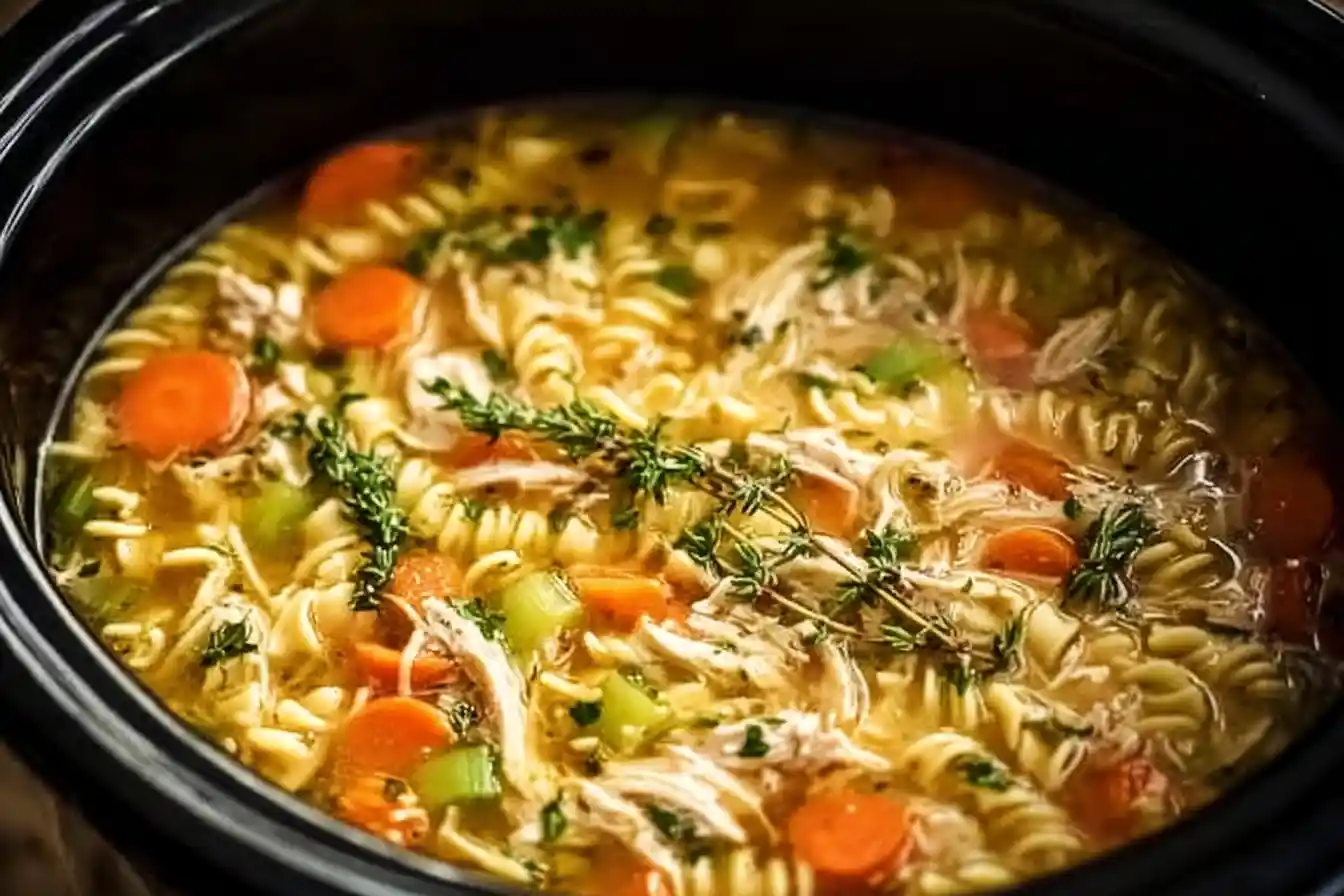
You will love this recipe because it strikes a perfect balance between traditional comfort and modern culinary flair. While the base of the soup honors the classic mirepoix of onions, carrots, and celery, the addition of fire-roasted tomatoes adds a subtle smoky sweetness and a beautiful acidity that cuts through the richness of the chicken. This isn’t your standard, pale yellow broth; it is a vibrant, multi-dimensional soup that looks as beautiful in the bowl as it tastes. The inclusion of baby spinach or kale toward the end of the cooking process adds a pop of bright green color and a boost of antioxidants, making the dish feel fresh and contemporary. Another reason this recipe will become a household favorite is its incredible versatility. While the instructions are precise, the “bones” of the recipe allow for endless customization. If you prefer a heartier soup, you can lean into the white cannellini beans for a creamy, protein-packed texture. If you are a traditionalist, you can focus on the chicken and noodles. It is a forgiving dish that welcomes your personal touch. You can adjust the spice level, swap the herbs, or use whatever seasonal vegetables you have on hand in your crisper drawer. It is a “pantry-friendly” meal that can be whipped up with basic staples you likely already have in your kitchen. The texture of this soup is also a major selling point. By sautéing the aromatics before they go into the slow cooker, you unlock a level of sweetness and complexity that raw vegetables simply cannot provide. The onions become translucent and sugary, the carrots hold their shape while becoming tender, and the garlic loses its sharp bite, turning into a mellow, savory background note. When these elements combine with the low-sodium chicken bone broth, the result is a silky, full-bodied liquid that coats the back of your spoon. It feels luxurious and indulgent, yet it remains light enough to leave you feeling energized rather than weighed down. Cleanup is another area where this recipe shines. By using the slow cooker, you minimize the number of pots and pans used throughout the day. If your slow cooker has a sauté function, you can even do the initial browning in the same vessel, making it a true one-pot wonder. For those who value a tidy kitchen, the ability to wash your prep dishes while the soup cooks means that by the time dinner is served, the kitchen is already clean. This makes the entire dining experience much more relaxing, as there isn’t a mountain of dishes waiting for you once you’ve finished your meal. Lastly, this soup is a champion of leftovers. In fact, many people argue that it tastes even better the next day. As the soup sits in the refrigerator, the flavors continue to meld and harmonize. The spices permeate the chicken more deeply, and the broth becomes even more savory. It packs perfectly in a thermos for school or office lunches and reheats beautifully without losing its integrity. Whether you are serving a toddler who loves noodles or an adult looking for a sophisticated, herb-forward broth, this recipe appeals to every palate and every age group.Ingredients and Substitutions
The quality of your soup is directly tied to the quality of your ingredients. Because this recipe relies on a relatively short list of items, each one plays a vital role in the final flavor profile. Understanding the function of each ingredient will help you make the best choices at the grocery store and allow you to make smart substitutions based on what you have in your pantry.- 2 tablespoons extra virgin olive oil or unsalted butter
- 1 large yellow onion, finely diced
- 3 medium carrots, peeled and sliced into uniform rounds
- 3 stalks celery, finely sliced
- 4 cloves fresh garlic, finely minced
- 6 cups low-sodium chicken bone broth or rich vegetable stock
- 1 can (15 ounces) diced fire-roasted tomatoes or cooked white cannellini beans, rinsed and drained
- 1 teaspoon dried Italian herb blend (oregano, basil, thyme)
- 1 teaspoon fine sea salt, plus more to taste
- 1/2 teaspoon freshly cracked black pepper
- 2 cups fresh baby spinach leaves or chopped flat-leaf kale
- 2 tablespoons freshly chopped parsley or grated Parmesan cheese, for serving
How to Make Slow Cooker Chicken Noodle Soup
Creating a masterpiece in a slow cooker requires more than just throwing ingredients into a pot. It requires attention to detail during the preparation phase to ensure that the final result is balanced and professional. By following these steps, you will build a foundation of flavor that transforms a simple soup into an extraordinary experience.Step-by-Step Cooking Instructions
Step 1: Gather all ingredients, clean prep surfaces, and measure out your seasonings. Wash your fresh produce in cold water and slice all vegetables into uniform, bite-sized pieces so that every mouthful cooks evenly.
Preparation is the hallmark of an elite cook. When you take the time to slice your carrots into perfect rounds and dice your onions into even squares, you aren’t just being meticulous for the sake of appearance. Uniformity ensures that no piece of carrot is crunchy while another is mushy. As you wash your spinach or kale, look for any wilted leaves and discard them. Measuring your spices beforehand prevents the frantic searching of the pantry while your garlic is browning on the stove. This stage is about creating a calm, organized environment where you can focus on the sensory cues of the cooking process.Step 2: Set your primary cooking vessel (heavy skillet, Dutch oven, or soup pot) over medium heat on your stovetop, or preheat your oven to the exact target baking temperature specified in the recipe. Add your cooking fat (olive oil or butter) and allow it to shimmer.
This step is where the flavor begins. Whether you are using a skillet or a slow cooker with a sauté function, the goal is to get the fat to the right temperature. You’ll know the oil is ready when it “shimmers”—it will appear thinner and move across the pan like water. If using butter, wait for the foaming to subside and for it to take on a slightly nutty aroma, but don’t let it turn brown yet. This heat is necessary to “wake up” the aromatics you are about to add. Listen for that gentle sizzle; it’s the sound of the cooking process officially starting.Step 3: Add your aromatic vegetables (diced onions, carrots, and celery) to the hot fat. Cook gently over medium heat for 5 to 7 minutes until tender, translucent, and sweet, stirring in the minced garlic during the final 60 seconds so it blooms without burning.
As the onions hit the pan, you’ll immediately smell their sharp scent begin to mellow into something sweet and inviting. Watch as the carrots brighten in color and the celery turns a vibrant shade of green. You aren’t looking to brown these vegetables deeply; you want them to sweat, releasing their moisture and concentrating their flavors. When you add the garlic at the very end, stay close. Garlic contains natural sugars that can turn bitter if scorched. You only need about a minute until the kitchen is filled with that unmistakable, mouth-watering garlic aroma. This is called “blooming,” and it ensures the garlic flavor permeates the entire soup.Step 4: Introduce your primary protein or core ingredients along with your dry herb and spice seasonings. Stir thoroughly for 2 to 3 minutes to coat every surface in the savory aromatic oil and allow the spices to toast lightly.
Now, add your chicken (usually boneless skinless thighs or breasts work best for shredding) and your dried herbs. By stirring the dried herbs directly into the oil and vegetables before adding the liquid, you are “toasting” them. This heat releases the essential oils trapped within the dried leaves, making the oregano, basil, and thyme much more potent and fragrant. You will see the herbs cling to the chicken and vegetables, creating a beautiful, seasoned base. The chicken doesn’t need to be fully cooked at this stage; you just want to sear the outside slightly to lock in those juices.Step 5: Pour in your cooking broths, sauces, or fold in your blended dressings. Bring the mixture to a gentle, steady simmer over medium-low heat, stirring well to incorporate all the caramelized flavor from the bottom of the pan.
As you pour in the chicken bone broth, use your wooden spoon to gently scrape the bottom of the pan. Any little brown bits stuck to the bottom are concentrated flavor. This process ensures that every ounce of savoriness from the sautéing stage ends up in the broth. Once the broth is in, add your fire-roasted tomatoes or cannellini beans. The liquid will begin to steam, and the colors will start to merge into a beautiful, cohesive soup. Bringing it to a simmer on the stove before transferring it to the slow cooker (if you aren’t using a multi-cooker) gives the cooking process a “head start,” ensuring the slow cooker doesn’t spend the first hour just trying to get the liquid hot.Step 6: Cover with a tight-fitting lid or transfer to the preheated oven. Cook for the recommended duration (40 minutes) until the food reaches safe internal temperature (165°F for poultry, or fork-tender for vegetables and soups).
In the context of the slow cooker, this is the “waiting” phase. While the prompt specifies 40 minutes for a standard stovetop simmer, a slow cooker will typically take 4 hours on high or 6-8 hours on low to reach that perfect state where the chicken is ready to be shredded. You’ll know it’s ready when the chicken yields easily to a fork. If you are adding noodles, this is the time to drop them in (about 20-30 minutes before serving). The soup should be bubbling very gently—never a rolling boil, which can toughen the meat. The lid should remain closed to trap all that precious steam and heat inside.Step 7: Remove the dish from heat and allow it to rest undisturbed for 5 minutes. Taste carefully to evaluate seasoning, adjust with a fresh squeeze of lemon juice, sea salt, or cracked pepper, and serve warm or chilled as intended with fresh herbs on top.
Resting the soup allows the temperature to stabilize and the flavors to settle. This is the most critical moment for a cook: the final tasting. Dip a spoon in and see if the salt level is right. Does it need a bit more brightness? A squeeze of lemon juice can act like a “volume knob” for flavor, making everything taste more vivid. Stir in your fresh spinach or kale now; the residual heat of the soup will wilt them perfectly without overcooking them. Finally, ladle the soup into deep bowls and top with a generous sprinkle of fresh parsley and Parmesan cheese. Serve it with a piece of crusty bread, and enjoy the fruits of your labor.Storage & Reheating
One of the greatest joys of making a large batch of slow cooker chicken noodle soup is the gift of leftovers. However, because this soup contains delicate ingredients like noodles and greens, proper storage is essential to maintain its quality. If you know you will be saving a large portion of the soup, a professional tip is to cook the noodles separately and add them to individual bowls. This prevents the noodles from sitting in the broth overnight, where they will continue to absorb liquid and eventually become bloated and mushy. To store the soup, allow it to cool to room temperature within two hours of cooking. Transfer the soup into airtight glass or BPA-free plastic containers. It will stay fresh in the refrigerator for up to 3 to 4 days. When the soup is chilled, you may notice that the broth thickens or even turns into a soft gel; this is a sign of a high-quality bone broth rich in natural proteins. It will return to a beautiful liquid state as soon as it is reheated. For long-term storage, this soup (minus the noodles) freezes exceptionally well. Use heavy-duty freezer bags or freezer-safe containers, leaving about an inch of “headspace” at the top to allow for expansion as the liquid freezes. Frozen chicken soup will maintain its best quality for about 2 to 3 months. To thaw, simply place the container in the refrigerator overnight. When it comes to reheating, the stovetop is always the preferred method. Place the desired amount of soup in a small saucepan over medium-low heat. If the noodles have absorbed too much broth, feel free to add a splash of fresh water or extra chicken stock to loosen it up. Heat until it reaches a gentle simmer, but avoid boiling it, as this can overcook the vegetables and chicken. If you must use a microwave, heat in 60-second intervals, stirring in between to ensure even heating and to prevent “hot spots.”(FAQs)
Can I use frozen chicken directly in the slow cooker? While it is tempting for the sake of time, it is generally recommended to thaw chicken before putting it in the slow cooker. Because the slow cooker heats up gradually, frozen meat may spend too much time in the “danger zone” temperature range where bacteria can grow. For the safest and best results, thaw your chicken in the refrigerator the night before. How do I prevent my noodles from getting mushy? The secret to perfect noodles in slow cooker soup is timing. Never put the noodles in at the beginning of the cooking process. Instead, add them during the last 20 to 30 minutes of cooking on the “High” setting. Alternatively, cook the noodles on the stovetop to “al dente” and add them to the slow cooker just 5 minutes before serving. This ensures they maintain a pleasant bite. What is the best cut of chicken for this soup? Boneless, skinless chicken thighs are the gold standard for slow cooking. They have a slightly higher fat content than breasts, which allows them to remain juicy and flavorful even after hours of simmering. However, chicken breasts work perfectly well if you prefer a leaner option; just be sure to shred them as soon as they are tender to prevent them from drying out. Can I make this recipe in an Instant Pot? Yes! To adapt this for a pressure cooker, use the “Sauté” function for the vegetables and chicken as described in the steps. Then, add the broth and other ingredients (except the greens and noodles). Seal the lid and cook on high pressure for 10 to 12 minutes. Perform a quick pressure release, stir in your noodles and greens, and let it sit on the “Keep Warm” setting for a few minutes until the noodles are tender. Is it necessary to sauté the vegetables first? While you can technically throw everything into the slow cooker raw, sautéing the onions, carrots, and celery first is highly recommended. This “sweating” process develops a natural sweetness and depth that raw vegetables cannot replicate. It only takes 10 minutes but makes a massive difference in the sophistication of the final flavor. How can I make the broth thicker? If you prefer a heartier, thicker consistency, there are several ways to achieve this without using flour. You can take a cup of the cannellini beans and blend them with a little broth before adding them to the pot. This creates a natural creaminess. Alternatively, you can mash some of the potatoes (if you added any) or simply let the soup simmer with the lid off for the final 30 minutes to allow some of the liquid to evaporate. What if my soup tastes bland? Blandness is usually a result of under-seasoning. First, try adding a pinch more salt; salt is a flavor enhancer that brings out the other ingredients. If it still needs a boost, add an acidic component like a teaspoon of lemon juice or apple cider vinegar. Acidity brightens the heavy, savory notes of the broth. Finally, check your herbs—if they were old, they might have lost their potency, and a fresh sprinkle of parsley or a pinch of red pepper flakes can provide the necessary “pop.”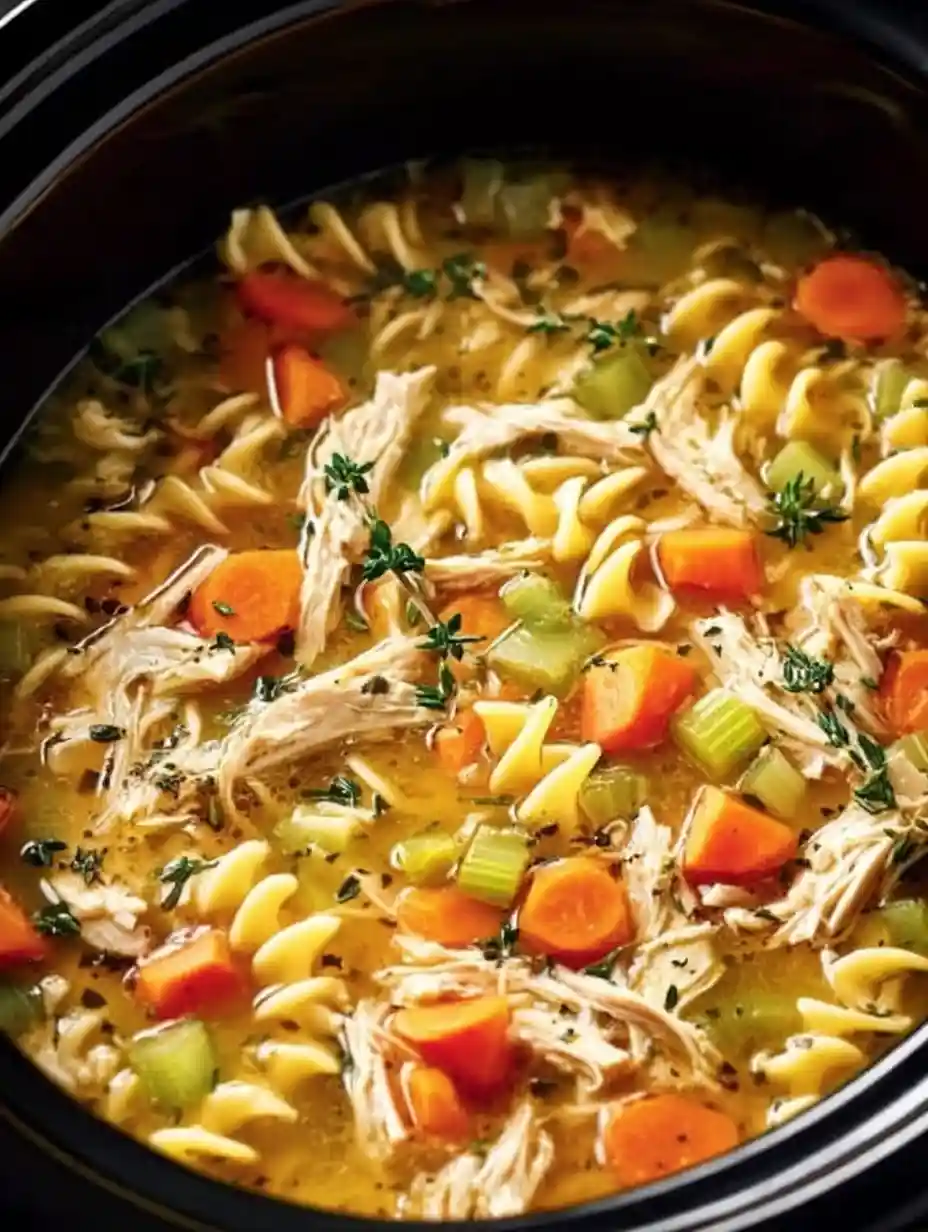
More Comforting Soups You’ll Love
If you enjoyed this recipe, be sure to explore these cozy favorites from our soup collection:
- Homemade Creamy Chicken Soup – rich and velvety homestyle chicken soup packed with garden vegetables.
- Italian Chicken and Veggie Soup – light, fragrant chicken soup scented with sweet Italian basil and oregano.
Slow Cooker Chicken Noodle Soup
Ingredients
Method
- Gather all ingredients, clean prep surfaces, and measure out your seasonings. Wash your fresh produce in cold water and slice all vegetables into uniform, bite-sized pieces so that every mouthful cooks evenly.
- Set your primary cooking vessel (heavy skillet, Dutch oven, or soup pot) over medium heat on your stovetop, or preheat your oven to the exact target baking temperature specified in the recipe. Add your cooking fat (olive oil or butter) and allow it to shimmer.
- Add your aromatic vegetables (diced onions, carrots, and celery) to the hot fat. Cook gently over medium heat for 5 to 7 minutes until tender, translucent, and sweet, stirring in the minced garlic during the final 60 seconds so it blooms without burning.
- Introduce your primary protein or core ingredients along with your dry herb and spice seasonings. Stir thoroughly for 2 to 3 minutes to coat every surface in the savory aromatic oil and allow the spices to toast lightly.
- Pour in your cooking broths, sauces, or fold in your blended dressings. Bring the mixture to a gentle, steady simmer over medium-low heat, stirring well to incorporate all the caramelized flavor from the bottom of the pan.
- Cover with a tight-fitting lid or transfer to the preheated oven. Cook for the recommended duration (40 minutes) until the food reaches safe internal temperature (165°F for poultry, or fork-tender for vegetables and soups).
- Remove the dish from heat and allow it to rest undisturbed for 5 minutes. Taste carefully to evaluate seasoning, adjust with a fresh squeeze of lemon juice, sea salt, or cracked pepper, and serve warm or chilled as intended with fresh herbs on top.