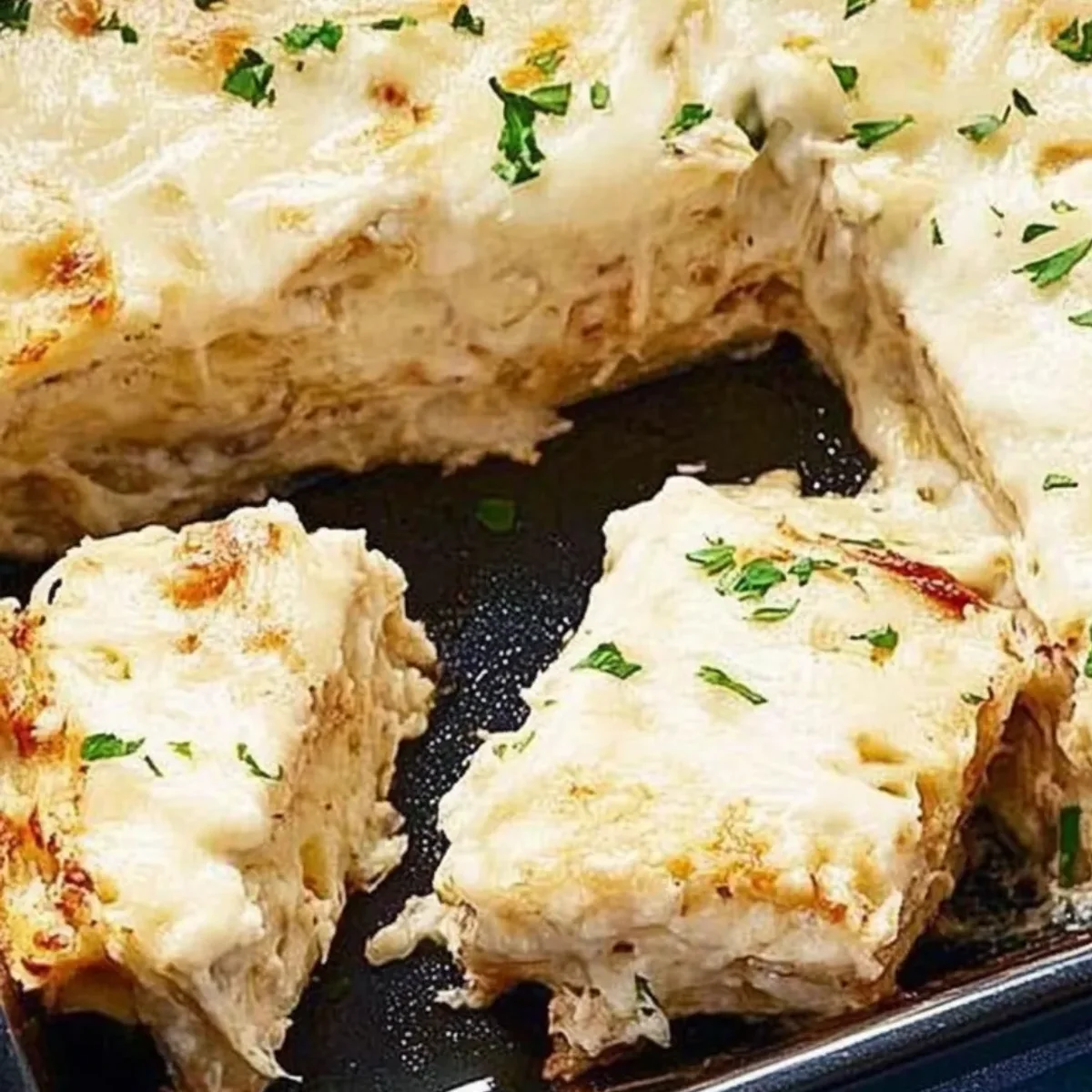
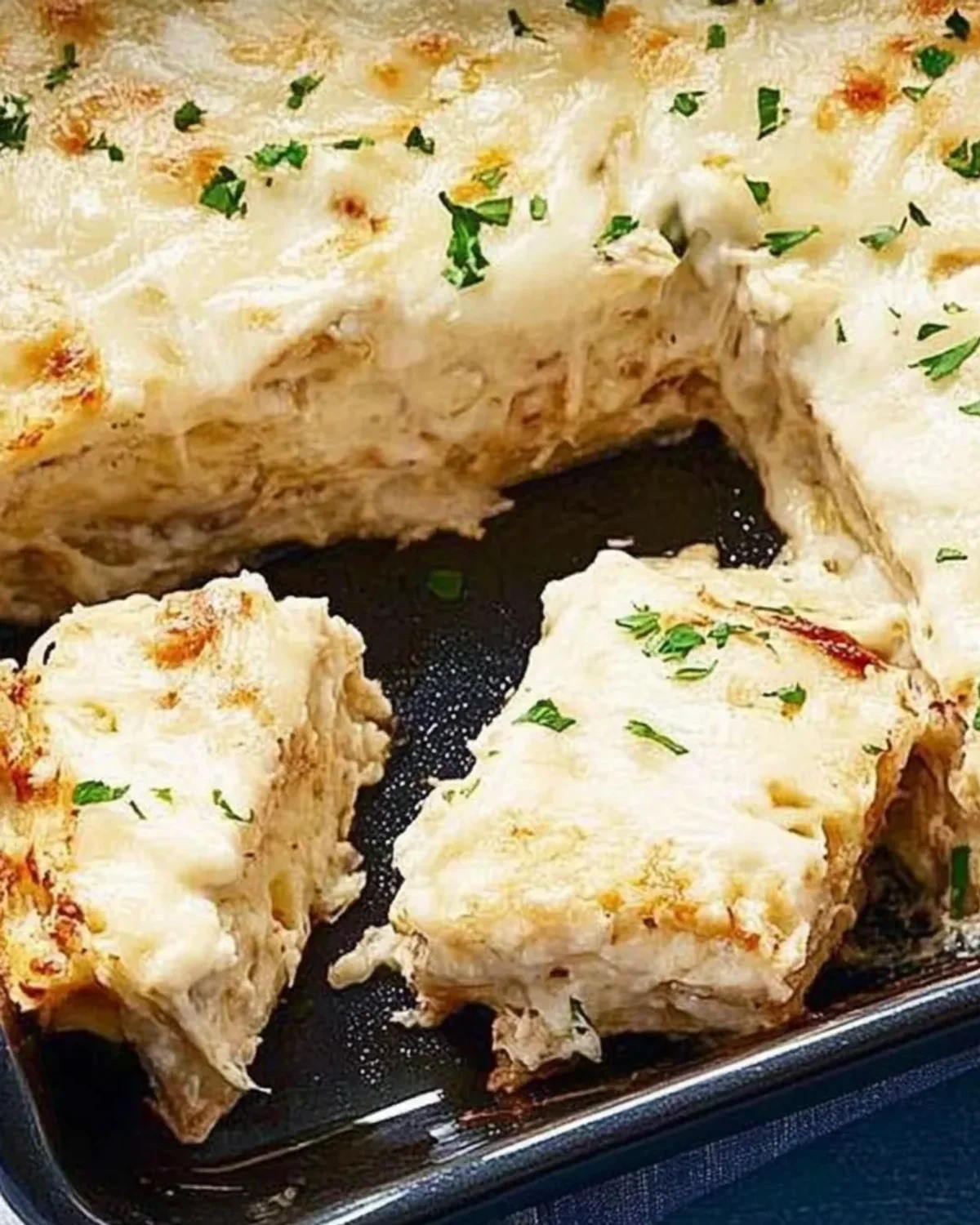
When the crisp November and December frost settles across the evening air, nothing satisfies hungry appetites quite like a steaming, freshly baked pan of Chicken Alfredo Lasagna – Creamy Winter Comfort Bake. Specially developed for busy winter weeknights and strategic Sunday meal-prep sessions, this recipe combines the rich, deeply comforting flavors of the holiday season with the nutritional practicality required for wholesome, balanced eating. Whether you are hosting an intimate holiday gathering or packing hearty lunches for demanding workdays ahead, this dish delivers restaurant-caliber indulgence right from your home kitchen.
Every element of this recipe has been calibrated to deliver peak tenderness, vibrant color, and an irresistible contrast of textures. By searing the golden tender chicken to establish a golden-brown crust before enveloping it in a fragrant, herb-flecked sauce, we lock in essential intramuscular moisture while coaxing out maximum umami depth. Each generous portion offers a harmonious balance of high-quality lean protein and comforting seasonal notes that will quickly make it a family favorite.
Designed from the ground up for high-efficiency winter meal prep, this dish avoids the frustrating pitfalls common to reheated poultry. Through deliberate temperature management and moisture-retaining braising techniques, the meat stays delightfully juicy without ever drying out, turning rubbery, or separating in the refrigerator. In fact, as the flavors meld overnight in your glass meal-prep containers, the savory seasonings penetrate deeper into the meat, ensuring that every reheated portion tastes just as spectacular as the moment it left the oven.
Why This Chicken Recipe Works for Winter Meal Prep
Meal-prepping poultry during the cold-weather months requires specific culinary strategies to guarantee that day-four lunches remain just as appetizing as night-one dinners. Here are three concrete culinary reasons why this dish excels in your meal-prep routine:
- Intramuscular Moisture Preservation: By cooking the chicken alongside an emulsified sauce or within a protective sear-and-bake cycle, surface evaporation is dramatically slowed. This locks moisture inside the delicate muscle fibers, entirely preventing the dry, stringy texture that often ruins reheated poultry breasts or cutlets.
- Superior Emulsion Stability in the Fridge: Delicate dairy sauces frequently break or split into oily pools when chilled and reheated. This recipe incorporates natural starch binders and gentle fat ratios that maintain structural cohesion, resulting in a smooth, velvety coating that clings effortlessly to every bite after reheating.
- Versatile Pairing Architecture: This dish is intentionally structured to pair seamlessly with classic winter starches—such as roasted garlic mashed potatoes, buttery egg noodles, fluffy jasmine rice, or tender seasonal greens. You can easily rotate your carbohydrate side throughout the week to keep your daily lunches engaging and distinct.
The Science & Chemistry Behind This Dish
Behind every extraordinary meal lies a foundation of culinary science. Mastering the biological and chemical interactions taking place within the cooking vessel allows you to execute this recipe with consistent, predictable perfection.
The primary driver of savory complexity is the Maillard reaction. When the exterior of the golden tender chicken contacts hot fat above 285°F (140°C), denatured amino acids and natural surface sugars rapidly cross-link. This reaction produces hundreds of new flavor compounds—melanoidins, furans, and alkylpyrazines—that generate an enticing golden crust and build a flavorful fond along the bottom of the skillet. Removing surface moisture with paper towels prior to cooking is essential; water consumes thermal energy as steam, preventing surface temperatures from ever achieving the Maillard threshold.
The second critical principle is protein actin denaturization and the 165°F (74°C) safety barrier. Muscle tissue consists of myosin and actin proteins. Myosin denatures gently around 140°F (60°C), creating tender, palatable meat. However, once internal temperatures exceed 170°F (77°C), tightly coiled actin fibers contract violently, wringing out intracellular water like a squeezed sponge. Utilizing a digital meat thermometer to pull the poultry when it reaches an internal temperature of exactly 165°F (74°C) preserves maximum juiciness while satisfying all USDA food safety protocols.
Finally, we harness fat-in-water sauce emulsification. When cheese, dairy fats, and aromatics are gently folded into the warm pan drippings, starch particles and dairy casein proteins surround microscopic fat droplets. This prevents the liquid lipids from coalescing into a greasy film, establishing a luxurious, glossy sauce that evenly coats the palate and delivers rounded, balanced flavor throughout every forkful.
Ingredients You’ll Need
Every ingredient has been selected for peak seasonal flavor, freshness, and structural performance. Measurements are provided in both US Customary and Metric units for exact precision:
The Poultry & Marinade Foundation
- Primary Poultry: 1.5 to 2 lbs (680 g to 900 g) of fresh boneless, skinless poultry cut into uniform cutlets or bite-sized pieces for rapid, even cooking.
- Cooking Fats: 2 tablespoons (30 ml) extra virgin olive oil combined with 1 tablespoon (14 g) unsalted butter to provide clean searing heat without scorching.
- Aromatics: 1 medium shallot (40 g) or yellow onion finely diced, and 4 cloves of fresh garlic (16 g) minced immediately prior to cooking to protect volatile allicin compounds.
The Seasoning, Sauce & Winter Accents
- Broth & Deglazing Liquid: 1/2 cup to 1 cup (120 ml to 240 ml) low-sodium chicken bone broth or a dry white wine (Pinot Grigio or Sauvignon Blanc) to dissolve caramelized pan drippings.
- Herbs & Spices: 1 tablespoon (3 g) fresh thyme leaves stripped from stems, 1 teaspoon (2 g) dried Italian oregano, 1.5 teaspoons (8 g) coarse kosher salt, and 1/2 teaspoon (2 g) freshly cracked black pepper.
- Cheeses & Fillings: High-quality melting cheese (Gruyère, fresh mozzarella, sharp cheddar, or tangy feta) and seasonal accents (tart cranberries, spinach, or sliced orchard apples) to add vibrant culinary contrast.
Ingredient Notes & Tested Substitutions
We tested several practical ingredient modifications to ensure success across various dietary preferences and pantry setups:
- Chicken Thigh Alternative: While boneless skinless breasts offer lean protein, boneless skinless chicken thighs can be substituted directly at a 1:1 ratio. Thighs contain more myoglobin and connective tissue, making them even more forgiving during prolonged simmering or high-heat broiling.
- Dairy-Free Adaptations: If cooking dairy-free, replace butter with refined avocado oil or extra olive oil. Substitute dairy cheeses with plant-based shredded mozzarella or creamy blended soaked cashews mixed with nutritional yeast for a rich, savory finish.
- Wine-Free Cooking: If you prefer to omit wine, deglaze the skillet using equal amounts of low-sodium chicken broth combined with 1 tablespoon of freshly squeezed lemon juice or white wine vinegar to achieve an identical enzymatic brightening effect.
- Herb Options: If fresh thyme or rosemary are unavailable, substitute with 1 teaspoon of dried herbs de Provence or poultry seasoning, crushing the dried herbs between your fingers before adding to awaken their essential oils.
How to Make Chicken Alfredo Lasagna – Creamy Winter Comfort Bake (Step-by-Step)
Follow these meticulously tested culinary stages to guarantee flawless results on both the stovetop and in the oven:
Phase 1: Prep, Searing & Crust Formation
Preheat your oven to 375°F (190°C). Thoroughly pat the poultry dry on all sides using paper towels. Season generously with kosher salt, black pepper, and poultry herbs. Heat 2 tablespoons of olive oil in a large oven-safe cast iron or stainless steel skillet over medium-high heat until shimmering. Carefully lay the poultry into the skillet, ensuring pieces do not touch. Sear undisturbed for 3 to 4 minutes until a deep golden-brown crust develops. Flip and sear the second side for 2 minutes, then transfer to a clean plate.
Phase 2: Sweating Aromatics & Deglazing Fond
Reduce the burner heat to medium and add 1 tablespoon of butter into the remaining skillet drippings. Add the diced shallots or onions with a pinch of salt. Sauté for 3 to 5 minutes, using a wooden spatula to scrape up the caramelized brown bits from the pan bottom. Stir in the minced garlic and cook for 60 seconds until fragrant. Pour in the deglazing liquid (wine or broth) and let it bubble vigorously for 2 minutes until reduced by half, concentrating the pan sauce.
Phase 3: Assembling & Baking to Temperature
Nestle the seared poultry back into the skillet with any accumulated resting juices. If the recipe features a seasonal filling, stuffing, or melted cheese topping, apply it generously across each piece. Transfer the entire skillet into the preheated oven and bake for 12 to 18 minutes (depending on thickness), until an instant-read digital thermometer inserted into the thickest section registers exactly 165°F (74°C). Remove from the oven immediately.
Phase 4: The Crucial Resting Window
Allow the cooked poultry to rest undisturbed in the warm skillet for 5 to 7 minutes before carving or portioning. During this vital window, muscle fibers relax and internal fluids redistribute evenly throughout the meat instead of spilling out onto the cutting board. Garnish with chopped fresh herbs and spoon the savory pan reduction over each serving.
Chef’s Secrets for Flawless Execution
Incorporate these professional test-kitchen secrets to elevate your poultry cooking from routine weeknight fare to memorable culinary excellence:
- Always Use a Digital Thermometer: Color is an unreliable indicator of doneness. An inexpensive instant-read meat thermometer inserted into the thickest center guarantees food safety while ensuring your poultry never overcooks past the juicy 165°F (74°C) threshold.
- Avoid Pan Overcrowding: Searing meat produces steam. If pieces are crammed against each other, the steam cannot escape, boiling the poultry gray instead of crisping it brown. Cook in two uncrowded batches if your skillet is under 12 inches.
- Fresh Garlic Goes in Late: Garlic contains delicate sulfur compounds and sugars that scorch and turn bitter if subjected to prolonged high searing heat. Always add minced garlic during the final minute of sautéing aromatics.
- Spoon Juices Back Over Portions: The pan drippings and resting juices contain concentrated gelatin, fat, and seasonings. Always drizzle this liquid gold over your meal-prep containers to keep the poultry bathed in flavor during refrigeration.
What to Serve With Chicken Alfredo Lasagna – Creamy Winter Comfort Bake
To create a well-rounded winter meal, pair this satisfying protein main with vibrant sides that complement its rich seasonal flavor profile:
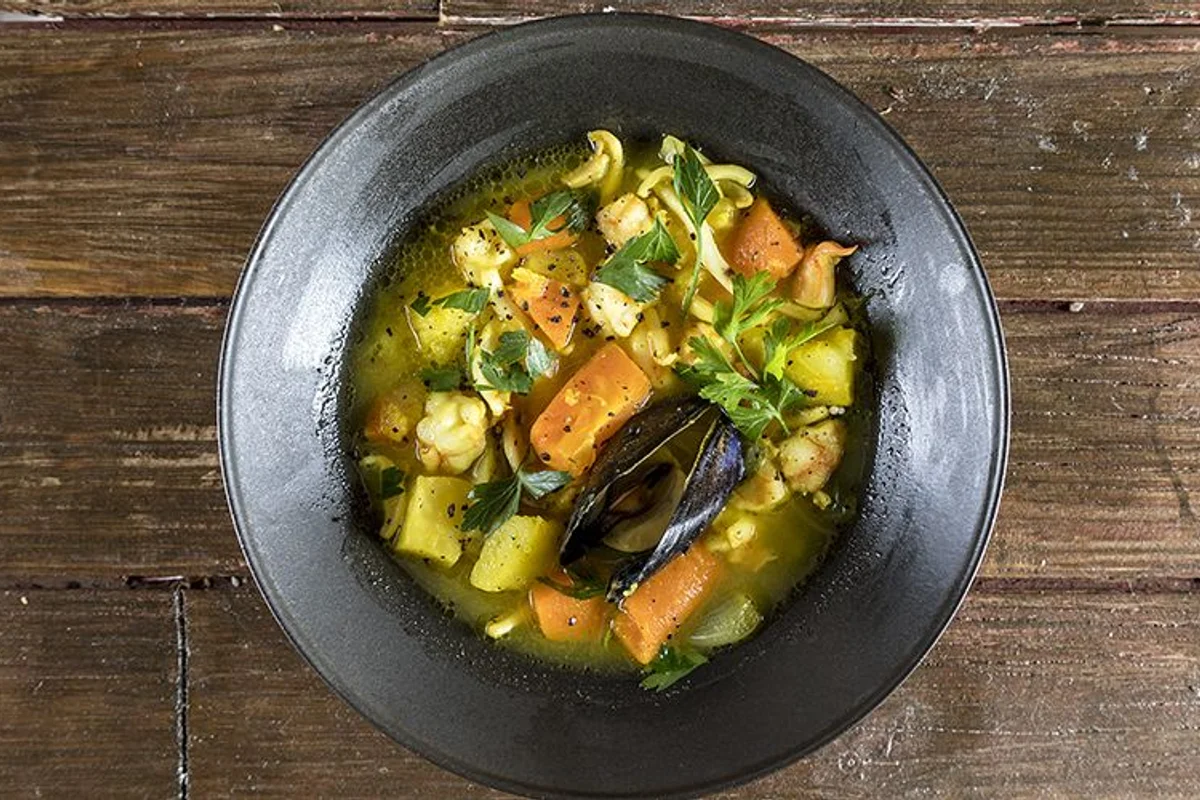
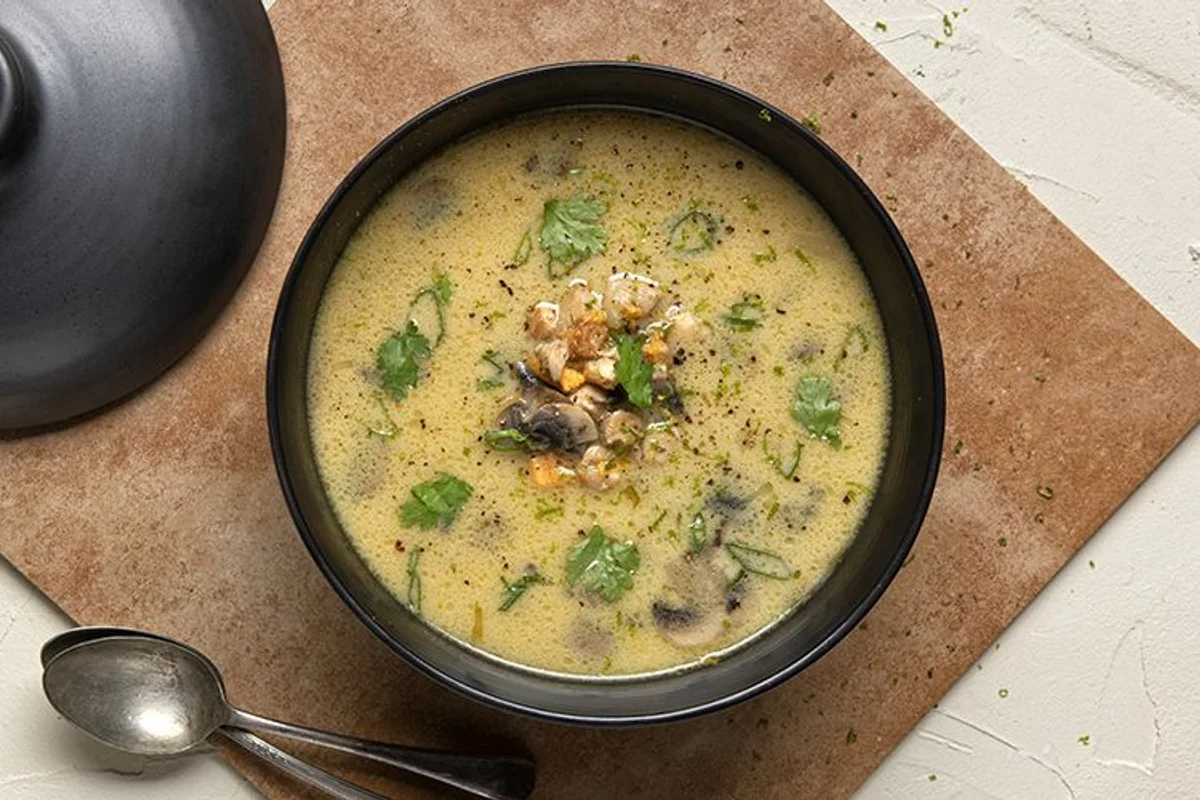
Garlic-roasted broccolini, steamed green beans almondine, or a crisp shaved Brussels sprout slaw provide bright color and clean vegetal crunch alongside rich poultry bakes. For meal-preppers planning a multi-dish weekly rotation, this entrée pairs wonderfully alongside our hearty Velvety Roasted Garlic and Cauliflower Almond Soup or our comforting Ultimate Greek Fisherman’s Velvet Seafood Bisque Soup. Preparing a comforting soup alongside this savory bake provides delightful variety across your weeknight dinners.
How to Store, Freeze & Reheat
Executing proper storage and gentle reheating ensures that your meal-prepped portions retain exceptional tenderness and savory appeal all week long:
- Refrigeration: Allow the poultry to cool completely to room temperature (within 90 minutes of cooking). Divide into airtight glass meal prep containers, ensuring each piece is spooned with pan sauce. Seal tightly and store in the refrigerator for up to 4 days.
- Freezer Storage: Wrap individual cooked portions securely in parchment paper, then place inside airtight freezer-safe containers or heavy-duty vacuum bags. Label clearly and freeze for up to 3 months. Thaw overnight in the refrigerator before reheating.
- Reheating Without Drying Out: To preserve succulence, reheat refrigerated portions in an oven preheated to 350°F (175°C) for 10 to 12 minutes, adding 1 tablespoon of water or broth to the dish and covering loosely with foil. In an air fryer, reheat at 320°F (160°C) for 4 to 6 minutes for crispy edges. If using a microwave, reheat at 70% power in 45-second intervals with a damp paper towel placed over the container to trap moisture.
Frequently Asked Questions
Can I prepare this recipe ahead of time without baking it?
Yes. You can assemble the stuffed or seasoned poultry up to 24 hours in advance. Place the prepared raw meat in an airtight baking dish, cover tightly with plastic wrap, and refrigerate. When ready to cook, let the dish sit on the counter for 15 minutes to take off the chill, then bake according to recipe instructions, adding 2 to 3 minutes to the total bake time.
How can I keep the poultry juicy during weeklong meal prep?
The secret is twofold: never cook past an internal temperature of 165°F (74°C), and always store the cooked meat submerged in or coated with its savory pan juices. When reheating, avoid full-power microwave blasting; instead, use moderate heat with a splash of added broth to gently steam the meat back to eating temperature.
Can I cook this recipe in an air fryer?
Yes, absolutely. For cutlets or stuffed breasts, preheat your air fryer to 360°F (180°C). Place the prepared poultry in the basket in a single uncrowded layer and cook for 12 to 15 minutes, flipping halfway through, until an internal thermometer reads 165°F (74°C). If adding cheese, top during the final 2 minutes so the convection fan does not blow the cheese off the meat.