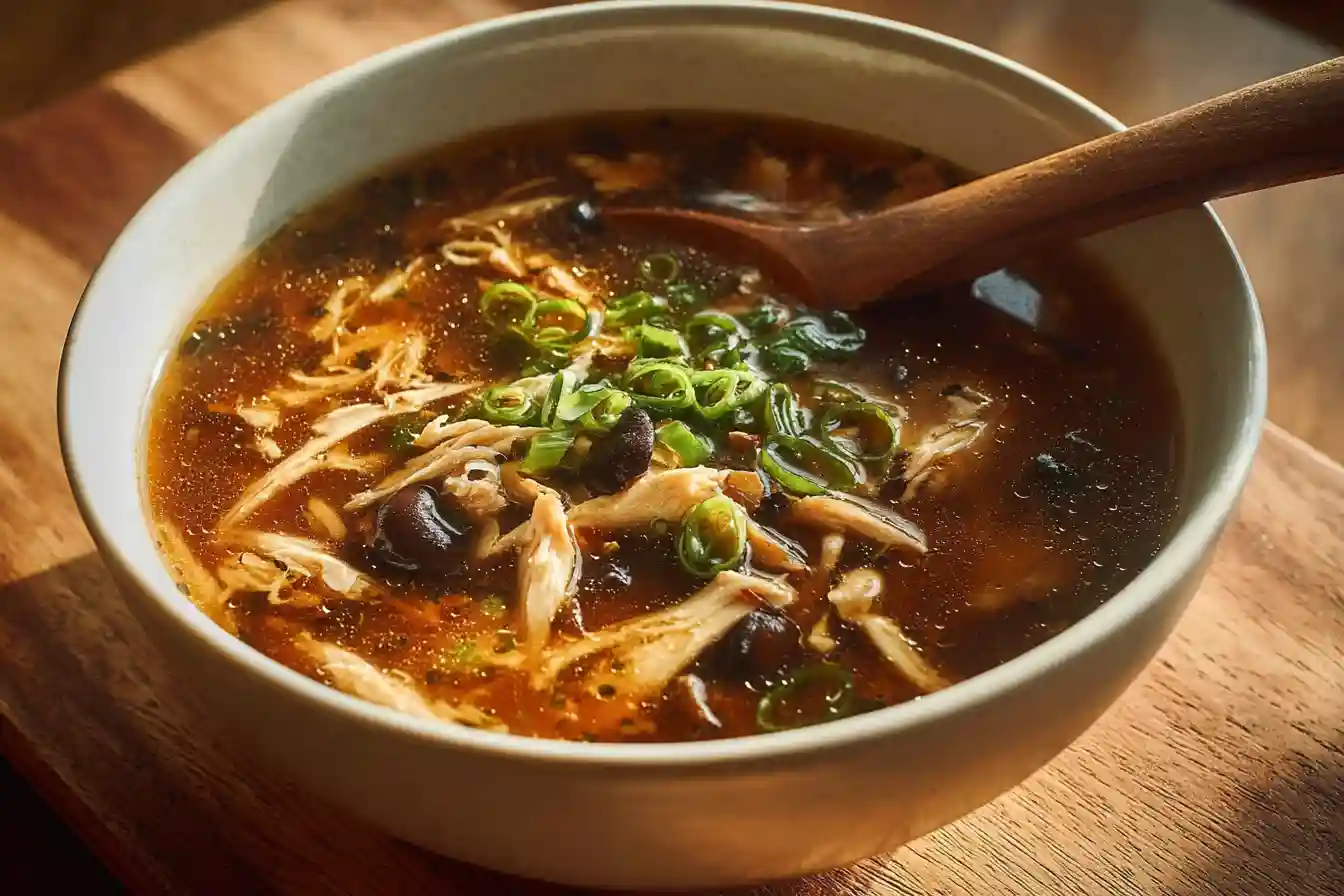
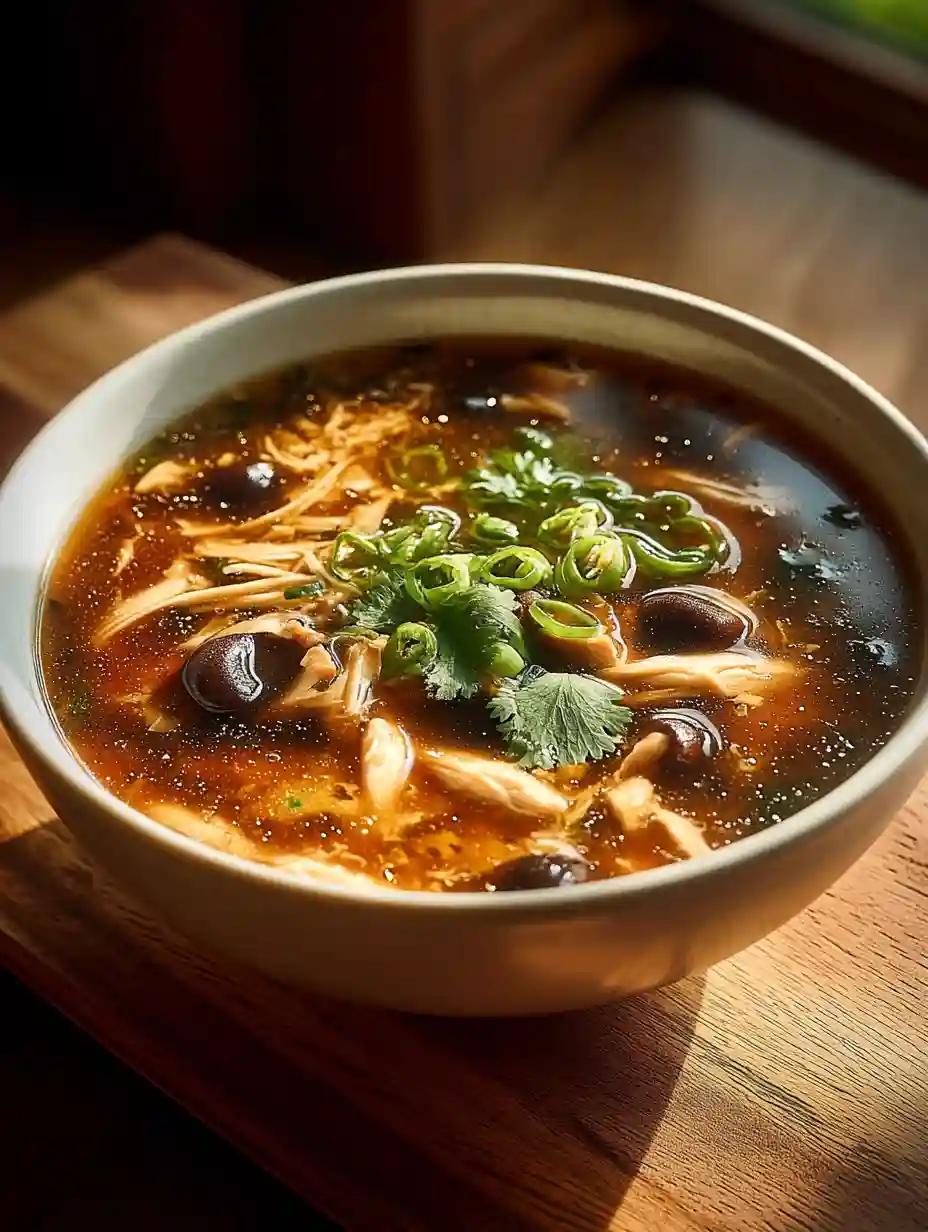
There is a unique kind of magic that happens when a bowl of steaming soup is placed on the table, especially one that carries the bold, invigorating profile of a traditional Chinese Hot and Sour Soup. It is a dish that does more than just fill the stomach; it awakens the senses, clears the mind, and warms the very core of your being. In the bustling kitchens of Beijing and the spice-loving provinces of Sichuan, this soup has long been a staple, prized for its ability to balance the fiery heat of white pepper with the complex, mellow acidity of aged vinegar. It is a masterclass in culinary equilibrium, where every spoonful offers a different texture—from the silkiness of the broth to the tender bite of the ingredients—all working in harmony to create a symphony of flavor that is as comforting as it is exciting.
For the home cook, mastering this dish is a rite of passage. It represents a transition from simply following recipes to understanding the delicate interplay of flavor profiles. While many associate this soup with takeout containers, the homemade version is a revelation. It is fresher, cleaner, and entirely customizable to your personal preference for “hot” or “sour.” Whether you are looking for a light lunch to brighten a rainy afternoon or a sophisticated starter for a multi-course dinner, this soup fits the bill perfectly. It is a timeless classic that transcends cultures, bringing a touch of ancient culinary wisdom into the modern kitchen with ingredients that are surprisingly easy to find and prepare.
In this comprehensive guide, we are going to explore a unique, pantry-friendly interpretation of this iconic dish. We will delve into the nuances of building a rich, aromatic base, the importance of uniform knife work, and the secrets to achieving that perfect, soul-satisfying consistency. By focusing on high-quality, accessible ingredients, we will transform simple staples into an extraordinary meal that pays homage to the spirit of Chinese cuisine while remaining firmly rooted in the practicalities of the contemporary home kitchen. Prepare to embark on a culinary journey that will change the way you think about soup forever.
Why Make Chinese Hot and Sour Soup
The decision to make Chinese Hot and Sour Soup at home is often driven by a desire for a specific kind of sensory experience that few other dishes can provide. In the world of gastronomy, “hot and sour” is not just a name; it is a fundamental pillar of flavor theory. Making this soup allows you to step into the role of a flavor alchemist. You aren’t just boiling water; you are layering aromatics, balancing acids, and managing heat levels to create a broth that is vibrant and alive. This process is incredibly rewarding, offering a therapeutic escape from the stresses of daily life as you focus on the rhythmic chopping of vegetables and the gentle bubbling of the pot.
Beyond the culinary satisfaction, there is a significant health-conscious motivation for preparing this soup. Traditional versions are often celebrated for their restorative properties. The heat, typically derived from pepper, is known to help clear the sinuses and stimulate the circulatory system, while the sour elements can aid in digestion. By making it yourself, you have total control over the sodium content and the quality of the fats used. You can ensure that the broth is rich in nutrients by using a high-quality bone broth, and you can pack the pot with fresh, vibrant vegetables that provide a wealth of vitamins and minerals. It is a meal that nourishes the body as much as it delights the palate.
Furthermore, this soup is a testament to the beauty of efficiency and economy in the kitchen. It is a “one-pot wonder” that minimizes cleanup while maximizing output. In a world where time is our most precious commodity, being able to produce a restaurant-quality meal in under an hour is a significant advantage. It is also a fantastic way to use up produce in your refrigerator, as the robust flavors of the broth can accommodate a variety of vegetable additions. Whether you are a seasoned chef or a beginner looking to expand your repertoire, the act of making this soup teaches you the importance of timing and temperature, skills that will serve you well in every other dish you prepare.
Finally, making Chinese Hot and Sour Soup is about connection. Food is a universal language, and sharing a pot of this soup with friends or family is a way to bridge gaps and create memories. There is something inherently communal about a large, steaming tureen of soup placed in the center of the table. It invites conversation, encourages second helpings, and provides a sense of warmth and security. By bringing these traditional flavors into your home, you are participating in a global culinary heritage, honoring the generations of cooks who refined these recipes over centuries, and passing that appreciation down to those who sit at your table.
Why You’ll Love This Chinese Hot and Sour Soup
You will love this particular version of Chinese Hot and Sour Soup because it strikes a perfect balance between authenticity and accessibility. While traditional recipes might require a trip to a specialty market for ingredients like dried lily buds or wood ear mushrooms, this recipe focuses on ingredients you likely already have in your pantry or can find at any local grocery store. We have carefully selected components that mimic the complex flavor profile of the original while ensuring that the cooking process remains stress-free. This approach makes the dish approachable for everyone, regardless of their proximity to an international food market.
The texture of this soup is another reason it will quickly become a favorite in your household. Every bite offers a delightful contrast. You have the soft, translucent onions that have melted into the broth, the slight crunch of perfectly cooked carrots and celery, and the tender silkiness of the greens. If you choose to add beans, they provide a creamy, protein-rich element that makes the soup feel like a complete, hearty meal. The broth itself is thick enough to coat the back of a spoon, providing a luxurious mouthfeel that feels indulgent without being heavy. It is a textural playground that keeps your palate engaged from the first sip to the last.
Another aspect you will love is the versatility of the heat and sour components. This recipe provides a solid foundation, but it encourages you to be the master of your own kitchen. If you prefer a soup that makes your eyes water and your brow break into a light sweat, you can lean into the cracked black pepper. If you prefer a more subtle, warming glow, you can keep the seasoning mild. Similarly, the “sour” element can be adjusted to your liking, allowing you to create a dish that is perfectly tailored to your specific taste buds. This level of customization is something you simply cannot get from a restaurant or a canned product.
Lastly, this soup is an incredible option for meal prepping and busy weeknights. It is one of those rare dishes that actually tastes better the next day, as the flavors have more time to meld and deepen in the refrigerator. You can make a large batch on a Sunday and enjoy nutritious, flavorful lunches throughout the week. It also freezes remarkably well, meaning you can always have a “healthy fast food” option ready to go in your freezer. In a busy world, having a reliable, delicious, and healthful recipe like this in your back pocket is a true culinary gift. It’s a dish that respects your time, your health, and your desire for high-quality flavor.
Ingredients and Substitutions
Creating a masterpiece requires the right tools and, more importantly, the right ingredients. Each component in this soup has been chosen for its specific contribution to the overall flavor and structural integrity of the dish. Understanding the role of each ingredient will help you make informed decisions if you need to make substitutions based on dietary needs or pantry availability.
- 2 tablespoons extra virgin olive oil or unsalted butter
- 1 large yellow onion, finely diced
- 3 medium carrots, peeled and sliced into uniform rounds
- 3 stalks celery, finely sliced
- 4 cloves fresh garlic, finely minced
- 6 cups low-sodium chicken bone broth or rich vegetable stock
- 1 can (15 ounces) diced fire-roasted tomatoes or cooked white cannellini beans, rinsed and drained
- 1 teaspoon dried Italian herb blend (oregano, basil, thyme)
- 1 teaspoon fine sea salt, plus more to taste
- 1/2 teaspoon freshly cracked black pepper
- 2 cups fresh baby spinach leaves or chopped flat-leaf kale
- 2 tablespoons freshly chopped parsley or grated Parmesan cheese, for serving
Extra Virgin Olive Oil or Unsalted Butter: This is your primary cooking fat, and it serves as the medium for blooming your aromatics. Olive oil provides a clean, slightly fruity base that allows the other flavors to shine, while butter adds a rich, velvety undertone. If you are looking for a more traditional nutty flavor, you could substitute a portion of this with toasted sesame oil at the very end of the cooking process. For a dairy-free or vegan option, stick with olive oil or a high-quality avocado oil.
Yellow Onion, Carrots, and Celery: Known in French cooking as a mirepoix, this trio forms the aromatic backbone of the soup. The onion provides a foundation of sweetness and depth, the carrots add a touch of earthy sugar and bright color, and the celery offers a savory, slightly salty note. To maintain the “Chinese” inspiration, ensure these are cut finely and uniformly so they soften at the same rate. If you don’t have yellow onions, leeks or shallots make an excellent, slightly more sophisticated substitution.
Fresh Garlic: Garlic is non-negotiable in this recipe. It provides the pungent, aromatic punch that is central to the “hot” profile of the soup. Always use fresh cloves rather than the pre-minced variety in jars, as the flavor of fresh garlic is significantly more vibrant and complex. If you are a true garlic lover, feel free to increase the amount to six or eight cloves.
Chicken Bone Broth or Vegetable Stock: The liquid base is the soul of your soup. Bone broth is preferred for its high protein content and deep, savory flavor, which provides a “lip-smacking” quality to the broth. If you are vegetarian, a rich, dark vegetable stock made with mushrooms will provide the necessary depth. Always opt for low-sodium versions so you can control the final saltiness of the dish yourself.
Fire-Roasted Tomatoes or Cannellini Beans: This is where our pantry-friendly version takes a creative turn. Fire-roasted tomatoes provide the “sour” element through their natural acidity, while also adding a smoky depth that mimics the charred notes often found in wok-cooked dishes. Alternatively, cannellini beans add a wonderful creaminess and boost the protein and fiber content. For a more traditional sour profile, you can add a splash of rice vinegar or Chinkiang black vinegar along with these ingredients.
Dried Italian Herb Blend: While not traditional in Chinese cooking, this blend of oregano, basil, and thyme adds a sophisticated layer of herbaceousness that complements the fire-roasted tomatoes beautifully. If you want to lean more toward traditional flavors, you could substitute this with a pinch of ground ginger and a dash of five-spice powder.
Sea Salt and Cracked Black Pepper: Salt is the ultimate flavor enhancer, while black pepper provides the “hot” in our Hot and Sour Soup. Using freshly cracked pepper is vital, as it contains volatile oils that provide a much more nuanced heat than pre-ground pepper. For a more authentic Sichuan-style heat, you could use white pepper, which has a sharper, more fermented “bite.”
Baby Spinach or Kale: These greens add a final pop of color and a wealth of nutrients. Spinach will wilt almost instantly and has a mild flavor, while kale provides more texture and a slightly bitter, earthy edge. Both are excellent choices for adding “bulk” to the soup without adding many calories.
Parsley or Parmesan Cheese: These are your finishing touches. Fresh parsley adds a burst of brightness and a clean finish. Parmesan cheese, while decidedly Western, adds a hit of “umami” (savory deliciousness) that rounds out the flavors. For a more traditional garnish, use thinly sliced green onions and a few drops of toasted sesame oil.
How to Make Chinese Hot and Sour Soup
Cooking is an art, but it is also a process of managing physical changes through heat. To make a truly exceptional soup, you must pay attention to the sensory cues at each stage. The sound of the sizzle, the changing aroma of the garlic, and the visual transformation of the vegetables are all indicators of your progress. By following these steps with intention, you ensure that every ingredient is cooked to its maximum potential, resulting in a dish that is far greater than the sum of its parts.
Step-by-Step Cooking Instructions
Step 1: Gather all ingredients, clean prep surfaces, and measure out your seasonings. Wash your fresh produce in cold water and slice all vegetables into uniform, bite-sized pieces so that every mouthful cooks evenly. This phase, often called “mise en place,” is the most critical part of cooking. By having everything ready before you turn on the heat, you prevent the stress of rushing to chop while something is burning in the pan. Focus on the carrots; try to get them into thin, elegant rounds that will look beautiful in the clear broth. Ensure your garlic is minced as finely as possible so it distributes its flavor evenly throughout the entire pot.
Step 2: Set your primary cooking vessel (heavy skillet, Dutch oven, or soup pot) over medium heat on your stovetop, or preheat your oven to the exact target baking temperature specified in the recipe. Add your cooking fat (olive oil or butter) and allow it to shimmer. You are looking for the oil to become thin and fluid, moving like water across the bottom of the pan. If you are using butter, wait for it to stop foaming; this indicates that the water has evaporated and the fat is hot enough to begin sautéing. Do not let the fat smoke, as this will impart a bitter flavor to the entire soup.
Step 3: Add your aromatic vegetables (diced onions, carrots, and celery) to the hot fat. Cook gently over medium heat for 5 to 7 minutes until tender, translucent, and sweet, stirring in the minced garlic during the final 60 seconds so it blooms without burning. Listen for a gentle, consistent sizzle. If the vegetables begin to brown too quickly, turn the heat down slightly. You want them to “sweat”—releasing their moisture and softening—rather than fry. The aroma at this stage should be heavenly, with the sharp scent of raw onion mellowing into something savory and inviting. The garlic should smell fragrant and nutty, not acrid or dark.
Step 4: Introduce your primary protein or core ingredients along with your dry herb and spice seasonings. Stir thoroughly for 2 to 3 minutes to coat every surface in the savory aromatic oil and allow the spices to toast lightly. This is where you add your fire-roasted tomatoes or beans, along with the salt, pepper, and Italian herbs. Toasting the herbs and pepper in the fat for these few minutes “wakes up” their essential oils, making the final soup much more aromatic. If you are using tomatoes, you will see the liquid begin to thicken slightly as it mingles with the fats and aromatics.
Step 5: Pour in your cooking broths, sauces, or fold in your blended dressings. Bring the mixture to a gentle, steady simmer over medium-low heat, stirring well to incorporate all the caramelized flavor from the bottom of the pan. Use a wooden spoon to scrape the bottom of the pot; those little browned bits are packed with concentrated flavor. As the broth heats up, you will see the colors of the vegetables brighten. Avoid a rolling boil, which can toughen the vegetables and cloud the broth. A gentle simmer—where small bubbles occasionally break the surface—is the key to a refined texture.
Step 6: Cover with a tight-fitting lid or transfer to the preheated oven. Cook for the recommended duration (40 minutes) until the food reaches safe internal temperature (165°F for poultry, or fork-tender for vegetables and soups). This slow, covered cooking period allows the flavors to truly marry. The carrots will become tender enough to be crushed against the roof of your mouth, and the broth will absorb the essence of the aromatics and herbs. This is the “quiet time” of the recipe where the heat does the heavy lifting, transforming individual ingredients into a cohesive, complex soup.
Step 7: Remove the dish from heat and allow it to rest undisturbed for 5 minutes. Taste carefully to evaluate seasoning, adjust with a fresh squeeze of lemon juice, sea salt, or cracked pepper, and serve warm or chilled as intended with fresh herbs on top. During this resting period, add your spinach or kale. The residual heat of the soup is enough to wilt the greens perfectly without overcooking them. This is also the time to perform the final “balancing act.” If the soup feels a bit flat, a tiny bit more salt or a splash of vinegar can make the flavors “pop.” Serve it in deep bowls, garnished generously with parsley or cheese.
Storage & Reheating
One of the greatest virtues of a well-made soup is its longevity. Because the flavors are suspended in a liquid medium, they have the opportunity to continue evolving even after the heat is turned off. Proper storage is essential not only for food safety but also for preserving the textural integrity of the ingredients. When you have leftovers of this Chinese Hot and Sour Soup, you are essentially holding onto a “flavor concentrate” that can be enjoyed for days to come.
To store the soup, allow it to cool to room temperature first. Placing a large pot of hot liquid directly into the refrigerator can raise the internal temperature of the fridge, potentially endangering other perishable items. Once cooled, transfer the soup into airtight glass containers. Glass is preferable to plastic because it does not retain odors or stains from the tomatoes and spices. The soup will stay fresh in the refrigerator for up to four to five days. If you plan to keep it longer, this soup is an excellent candidate for freezing. Leave about an inch of headspace at the top of your container to allow for expansion as the liquid freezes. It can be frozen for up to three months without significant loss of quality.
When it comes to reheating, the stovetop is always the superior method. Pour the desired portion into a small saucepan and heat over medium-low, stirring occasionally. This ensures even heating and prevents the bottom from scorching. If the soup has thickened too much in the fridge (which often happens as the vegetables continue to absorb liquid), simply add a splash of water or extra broth to bring it back to your preferred consistency. If you must use a microwave, cover the bowl with a damp paper towel to prevent splashing and heat in one-minute increments, stirring in between to eliminate hot spots.
(FAQs)
Can I make this soup vegan? Absolutely. To make a vegan version of this Hot and Sour Soup, simply use a high-quality vegetable stock instead of chicken bone broth and ensure you use olive oil instead of butter. For the “umami” depth that bone broth usually provides, you might consider adding a tablespoon of soy sauce or a teaspoon of miso paste to the broth. Skip the Parmesan cheese garnish and use toasted sesame oil or sliced scallions instead.
Is this soup very spicy? The heat in this specific recipe comes primarily from the half-teaspoon of freshly cracked black pepper. This results in a mild, warming heat rather than a burning spice. If you are sensitive to heat, you can reduce the pepper to a quarter-teaspoon. If you love spice, you can increase the pepper or add a teaspoon of red chili flakes or a dollop of chili garlic sauce during Step 4.
What can I use if I don’t have fire-roasted tomatoes? If you don’t have fire-roasted tomatoes, you can use regular canned diced tomatoes and add a half-teaspoon of smoked paprika to mimic that smoky flavor. If you want to lean closer to the traditional “sour” profile without tomatoes at all, you can omit them and add 2 to 3 tablespoons of rice vinegar or apple cider vinegar at the very end of the cooking process (Step 7).
Why is my soup cloudy instead of clear? A cloudy broth usually happens if the soup is boiled too vigorously. When liquid boils rapidly, it agitates the fats and proteins, emulsifying them into the water. To keep a clearer broth, ensure you maintain a gentle simmer (small, lazy bubbles) throughout the 40-minute cooking process. Also, rinsing your beans thoroughly before adding them will help keep the liquid clear.
Can I add noodles to this soup? Yes, adding noodles can turn this into an even heartier meal. Pre-cooked rice noodles, glass noodles (cellophane noodles), or even fine egg noodles work beautifully. If you add them, do so in the final 5 minutes of simmering so they don’t become mushy. Keep in mind that noodles will absorb a lot of broth, so you may need to add an extra cup of stock to compensate.
How do I get the “sour” flavor just right? The “sour” in Hot and Sour soup is a matter of personal preference. In this recipe, the tomatoes provide the base acidity. However, for that classic “zing,” the secret is to add your acid (like vinegar or lemon juice) at the very end. Cooking acid for a long time can cause its brightness to dull. By adding a fresh squeeze of lemon or a splash of vinegar just before serving, you ensure the flavor is sharp, clean, and vibrant.
What is the best way to cut the vegetables for this soup? For this soup, a “small dice” or “brunoise” is ideal for the onions, while the carrots and celery should be sliced into thin “coins” or crescents. The goal is uniformity. Because this is a soup, you want to be able to fit several different ingredients onto a single spoon. If the pieces are too large, they become difficult to eat gracefully and may not cook through to the center in the allotted time.
Can I add protein like chicken or tofu? Definitely. This soup is a great canvas for added protein. If you want to add chicken breast or thighs, cut them into small, bite-sized strips and add them in Step 4. They will simmer in the broth and become incredibly tender. If using tofu, use “firm” or “extra-firm” varieties, cut them into small cubes, and add them in the last 10 minutes of cooking so they heat through without breaking apart.
What if I don’t have fresh garlic? While fresh is always best, you can use garlic powder in a pinch. Use about 1/2 teaspoon of garlic powder to replace the 4 cloves of fresh garlic. Add the powder along with the other dry seasonings in Step 4. Avoid using the garlic salt, as it will make it much harder to control the overall sodium level of the soup.
Why do I need to let the soup rest for 5 minutes? Resting is a crucial but often skipped step. It allows the temperature to stabilize and the flavors to settle. More importantly, it gives the carry-over heat a chance to perfectly wilt the greens (spinach or kale) without turning them into a mushy, overcooked mess. It also allows any fats to rise to the surface, where you can skim them off if you prefer an even leaner broth.
More Comforting Soups You’ll Love
If you enjoyed this recipe, be sure to explore these cozy favorites from our soup collection:
- Thai Coconut Soup (Tom Kha Gai) – authentic Thai coconut chicken soup scented with lemongrass, galangal, and lime.
- Ginger Turmeric Chicken Soup – restorative, pungent ginger chicken soup in a glowing golden turmeric broth.
Chinese Hot and Sour Soup
Ingredients
Method
- Gather all ingredients, clean prep surfaces, and measure out your seasonings. Wash your fresh produce in cold water and slice all vegetables into uniform, bite-sized pieces so that every mouthful cooks evenly.
- Set your primary cooking vessel (heavy skillet, Dutch oven, or soup pot) over medium heat on your stovetop, or preheat your oven to the exact target baking temperature specified in the recipe. Add your cooking fat (olive oil or butter) and allow it to shimmer.
- Add your aromatic vegetables (diced onions, carrots, and celery) to the hot fat. Cook gently over medium heat for 5 to 7 minutes until tender, translucent, and sweet, stirring in the minced garlic during the final 60 seconds so it blooms without burning.
- Introduce your primary protein or core ingredients along with your dry herb and spice seasonings. Stir thoroughly for 2 to 3 minutes to coat every surface in the savory aromatic oil and allow the spices to toast lightly.
- Pour in your cooking broths, sauces, or fold in your blended dressings. Bring the mixture to a gentle, steady simmer over medium-low heat, stirring well to incorporate all the caramelized flavor from the bottom of the pan.
- Cover with a tight-fitting lid or transfer to the preheated oven. Cook for the recommended duration (40 minutes) until the food reaches safe internal temperature (165°F for poultry, or fork-tender for vegetables and soups).
- Remove the dish from heat and allow it to rest undisturbed for 5 minutes. Taste carefully to evaluate seasoning, adjust with a fresh squeeze of lemon juice, sea salt, or cracked pepper, and serve warm or chilled as intended with fresh herbs on top.