
There is a unique kind of magic that happens when simple, humble ingredients are allowed to simmer slowly on a stovetop, filling the kitchen with an aroma that feels like a warm embrace. Hearty Tuscan White Bean Soup is the personification of this culinary alchemy. Rooted in the rustic traditions of central Italy, this dish is a testament to the philosophy of “cucina povera,” or the cooking of the poor. It is a style of cooking that relies on the land, the pantry, and the wisdom of generations to turn basic staples like dried beans, hardy greens, and aromatic vegetables into a meal that is not only nourishing but profoundly satisfying. In a world of complex recipes and fleeting food trends, this soup stands as a pillar of timeless comfort, offering a bowl full of warmth that transcends seasons and circumstances.
Imagine a chilly autumn evening or a rainy afternoon where the dampness seems to seep into your bones. You step into a kitchen where a heavy pot is bubbling softly, releasing the scent of woodsy rosemary, pungent garlic, and the sweet, earthy fragrance of sautéed carrots and onions. This soup is more than just a collection of ingredients; it is a sensory experience. The creamy texture of the cannellini beans, the vibrant green of the wilted kale, and the rich, savory depth of a broth infused with a Parmesan rind create a symphony of flavors that feel both sophisticated and incredibly homey. It is the kind of meal that invites you to slow down, pull up a chair, and savor every spoonful with a thick slice of crusty bread to catch the very last drop.
As an elite culinary writer, I have encountered countless recipes, but few possess the enduring appeal of the Tuscan white bean soup. It is a versatile canvas that welcomes personal touches while remaining steadfast in its core identity. Whether you are looking to fuel your body with plant-based protein and fiber or simply seeking a recipe that is easy on the wallet yet high in flavor, this soup delivers on every front. It is a dish that tastes even better the next day, as the flavors meld and deepen, making it a favorite for meal preppers and busy families alike. Let us dive deep into the heart of this Italian classic, exploring the nuances that make it a masterpiece of home cooking.
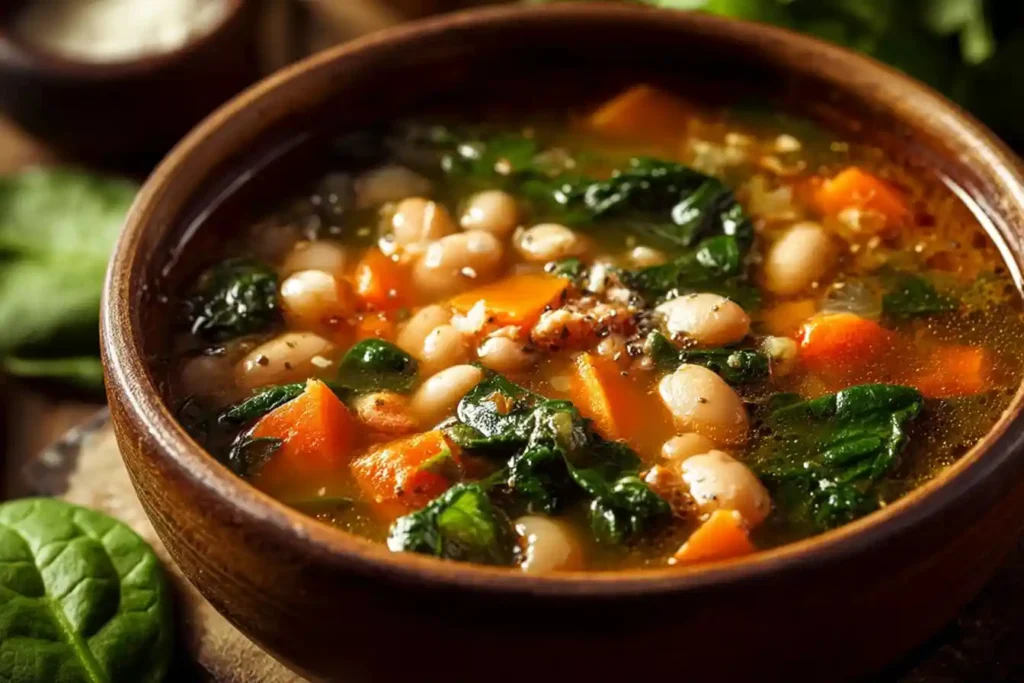
Why Make Hearty Tuscan White Bean Soup
Choosing to make Hearty Tuscan White Bean Soup is an investment in your well-being and your culinary repertoire. In an era where many of us are looking for ways to eat more mindfully, this soup provides a perfect solution. It is naturally packed with plant-based nutrition, centered around the mighty white bean. These beans are a powerhouse of slow-burning carbohydrates, providing sustained energy throughout the day. They are also an exceptional source of dietary fiber, which is essential for digestive health and helps keep you feeling full and satisfied long after the meal is over. When you combine these legumes with a variety of colorful vegetables, you are creating a nutrient-dense powerhouse that supports your body without the need for heavy creams or processed additives.
Beyond the nutritional benefits, this soup is a champion of kitchen economy. Most of the ingredients are likely already sitting in your pantry or crisper drawer. Onions, carrots, celery, and garlic form the “holy trinity” of aromatics that serve as the foundation for so many great dishes, and they are incredibly affordable. Canned beans are a shelf-stable miracle, allowing you to whip up a gourmet-quality meal on a whim without the need for overnight soaking. Even the addition of a Parmesan rind—a part of the cheese that many people mistakenly discard—is a lesson in resourcefulness, as it imparts a deep, salty, umami flavor to the broth for essentially no extra cost. Making this soup is a way to honor the tradition of using what you have to create something extraordinary.
Furthermore, the process of making this soup is inherently therapeutic. There is a rhythmic quality to dicing vegetables and a soothing sound to the gentle sizzle of onions in olive oil. Unlike high-pressure recipes that require split-second timing, this soup is forgiving. It thrives on a gentle simmer, allowing you to go about your evening while the flavors develop. It is a wonderful recipe for those who are just beginning their culinary journey, as it teaches fundamental skills like building flavor layers and adjusting seasoning. For the seasoned home cook, it offers a chance to return to the basics and appreciate the beauty of simplicity. When you make this soup, you aren’t just preparing food; you are practicing an art form that prioritizes flavor, health, and heart.
Finally, this soup is a social connector. There is something about a large pot of soup that begs to be shared. It is the perfect meal for a casual gathering of friends, a Sunday family dinner, or a thoughtful gift for a neighbor who might be feeling under the weather. It scales up easily, meaning you can double the batch to feed a crowd or to ensure you have plenty of leftovers for the week ahead. In a fast-paced world, sitting down to a bowl of Tuscan white bean soup encourages conversation and connection. It is a dish that brings people together, providing comfort and sustenance in equal measure. Every spoonful carries with it the warmth of a sun-drenched Italian kitchen, no matter where in the world you happen to be.
Why You’ll Love This Hearty Tuscan White Bean Soup
You will love this Hearty Tuscan White Bean Soup because it achieves a perfect balance of textures that is rarely found in such a simple dish. The cannellini beans are the stars here; when simmered, they become incredibly tender, almost buttery in their consistency. By mashing a portion of the beans directly into the broth, you create a natural creaminess that gives the soup a luxurious “mouthfeel” without the need for heavy cream or flour-based thickeners. This contrast between the whole, plump beans and the thick, velvety broth creates a satisfying complexity that keeps every bite interesting. It is a soup that feels substantial and “meaty” despite being primarily plant-based.
Another reason to fall in love with this recipe is the incredible depth of flavor that is built through careful layering. We start with a base of sautéed aromatics, then introduce tomato paste, which adds a concentrated burst of savory sweetness. The herbs—rosemary and thyme—bring an earthy, piney fragrance that is quintessential to Mediterranean cooking. The real secret, however, is the Parmesan rind. As it simmers, it slowly releases its aged, salty essence into the liquid, providing a background note of richness that ties all the other ingredients together. This is a soup that hits all the right notes: savory, slightly sweet, salty, and finished with a bright pop of acidity from lemon juice or vinegar that wakes up the entire palate.
Versatility is another hallmark of this dish that you are sure to appreciate. While the recipe provided is a classic version, it is incredibly adaptable to your personal preferences or what you have on hand. If you prefer a bit of heat, you can increase the red pepper flakes. If you want more greens, you can double the kale or swap it for Swiss chard or baby spinach. You can add extra vegetables like zucchini or parsnips, or even stir in some cooked small pasta like ditalini if you want an even heartier meal. This flexibility makes it a reliable “go-to” recipe that never gets boring, as it can change with the seasons and your cravings.
Lastly, you will love how this soup respects your time. While it tastes like it has been simmering for hours on a wood-fired stove, the actual hands-on preparation is quite minimal. Once the vegetables are chopped and the ingredients are in the pot, the stove does most of the work for you. It is a fantastic option for meal prep, as the flavor actually improves after a day or two in the refrigerator. The beans continue to absorb the herbaceous broth, and the spices mellow and integrate. Knowing you have a container of this soup waiting for you in the fridge is a great source of comfort on a busy workday. It is a recipe that gives back far more than it takes, providing multiple delicious meals from a single session in the kitchen.
Ingredients and Substitutions
Understanding the role of each ingredient in this Hearty Tuscan White Bean Soup is the key to mastering the dish. Each component has been chosen for its ability to contribute to the overall harmony of flavor and texture. Here is a detailed look at what you will need and how you can adapt the recipe to suit your needs:
- 2 tablespoons olive oil
- 1 medium onion, chopped
- 2 medium carrots, diced
- 2 ribs celery, diced
- 3–4 cloves garlic, minced
- 1–2 tablespoons tomato paste
- 1 can (14.5 oz) diced tomatoes (or crushed tomatoes)
- 2 cans (15 oz each) cannellini beans, drained and rinsed
- 4 cups vegetable or chicken broth
- 1 teaspoon dried rosemary (or 1 sprig fresh)
- 1 teaspoon dried thyme (or 2–3 sprigs fresh)
- 2 cups chopped kale or spinach
- 1 piece Parmesan rind (optional) for simmering
- Salt, black pepper, red pepper flakes (optional)
- 1–2 teaspoons lemon juice or red wine vinegar
- 1/4 cup fresh parsley, chopped (optional)
- Crusty bread for serving
The Olive Oil: This is the starting point of our flavor journey. Use a good quality extra virgin olive oil if possible, as its fruity and slightly peppery notes will permeate the vegetables. If you are watching your fat intake, you can reduce the amount slightly, but keep in mind that the oil helps to carry the fat-soluble flavors of the herbs and aromatics.
The Aromatics (Onion, Carrot, Celery, Garlic): Often called a “soffritto” in Italian cooking, this mixture provides the foundational sweetness and depth. Yellow or white onions work best for their balanced flavor. Carrots add a touch of natural sugar, while celery provides an earthy, herbal backbone. Garlic should be fresh; its aroma is essential. If you don’t have celery, you could use chopped fennel for a unique, slightly licorice-like twist.
Tomato Paste and Diced Tomatoes: Tomato paste is a flavor concentrator. Cooking it for a minute or two before adding liquids allows it to lose its raw edge and develop a rich, dark color. Diced tomatoes add texture and acidity. If you prefer a smoother soup, you can use crushed tomatoes or even a bit of tomato purée. For a “white” version of the soup, you can omit the diced tomatoes entirely and just use the paste for a hint of gold color.
The Beans: Cannellini beans are the traditional choice for their creamy texture and thin skins. However, you can easily substitute them with Great Northern beans or Navy beans. If you want to use dried beans, you will need to soak them overnight and cook them until tender before adding them to the soup recipe. This adds an extra layer of rustic charm but requires more planning.
The Broth: Vegetable broth keeps the dish vegetarian/vegan, while chicken broth adds a slightly deeper, savory note. Always look for low-sodium options so you have full control over the final saltiness of the dish. If you are out of broth, water with a bit of extra salt and herbs can work in a pinch, though the result will be less rich.
The Herbs: Rosemary and thyme are the classic Tuscan duo. Fresh herbs are wonderful if you have them—just remember to remove the woody stems before serving. Dried herbs are more concentrated, so use about a third of the amount you would use for fresh. If you aren’t a fan of rosemary, sage is a beautiful alternative that pairs exceptionally well with white beans.
The Greens: Lacinato kale (also known as dinosaur kale) is sturdy and holds up well to simmering. Curly kale is also excellent. If you use spinach, add it at the very last second, as it wilts much faster than kale. For a more bitter, traditional Italian flavor, try using chopped broccoli rabe or escarole.
The Parmesan Rind: This is the “secret ingredient.” It acts like a bouillon cube of pure flavor. As it heats up, it softens and releases its salty, nutty essence. If you are making a vegan version, you can omit this and add a tablespoon of nutritional yeast or a teaspoon of white miso paste to achieve a similar depth of flavor.
The Finishing Touches: Lemon juice or red wine vinegar is crucial. Acidity cuts through the richness of the beans and brightens the entire pot. Don’t skip this! Fresh parsley adds a burst of color and a clean, grassy finish. And of course, the bread—a loaf of sourdough or a crusty baguette is the traditional vessel for enjoying this hearty meal.
How to Make Hearty Tuscan White Bean Soup
Creating this soup is a journey of building layers. It is not a dish you simply throw in a pot and boil; it is a dish you nurture. By following these steps and paying attention to the sensory cues, you will ensure a result that is far superior to any canned version. The key is patience during the initial stages, where the foundation of flavor is established.
Step-by-Step Cooking Instructions
Step 1: Warm 2 tablespoons olive oil in a large pot over medium heat. You want the oil to be shimmering but not smoking. When you drop a small piece of onion into the pot, it should sizzle gently. This initial heat is what will draw out the moisture and sweetness from our vegetables. Using a heavy-bottomed pot, like a Dutch oven, is ideal because it distributes heat evenly and prevents the vegetables from scorching.
Step 2: Add onion, carrot, and celery. Cook 6–8 minutes until soft. This process is known as “sweating” the vegetables. You aren’t looking to brown them deeply; rather, you want them to become translucent and tender. The onions will turn from a sharp white to a soft, golden hue, and the carrots will begin to brighten. The smell in your kitchen at this stage will be the classic, comforting aroma of home cooking. Stir occasionally to ensure everything cooks evenly.
Step 3: Stir in garlic, red pepper flakes (if using), and tomato paste. Cook 1–2 minutes until the paste darkens. This is a critical step for depth. By “toasting” the tomato paste, you transform it from a bright red, acidic paste into a dark, brick-red concentrate with a much more complex flavor profile. The garlic should become fragrant but be careful not to let it turn brown or black, as burnt garlic can become bitter and ruin the delicate balance of the soup.
Step 4: Add diced tomatoes, beans, broth, rosemary, thyme, bay leaf, and Parmesan rind (if using). Stir and bring to a simmer. As you add the liquids, use your spoon to scrape up any browned bits from the bottom of the pot—these bits are packed with flavor. The Parmesan rind will sink to the bottom; don’t worry, it won’t stick. Once the soup reaches a boil, immediately turn the heat down to low. A gentle simmer—where just a few bubbles break the surface—is what we are looking for.
Step 5: Simmer 15–20 minutes. For a creamier texture, mash 1 cup of beans against the pot or blend a few pulses with an immersion blender. This is the “secret” to that classic Tuscan texture. By breaking down some of the beans, you release their natural starches into the broth, thickening it beautifully. If you prefer a very chunky, clear soup, you can skip the mashing, but most people find the creamier version much more satisfying. During this time, the herbs are infusing the liquid with their woody notes.
Step 6: Stir in chopped kale or spinach. Cook 2–3 minutes until wilted. If you are using kale, you will notice it turns a vibrant, dark green. Its leaves will soften but still retain a bit of pleasant chew. If you are using spinach, it will melt almost instantly into the broth. This step adds the final layer of color and a boost of vitamins. The greens should be integrated into the soup but still look fresh and lively.
Step 7: Remove bay leaf (and Parmesan rind). Season with salt, pepper, and lemon juice or vinegar to taste. The Parmesan rind will have become very soft and rubbery; its job is done. Now comes the most important part: the tasting. Add salt gradually. The amount you need will depend on the saltiness of your broth and the cheese rind. The lemon juice or vinegar is the “magic” ingredient—it provides a bright finish that balances the earthy beans and savory broth.
Step 8: Ladle into bowls. Top with olive oil, grated Parmesan, and parsley if you like. Serve with bread. The final presentation is where you can really let the dish shine. A swirl of high-quality olive oil on top adds a luxurious sheen and a fresh aroma. The bread is essential for dipping, acting as a sponge for the delicious broth. Take a moment to appreciate the steam rising from the bowl before you take your first, comforting bite.
Storage & Reheating
One of the greatest virtues of Hearty Tuscan White Bean Soup is its longevity. In fact, many enthusiasts of Italian cuisine argue that this soup is actually better on the second or third day. As the soup sits in the refrigerator, the beans continue to absorb the flavors of the rosemary, garlic, and broth, and the overall profile becomes more harmonious and concentrated. To store the soup properly, allow it to cool to room temperature. Do not leave it out for more than two hours, as food safety is paramount. Once cooled, transfer the soup to airtight containers. It will keep beautifully in the refrigerator for up to 4 to 5 days.
When it comes to reheating, you may notice that the soup has thickened significantly in the fridge. This is perfectly normal, as the starches from the beans continue to set. When you are ready to eat, place the desired amount in a small saucepan over medium-low heat. Add a splash of water or a bit of extra broth to loosen it up and return it to your preferred consistency. Stir occasionally to ensure it heats evenly. You can also use a microwave, heating in 1-minute intervals and stirring in between. Avoid bringing the soup to a violent boil during reheating, as this can cause the beans to break down too much and the greens to lose their color.
If you find yourself with a large batch that you cannot finish within a few days, this soup is an excellent candidate for freezing. It freezes remarkably well for up to 3 months. To freeze, ladle the cooled soup into freezer-safe bags or containers, leaving about an inch of space at the top to allow for expansion as the liquid freezes. If using bags, lay them flat on a baking sheet until they are frozen solid; this saves an incredible amount of space in your freezer. To thaw, simply place the container in the refrigerator overnight. If you are in a hurry, you can defrost it in the microwave or place the frozen block of soup directly into a pot with a tiny bit of water and heat it slowly over low heat.
It is worth noting that while the beans and broth freeze perfectly, the greens (especially spinach) may become a bit softer upon thawing. If you are planning to freeze the entire batch from the start, you might consider leaving the greens out and adding fresh ones during the reheating process. This ensures the kale or spinach remains vibrant and has the best possible texture. Regardless of how you store it, this soup remains a reliable and delicious “fast food” alternative for those nights when you don’t have the energy to cook from scratch.
Frequently Asked Questions (FAQs)
Can I use dried beans instead of canned? Yes, absolutely. Using dried beans is the traditional way and often results in a better texture and flavor. You will need about 1 cup of dried cannellini beans to replace two 15-ounce cans. Soak them in water overnight, then simmer them in water or broth until tender (usually 60–90 minutes) before proceeding with the rest of the soup recipe. The cooking liquid from the dried beans can also be used as part of the broth for extra flavor.
How do I make this soup vegan? This soup is very easy to make vegan. Simply use vegetable broth instead of chicken broth and omit the Parmesan rind and the grated Parmesan topping. To replace the “umami” depth that the cheese provides, you can add a teaspoon of white miso paste or a tablespoon of nutritional yeast. You can also add a bit more salt and a touch more lemon juice to ensure the flavors remain bright and bold.
My soup is too thin; how can I thicken it? If your soup feels more like a watery broth than a hearty stew, the best method is to use the “mash” technique. Take a potato masher or a large fork and crush some of the beans against the side of the pot. If you want an even thicker consistency, you can remove two cups of the soup, blend it in a blender until smooth, and then stir it back into the pot. This creates a thick, creamy base without adding any flour or heavy cream.
What is the best bread to serve with Tuscan bean soup? Traditionally, a crusty, rustic Italian loaf or a sourdough bread is used. In Tuscany, they often use “pane sciocco,” which is bread made without salt, but any hearty bread with a thick crust and a chewy interior will work. You can also toast the bread with a bit of garlic and olive oil to make “crostini” or “fettunta” to serve on the side or even at the bottom of the bowl, allowing the bread to soak up the broth.
Can I add meat to this recipe? While this is a vegetarian-focused recipe, it is very adaptable. Many people enjoy adding browned Italian sausage, pancetta, or even leftover shredded chicken. If using sausage or pancetta, cook it in the pot first until browned, then remove the meat and use the rendered fat to sauté your vegetables. Stir the meat back into the soup during the simmering stage to allow the flavors to meld.
Is this soup gluten-free? Yes, this recipe is naturally gluten-free as long as you ensure your broth is certified gluten-free. The thickness comes from the beans themselves rather than a flour-based roux. Just be sure to serve it with a gluten-free bread alternative if you still want that classic “soup and bread” experience. It is a fantastic, safe option for those with gluten sensitivities or Celiac disease.
What can I use if I don’t have kale? If kale isn’t your favorite or you can’t find it, there are many excellent substitutes. Swiss chard is a wonderful alternative; use the leaves like kale and chop the stems to sauté along with the carrots and celery. Baby spinach is very convenient, though it is more delicate. You could even use collard greens, though they will need to simmer a bit longer (about 10–15 minutes) to become tender. Even finely shredded cabbage can work in a pinch for a different but delicious texture.
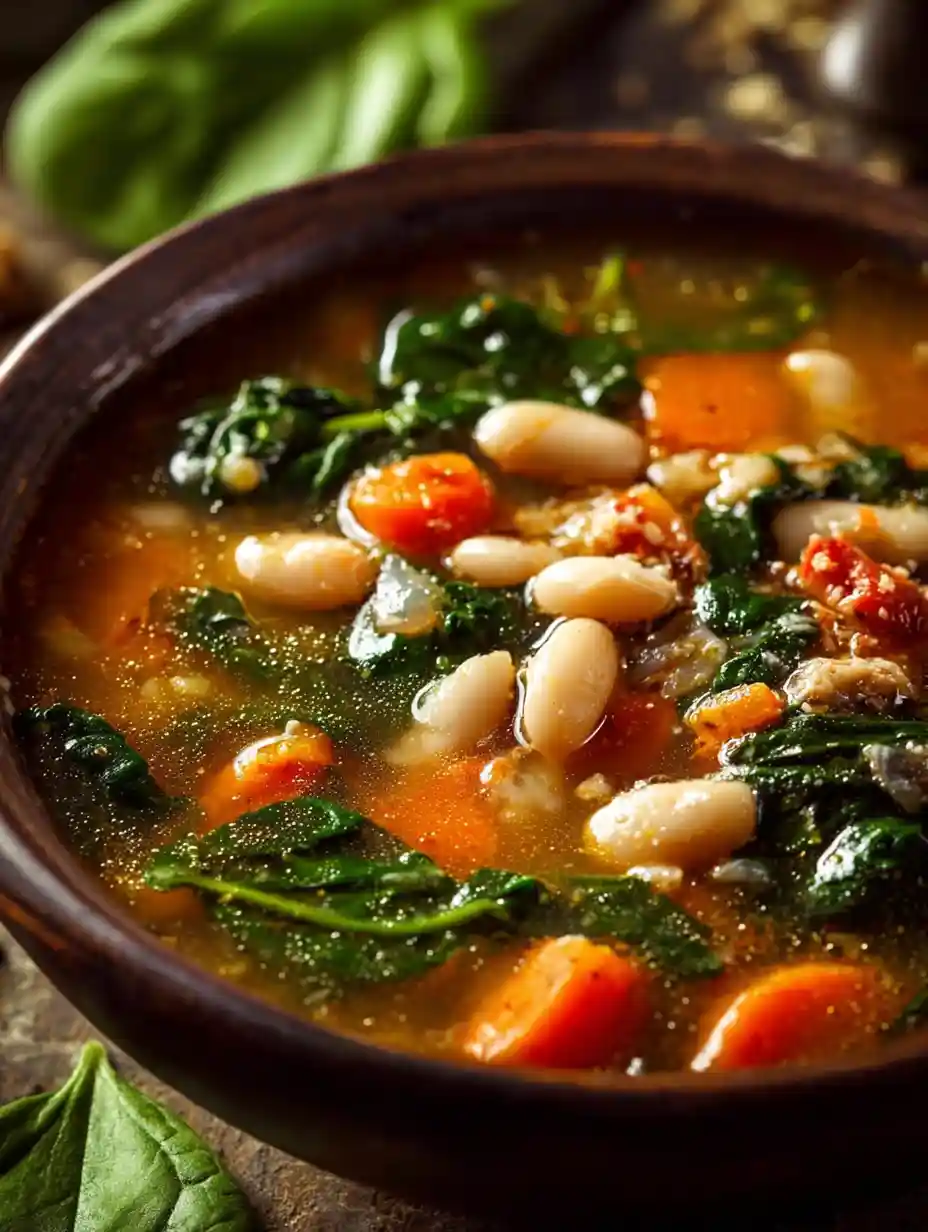
More Comforting Soups You’ll Love
If you enjoyed this recipe, be sure to explore these cozy favorites from our soup collection:
- White Bean and Greens Soup – wholesome Tuscan white beans and leafy greens in a garlic olive oil broth.
- Italian Sausage and Cabbage Soup – hearty Italian sausage with sweet tender cabbage in a savory herb broth.
Hearty Tuscan White Bean Soup
Ingredients
Method
- Warm 2 tablespoons olive oil in a large pot over medium heat.
- Add onion, carrot, and celery. Cook 6–8 minutes until soft.
- Stir in garlic, red pepper flakes (if using), and tomato paste. Cook 1–2 minutes until the paste darkens.
- Add diced tomatoes, beans, broth, rosemary, thyme, bay leaf, and Parmesan rind (if using). Stir and bring to a simmer.
- Simmer 15–20 minutes. For a creamier texture, mash 1 cup of beans against the pot or blend a few pulses with an immersion blender.
- Stir in chopped kale or spinach. Cook 2–3 minutes until wilted.
- Remove bay leaf (and Parmesan rind). Season with salt, pepper, and lemon juice or vinegar to taste.
- Ladle into bowls. Top with olive oil, grated Parmesan, and parsley if you like. Serve with bread.

1 thought on “Hearty Tuscan White Bean Soup”