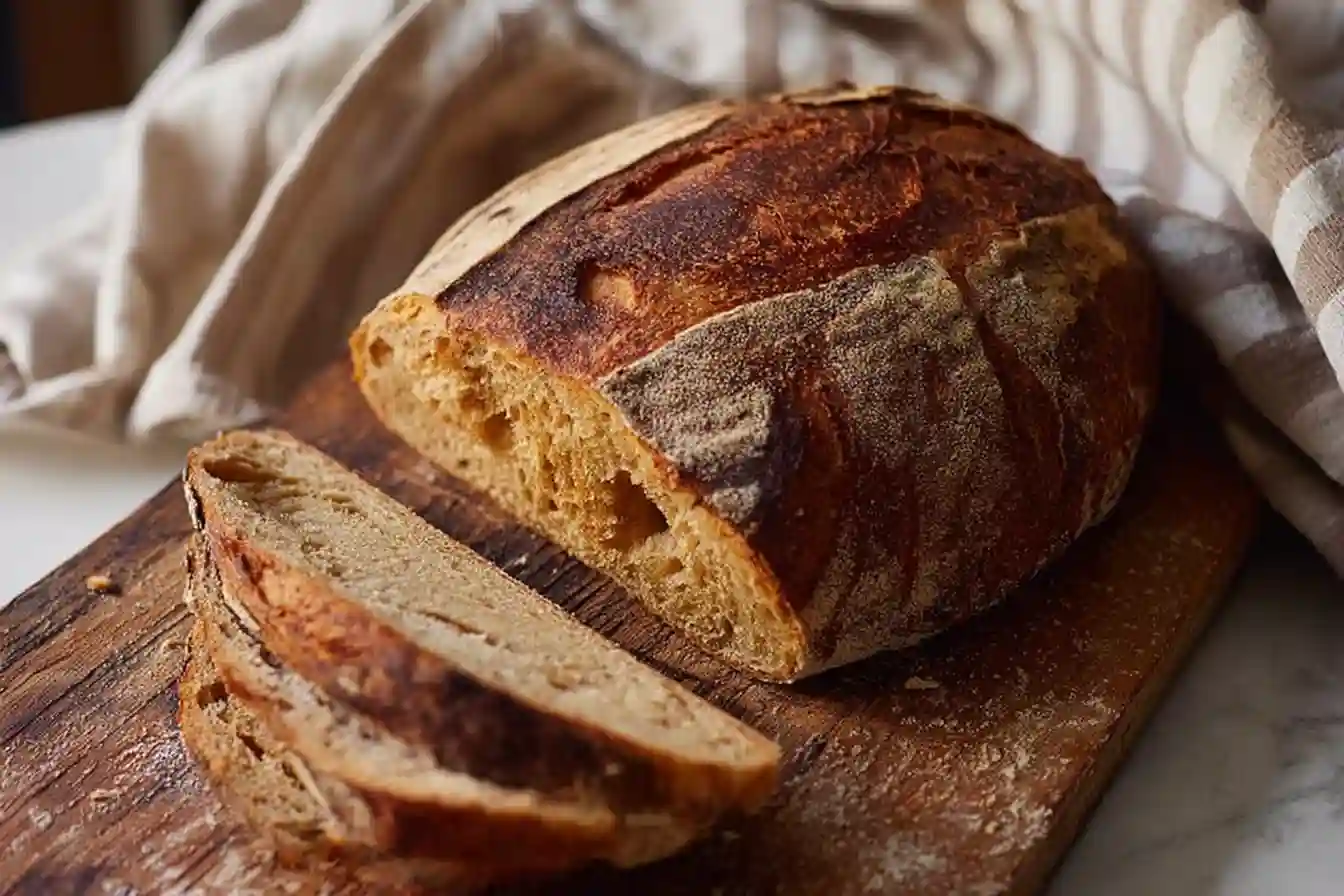
Whole wheat bread is more than just another loaf you find at the store. It’s a kitchen staple that brings together comfort, nutrition, and a sense of home. When you bake whole wheat bread yourself, you’re not only creating food but also a memory. This article will guide you through the story behind this wholesome bread, the essential ingredients, simple baking techniques, and tips for storing and serving. Along the way, we’ll answer some of the most common questions people ask about whole wheat bread so you can feel confident every time you bake.

The Story Behind Whole Wheat Bread
A Personal Memory of Breadmaking
The first time I smelled fresh whole wheat bread baking, I wasn’t even in my own kitchen. I was at my grandmother’s house, where every weekend meant something bubbling on the stove or rising on the counter. She had a habit of pressing a piece of dough into my hand, letting me feel its springy texture before she slid the loaf into the oven. At the time, I didn’t realize that those moments would shape how I see bread today. For me, whole wheat bread isn’t just about nutrition it’s about warmth, connection, and the comfort of knowing something simple can bring people together.
Why Whole Wheat Bread Matters Today
In today’s busy world, making a loaf of whole wheat bread might seem like a luxury, but it’s actually a practical way to bring healthier choices to your table. Unlike white bread, whole wheat bread keeps the bran and germ intact, packing in fiber, vitamins, and minerals. That means it not only fills you up but also supports digestion and energy throughout the day. Many families are turning to homemade bread to control ingredients, avoid preservatives, and add a touch of tradition back to their meals. Just like a rustic loaf of cheesy sourdough focaccia can turn a gathering into something memorable, whole wheat bread carries the same comforting spirit.
Ingredients and Essentials for Whole Wheat Bread
Choosing the Right Flour
The heart of whole wheat bread is, of course, the flour. Unlike refined white flour, whole wheat flour retains the bran and germ, which gives the bread its nutty flavor and hearty texture. That also means it carries more fiber, B vitamins, and minerals. Bakers often wonder which flour is “best.” Stone-ground whole wheat flour is a popular choice because it’s less processed, while commercially milled versions may offer more consistency in baking. If you’re new to breadmaking, start with store-bought whole wheat flour before experimenting with local or specialty mills. Each flour behaves slightly differently, so small test batches are a smart way to find your favorite.
Here’s a simple comparison table to make choosing easier:| Type of Flour | Key Features | Best For |
|---|---|---|
| Stone-Ground Whole Wheat | Nutty flavor, rustic texture, high nutrition | Artisan-style loaves, hearty sandwiches |
| Commercial Whole Wheat | Consistent grind, reliable rise, milder flavor | Everyday loaves, quick baking |
| White Whole Wheat | Softer texture, lighter color, mild taste | Family-friendly loaves, kids’ sandwiches |
The Three Basics of Breadmaking
Every loaf of bread, whether simple or elaborate, rests on three essentials: flour, water, and yeast. Salt is often called the “fourth ingredient” because it balances flavor and strengthens the dough structure. With whole wheat bread, hydration is especially important since bran absorbs more water. That’s why recipes may call for a little extra liquid compared to white bread. Yeast whether instant or active dry gives the dough lift and structure, while water ties everything together. Whole grains shine not only in bread but also in creative bakes like sourdough oatmeal cream pies, showing just how versatile these pantry staples can be.
Baking Techniques and Timing
Does Whole Wheat Bread Take Longer to Bake?
The short answer is yes, but only slightly. Whole wheat bread usually bakes longer than white bread because of its higher fiber and bran content, which make the dough denser. On average, a standard loaf of whole wheat bread bakes for about 35–40 minutes at 375°F (190°C), compared to 30–35 minutes for white bread. The crust should be golden brown, and the loaf should sound hollow when tapped on the bottom a reliable baker’s test passed down through generations. Temperature also matters: too hot and the outside browns before the inside cooks, too cool and you’ll end up with a heavy loaf.
Kneading, Proofing, and Patience
Good bread takes time, but that doesn’t mean the process is difficult. With whole wheat bread, kneading is essential for developing gluten, which creates the chewy texture we all love. Proofing, or letting the dough rise, is equally important. Since whole wheat flour is heavier, the dough needs slightly longer rest periods than white bread. While same day sourdough dinner rolls often rise quickly, a whole wheat loaf rewards patience with a deeper flavor and sturdier crumb. loaf:| Step | Time | Notes |
|---|---|---|
| Mixing | 10 minutes | Combine flour, water, yeast, and salt until shaggy |
| Kneading | 10–12 minutes | Dough should be elastic but not sticky |
| First Rise | 1–1.5 hours | Cover and let double in size |
| Shaping | 5 minutes | Form into a loaf, tuck ends under |
| Second Rise | 30–45 minutes | Loaf should rise slightly above pan edge |
| Baking | 35–40 minutes | Loaf sounds hollow when tapped |
Patience is your best tool here. Resist the urge to rush through proofing; allowing enough time makes the bread lighter and improves flavor. And if your first loaf doesn’t look perfect, remember: homemade bread always tastes better than anything from a package. For more step-by-step guides, check out my prep tips where I share small tricks that make the process smoother.
Serving, Storing, and Enjoying Whole Wheat Bread
How to Serve It Best
A fresh loaf of whole wheat bread deserves to be enjoyed in more than one way. Sliced warm, it pairs beautifully with a simple spread of butter or a drizzle of honey. For heartier meals, whole wheat bread makes the perfect base for sandwiches, adding a nutty flavor that complements lean proteins and fresh vegetables. It’s also excellent alongside soups and stews, where it can be dipped, torn, and shared around the table. From garlic butter naan
Storing for Freshness
Homemade whole wheat bread doesn’t contain preservatives, so it’s best enjoyed within a few days of baking. To keep it fresh, store it in a bread box or wrap it in a clean kitchen towel and place it in a paper bag. This method helps maintain moisture while preventing sogginess. For longer storage, slice the loaf, wrap it tightly, and freeze the slices. That way, you can pull out exactly what you need, whether it’s one slice for breakfast or several for lunch. When reheating, avoid the microwave, which can dry the bread. Instead, warm slices in a toaster or oven to bring back that just-baked taste. And if you’re curious about more ways to keep food fresh, I’ve shared practical tips in my meal storage guide,
PrintWhole Wheat Bread Nutritious, Simple, and Absolutely Delicious

A hearty, wholesome loaf of whole wheat bread made with simple ingredients. Perfect for everyday sandwiches, soups, or toasting.
- Prep Time: 15 minutes
- Cook Time: 40 minutes
- Total Time: 2 hours 10 minutes
- Yield: 1 loaf 1x
- Category: Bread
- Method: Baking
- Cuisine: American
- Diet: Vegetarian
Ingredients
3 cups whole wheat flour
1 1/4 cups warm water
2 1/4 tsp instant yeast
1 tsp salt
1 tbsp honey or maple syrup (optional)
2 tbsp olive oil
Instructions
1. In a large bowl, combine warm water, honey, and yeast. Let sit until foamy.
2. Add flour, salt, and olive oil. Mix until a shaggy dough forms.
3. Knead dough on a floured surface for 10 minutes until smooth and elastic.
4. Place dough in a greased bowl, cover, and let rise for 1–1.5 hours until doubled.
5. Punch down dough, shape into a loaf, and place in a greased bread pan.
6. Cover and let rise for another 30–45 minutes.
7. Bake at 375°F (190°C) for 35–40 minutes until golden and hollow-sounding.
8. Cool on a wire rack before slicing.
Notes
This bread freezes well when sliced and wrapped tightly.
For extra flavor, add seeds like sunflower, flax, or sesame before baking.
Nutrition
- Serving Size: 1 slice
- Calories: 110
- Sugar: 2g
- Sodium: 160mg
- Fat: 3g
- Saturated Fat: 0.5g
- Unsaturated Fat: 2.5g
- Trans Fat: 0g
- Carbohydrates: 20g
- Fiber: 3g
- Protein: 4g
- Cholesterol: 0mg
FAQs
Is 100% whole wheat bread healthy for you?
Yes. Whole wheat bread is considered a healthy choice because it contains the bran, germ, and endosperm of the wheat kernel. This means it offers more fiber, vitamins, and minerals compared to refined white bread. Fiber supports digestion, keeps you full longer, and may even help balance blood sugar levels. For more detailed information on whole grains and their health benefits, the Harvard T.H. Chan School of Public Health provides an excellent resource.
What flour is best for whole wheat bread?
The best flour depends on your preference. Stone-ground whole wheat flour delivers a rustic, nutty flavor, while commercial whole wheat flour offers consistency and a reliable rise. White whole wheat flour is milder and lighter, making it a good option for kids or anyone who prefers a softer loaf.
What are the basic 3 ingredients to make bread?
The three basic ingredients for bread are flour, water, and yeast. Salt is often added as well, since it strengthens the dough and enhances flavor. With whole wheat bread, hydration is especially important because bran absorbs more water than white flour.
Does whole wheat bread take longer to bake?
Yes, it usually does. Whole wheat bread is denser than white bread, so it often requires an extra 5–10 minutes in the oven. A golden-brown crust and a hollow sound when tapped on the bottom are good indicators that your loaf is fully baked.
Conclusion
Whole wheat bread is more than just a recipe it’s a tradition that connects us to the past while offering nourishment for today. From choosing the right flour to patiently kneading and proofing, each step carries a rhythm that feels both grounding and rewarding. What begins as a handful of simple ingredients transforms into a loaf that fills your kitchen with warmth and your table with comfort.
I still remember my grandmother’s bread cooling on the counter, the crust crackling as it settled. That memory returns every time I pull a loaf of whole wheat bread from my own oven. And now, with a little practice and patience, you can create the same experience in your kitchen. Whether you enjoy it with soup, make sandwiches for the week, or simply slice it warm with butter, homemade whole wheat bread has a way of turning an ordinary day into something memorable.