Why Make Homemade Classic Chicken Soup
The decision to make chicken soup from scratch is one of the most rewarding choices a home cook can make. While the convenience of canned or boxed broth is undeniable, the gap in quality, nutrition, and flavor is monumental. When you make your own soup, you are the master of your kitchen. You control the level of salt, the freshness of the herbs, and the quality of the meat. Most commercial soups are laden with excessive sodium, artificial flavor enhancers, and preservatives designed for shelf-life rather than vitality. By making it yourself, you ensure that every drop is packed with genuine nutrients and the pure, unadulterated essence of the ingredients. Beyond the nutritional benefits, there is a therapeutic element to the process. There is something deeply grounding about the tactile nature of preparing a whole chicken and the rhythmic sound of a knife hitting the cutting board as you dice carrots and celery. It is a kitchen project that fills your home with an aroma that no candle could ever replicate—a savory, herbal fragrance that signals safety, health, and care. For many, this soup is a link to the past, evoking memories of grandmothers and parents who understood that the best medicine often comes in a ceramic bowl. Furthermore, making chicken soup is an exercise in culinary economy. By using a whole chicken, you are utilizing the entire bird, ensuring that nothing goes to waste. The bones, skin, and connective tissues provide the body and richness that define a world-class broth, while the meat provides the heart of the meal. It is one of the most cost-effective ways to feed a family or to meal-prep for a busy week ahead. A single pot can yield several days of lunches or dinners, and the flavor only improves as it sits, making it the gift that keeps on giving. Finally, homemade chicken soup is a versatile canvas. While this recipe focuses on the classic preparation, the skills you learn here—how to simmer a clear broth, how to balance aromatics, and how to properly shred poultry—are foundational skills that will improve all of your cooking. It is a dish that welcomes everyone, regardless of their culinary expertise. Whether you are a seasoned chef or a beginner, the success of a great chicken soup depends less on technical wizardry and more on your willingness to let the ingredients speak for themselves over a low, steady flame.Why You’ll Love This Homemade Classic Chicken Soup
You will love this particular recipe because it prioritizes the purity of flavor above all else. Many modern recipes try to overcomplicate the classic by adding unnecessary spices or trendy ingredients that distract from the core mission. This recipe, however, is a tribute to the “old ways.” It focuses on achieving a crystal-clear, golden broth that tastes like the absolute best version of chicken. The use of a whole chicken rather than just pieces ensures a multi-dimensional flavor profile that you simply cannot get from breasts or thighs alone. The fat from the skin adds a luxurious mouthfeel, while the bones contribute a depth that is both savory and slightly sweet. Another reason this recipe will become a staple in your household is the texture of the vegetables. By adding them later in the process rather than at the very beginning, we ensure they retain their vibrant color and a pleasant, tender-crisp bite. There is nothing more disappointing than a soup where the carrots have turned to mush and the celery has vanished into the liquid. This method respects each ingredient, allowing the aromatics to infuse the broth while maintaining their individual integrity. The result is a soup that feels fresh and alive, rather than muddy or overcooked. The inclusion of egg noodles is another highlight that adds a nostalgic, hearty element to the dish. These wide, ribbon-like noodles are the perfect vessel for soaking up the savory broth. They provide a soft, comforting chew that contrasts beautifully with the tender shredded chicken and the slight crunch of the vegetables. However, the recipe is also designed to be flexible. If you prefer a lighter soup, you can easily omit the noodles, or if you are looking for a different texture, you can swap them for rice or even small dumplings. This adaptability makes it a “choose your own adventure” meal that can be tailored to any mood or dietary preference. Ultimately, you will love this soup because of how it makes you feel. There is a reason chicken soup is often called “Jewish penicillin” or recognized globally as the ultimate healing food. It is light enough to be easily digested when you aren’t feeling your best, yet substantial enough to serve as a full, satisfying dinner. It provides hydration, warmth, and a sense of well-being that is hard to find in any other dish. It is a recipe that tastes like home, regardless of where you are from, and it is guaranteed to bring a sense of peace and satisfaction to your table every single time.Ingredients and Substitutions
- 1 whole whole chicken Use a whole chicken for deeper flavor.
- 12 cups water Make sure the water fully covers the chicken.
- 2 leaves bay leaves Adds depth and flavor to the broth.
- 1 teaspoon dried thyme Enhances the herbal notes of the soup.
- 2 cups chopped carrots Adds sweetness to the flavor.
- 2 cups sliced celery Provides depth to the soup.
- 1 cup diced onions Forms the aromatic backbone.
- 4 cloves minced garlic Contributes gentle sharpness.
- 2 cups uncooked egg noodles Optional; can be substituted with gluten-free options.
- to taste salt Adjust to personal preference.
- to taste black pepper Adjust to personal preference.
- 1 fresh parsley, chopped For garnish and freshness.
- 1 fresh lemon, squeeze Optional for a bit of zing.
Deep Dive into the Ingredients
The whole chicken is the undisputed star of this show. When selecting your chicken, look for one that is fresh and preferably organic or pasture-raised. These birds often have a higher fat content and more robust flavor than their conventional counterparts. A bird weighing between 3 to 4 pounds is ideal for this volume of water. If you cannot find a whole chicken, you can substitute with 4 pounds of bone-in, skin-on chicken thighs and drumsticks. Avoid using only chicken breasts, as they lack the fat and bone structure necessary to create a truly rich broth; they also tend to dry out during the long simmering process. Water might seem like a passive ingredient, but it is the medium through which all flavor travels. If your tap water has a heavy chlorine or mineral taste, consider using filtered water. Since the liquid reduces slightly and concentrates in flavor, starting with clean, neutral water ensures the final broth is pure. The 12-cup measurement is a starting point; the goal is to have the chicken submerged by at least an inch or two to ensure even cooking and maximum extraction of flavor. Bay leaves and dried thyme are the essential herbs that provide the “classic” chicken soup aroma. Bay leaves offer a subtle, woody undertone that balances the richness of the chicken fat, while thyme adds a floral, slightly minty top note. If you have fresh thyme on hand, feel free to use 3 or 4 sprigs instead of the dried version. Just remember to remove the woody stems before serving. Other herbal additions could include a sprig of rosemary for a piney depth or a few peppercorns simmered directly in the broth for a hidden heat. The mirepoix (carrots, celery, and onions) is the holy trinity of soup-making. Carrots bring a natural sugar that rounds out the savory notes. Celery provides a salty, earthy quality, and onions—specifically yellow or white onions—provide the foundational sweetness and complexity. When dicing your onions and slicing your celery and carrots, aim for uniform sizes. This not only looks professional but ensures that every spoonful has a balanced mix of textures. If you want to change things up, parsnips can be used alongside carrots for a spicier, more wintery sweetness, or leeks can be used in place of onions for a more delicate, buttery flavor. Garlic adds a layer of pungency that cuts through the richness of the broth. By mincing it finely, you allow its oils to distribute evenly throughout the soup. If you are a garlic lover, feel free to increase the amount to 6 or 8 cloves, especially if you are making the soup to help soothe a cold. For a milder garlic flavor, you can smash the whole cloves and simmer them, removing them later, though mincing is the preferred method for this classic version. Egg noodles provide the heartiness that makes this a complete meal. Traditional wide egg noodles are prized for their ability to hold onto the broth. If you are following a gluten-free diet, there are excellent brown rice or corn-based noodles available that mimic the texture of egg noodles. Alternatively, you can use pearl barley (which will need a longer cooking time), white rice, or even small pasta shapes like ditalini or orzo. If you plan on freezing the soup, it is often best to cook the noodles separately and add them to each bowl to prevent them from becoming soggy during the freezing and reheating process. Finally, the salt, pepper, parsley, and lemon are your finishing touches. Salt is the most important tool in your arsenal; it doesn’t just make the soup salty, it unlocks the flavors of the chicken and vegetables. Always taste as you go, but remember that the flavors will concentrate as the soup simmers. Black pepper adds a gentle warmth, while fresh parsley provides a burst of color and a grassy freshness that wakes up the palate. A squeeze of fresh lemon juice at the very end is a “secret weapon” used by many chefs—it adds a bright acidity that lifts the entire dish and makes the flavors pop without making the soup taste like lemon.How to Make Homemade Classic Chicken Soup
Creating the perfect chicken soup is a journey of sensory observation. It is about more than just following a timer; it is about watching the liquid change from clear to golden, smelling the shift from raw onions to sweet aromatics, and feeling the chicken meat become tender enough to fall away from the bone with the slightest nudge. This process cannot be rushed, but it is remarkably simple if you pay attention to the small details along the way.Step-by-Step Cooking Instructions
Step 1: Place the whole chicken in a large stockpot and cover with water.
Choose a pot that is large enough to give the chicken plenty of room. An 8-quart or 12-quart stockpot is usually perfect. As you lower the chicken into the pot, ensure it is breast-side up. Pour in the 12 cups of cold water. Starting with cold water is a professional secret; it allows the proteins to release slowly into the liquid, resulting in a clearer, more flavorful broth. You should see the water rising up the sides of the chicken, eventually submerging it completely. If the bird is floating, don’t worry; it will settle as it begins to cook.Step 2: Bring to a gentle boil, then reduce the heat and skim off any foam.
Place the pot over medium-high heat. Stay close by, as you want to catch the moment the water begins to boil. You will see small bubbles rising, and eventually, a grayish-white foam will begin to collect on the surface. These are simply natural proteins and impurities being released from the chicken. Using a large spoon or a fine-mesh skimmer, gently lift this foam off the surface and discard it. This is the key to a clear, beautiful broth. Once the foam is mostly gone, immediately turn the heat down to low. You want a “lazy” simmer—just a few bubbles breaking the surface every few seconds.Step 3: Add bay leaves and thyme, let it simmer for approximately 90 minutes.
Now that the broth is clear and the heat is regulated, drop in your bay leaves and dried thyme. You will notice the aroma of the kitchen change almost instantly as the herbs hit the warm water. Cover the pot with a lid, but leave it slightly ajar to allow a tiny bit of steam to escape. This long, slow simmer is where the magic happens. The chicken’s connective tissues are slowly melting, creating a silky texture in the liquid. Resist the urge to stir aggressively; let the ingredients mingle peacefully. After about 90 minutes, the chicken meat should be very tender, and the liquid should have a distinctly golden hue.Step 4: Add chopped carrots, celery, onions, and minced garlic to the broth.
Carefully lift the lid and add your prepared vegetables. The carrots will add a bright orange pop, the celery a vibrant green, and the onions will eventually become translucent and sweet. By adding them now, you ensure they cook through perfectly without losing their shape. As the garlic hits the water, you will get a fresh, sharp hit of fragrance that will soon mellow into a savory sweetness. If the water level has dropped significantly, you can add a cup or two more, but try to keep the broth concentrated for the best flavor.Step 5: Season lightly with salt and pepper, and let simmer for an additional hour.
Add a generous pinch of salt and a few cracks of black pepper. Don’t over-salt at this stage, as the liquid will continue to reduce. This second hour of simmering allows the flavors of the vegetables to fully integrate with the chicken broth. The onions will soften until they almost melt into the soup, and the carrots will become tender enough to be crushed against the roof of your mouth. The house will now smell absolutely incredible—this is the peak of the cooking process.Step 6: Remove the chicken from the pot, let cool, then shred into bite-sized pieces.
Using two large sturdy forks or a pair of tongs, carefully lift the whole chicken out of the pot. It will be very soft and may even start to fall apart, so be gentle. Place it on a large cutting board or a rimmed baking sheet to catch any juices. Let it rest for 10 to 15 minutes until it is cool enough to handle. Once cooled, remove and discard the skin and bones. Use your fingers or forks to shred the meat into bite-sized chunks. You’ll notice how the dark meat is incredibly succulent and the breast meat is infused with the flavors of the broth.Step 7: Return the shredded chicken to the pot.
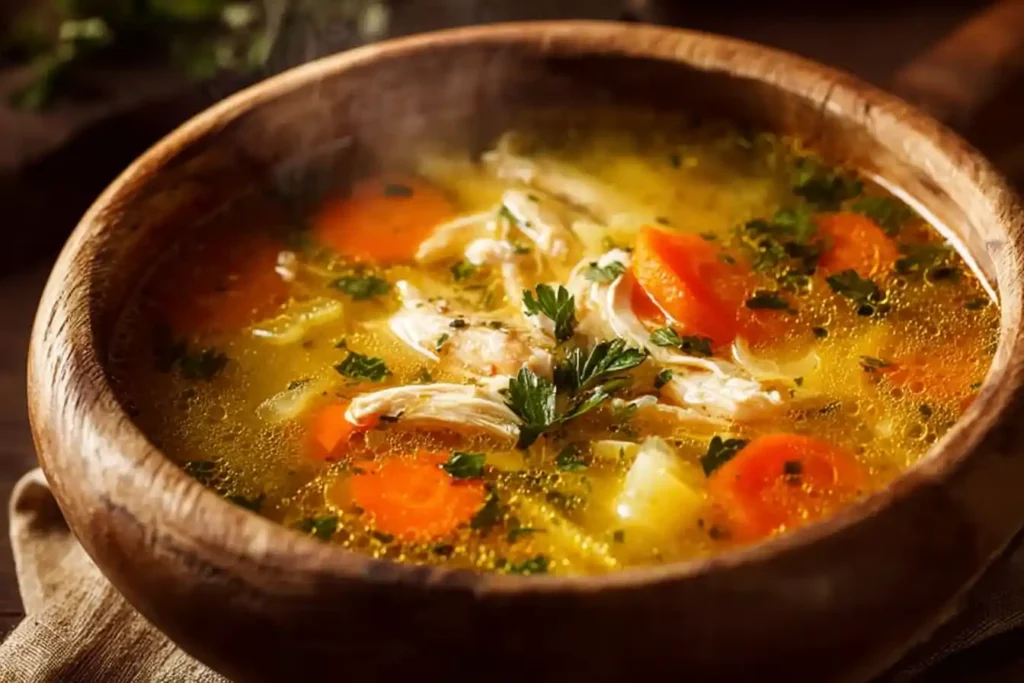
Slide all that beautiful shredded meat back into the simmering broth. At this point, the soup will look substantial and hearty. Give it a gentle stir to distribute the chicken among the vegetables. The broth should be a deep, rich gold, shimmering with tiny droplets of chicken fat on the surface—this is what home cooks often call “liquid gold.”Step 8: If using, add the egg noodles and cook for 6 to 8 minutes until tender.
Turn the heat up just slightly to bring the soup back to a steady simmer. Drop in the uncooked egg noodles. They will initially sink to the bottom, but as they absorb the broth and cook, they will expand and float. Stir occasionally to make sure they don’t stick to the bottom of the pot. Taste a noodle at the 6-minute mark; it should be soft but still have a bit of “soul” or structure to it. Be careful not to overcook them, as they will continue to soften slightly even after you turn off the heat.Step 9: Taste and adjust seasoning as desired.
This is the most critical step for any chef. Dip a spoon in, let it cool for a second, and taste the broth. Does it need more salt to make the chicken flavor sing? Does it need more pepper for a bit of back-of-the-throat warmth? This is your chance to perfect the balance. If the soup feels a bit heavy, this is when that optional squeeze of lemon can work wonders, cutting through the richness and brightening every other ingredient.Step 10: Serve hot, garnished with parsley and a squeeze of lemon if desired.
Ladle the soup into deep bowls, making sure everyone gets a generous portion of chicken, noodles, and vegetables. Sprinkle a handful of freshly chopped parsley over the top for a final touch of color and freshness. Serve it immediately while the steam is still rising. This soup is best enjoyed with a side of crusty bread or simple crackers, but it is truly a complete and perfect meal all on its own.Storage & Reheating
One of the greatest joys of making a massive pot of chicken soup is knowing that you have delicious meals ready for the days ahead. In fact, many people argue that chicken soup tastes even better the next day. As the soup sits in the refrigerator, the flavors have more time to marry and intensify. However, there are a few important tips to keep in mind to ensure your leftovers remain as high-quality as the first bowl you served. First, let the soup cool down before putting it in the refrigerator. Placing a piping hot pot of soup directly into the fridge can raise the internal temperature of the appliance, potentially putting other perishable foods at risk. To speed up the cooling process, you can transfer the soup into smaller, shallow containers. Once the soup has reached room temperature, seal the containers tightly. Homemade chicken soup will stay fresh in the refrigerator for 3 to 4 days. You may notice a layer of yellow fat solidifying on the top; this is perfectly natural and actually helps seal the soup from air. You can either stir it back in when reheating for extra richness or gently scrape it off if you prefer a leaner soup. If you plan on keeping the soup for longer, it freezes beautifully. Chicken soup can be frozen for up to 3 months without any significant loss in flavor. When freezing, it is highly recommended to freeze the soup without the noodles. Noodles tend to absorb a lot of liquid and can become very mushy when thawed and reheated. If you know you are going to freeze a batch, simply set aside a portion of the broth, chicken, and vegetables before adding the noodles in Step 8. When you are ready to eat the frozen soup, thaw it in the fridge overnight, bring it to a simmer on the stove, and then add fresh noodles to cook directly in the broth. Reheating should ideally be done on the stovetop over medium-low heat. This allows the soup to warm through evenly without overcooking the vegetables or chicken. If the soup has thickened significantly (which often happens as the noodles or starches absorb the liquid), simply add a splash of water or extra chicken broth to loosen it up. If you are in a hurry, the microwave works too—just cover the bowl with a paper towel to prevent splashing and stir halfway through the reheating time to ensure there are no cold spots.(FAQs)
Can I make this soup in a slow cooker or pressure cooker?
Yes, you certainly can adapt this recipe for modern appliances. For a slow cooker, place all ingredients (except noodles and parsley) in the pot and cook on low for 7 to 8 hours. Shred the chicken, return it to the pot, and add the noodles during the last 20 to 30 minutes of cooking. For a pressure cooker, cook the chicken and aromatics under high pressure for about 25 to 30 minutes, then use the sauté function to cook the noodles at the end. While these methods are faster or more “set and forget,” the traditional stovetop method usually yields the clearest broth and the most controlled texture for the vegetables.Why is my broth cloudy instead of clear?
Cloudy broth is usually the result of boiling the soup too vigorously. When the liquid boils hard, it agitates the fat and proteins, causing them to mix into the water rather than rising to the top where they can be skimmed off. To keep your broth clear, always start with cold water and keep the heat at a very gentle simmer. Also, make sure to skim the foam diligently during the first 20 minutes of cooking. While a cloudy broth tastes just as good, a clear broth is the hallmark of a carefully made classic soup.Do I really need to use a whole chicken?
While you can use parts, a whole chicken provides the best balance of white and dark meat, plus the bones and skin needed for a full-bodied broth. If you use only breasts, the soup will be thin and the meat will likely be dry. If you must use parts, a mix of bone-in thighs and drumsticks is the next best thing to a whole bird. The collagen in the joints of the drumsticks is particularly good for creating a silky mouthfeel in the broth.How do I prevent the noodles from getting too soft?
The best way to prevent mushy noodles is to cook them just until they are “al dente” (firm to the bite). Remember that they will continue to cook in the residual heat of the soup even after you turn off the stove. If you are making a large pot and expect to have a lot of leftovers, consider cooking the noodles separately in a different pot of boiling water and adding them to individual bowls as you serve. This keeps the noodles from sitting in the broth and absorbing all the liquid while the soup is stored in the fridge.What can I use instead of egg noodles?
The possibilities are endless! For a different twist, try adding matzo balls, which are traditional and delicious. You could also use white or brown rice, pearl barley, or even cheese tortellini for a more substantial meal. If you want to keep it low-carb, you can substitute the noodles with spiralized zucchini (zoodles) or simply add more vegetables like chopped kale, spinach, or extra carrots. Just keep in mind that different starches and vegetables have different cooking times, so adjust accordingly.Can I use leftover roasted chicken instead of a raw whole chicken?
Absolutely. Using a leftover rotisserie chicken or the carcass from a Sunday roast is a fantastic way to make a “quick” version of this soup. However, since the chicken is already cooked, you won’t need to simmer it for 90 minutes. You can simmer the bones and skin with the water and aromatics for about an hour to create a quick stock, then strain it and add the shredded meat and vegetables. It won’t have quite the same depth as the “from scratch” version, but it is still miles better than anything from a can. Making homemade classic chicken soup is a labor of love that rewards you with every steaming spoonful. It is a dish that transcends seasons and circumstances, offering a sense of home and health that few other foods can match. By following these steps and respecting the ingredients, you are not just making dinner; you are carrying on a timeless tradition of nourishment and care. Enjoy the process, savor the aroma, and most importantly, enjoy the incredible flavor of a soup made truly from the heart.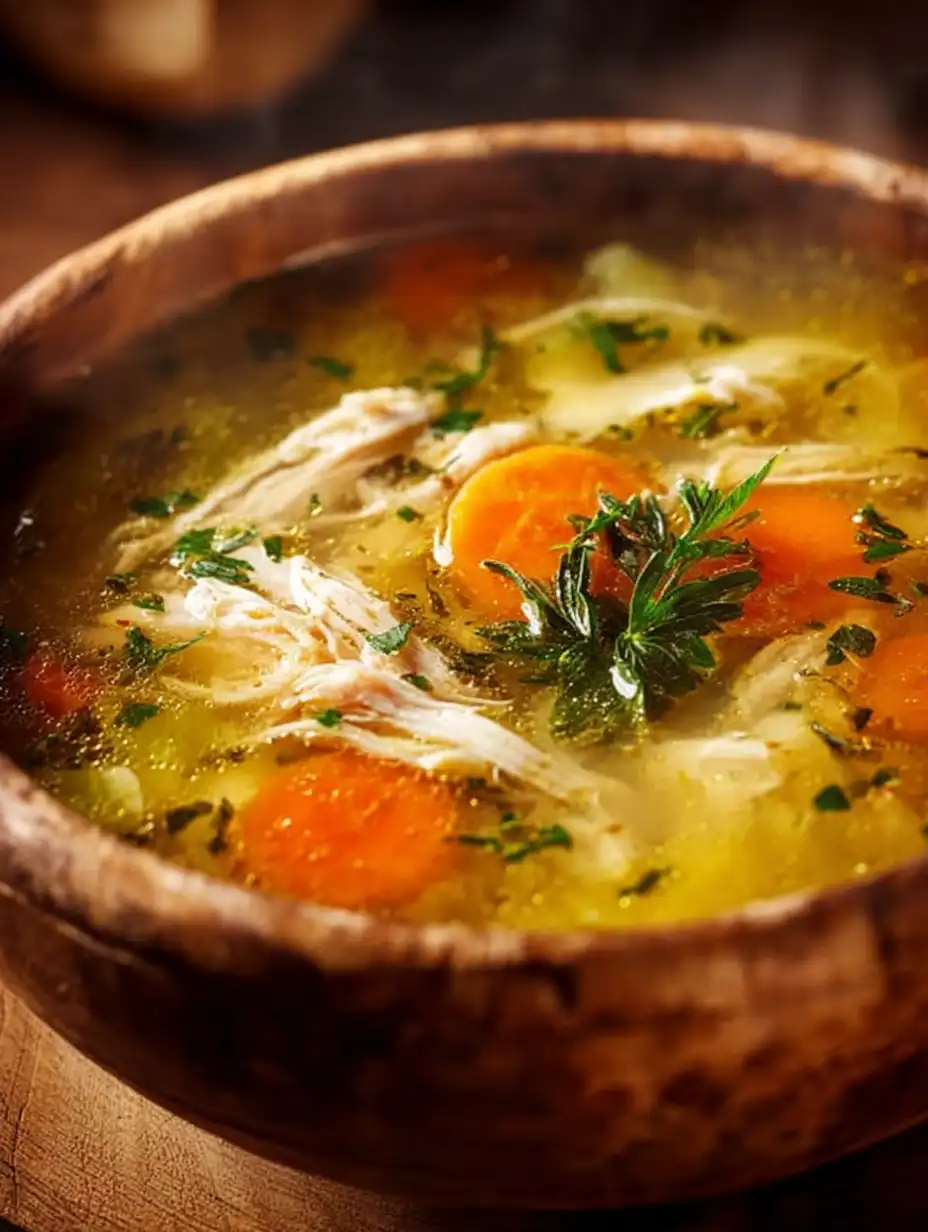
More Comforting Soups You’ll Love
If you enjoyed this recipe, be sure to explore these cozy favorites from our soup collection:
- Greek Lemon Chicken Soup Avgolemono – silky, lemony Greek chicken soup thickened naturally with egg and lemon.
- Wholesome Easy Vegetable Soup – clean and vibrant vegetable soup brimming with garden-fresh goodness.
Homemade Classic Chicken Soup
Ingredients
Method
- Place the whole chicken in a large stockpot and cover with water.
- Bring to a gentle boil, then reduce the heat and skim off any foam.
- Add bay leaves and thyme, let it simmer for approximately 90 minutes.
- Add chopped carrots, celery, onions, and minced garlic to the broth.
- Season lightly with salt and pepper, and let simmer for an additional hour.
- Remove the chicken from the pot, let cool, then shred into bite-sized pieces.
- Return the shredded chicken to the pot.
- If using, add the egg noodles and cook for 6 to 8 minutes until tender.
- Taste and adjust seasoning as desired.
- Serve hot, garnished with parsley and a squeeze of lemon if desired.