
There is something inherently restorative about a steaming bowl of chowder, especially when the air turns crisp and the evening shadows stretch long across the kitchen floor. Creamy salmon chowder soup is not just a meal; it is an experience of pure, unadulterated comfort. Imagine the richest, most velvety broth imaginable, infused with the essence of the sea and the sweetness of garden-fresh vegetables. Each spoonful offers a harmonious blend of tender, flakey salmon, buttery potatoes, and a delicate hint of fresh herbs that brighten the palate. This dish captures the spirit of coastal living, bringing the rustic charm of a seaside cottage directly to your dining table, regardless of where you call home.
As you stand over the stove, the rhythmic sound of a simmering pot becomes a soundtrack to your evening. The aroma that fills the room is intoxicating—a mixture of softening onions, earthy celery, and the unmistakable, clean scent of fresh fish. This is the kind of cooking that demands you slow down and appreciate the process. It is about watching the vibrant pink of the salmon turn into a soft, opaque coral as it poaches gently in the cream-kissed broth. It is about the satisfaction of knowing that a handful of simple, high-quality ingredients can be transformed into a masterpiece of texture and flavor. Whether you are seeking a soul-warming lunch or an elegant starter for a dinner party, this chowder stands as a testament to the timeless appeal of home-cooked soup.
The beauty of a well-made salmon chowder lies in its balance. It manages to be incredibly indulgent without feeling heavy, thanks to the brightness of the vegetables and the lightness of the salmon itself. Unlike its cousin, the clam chowder, which can sometimes feel overly dense, salmon chowder has a certain elegance. It is a versatile canvas that welcomes personal touches, yet remains perfect in its most traditional form. In the following guide, we will explore every nuance of this magnificent dish, ensuring that from the moment you pick up your chef’s knife to the final garnish of fresh dill, your journey toward the perfect bowl of soup is filled with culinary success and sensory delight.
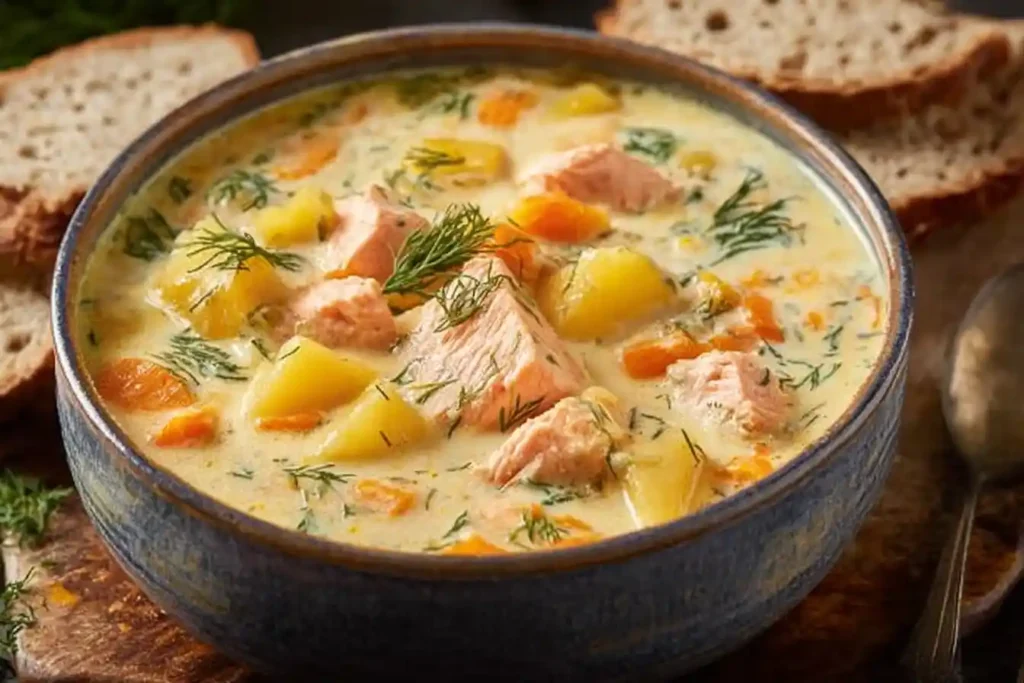
Why Make Creamy Salmon Chowder Soup
Choosing to prepare a creamy salmon chowder soup is an investment in both flavor and well-being. In a world of fast food and instant meals, taking the time to craft a soup from scratch is a rewarding endeavor that pays dividends in every bite. One of the primary reasons to make this specific dish is the sheer nutritional powerhouse that salmon represents. Known for being rich in omega-3 fatty acids, high-quality protein, and essential vitamins, salmon is a choice that makes you feel as good as it tastes. When you incorporate it into a chowder, you are creating a nutrient-dense meal that sustains energy and provides a sense of deep satisfaction that lighter broths often lack.
Beyond the health benefits, this chowder is a masterclass in texture. The culinary world often talks about “mouthfeel,” and this soup has it in spades. The contrast between the soft, yielding potatoes and the tender, flaky morsels of salmon creates a dynamic eating experience. The cream binds everything together, coating the tongue in a way that amplifies the subtle sweetness of the carrots and the savory depth of the broth. It is a dish that appeals to the senses on multiple levels, making it a crowd-pleaser for children and adults alike. Even those who are typically hesitant about seafood often find themselves won over by the mild, approachable flavor of salmon when it is presented in such a luxurious format.
Another compelling reason to add this recipe to your repertoire is its incredible versatility. While it feels like a special-occasion dish, it is surprisingly straightforward to prepare on a busy weeknight. Most of the ingredients are likely already in your pantry or crisper drawer—potatoes, onions, carrots, and broth are kitchen staples. By simply picking up a fresh piece of salmon, you can elevate these everyday items into something extraordinary. Furthermore, this chowder is remarkably forgiving. It doesn’t require the precision of baking; rather, it invites a “taste-as-you-go” approach that allows you to adjust seasoning and consistency to your exact preference. It is a dish that grows with you as a cook, offering endless opportunities for refinement.
Finally, making this soup is an act of hospitality. There is perhaps no better way to welcome friends or family into your home than with the smell of a rich chowder wafting from the kitchen. It is a “one-pot wonder” that minimizes cleanup while maximizing impact. Serving a large tureen of this soup in the center of the table encourages a communal dining experience, where stories are shared over second helpings and crusty bread is used to swipe up every last drop of the creamy broth. It is more than just sustenance; it is a catalyst for connection and a warm embrace in a bowl.
Why You’ll Love This Creamy Salmon Chowder Soup
You will love this creamy salmon chowder soup because it strikes the perfect chord between rustic heartiness and sophisticated elegance. There is a specific kind of joy that comes from eating a dish that feels both expensive and humble at the same time. The salmon provides a sense of luxury, while the chopped vegetables and potatoes remind us of the simple, honest cooking of our ancestors. This duality makes the soup appropriate for almost any setting, from a casual rainy-day lunch to a formal holiday gathering. It is a recipe that never goes out of style because it relies on timeless flavor profiles that have comforted people for generations.
The flavor profile of this chowder is exceptionally balanced. Often, cream-based soups can become one-note, tasting only of dairy and salt. However, this recipe is designed to let the individual ingredients shine. The sweetness of the carrots and onions provides a foundational layer of flavor that complements the natural richness of the salmon. The celery adds a subtle earthy undertone, while the garlic provides a gentle aromatic kick that wakes up the palate. The use of fresh herbs, particularly dill or parsley, adds a burst of freshness that cuts through the cream, ensuring that every spoonful tastes vibrant and alive. This balance of sweet, savory, and fresh is why you will find yourself reaching for this recipe again and again.
Another reason you will fall in love with this soup is how easily it can be adapted to fit your lifestyle. If you are looking for a lighter version, you can easily swap the heavy cream for milk or a dairy-free alternative without losing the essence of the dish. If you prefer a thicker, more “stew-like” consistency, you can slightly mash some of the potatoes against the side of the pot to release their natural starches. This flexibility means the recipe can evolve with your dietary needs and personal tastes. It is a reliable friend in the kitchen—one that is always ready to adapt to what you have on hand and how you are feeling that day.
Lastly, you will love the sheer ease of the cooking process. Despite its complex flavor, the steps are logical and manageable. There are no difficult techniques involved, and the cooking time is relatively short. Unlike beef stews that require hours of braising, salmon cooks in minutes, meaning you can have a deep, flavorful meal on the table in under an hour. The satisfaction of creating something that looks and tastes like it came from a high-end bistro, using only a single pot and basic kitchen tools, is a feeling that never gets old. This chowder isn’t just a recipe; it’s a confidence-builder for any home cook.
Ingredients and Substitutions
The success of a great salmon chowder begins with the quality of its components. Because this soup relies on a relatively small number of ingredients, each one plays a vital role in the final outcome. Choosing the right salmon, the right potato, and the right liquid base will make the difference between a good soup and a legendary one. Below is the list of essential ingredients, followed by a deep dive into how to select and substitute them for the best possible results.
- 1 lb Fresh salmon fillets Diced into bite-sized pieces
- 2 medium Potatoes Diced
- 1 medium Onion Chopped
- 2 medium Carrots Sliced
- 2 stalks Celery Diced
- 3 cloves Garlic Minced
- 4 cups Chicken or vegetable broth
- 1 cup Heavy cream or milk Can substitute with coconut milk for a dairy-free version
- to taste Salt and pepper
- 2 tablespoons Fresh herbs Like dill or parsley, for garnish
The Salmon: When it comes to the star of the show, fresh is always best. Look for salmon fillets that have a vibrant color and a firm texture. If you can find wild-caught salmon, such as King or Sockeye, you will benefit from a deeper flavor and a firmer flake. However, high-quality farmed Atlantic salmon works beautifully as well, offering a buttery richness that melts in the mouth. Always check for pin bones before dicing. If you cannot find fresh salmon, high-quality frozen fillets are an excellent substitution—just ensure they are fully thawed and patted dry before they go into the pot. For a smoky twist, you can even replace a small portion of the fresh salmon with smoked salmon bits, which adds an incredible depth of flavor reminiscent of Pacific Northwest traditions.
The Potatoes: The choice of potato significantly impacts the texture of your chowder. For a classic, slightly thickened soup, Russet potatoes are a great choice because they tend to break down slightly, adding body to the liquid. If you prefer potatoes that hold their shape perfectly and offer a creamy, waxy bite, go for Yukon Golds. They have a naturally buttery flavor that complements the salmon perfectly. Red potatoes are another firm option that adds a nice pop of color if you choose to leave the skins on. Whichever you choose, ensure they are diced into uniform pieces so they cook evenly.
The Aromatics (Onion, Carrots, Celery): This trio, often referred to as a mirepoix, provides the foundational flavor of the soup. Use a standard yellow or white onion for a balanced sweetness. For the carrots, choose firm, bright ones; they add both color and a gentle sugary note that balances the salt. Celery provides the necessary earthy backbone. If you want to experiment, you can add diced leeks (using only the white and light green parts) for a more sophisticated, onion-like flavor that is particularly traditional in fish chowders.
The Broth: The broth is the medium that carries all the flavors. A high-quality chicken broth provides a savory depth that doesn’t overpower the fish. Vegetable broth is a lighter, cleaner alternative. If you want to go the extra mile, using a seafood or fish stock will amplify the oceanic notes of the salmon. When using store-bought broth, always look for low-sodium options so you have full control over the saltiness of your final dish. This is especially important as the soup reduces and the flavors concentrate.
The Cream: Heavy cream is the gold standard for a truly indulgent chowder, providing a silky, luxurious texture. If you want something a bit lighter, whole milk or half-and-half are perfectly acceptable substitutes, though the soup will be thinner. For those following a dairy-free lifestyle, full-fat coconut milk is a spectacular alternative. It adds a subtle tropical undertone that pairs surprisingly well with salmon and lime. Alternatively, a creamy oat milk can provide a neutral, dairy-free base that mimics the thickness of traditional cream.
Herbs and Seasoning: Never underestimate the power of fresh herbs. Dill is the classic partner for salmon, offering a feathery, anise-like brightness. Parsley adds a clean, peppery finish. If you want a bit of heat, a pinch of cayenne pepper or a dash of hot sauce can be added during the simmering stage. For an extra layer of complexity, a pinch of dried thyme or a bay leaf added to the broth can work wonders. Remember to season with salt and pepper at every stage of the process, tasting as you go to ensure the flavors are perfectly calibrated.
How to Make Creamy Salmon Chowder Soup
Creating a restaurant-quality chowder at home is a process of layering flavors. Each step is designed to build upon the last, ensuring that the final bowl is a complex and satisfying harmony of ingredients. It is important to pay attention to the sensory cues during each phase—the sound of the sizzle, the change in the color of the vegetables, and the intoxicating aroma that develops as the broth simmers. By following these detailed instructions, you will master the art of the chowder, producing a result that is consistently delicious and visually stunning.
Step-by-Step Cooking Instructions
Step 1: Chop the vegetables and dice the salmon into bite-sized pieces.
Preparation is the key to a stress-free cooking experience. Start by washing your carrots, celery, and potatoes thoroughly. Peel the carrots and potatoes if you prefer a smoother look, or leave the skins on for a more rustic, fiber-rich version. Aim for uniform dicing—about half-inch cubes for the potatoes and small, even pieces for the mirepoix. This ensures that every spoonful of soup contains a bit of everything and that the vegetables cook at the same rate. When dicing the salmon, keep the pieces slightly larger, around one inch, as they will shrink slightly during the cooking process. Pat the salmon dry with a paper towel to ensure it poaches cleanly in the broth later. Having everything prepped and ready on your cutting board (a technique known as “mise en place”) will allow you to focus entirely on the heat and timing of the cooking process.
Step 2: In a large pot, heat some oil over medium heat. Add onions, carrots, and celery, cooking until soft.
Choose a heavy-bottomed pot or a Dutch oven, which distributes heat evenly and prevents the vegetables from scorching. Add a tablespoon or two of a neutral oil or, for extra richness, a knob of unsalted butter. As the oil shimmers, drop in your onions, carrots, and celery. You should hear a gentle sizzle—not a violent crackle. The goal here is to “sweat” the vegetables, drawing out their moisture and sweetness without browning them. Stir occasionally with a wooden spoon. After about 5 to 7 minutes, the onions will turn translucent and the carrots will take on a slightly softened, vibrant appearance. The air in your kitchen should begin to smell sweet and savory. This foundational step is crucial for creating the deep, “cooked-all-day” flavor that characterizes a great chowder.
Step 3: Stir in minced garlic and diced potatoes, cooking for a few more minutes.
Garlic is delicate and can burn quickly, which is why we add it after the other vegetables have already begun to soften. Stir in the minced garlic and cook for just about 60 seconds until it becomes fragrant—you’ll know it’s ready when the aroma suddenly intensifies. Next, add the diced potatoes. Stir them into the vegetable mixture so they are lightly coated in the oil and the flavors of the aromatics. Cooking the potatoes for a few minutes before adding the liquid allows their edges to soften slightly and helps them absorb the flavors of the garlic and onions. This short “dry-cook” phase helps the potatoes maintain their structure while still becoming perfectly tender in the finished soup.
Step 4: Add the broth to the pot and bring it to a boil. Reduce the heat and let it simmer until the potatoes are fork-tender.
Pour in your chicken or vegetable broth, using your spoon to scrape up any flavorful bits that might have stuck to the bottom of the pot. Increase the heat to bring the liquid to a rolling boil, then immediately turn the heat down to low. You want a gentle simmer—small bubbles breaking the surface occasionally. Cover the pot partially with a lid. This simmering process is where the magic happens; the broth infuses with the essence of the vegetables, and the potatoes release just enough starch to give the liquid some body. After about 10 to 15 minutes, test a potato cube with a fork. It should slide in easily with no resistance. If the potatoes are still firm, give them a few more minutes. The texture of the potato is the primary indicator that you are ready for the next phase.
Step 5: Gently stir in the salmon pieces, cooking just until the salmon is fully cooked.
This is the most delicate part of the recipe. Salmon cooks very quickly, and overcooking it can result in a dry, rubbery texture. Carefully slide the diced salmon into the simmering broth. Resist the urge to stir vigorously; you want the pieces to remain intact. The residual heat of the broth is almost enough to cook the fish on its own. It will only take about 3 to 5 minutes. Watch the color change from translucent pink to an opaque, soft coral. Once the salmon flakes easily when touched with a spoon, it is done. By being gentle at this stage, you ensure that the salmon remains moist and buttery, providing a luxurious contrast to the hearty vegetables.
Step 6: Pour in the heavy cream, mixing well. Season with salt, pepper, and fresh herbs.
Once the salmon is cooked, it’s time to add the creamy element. Pour in the heavy cream (or your chosen substitute) and stir gently to combine. You will see the broth transform into a beautiful, pale, silky liquid. At this point, the soup should not return to a hard boil, as high heat can sometimes cause the cream to separate or “break.” Now is the time for final seasoning. Add a generous pinch of salt and a few cracks of black pepper. Taste the broth. Does it need more salt to make the salmon pop? Does it need more pepper for a bit of back-end heat? Stir in half of your fresh herbs now, allowing their oils to meld with the warm cream, and save the rest for a fresh garnish at the table.
Step 7: Allow the chowder to simmer for a couple more minutes, then serve hot.
Let the soup sit on low heat for just another minute or two. This “marrying” period allows the flavors of the cream, the broth, the fish, and the herbs to become a singular, cohesive experience. The soup should be hot enough to steam but not so hot that it scalds the palate. Ladle the chowder into deep bowls, making sure every serving gets a generous portion of salmon and potatoes. Garnish with the remaining fresh herbs and perhaps a squeeze of lemon juice if you like a bit of acidity. Serve immediately with a side of crusty sourdough bread or oyster crackers. The result is a bowl of pure, home-cooked luxury that will have everyone reaching for seconds.
Storage & Reheating
One of the wonderful things about creamy salmon chowder is that the flavors often continue to develop and deepen as the soup sits. However, because it contains both seafood and dairy, proper storage and reheating are essential to maintain both safety and quality. If you find yourself with leftovers, you are in luck—this chowder makes for a spectacular lunch the following day. The key is to handle the cooling and storage process with care to preserve the delicate texture of the salmon and the smoothness of the cream.
Storage: To store the chowder, allow it to cool to room temperature, but do not leave it out for more than two hours. Transfer the soup into airtight containers. If you have a large amount, consider dividing it into smaller, individual-sized portions; this allows the soup to cool faster and makes it easier to grab a single serving later. The chowder will stay fresh in the refrigerator for up to 2 to 3 days. Because salmon is a delicate fish, it is best enjoyed sooner rather than later. You may notice that the soup thickens significantly in the fridge as the potato starches settle; this is completely normal and can be easily fixed during the reheating process.
Freezing: Freezing cream-based soups can be a bit tricky. While it is possible to freeze salmon chowder, the texture of the cream can sometimes become slightly grainy or separate upon thawing. If you do choose to freeze it, use freezer-safe bags or containers, leaving about an inch of headspace for expansion. It will last for up to 2 months. To serve, thaw the soup overnight in the refrigerator before reheating. If the soup has separated, a vigorous (but gentle) stir during the reheating process can often bring it back together, though it may not be quite as silky as the day it was made.
Reheating: The golden rule for reheating salmon chowder is “low and slow.” Avoid the microwave if possible, as it can easily overcook the salmon, turning it tough and dry. Instead, place the desired amount of soup in a small saucepan over low to medium-low heat. Stir frequently and gently. If the soup has thickened too much, add a splash of broth, milk, or water to thin it back to your preferred consistency. Heat just until the soup is steaming and the salmon is warmed through. Do not let it come to a rolling boil. This gentle approach ensures that the cream stays smooth and the fish remains tender, giving you a “just-made” experience even on the second day.
(FAQs)
Can I use frozen salmon for this recipe?
Yes, absolutely. Frozen salmon is a great, often more affordable option. Just make sure to thaw it completely in the refrigerator before using. Pat the pieces dry with a paper towel to remove excess moisture, which ensures the texture remains pleasant in the soup. Many frozen salmon options are flash-frozen at sea, meaning they can actually be fresher than “fresh” fish that has spent days in transit.
How can I make my chowder thicker without adding more cream?
If you prefer a very thick chowder, there are a few tricks you can use. The easiest way is to take a few of the cooked potato chunks and mash them against the side of the pot with your spoon, then stir them back in. The starch from the potatoes will naturally thicken the broth. Alternatively, you can create a “slurry” by mixing a teaspoon of cornstarch with a tablespoon of cold water and stirring it into the simmering broth before you add the cream.
What is the best way to prevent the cream from curdling?
Cream curdles when it is subjected to extreme heat or high acidity too quickly. To prevent this, always add your cream at the very end of the cooking process and keep the heat on low. Never let the soup reach a hard boil once the dairy has been added. If you are using a lower-fat dairy like milk, it is even more prone to curdling, so be extra cautious with the temperature.
Can I add other vegetables to this chowder?
Certainly! This recipe is very adaptable. Diced bell peppers add a nice sweetness and color. Corn is a classic addition to many chowders and pairs beautifully with salmon. You could also stir in some baby spinach at the very end until it wilts, or add some sautéed leeks for a more complex onion flavor. Just be sure to dice any additional vegetables to a similar size so they cook evenly with the rest of the ingredients.
Is salmon chowder gluten-free?
As written, this recipe is naturally gluten-free, provided that the broth you use is certified gluten-free. Unlike some chowders that use a flour-based roux to thicken the base, this recipe relies on the natural starches of the potatoes and the richness of the heavy cream. This makes it an excellent choice for those with gluten sensitivities or Celiac disease. Always check the labels on your store-bought broth to be certain.
What should I serve with salmon chowder?
A hearty soup deserves a great side. Crusty bread, such as a baguette or sourdough, is the traditional choice for soaking up the creamy broth. Oyster crackers or saltines provide a nice nostalgic crunch. For a lighter side, a crisp green salad with a simple lemon vinaigrette offers a refreshing contrast to the richness of the chowder. If you want a full coastal feast, consider serving it alongside some roasted asparagus or a simple slaw.
In conclusion, this creamy salmon chowder soup is more than just a recipe—it is a celebration of simple, high-quality ingredients coming together to create something truly spectacular. By following the steps and tips outlined above, you are well on your way to creating a dish that will become a requested favorite in your household. Whether you are cooking for yourself or for a crowd, the warmth and luxury of this soup are sure to leave a lasting impression. Enjoy the process, savor the aromas, and most importantly, enjoy every delicious spoonful of your homemade masterpiece.
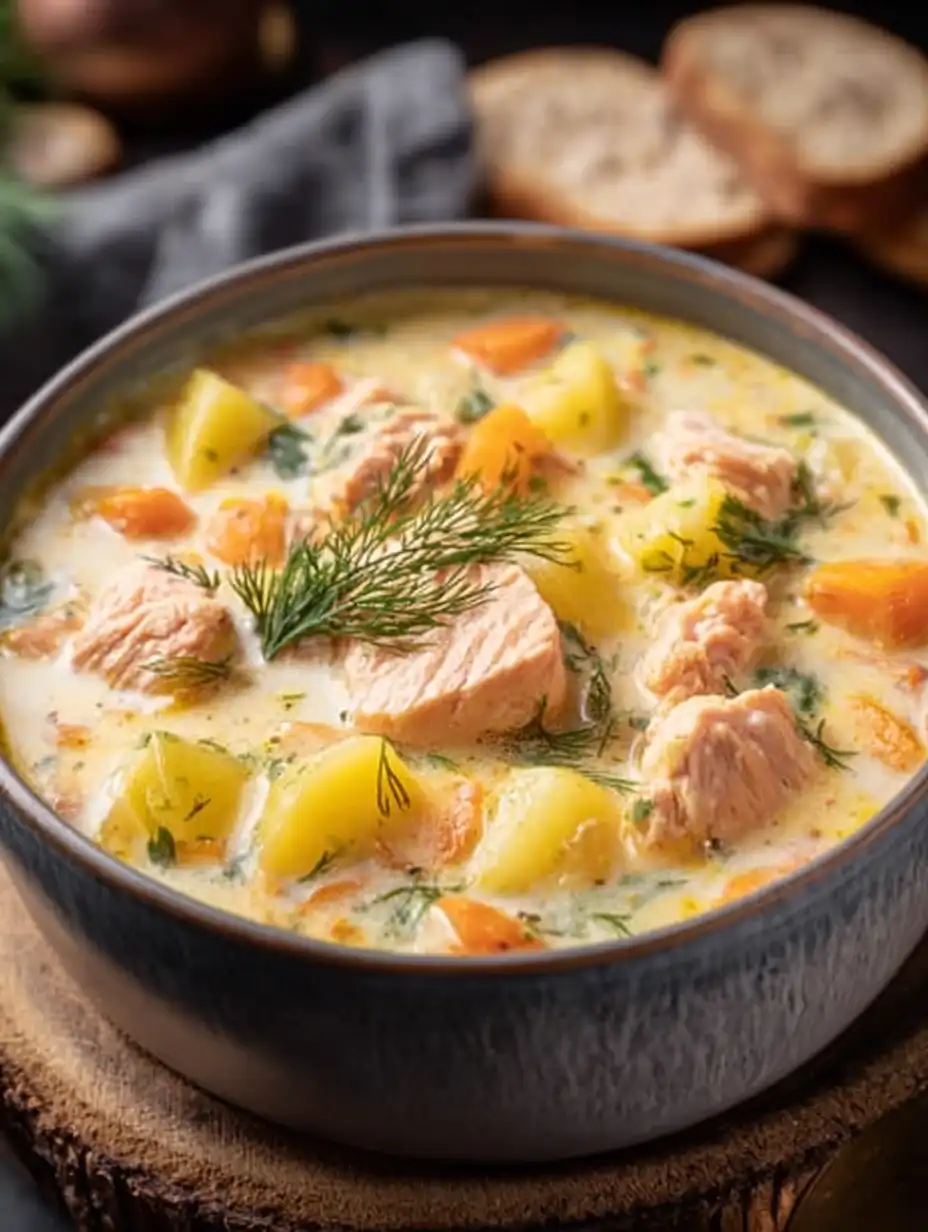
More Comforting Soups You’ll Love
If you enjoyed this recipe, be sure to explore these cozy favorites from our soup collection:
- Cozy Cottage Cheese Chicken Soup – creamy, high-protein chicken vegetable soup with a velvety cottage cheese base.
- Cheddar Garlic Herb Potato Soup – rich and comforting potato soup loaded with sharp cheddar and roasted garlic.
Creamy Salmon Chowder Soup
Ingredients
Method
- Chop the vegetables and dice the salmon into bite-sized pieces.
- In a large pot, heat some oil over medium heat. Add onions, carrots, and celery, cooking until soft.
- Stir in minced garlic and diced potatoes, cooking for a few more minutes.
- Add the broth to the pot and bring it to a boil. Reduce the heat and let it simmer until the potatoes are fork-tender.
- Gently stir in the salmon pieces, cooking just until the salmon is fully cooked.
- Pour in the heavy cream, mixing well. Season with salt, pepper, and fresh herbs.
- Allow the chowder to simmer for a couple more minutes, then serve hot.

1 thought on “Creamy Salmon Chowder Soup”