
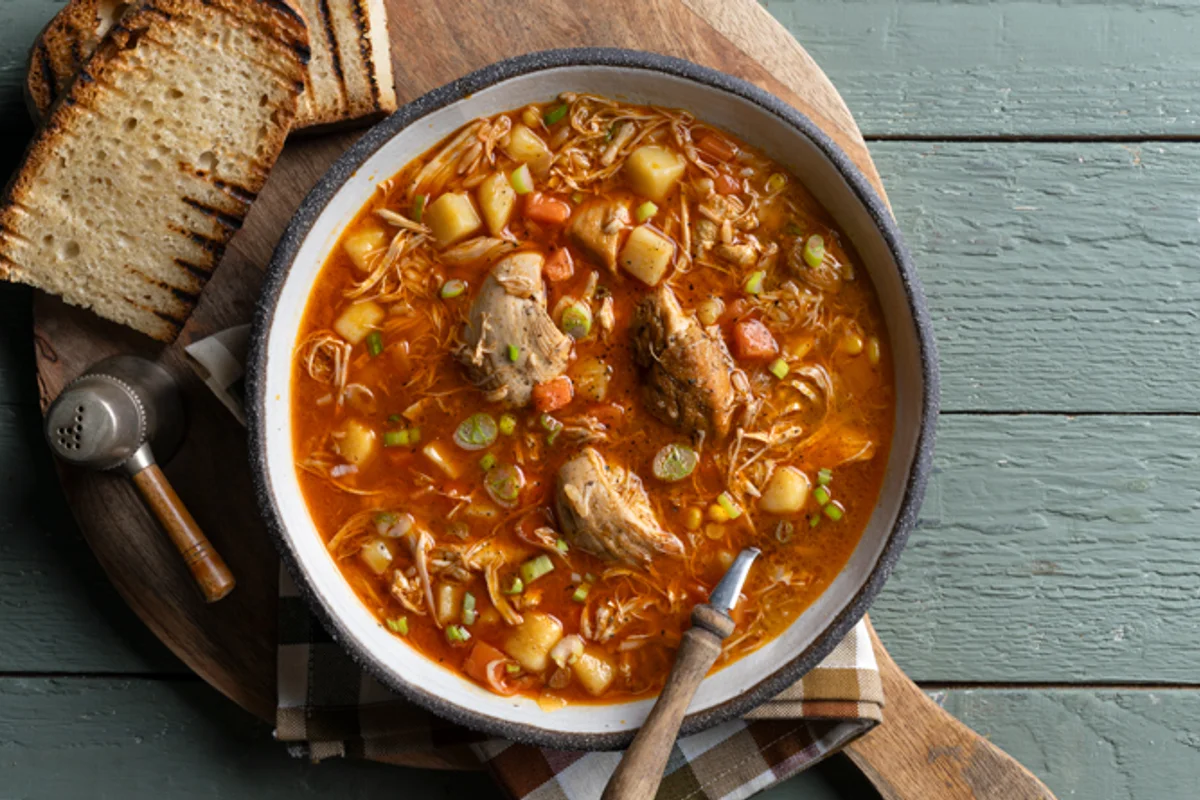
There is a specific kind of magic that happens in a kitchen when a slow cooker has been humming away for hours, quietly transforming humble ingredients into a masterpiece of comfort. Slow cooker hamburger soup is more than just a meal; it is a nostalgic embrace in a bowl, reminiscent of Sunday dinners at grandma’s house or the warm welcome home after a long, chilly day. The aroma that fills the air—a savory blend of browning meat, sweet aromatics, and rich broth—creates an atmosphere of coziness that no other cooking method can quite replicate. It is the ultimate “set it and forget it” dish, designed for busy families, budget-conscious cooks, and anyone who craves a hearty, vegetable-packed stew without spending hours hovering over a hot stove.
This particular recipe elevates the classic “poor man’s stew” into a gourmet experience by focusing on the quality of the base and the layering of flavors. While many versions of this soup rely on heavy canned creams or overly salty seasoning packets, our approach emphasizes fresh produce and high-quality broths. The result is a vibrant, nutrient-dense soup that feels light yet incredibly satisfying. The ground beef provides a rich, savory foundation, while the medley of carrots, celery, and onions offers a natural sweetness and texture. It is a versatile canvas that welcomes whatever you have in your pantry, making it a reliable staple for your weekly meal rotation.
As you prepare to embark on this culinary journey, imagine the textures that await: the tender, melt-in-your-mouth vegetables, the perfectly seasoned beef, and the silky broth that ties everything together. Whether you are feeding a crowd of hungry teenagers or prepping lunches for a busy work week, this slow cooker hamburger soup is a testament to the beauty of simple, honest cooking. It is a dish that proves you don’t need expensive cuts of meat or complicated techniques to create a world-class meal. All you need is a little time, a few pantry staples, and the patience to let the slow cooker work its transformative wonders.
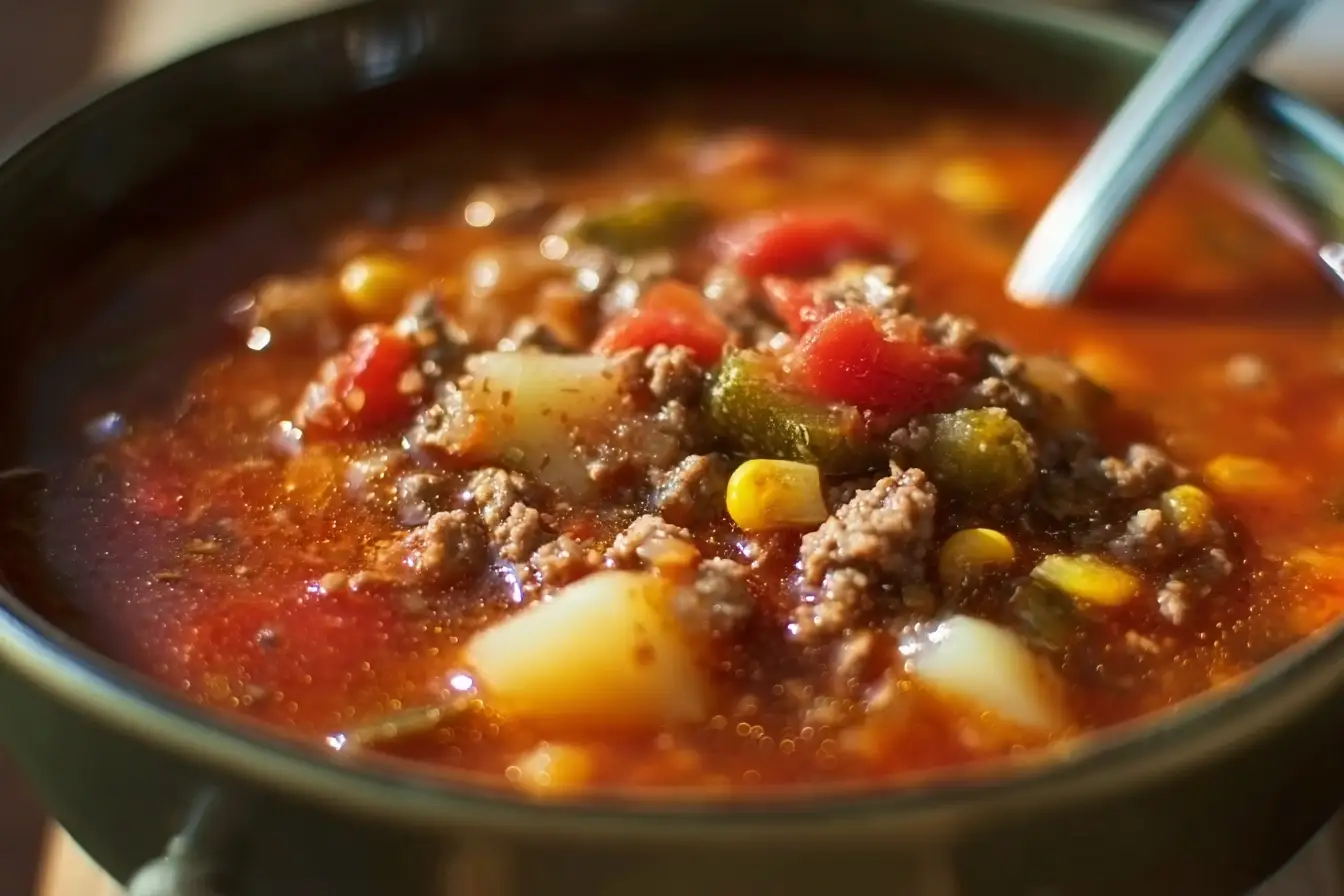
Why Make Slow Cooker Hamburger Soup
The decision to make slow cooker hamburger soup often stems from a desire for efficiency without sacrificing flavor. In today’s fast-paced world, the luxury of time is rare, yet the need for wholesome, home-cooked meals remains a priority. The slow cooker is the bridge between these two realities. By utilizing this appliance, you allow the ingredients to mingle at a low, steady temperature, which encourages the flavors to develop a depth that is difficult to achieve with a quick boil on the stovetop. The beef becomes exceptionally tender, and the vegetables absorb the savory essence of the broth, creating a cohesive flavor profile that is both complex and comforting.
Economically speaking, hamburger soup is a champion of the kitchen. Ground beef is often one of the most affordable protein options available, and when stretched with an abundance of vegetables and broth, it can feed a large family for a fraction of the cost of a roast or steaks. This recipe is also an excellent way to reduce food waste. Have a few stray carrots in the bottom of the crisper drawer? A handful of green beans or a lonely potato? They all have a home in this soup. It is a “kitchen sink” meal that honors the tradition of resourceful cooking, proving that some of the best meals are born from the necessity of using what is on hand.
From a nutritional standpoint, this soup is a powerhouse. By packing the pot with carrots, celery, onions, and spinach, you are ensuring a high intake of essential vitamins and minerals. Unlike many fast-food options or processed frozen dinners, you have total control over the sodium and fat content. By choosing lean ground beef and low-sodium bone broth, you create a heart-healthy meal that provides sustained energy. The inclusion of bone broth also adds a boost of protein and minerals that support gut health and joint function, making this soup as functional as it is delicious.
Finally, there is the undeniable psychological benefit of slow cooking. There is a profound sense of relief that comes from knowing dinner is already taken care of by 10:00 AM. As the day progresses and the house begins to smell like a professional kitchen, the stress of the “what’s for dinner?” question simply evaporates. It allows you to focus on your work, your family, or your hobbies, knowing that a hot, nutritious meal is waiting for you the moment you are ready to eat. It turns a chaotic weeknight into a calm, shared experience around the dining table.
Why You’ll Love This Slow Cooker Hamburger Soup
You will love this slow cooker hamburger soup because it strikes the perfect balance between rustic simplicity and refined flavor. One of the standout features of this recipe is its incredible texture. While some slow-cooked soups can become mushy, the careful timing and selection of vegetables in this version ensure that each bite has a pleasant mouthfeel. The carrots retain a slight bite, the beef provides a satisfying chew, and the broth remains clear and inviting rather than muddy. It is a sophisticated take on a childhood favorite that appeals to both kids and adults alike.
Another reason to fall in love with this dish is its remarkable “next-day” potential. Like many stews and chilis, hamburger soup actually tastes better after the flavors have had a chance to sit and meld in the refrigerator overnight. The spices permeate the meat more deeply, and the broth becomes even more savory. This makes it an ideal candidate for meal prepping. You can make a massive batch on Sunday and enjoy quick, healthy lunches throughout the week, or freeze individual portions for those nights when you are too tired to even think about cooking. It is the ultimate gift to your future self.
The versatility of this soup is also a major selling point. While the recipe provided is a classic version, it is incredibly easy to customize based on your personal preferences or dietary needs. If you prefer a bit of heat, you can add red pepper flakes or diced jalapeños. If you want a more Mediterranean flair, you can swap the Italian herbs for rosemary and oregano and add some kalamata olives. The foundation is so solid that it can handle almost any variation you throw at it. It encourages culinary creativity without the risk of failure, making it a great recipe for novice cooks to build their confidence.
Furthermore, this soup is a crowd-pleaser in the truest sense. It is rare to find a meal that is gluten-free (if you omit the optional pasta or grains), dairy-free (unless you add cheese at the end), and packed with protein and fiber all at once. It fits into many different lifestyle diets, including Paleo and Whole30, with very minor adjustments. When you serve this soup, you don’t have to worry about complicated dietary restrictions for most guests. It is wholesome, inclusive, and universally understood as “good mood food.”
Ingredients and Substitutions
Creating a truly spectacular slow cooker hamburger soup starts with understanding your ingredients. Each component plays a specific role in the architecture of the flavor profile. Below is the essential list of ingredients you will need to get started, followed by an in-depth look at how to choose the best quality and what substitutions you can make to suit your pantry.
- 2 tablespoons extra virgin olive oil or unsalted butter
- 1 large yellow onion, finely diced
- 3 medium carrots, peeled and sliced into uniform rounds
- 3 stalks celery, finely sliced
- 4 cloves fresh garlic, finely minced
- 6 cups low-sodium chicken bone broth or rich vegetable stock
- 1 can (15 ounces) diced fire-roasted tomatoes or cooked white cannellini beans, rinsed and drained
- 1 teaspoon dried Italian herb blend (oregano, basil, thyme)
- 1 teaspoon fine sea salt, plus more to taste
- 1/2 teaspoon freshly cracked black pepper
- 2 cups fresh baby spinach leaves or chopped flat-leaf kale
- 2 tablespoons freshly chopped parsley or grated Parmesan cheese, for serving
The Fat (Olive Oil or Butter): The choice between olive oil and butter depends on the flavor profile you desire. Olive oil provides a clean, fruity base that is heart-healthy and classic. Unsalted butter, however, adds a rich, nutty depth that can make the soup feel more indulgent. If you are looking for a dairy-free option that still has that rich mouthfeel, consider using avocado oil or even a bit of clarified butter (ghee).
The Aromatics (Onion, Carrots, Celery): Often referred to as the “holy trinity” of cooking, these three vegetables form the aromatic base of the soup. Yellow onions are preferred for their balance of astringency and sweetness when cooked. For the carrots, try to find organic ones with the greens still attached, as they often have a deeper, sweeter flavor. Celery adds a subtle saltiness and essential crunch. If you’re out of onions, leeks or shallots make a sophisticated substitution.
The Garlic: Fresh garlic is non-negotiable for the best flavor. The pre-minced jars often have a metallic or acidic aftertaste that can ruin the delicate balance of the broth. If you really love garlic, feel free to double the amount. If you find fresh garlic too sharp, you can use roasted garlic for a mellower, sweeter profile.
The Broth: This is the soul of your soup. Using a high-quality bone broth provides a richness and body that standard stock cubes cannot match. Chicken bone broth is a great neutral base, but for a deeper “hamburger” flavor, you might choose a rich beef stock. If you are making a vegetarian version, look for a “no-chicken” vegetable base which offers more savory depth than standard vegetable water.
The Tomatoes or Beans: Fire-roasted tomatoes are a secret weapon in this recipe. They add a smoky, charred flavor that complements the beef perfectly. If you prefer a creamier, higher-protein soup without the acidity of tomatoes, white cannellini beans are an excellent substitution. They hold their shape well in the slow cooker and add a lovely heartiness. You could even use both if you want an extra-thick stew.
The Herbs and Seasoning: Dried Italian herbs are convenient and potent, but ensure your spices aren’t years old; they lose their oils and flavor over time. Sea salt and freshly cracked black pepper are essential for brightening the other ingredients. Always taste your soup at the end; often, a soup that tastes “flat” just needs another pinch of salt or a splash of acidity (like lemon juice) to make the flavors pop.
The Greens (Spinach or Kale): These are added at the very end to preserve their color and nutrients. Baby spinach is tender and disappears into the soup, making it great for picky eaters. Kale is sturdier and adds a nice textural contrast. If you want a different vibe, try chopped Swiss chard or even shredded cabbage.
The Ground Beef (The Star): While not in the specific list above, the “hamburger” in hamburger soup typically refers to 1 to 1.5 pounds of ground beef. For the best results, use a 90/10 or 85/15 lean-to-fat ratio. This ensures you have enough fat for flavor without the soup becoming overly greasy. If you want to lighten it up, ground turkey or ground chicken work beautifully, though you may want to add a dash of Worcestershire sauce to mimic the savoriness of beef.
How to Make Slow Cooker Hamburger Soup
The process of making this soup is designed to be therapeutic. By following a structured approach, you ensure that every layer of flavor is maximized. While the slow cooker does the heavy lifting, the preparation you do on the stovetop initially is what separates a good soup from a truly great one. Pay attention to the sensory cues—the sizzle of the pan, the changing colors of the vegetables, and the evolving aromas—to guide you toward culinary perfection.
Step-by-Step Cooking Instructions
Step 1: Gather all ingredients, clean prep surfaces, and measure out your seasonings. Wash your fresh produce in cold water and slice all vegetables into uniform, bite-sized pieces so that every mouthful cooks evenly. Uniformity is key here; if your carrots are thick and your celery is paper-thin, they will cook at different rates. Use a sharp chef’s knife and take your time. This is also the moment to ensure your slow cooker insert is clean and ready for use. Organize your workspace so that everything is within reach, which makes the cooking process smooth and enjoyable.
Step 2: Set your primary cooking vessel (heavy skillet, Dutch oven, or soup pot) over medium heat on your stovetop, or preheat your oven to the exact target baking temperature specified in the recipe. Add your cooking fat (olive oil or butter) and allow it to shimmer. You are looking for a gentle ripple on the surface of the oil. If it starts to smoke, it’s too hot; if it doesn’t move when you tilt the pan, it’s not hot enough. This initial heat is vital for preventing the vegetables from sticking and for initiating the softening process that releases their natural sugars.
Step 3: Add your aromatic vegetables (diced onions, carrots, and celery) to the hot fat. Cook gently over medium heat for 5 to 7 minutes until tender, translucent, and sweet, stirring in the minced garlic during the final 60 seconds so it blooms without burning. Listen for a soft sizzling sound. The onions should turn from opaque white to a soft, see-through yellow. When you add the garlic, you will immediately notice a fragrant, pungent aroma. Watch it closely; garlic can turn from golden to bitter and burnt in a matter of seconds. This step builds the aromatic foundation of the entire soup.
Step 4: Introduce your primary protein or core ingredients along with your dry herb and spice seasonings. Stir thoroughly for 2 to 3 minutes to coat every surface in the savory aromatic oil and allow the spices to toast lightly. If you are using ground beef, crumble it into the pan and cook until it is browned through. As the meat cooks, use a wooden spoon to break up any large clumps. The spices—the Italian blend, salt, and pepper—will become more fragrant as they hit the heat of the pan. This “toasting” of the herbs wakes up the dried leaves and integrates them into the fats of the meat and oil.
Step 5: Pour in your cooking broths, sauces, or fold in your blended dressings. Bring the mixture to a gentle, steady simmer over medium-low heat, stirring well to incorporate all the caramelized flavor from the bottom of the pan. If you browned your meat in a skillet, use a splash of the broth to scrape up any brown bits stuck to the bottom of the pan—this is concentrated flavor. Once everything is combined and beginning to bubble, transfer the entire mixture carefully into your slow cooker insert. This transition ensures that the slow cooker starts with a warm base, which helps it reach its cooking temperature more efficiently.
Step 6: Cover with a tight-fitting lid or transfer to the preheated oven. Cook for the recommended duration (40 minutes) until the food reaches safe internal temperature (165°F for poultry, or fork-tender for vegetables and soups). For a slow cooker, you have two main options: “Low” for 6 to 8 hours or “High” for 3 to 4 hours. The longer, slower cook on “Low” is generally preferred for soups as it allows the beef to become exceptionally tender. You will know it is ready when the carrots can be easily pierced with a fork and the liquid has slightly reduced and thickened into a rich, cohesive broth.
Step 7: Remove the dish from heat and allow it to rest undisturbed for 5 minutes. Taste carefully to evaluate seasoning, adjust with a fresh squeeze of lemon juice, sea salt, or cracked pepper, and serve warm or chilled as intended with fresh herbs on top. This resting period is crucial; it allows the temperature to even out and the flavors to settle. Just before serving, stir in your fresh spinach or kale. The residual heat of the soup will wilt the greens in about 60 seconds, keeping them bright green and vibrant. Garnish with fresh parsley or a sprinkle of Parmesan cheese for a final touch of brightness and salt.
Storage & Reheating
One of the greatest attributes of slow cooker hamburger soup is how well it stores. Because the ingredients are hearty, they don’t break down quickly, making this an ideal “big batch” recipe. To store the soup properly, allow it to cool to room temperature first. Do not leave it out for more than two hours, as this can enter the “danger zone” for food safety. Once cooled, transfer the soup to airtight containers. Glass jars or high-quality BPA-free plastic containers work best. In the refrigerator, this soup will stay fresh and delicious for up to 4 to 5 days.
If you wish to keep it longer, hamburger soup is an excellent candidate for freezing. It can be frozen for up to 3 months without significant loss of quality. When freezing, remember that liquids expand as they turn to ice, so leave about an inch of “headspace” at the top of your container to prevent it from cracking. For the best results, thaw the soup overnight in the refrigerator before reheating. If you are in a rush, you can place the frozen container in a bowl of warm water to loosen the edges, then pop the frozen block into a saucepan to melt and heat slowly over low heat.
Reheating is a simple process, but there are a few tips to keep the soup tasting fresh. On the stovetop, heat the soup over medium-low, stirring occasionally. If the soup has thickened too much in the fridge (which often happens as the vegetables and proteins absorb liquid), simply add a splash of water or extra broth to loosen it back up. In the microwave, heat in 1-minute increments, stirring in between to ensure even heating. Avoid boiling the soup aggressively during reheating, as this can overcook the vegetables and make them mushy. A gentle simmer is all you need to bring it back to life.
(FAQs)
Can I add potatoes or pasta to this soup? Absolutely. Many people love adding diced Russet or Yukon Gold potatoes to make the soup even heartier. If adding potatoes, put them in at the beginning of the slow cooking process (Step 6). If you prefer pasta, such as ditalini or elbow macaroni, cook the pasta separately on the stovetop and add it to individual bowls when serving. This prevents the pasta from absorbing all the broth and becoming bloated and mushy in the slow cooker.
How can I make this soup thicker? If you prefer a stew-like consistency, there are two easy ways to thicken it. First, you can take a cup of the soup (including some vegetables and beans) and blend it in a blender or with an immersion blender, then stir it back into the pot. Alternatively, you can mix a tablespoon of cornstarch with two tablespoons of cold water to create a “slurry.” Stir this into the hot soup during the last 30 minutes of cooking on “High.”
Is it necessary to brown the beef before putting it in the slow cooker? While you can technically put raw ground beef into a slow cooker, it is highly discouraged. Browning the beef first on the stovetop creates a much better texture and a deeper, more complex flavor. It also allows you to drain off excess grease so your soup isn’t oily. Taking the extra 10 minutes to brown the meat makes a significant difference in the final result.
What are the best vegetables to add for extra variety? This soup is incredibly forgiving. Green beans, corn, peas, and diced bell peppers are all fantastic additions. If using frozen vegetables like peas or corn, add them during the last 20 minutes of cooking so they stay bright and sweet. If using root vegetables like parsnips or turnips, add them at the beginning with the carrots.
Can I make this in an Instant Pot instead? Yes! To convert this to a pressure cooker recipe, use the “Sauté” function for the browning and aromatic steps (Steps 2-4). Then, add the broth and other ingredients. Seal the lid and set to “Manual High Pressure” for 10 minutes, followed by a natural pressure release for 10 minutes. The results will be very similar, though the slow cooker method generally allows for a slightly deeper flavor development.
How do I make this recipe keto-friendly? To make this a keto-friendly hamburger soup, simply ensure you are using the tomato option rather than beans, and load up on low-carb vegetables like celery, spinach, and perhaps some diced zucchini or cauliflower florets. Avoid adding potatoes, corn, or pasta. The high protein and healthy fats from the beef make it a very satisfying keto meal.
In conclusion, slow cooker hamburger soup is a masterclass in the power of simple ingredients. It is a dish that rewards patience and honors the tradition of home cooking. By focusing on the quality of your aromatics, the richness of your broth, and the careful layering of flavors, you create a meal that is far greater than the sum of its parts. Whether it’s a rainy Tuesday or a busy Saturday, this soup stands ready to provide warmth, nutrition, and a little bit of culinary comfort to anyone who sits at your table. Enjoy the process, savor the aroma, and most importantly, enjoy every spoonful of this timeless classic.
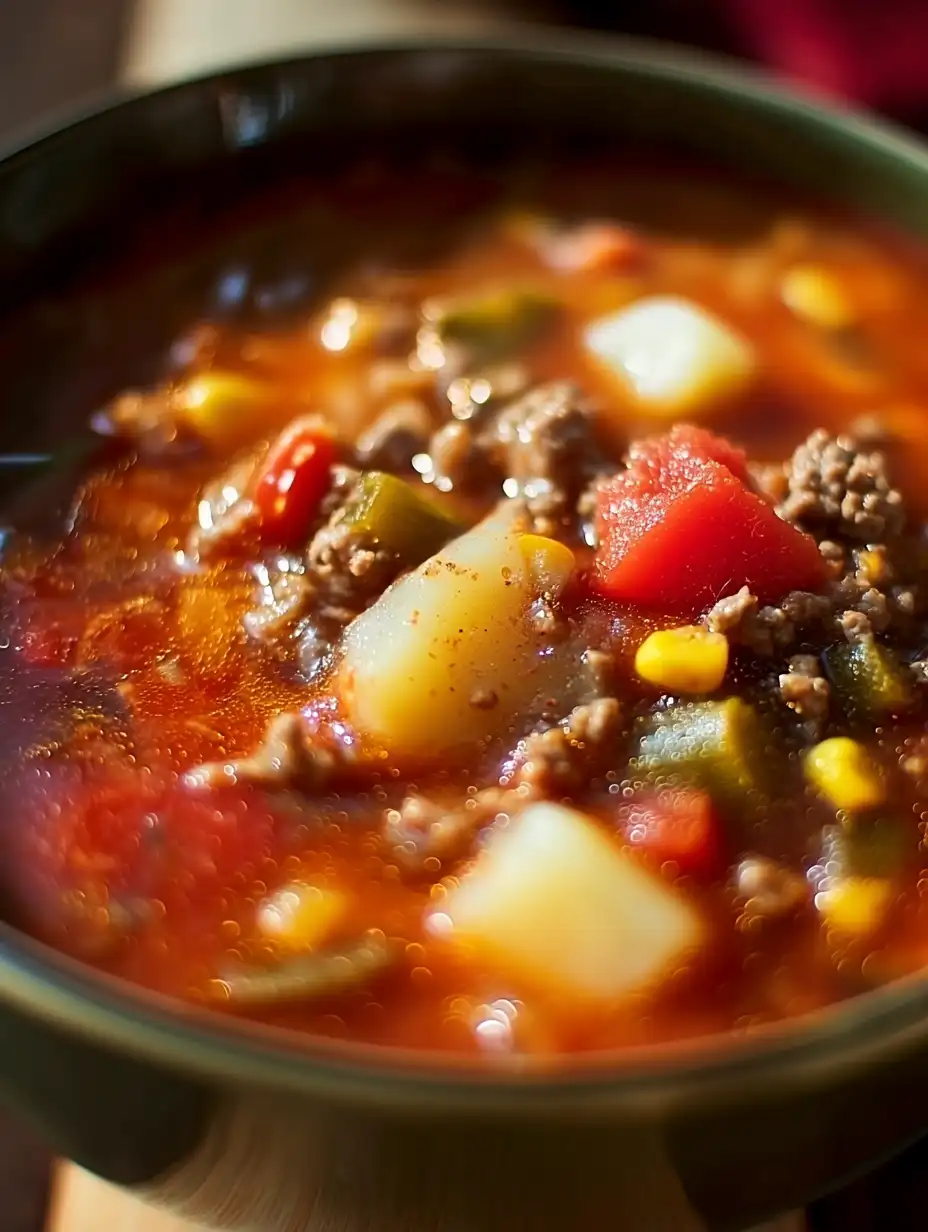
More Comforting Soups You’ll Love
If you enjoyed this recipe, be sure to explore these cozy favorites from our soup collection:
- Tex-Mex Creamy Cowboy Soup – spiced ground beef, corn, and black beans enriched with velvety cheese.
- One-Pot Macaroni Cheeseburger Soup – flavorful one-pot cheesy stew with browned beef and elbow macaroni.
Slow Cooker Hamburger Soup
Ingredients
Method
- Gather all ingredients, clean prep surfaces, and measure out your seasonings. Wash your fresh produce in cold water and slice all vegetables into uniform, bite-sized pieces so that every mouthful cooks evenly.
- Set your primary cooking vessel (heavy skillet, Dutch oven, or soup pot) over medium heat on your stovetop, or preheat your oven to the exact target baking temperature specified in the recipe. Add your cooking fat (olive oil or butter) and allow it to shimmer.
- Add your aromatic vegetables (diced onions, carrots, and celery) to the hot fat. Cook gently over medium heat for 5 to 7 minutes until tender, translucent, and sweet, stirring in the minced garlic during the final 60 seconds so it blooms without burning.
- Introduce your primary protein or core ingredients along with your dry herb and spice seasonings. Stir thoroughly for 2 to 3 minutes to coat every surface in the savory aromatic oil and allow the spices to toast lightly.
- Pour in your cooking broths, sauces, or fold in your blended dressings. Bring the mixture to a gentle, steady simmer over medium-low heat, stirring well to incorporate all the caramelized flavor from the bottom of the pan.
- Cover with a tight-fitting lid or transfer to the preheated oven. Cook for the recommended duration (40 minutes) until the food reaches safe internal temperature (165°F for poultry, or fork-tender for vegetables and soups).
- Remove the dish from heat and allow it to rest undisturbed for 5 minutes. Taste carefully to evaluate seasoning, adjust with a fresh squeeze of lemon juice, sea salt, or cracked pepper, and serve warm or chilled as intended with fresh herbs on top.

1 thought on “Slow Cooker Hamburger Soup”