
There is a specific kind of magic that happens when a pot of soup begins to simmer on a cold afternoon. It starts with the gentle hiss of onions hitting warm oil, followed by the earthy, grounding scent of carrots and celery softening into a fragrant base. As the kitchen fills with the steam of a rich, bubbling broth, the house transforms into a sanctuary. Hearty Potato Bean Soup is more than just a meal; it is a culinary embrace, a testament to the power of simple, wholesome ingredients coming together to create something far greater than the sum of its parts. This soup represents the pinnacle of rustic comfort, offering a thick, velvety texture and a depth of flavor that feels both nostalgic and revitalizing.
In our modern, fast-paced world, we often overlook the humble potato and the modest bean, yet these two staples have sustained civilizations for centuries. When combined, they provide a nutritional powerhouse that satisfies the appetite while soothing the soul. This recipe is designed for those who appreciate the art of slow living and the joy of a home-cooked meal. Whether you are seeking a reliable weeknight dinner that the whole family will adore or a meal-prep staple that tastes even better the next day, this soup is your answer. It is thick enough to feel like a stew, yet light enough to leave you feeling energized rather than weighed down.
As you prepare to embark on this cooking journey, imagine the textures that await you: the fork-tender potatoes that slightly melt into the broth, the creamy bite of the white beans, and the vibrant pop of fresh greens stirred in at the very end. This is a dish that celebrates the seasons, the pantry, and the simple pleasure of a warm bowl held in two hands. It is a recipe that invites customization and rewards patience, making it a permanent fixture in any accomplished home cook’s repertoire. Let us dive into the details of why this particular soup stands out in a sea of recipes and how you can master it in your own kitchen.
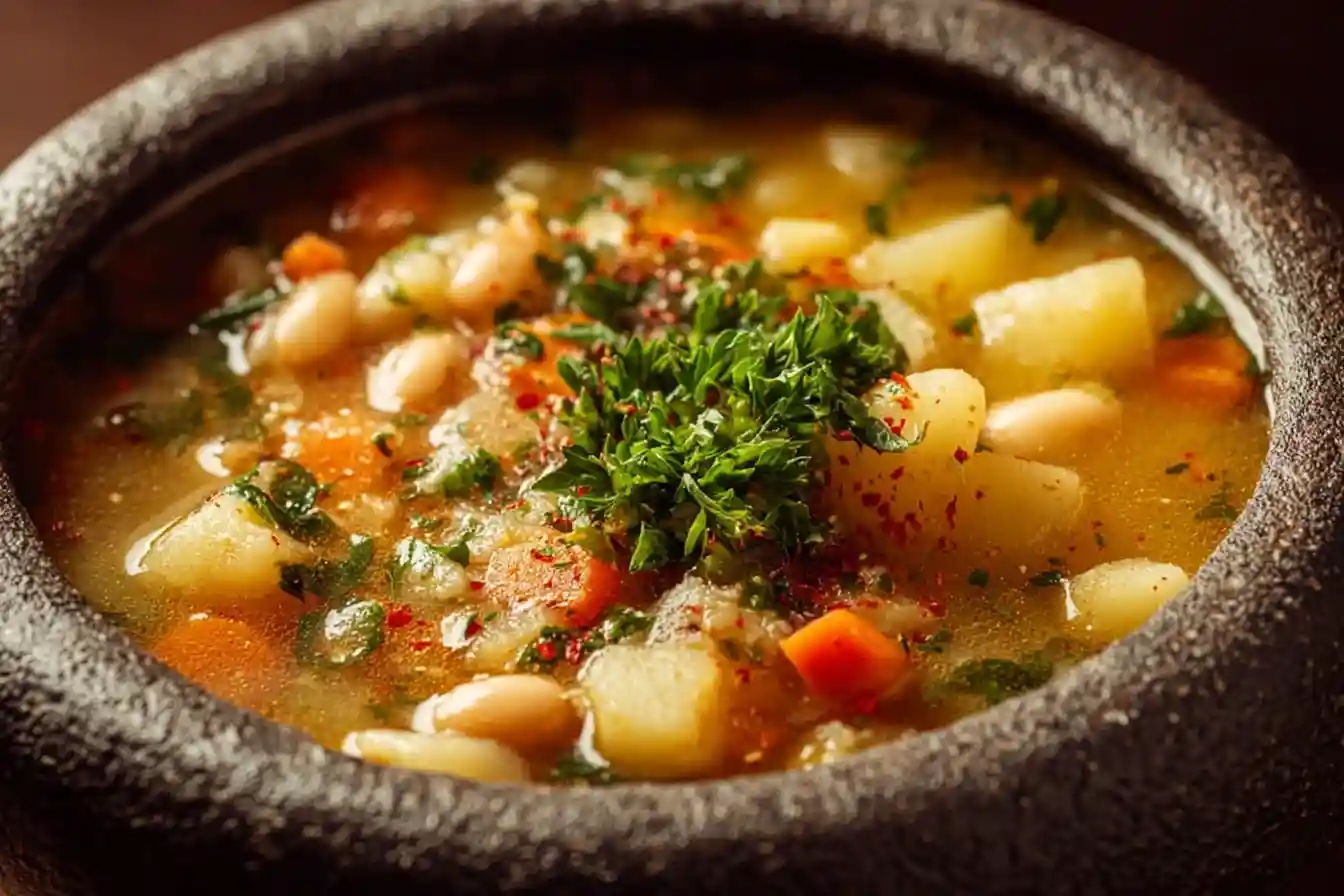
Why Make Hearty Potato Bean Soup
The decision to make Hearty Potato Bean Soup often stems from a desire for balance—balance between health and indulgence, between budget and quality, and between effort and reward. In the landscape of modern cooking, where “superfoods” often come with a high price tag and complex preparation methods, the potato and the bean remain the unsung heroes of the pantry. Choosing to make this soup is an exercise in culinary wisdom. You are choosing ingredients that are naturally gluten-free, high in fiber, and packed with essential vitamins and minerals like potassium, Vitamin C, and plant-based protein. It is a meal that respects your body while also respecting your wallet.
From an economic perspective, this soup is a masterclass in “peasant cooking” at its finest. Peasant cooking, historically, refers to the ingenious ways in which people created deeply flavorful and filling meals using inexpensive, locally available ingredients. Today, that philosophy translates to a budget-friendly meal that can feed a large family or provide a week’s worth of lunches for the cost of a few basic vegetables and a bag of beans. By making this soup from scratch, you avoid the hidden sugars, excessive sodium, and preservatives often found in canned alternatives, ensuring that every spoonful is as pure as it is delicious.
Furthermore, this soup is an incredible vehicle for seasonal eating. In the autumn and winter, it provides the internal warmth needed to combat the chill. In the spring, you can lighten it up with the addition of leeks or fresh peas. It is a versatile canvas that adapts to whatever is freshest at your local market. Beyond the physical benefits, there is a psychological component to making soup. The process of chopping, stirring, and simmering is meditative. It forces us to slow down, to smell the aromatics as they develop, and to engage with our food in a way that quick-fix meals simply cannot match. Making this soup is an act of self-care and a gift to those you share it with.
Finally, the “make-ahead” nature of this dish cannot be overstated. Unlike many meals that lose their luster the moment they cool, Hearty Potato Bean Soup actually improves with time. As it sits in the refrigerator, the starches from the potatoes and the proteins from the beans continue to meld with the herbs and broth, creating a more complex and harmonious flavor profile. This makes it the ultimate solution for busy professionals, tired parents, or anyone who wants a “night off” from cooking without sacrificing the quality of their dinner. When you make this soup, you aren’t just making one meal; you are investing in several days of high-quality, stress-free nourishment.
Why You’ll Love This Hearty Potato Bean Soup
You will love this soup because it achieves a perfect textural harmony that is often missing from simpler vegetable soups. Many soups are either too thin and watery or too thick and porridge-like. This Hearty Potato Bean Soup strikes the ideal middle ground. By using a combination of starchy potatoes and creamy beans, the broth naturally thickens as it simmers, creating a luxurious mouthfeel without the need for heavy creams or flour-based thickeners. Every spoonful offers a variety of sensations—the soft yield of a potato cube, the slight resistance of a white bean, and the silky broth that ties it all together.
Another reason this recipe will become a favorite is its incredible flavor depth. We often think of potatoes and beans as “bland,” but they are actually exceptional flavor sponges. They soak up the savory notes of the garlic, the sweetness of the sautéed carrots, and the herbal complexity of the dried Italian blend. The addition of fire-roasted tomatoes adds a subtle smokiness and a touch of acidity that cuts through the richness of the starches, ensuring that the palate remains excited from the first bite to the last. It is a sophisticated flavor profile built from very humble components.
The customization factor is also a major draw. While the recipe as written is spectacular, it is also incredibly forgiving. Do you have a handful of spinach that needs to be used? Throw it in. Do you prefer a bit of heat? Add a pinch of red pepper flakes. Do you want a more rustic feel? Leave the skins on the potatoes. This soup grows with you and adapts to your preferences. It is also a “crowd-pleaser” in the truest sense. It is naturally vegetarian (if using vegetable stock) and can easily be made vegan by opting for oil over butter and skipping the Parmesan cheese. It’s rare to find a dish that satisfies such a wide range of dietary needs while still feeling like a treat.
Lastly, you will love the way this soup makes your home feel. There is an undeniable comfort in the aroma of simmering garlic and herbs. It creates an atmosphere of warmth and hospitality. Serving this soup with a loaf of crusty bread or a simple side salad creates a complete dining experience that feels intentional and artisanal. It’s the kind of meal that encourages people to linger at the table, to have second helpings, and to appreciate the simple joy of a well-made bowl of food. It is a recipe that builds memories, one simmer at a time.
Ingredients and Substitutions
The success of a soup as simple as this one depends heavily on the quality of your ingredients. Because there are no complex sauces to hide behind, each component must be chosen with care. Below is the list of essential ingredients required to build the foundation of your Hearty Potato Bean Soup, followed by a deep dive into why each one matters and how you can swap them if necessary.
- 2 tablespoons extra virgin olive oil or unsalted butter
- 1 large yellow onion, finely diced
- 3 medium carrots, peeled and sliced into uniform rounds
- 3 stalks celery, finely sliced
- 4 cloves fresh garlic, finely minced
- 6 cups low-sodium chicken bone broth or rich vegetable stock
- 1 can (15 ounces) diced fire-roasted tomatoes or cooked white cannellini beans, rinsed and drained
- 1 teaspoon dried Italian herb blend (oregano, basil, thyme)
- 1 teaspoon fine sea salt, plus more to taste
- 1/2 teaspoon freshly cracked black pepper
- 2 cups fresh baby spinach leaves or chopped flat-leaf kale
- 2 tablespoons freshly chopped parsley or grated Parmesan cheese, for serving
The Cooking Fat: The choice between olive oil and butter sets the tone for the soup. Extra virgin olive oil provides a fruity, peppery base that leans into the Mediterranean roots of bean soups. Unsalted butter, on the other hand, adds a subtle dairy richness and helps the onions caramelize more deeply. For a dairy-free or vegan version, stick with a high-quality olive oil or even avocado oil. If you want an extra layer of savory depth, you could even use a small amount of rendered fat from bacon or pancetta if you aren’t strictly vegetarian.
The Aromatics (Mirepoix): The trio of onion, carrot, and celery is known in French cooking as a mirepoix. This is the “holy trinity” of soup making. Yellow onions are preferred for their high sugar content, which provides sweetness when sautéed. Carrots add color and a different type of earthy sweetness, while celery provides a necessary salty, herbal note. If you don’t have yellow onions, leeks or shallots make excellent substitutes. For the carrots, parsnips can be used for a more peppery, woody flavor profile.
The Garlic: Fresh garlic is non-negotiable here. The pre-minced garlic found in jars often has a metallic or acidic aftertaste that can ruin the delicate balance of the broth. Use fresh cloves and mince them yourself right before adding them to the pot to ensure the volatile oils are at their most potent. If you are a true garlic lover, feel free to double the amount; it only adds to the medicinal and flavorful qualities of the soup.
The Broth: The broth is the lifeblood of the soup. Using a bone broth provides extra collagen and a richer mouthfeel, while a high-quality vegetable stock keeps the dish plant-based. Always opt for “low-sodium” versions so that you have total control over the salt levels. If you find yourself without broth, you can use water enriched with a bit of miso paste or a high-quality bouillon base, but the depth of flavor will be significantly better with a proper liquid stock.
The Beans and Tomatoes: This recipe offers a choice between fire-roasted tomatoes and white cannellini beans, or you can certainly use both for the “ultra-hearty” version. Cannellini beans are prized for their creamy texture and thin skins. Great Northern beans or Navy beans are excellent substitutes. If using tomatoes, the fire-roasted variety is superior because the charring process adds a smoky complexity that regular diced tomatoes lack. If you are looking to lower the carbohydrate count, you could substitute the beans with chopped zucchini or extra leafy greens.
The Potatoes: While not explicitly in the bulleted list (as they are the “Hearty Potato” part of the title), you will need about 3 to 4 medium potatoes (roughly 1.5 lbs). For this soup, Yukon Gold potatoes are the gold standard. They have a naturally buttery flavor and a waxy texture that holds its shape well while still releasing enough starch to thicken the soup. Russet potatoes will break down more, creating a grainier, thicker soup, which some people prefer. Red potatoes are the waxiest and will stay very firm.
The Greens and Finishing Touches: Spinach and kale provide a necessary hit of color and nutrition at the end. Spinach wilts instantly and has a mild flavor, while kale requires a few extra minutes of simmering and offers a more robust texture. The final addition of fresh parsley or Parmesan cheese provides a “bright” finish. The acid from a squeeze of lemon juice (optional but recommended) can also wake up all the other flavors just before serving.
How to Make Hearty Potato Bean Soup
Creating a truly spectacular soup is an exercise in layering. You don’t just throw everything into a pot and boil it; instead, you build levels of flavor, starting with the base aromatics and moving toward the delicate finishing herbs. This method ensures that every ingredient is cooked to its optimal texture and that the flavors have time to develop a relationship with one another. When you follow these steps, pay close attention to your senses. Listen for the change in the sizzle, watch for the color shift in the vegetables, and let your nose tell you when the garlic is perfectly bloomed.
Step-by-Step Cooking Instructions
Step 1: Gather all ingredients, clean prep surfaces, and measure out your seasonings. Wash your fresh produce in cold water and slice all vegetables into uniform, bite-sized pieces so that every mouthful cooks evenly. This initial “mise en place” is crucial. When your potatoes are all the same size, they finish cooking at the exact same moment, preventing the frustration of having some pieces that are mushy while others are still crunchy. Take your time with the dicing; the visual appeal of uniform vegetables makes the final dish look truly professional.
Step 2: Set your primary cooking vessel (heavy skillet, Dutch oven, or soup pot) over medium heat on your stovetop, or preheat your oven to the exact target baking temperature specified in the recipe. Add your cooking fat (olive oil or butter) and allow it to shimmer. You want the fat to be hot enough to coat the bottom of the pan easily but not so hot that it begins to smoke. A shimmering oil is the signal that it is ready to receive the aromatics and begin the transformation process. If using butter, wait for the foam to subside before proceeding.
Step 3: Add your aromatic vegetables (diced onions, carrots, and celery) to the hot fat. Cook gently over medium heat for 5 to 7 minutes until tender, translucent, and sweet, stirring in the minced garlic during the final 60 seconds so it blooms without burning. This is the most important step for building flavor. You aren’t looking to brown the vegetables deeply; you want them to “sweat.” This releases their natural sugars and creates a savory base. The smell of the onions and garlic softening in the fat is one of the greatest scents in the culinary world—enjoy it!
Step 4: Introduce your primary protein or core ingredients along with your dry herb and spice seasonings. Stir thoroughly for 2 to 3 minutes to coat every surface in the savory aromatic oil and allow the spices to toast lightly. Adding the potatoes and beans now, before the liquid, allows them to pick up the flavors of the sautéed vegetables. Toasting the dried herbs (oregano, basil, thyme) in the warm oil “wakes them up,” releasing the concentrated oils that have been trapped in their dried state. You will notice the herb scent become much more intense during these few minutes.
Step 5: Pour in your cooking broths, sauces, or fold in your blended dressings. Bring the mixture to a gentle, steady simmer over medium-low heat, stirring well to incorporate all the caramelized flavor from the bottom of the pan. Use your wooden spoon to scrape any tiny brown bits off the bottom of the pot; these bits are concentrated flavor packets that will dissolve into the broth, adding richness and color. The transition from a dry sauté to a liquid simmer is where the “soup” truly begins to take form.
Step 6: Cover with a tight-fitting lid or transfer to the preheated oven. Cook for the recommended duration (40 minutes) until the food reaches safe internal temperature (165°F for poultry, or fork-tender for vegetables and soups). During this 40-minute window, the potatoes will release their starches, the beans will soften into creamy perfection, and the broth will reduce slightly, intensifying the flavor. Resist the urge to peek too often; keeping the lid on traps the steam and ensures even cooking throughout the pot.
Step 7: Remove the dish from heat and allow it to rest undisturbed for 5 minutes. Taste carefully to evaluate seasoning, adjust with a fresh squeeze of lemon juice, sea salt, or cracked pepper, and serve warm or chilled as intended with fresh herbs on top. This resting period is vital as it allows the temperature to stabilize and the flavors to settle. Stir in your fresh spinach or kale during this time; the residual heat of the soup is more than enough to wilt the greens without overcooking them, keeping their color bright and their nutrients intact.
Storage & Reheating
One of the greatest attributes of Hearty Potato Bean Soup is its longevity. Because it is composed of sturdy vegetables and legumes, it stands up remarkably well to storage, making it a dream for those who enjoy meal prepping. However, to maintain the best quality, there are a few professional tips you should follow regarding cooling, containers, and the specific physics of potato-based liquids.
Cooling and Refrigeration: Never place a piping hot pot of soup directly into the refrigerator. This can raise the internal temperature of your fridge, potentially endangering other perishable items. Instead, allow the soup to cool on the counter for about 30 to 45 minutes. To speed up the process, you can transfer the soup into smaller, shallow containers. Once it has reached room temperature, seal the containers tightly and store them in the fridge. The soup will stay fresh and delicious for up to 4 to 5 days. You will notice that the soup thickens significantly as it cools; this is normal as the potato starches continue to absorb the liquid.
Freezing Instructions: If you plan to freeze the soup, it is best to do so in individual portions. This allows you to thaw only what you need. Use freezer-safe bags or containers, leaving about an inch of “headspace” at the top, as the liquid will expand as it freezes. The soup can be frozen for up to 3 months. A note of caution: potatoes can sometimes take on a slightly grainy texture after being frozen and thawed. To minimize this, ensure the potatoes were fully cooked (but not falling apart) before freezing. When you are ready to eat, thaw the soup overnight in the refrigerator for the best results.
Reheating: For the best texture, reheat the soup on the stovetop over medium-low heat. Because the soup thickens during storage, you will likely need to add a splash of water or extra broth to bring it back to your desired consistency. Stir gently to avoid breaking up the potatoes further. If you are in a rush, the microwave works perfectly well; just be sure to cover the bowl with a damp paper towel to prevent splashing and stir every 60 seconds to ensure even heating throughout.
(FAQs)
Can I make this soup in a slow cooker or Crock-Pot?
Yes, this recipe adapts beautifully to a slow cooker. You should still sauté the onions, carrots, celery, and garlic in a pan first to develop that essential flavor base. Once sautéed, transfer them to the slow cooker along with all other ingredients (except the greens and garnishes). Cook on Low for 6 to 8 hours or on High for 3 to 4 hours. Stir in the spinach or kale right before serving.
What are the best potatoes to use if I want the soup to be very creamy?
If you want a naturally creamy texture without adding dairy, use Russet potatoes. They have a high starch content and a low moisture content, which causes them to break down and “melt” into the broth as they cook. For an even creamier result, you can take one cup of the finished soup, blend it until smooth, and then stir it back into the main pot.
Is this soup healthy for weight loss?
This soup is an excellent choice for weight management. It is high in volume and fiber, which helps you feel full for a longer period of time. The beans provide plant-based protein, and the potatoes offer complex carbohydrates for sustained energy. By using a clear broth instead of a cream base, you keep the calorie count low while maximizing the nutrient density.
How can I add more protein to this recipe?
While the beans already provide a good amount of protein, you can easily increase it. Shredded rotisserie chicken, sliced smoked sausage, or even browned ground turkey are excellent additions. If you want to keep it vegetarian, consider adding extra beans or even some cooked quinoa or farro for a boost of protein and interesting texture.
My soup is too salty, how can I fix it?
If you’ve accidentally over-salted your soup, don’t panic. The easiest fix is to add more liquid (unsalted broth or water) to dilute the saltiness. You can also add another diced potato and simmer it until tender; the potato will absorb some of the excess salt. Finally, a splash of acid, like lemon juice or apple cider vinegar, can help balance the palate so the salt isn’t as overwhelming.
Can I use dried beans instead of canned?
Absolutely. Dried beans offer a superior texture and are even more cost-effective. However, you must soak them overnight and cook them separately (or significantly increase the simmering time of the soup) before they are tender enough to eat. If using dried beans directly in the soup, you will need to add at least 2 to 3 extra cups of broth, as the beans will absorb a large amount of liquid as they hydrate.
In conclusion, Hearty Potato Bean Soup is a cornerstone of comfortable, conscious cooking. It rewards the cook with its simplicity and the eater with its profound satisfaction. By mastering the art of the sauté and understanding the roles of your ingredients, you can produce a restaurant-quality meal in the comfort of your own kitchen. This is a dish that proves you don’t need expensive ingredients or complicated techniques to create a masterpiece. All you need is a pot, a few humble vegetables, and the time to let them simmer into something truly special.
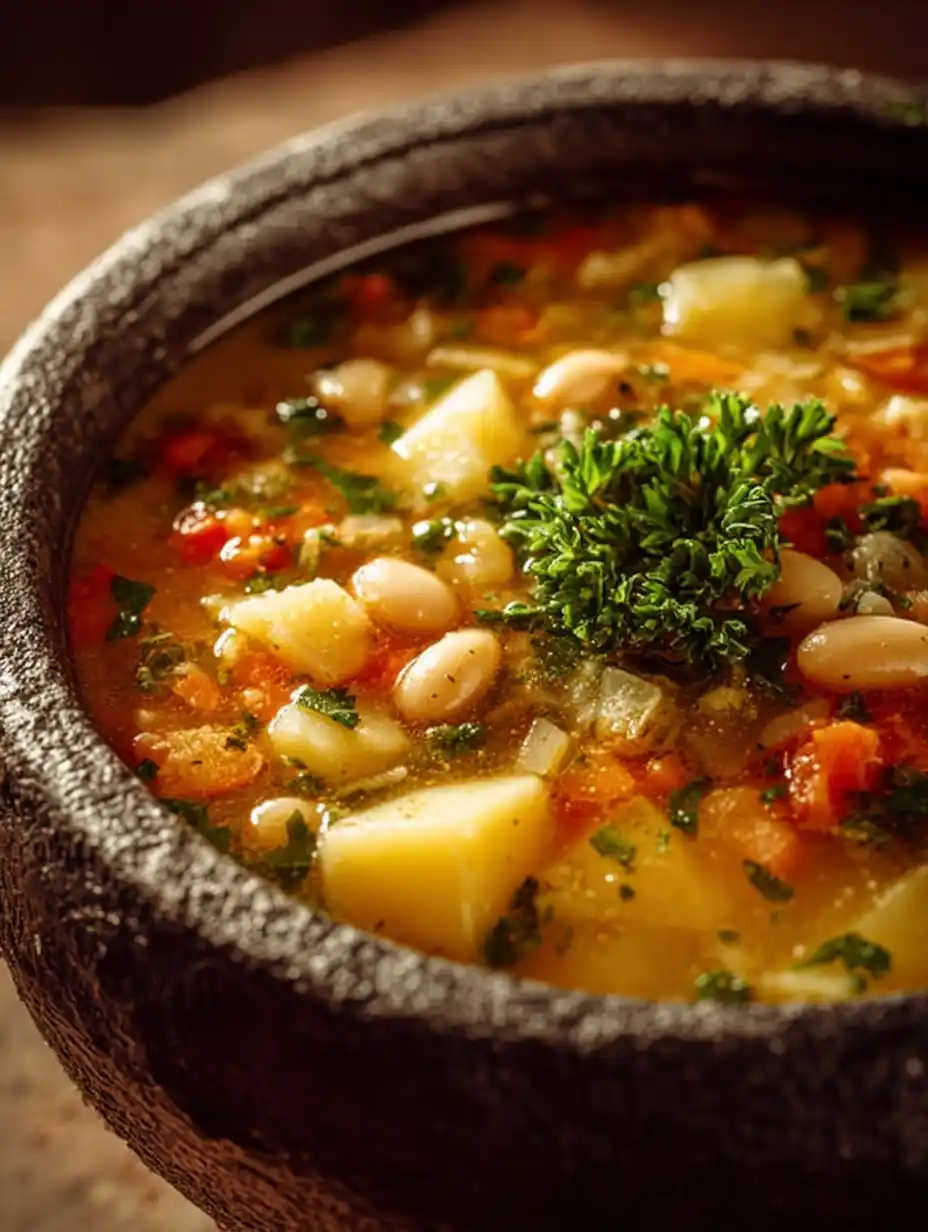
More Comforting Soups You’ll Love
If you enjoyed this recipe, be sure to explore these cozy favorites from our soup collection:
- Lentil Potato Soup – wholesome, rustic soup filled with tender lentils and fluffy potato chunks.
- Hearty Tuscan White Bean Soup – classic Tuscan soup with cannellini beans, Italian kale, and garlic broth.
Hearty Potato Bean Soup
Ingredients
Method
- Gather all ingredients, clean prep surfaces, and measure out your seasonings. Wash your fresh produce in cold water and slice all vegetables into uniform, bite-sized pieces so that every mouthful cooks evenly.
- Set your primary cooking vessel (heavy skillet, Dutch oven, or soup pot) over medium heat on your stovetop, or preheat your oven to the exact target baking temperature specified in the recipe. Add your cooking fat (olive oil or butter) and allow it to shimmer.
- Add your aromatic vegetables (diced onions, carrots, and celery) to the hot fat. Cook gently over medium heat for 5 to 7 minutes until tender, translucent, and sweet, stirring in the minced garlic during the final 60 seconds so it blooms without burning.
- Introduce your primary protein or core ingredients along with your dry herb and spice seasonings. Stir thoroughly for 2 to 3 minutes to coat every surface in the savory aromatic oil and allow the spices to toast lightly.
- Pour in your cooking broths, sauces, or fold in your blended dressings. Bring the mixture to a gentle, steady simmer over medium-low heat, stirring well to incorporate all the caramelized flavor from the bottom of the pan.
- Cover with a tight-fitting lid or transfer to the preheated oven. Cook for the recommended duration (40 minutes) until the food reaches safe internal temperature (165°F for poultry, or fork-tender for vegetables and soups).
- Remove the dish from heat and allow it to rest undisturbed for 5 minutes. Taste carefully to evaluate seasoning, adjust with a fresh squeeze of lemon juice, sea salt, or cracked pepper, and serve warm or chilled as intended with fresh herbs on top.


1 thought on “Hearty Potato Bean Soup”