Why Make Hearty Chicken and Vegetable Stew
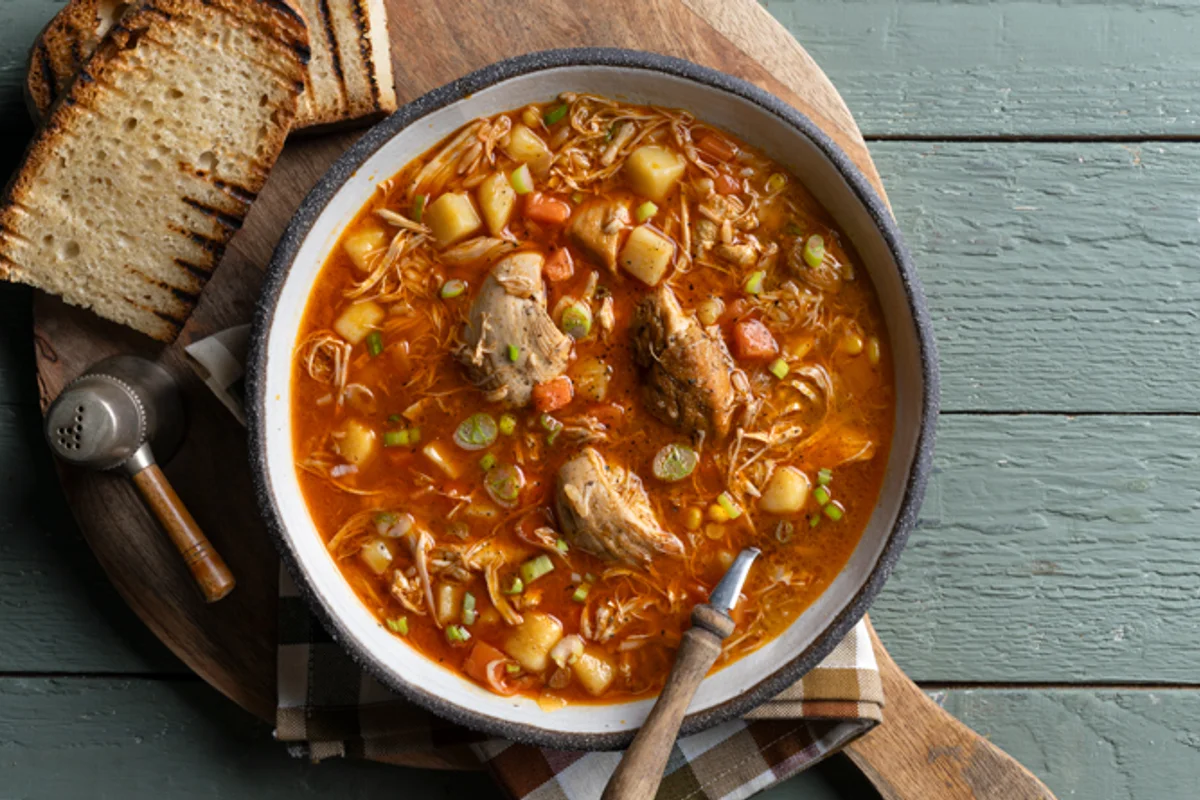
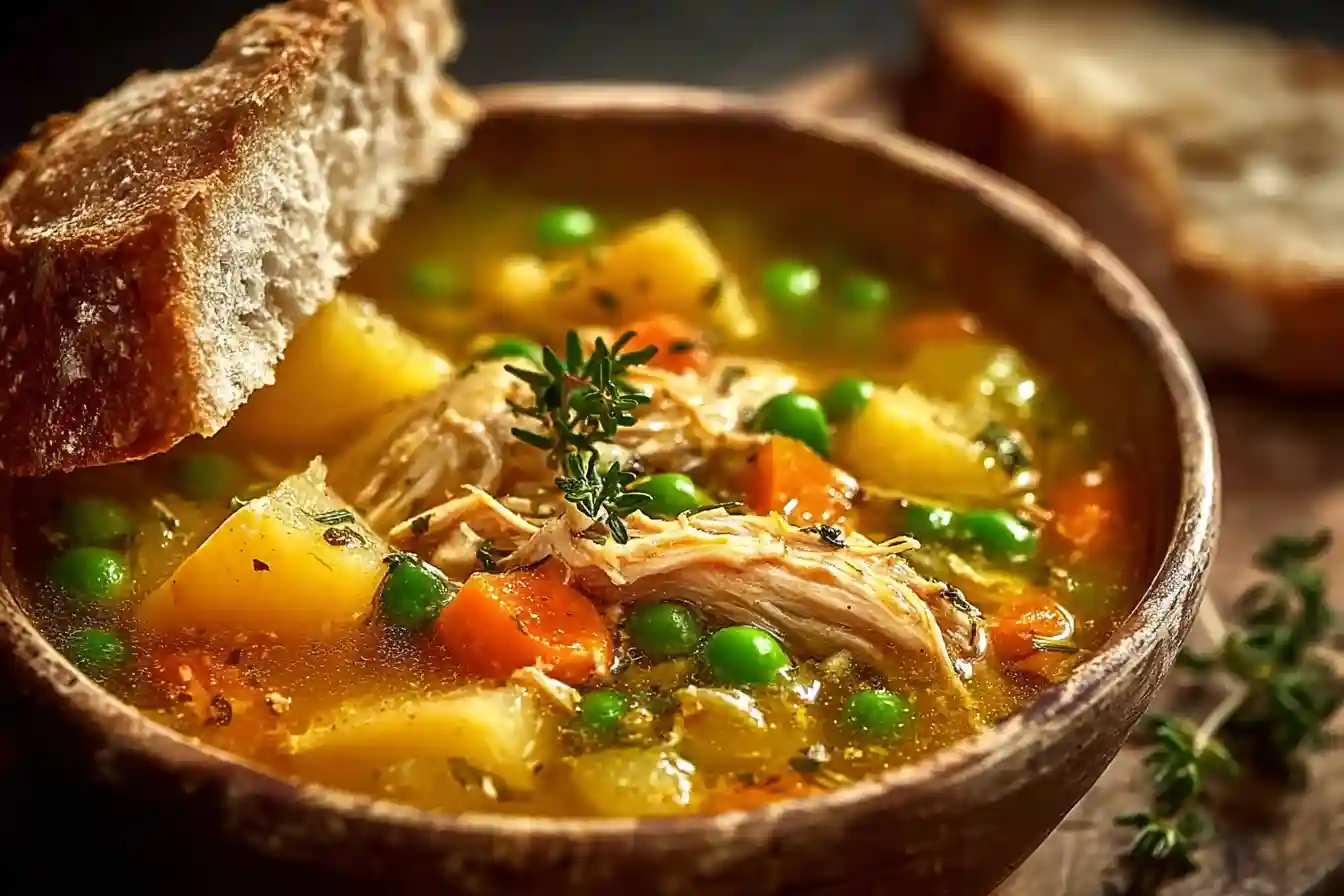
The decision to make a hearty chicken and vegetable stew often stems from a desire for balance. In a world of fast food and complex, multi-step recipes, the stew represents a return to “slow food” values. One of the primary reasons to make this dish is its incredible nutritional density. Unlike many comfort foods that rely on heavy fats or refined carbohydrates to provide satisfaction, this stew draws its “heartiness” from fiber-rich vegetables and high-quality protein. Every spoonful is packed with vitamins A and C from the carrots and greens, antioxidants from the garlic and onions, and the gut-friendly benefits of a rich chicken bone broth. Beyond the health benefits, there is the practical element of efficiency. This is a quintessential “one-pot wonder.” By cooking everything in a single vessel, you not only concentrate the flavors—ensuring that none of the savory juices from the chicken are lost—but you also significantly reduce the cleanup time. For a busy household, the ability to produce a gourmet-level meal with only one pot to wash is a significant luxury. Furthermore, this stew is a masterclass in “fridge cleaning.” While our recipe calls for specific vegetables, the method itself is a template. It allows you to use up those last few stalks of celery, the lone parsnip in the crisper drawer, or the handful of kale that needs a purpose, reducing food waste while enhancing the dish’s complexity. There is also a psychological component to making stew. The act of chopping vegetables into uniform pieces can be a meditative process, a way to decompress after a long day. As the pot simmers, it provides a sensory backdrop to your evening—the soft bubbling sound and the evolving aroma act as a signal to the brain that it is time to slow down and nourish oneself. In many ways, making this stew is an act of self-care. It provides you with a large batch of food that often tastes even better the next day, giving you the gift of a “day off” from cooking later in the week while still enjoying a home-cooked meal. Finally, we make this stew because it is a crowd-pleaser that accommodates almost everyone. It is naturally low in fat, can easily be made gluten-free or dairy-free, and appeals to all ages. Children often enjoy the soft textures and familiar flavors of chicken and carrots, while adults appreciate the sophisticated herbal notes and the richness of the broth. It is a democratic dish, at home on a casual Tuesday night or served in a beautiful tureen for a rustic Sunday dinner with friends.Why You’ll Love This Hearty Chicken and Vegetable Stew
You will love this chicken and vegetable stew because it achieves a “velvety” mouthfeel without being heavy. Many traditional stews rely on a heavy flour roux or a splash of heavy cream to create thickness, which can sometimes mask the delicate flavors of the vegetables. This recipe, however, uses the natural starches from the vegetables and the richness of a high-quality bone broth to create a body that feels substantial and luxurious. It coats the back of a spoon perfectly, providing a satisfying texture that feels indulgent yet remains light enough that you won’t feel weighed down after eating. Another reason this recipe will become a favorite is the incredible depth of flavor achieved through the layering of aromatics. By taking the time to gently cook the onions, carrots, and celery—often referred to in culinary circles as the “holy trinity” of aromatics—you develop a sweet, savory base that serves as the foundation for everything else. The addition of fire-roasted tomatoes adds a subtle smokiness and a bright acidity that cuts through the richness of the chicken, while the Italian herb blend provides a constant hum of earthy, floral notes in the background. It is a symphony of flavors where no single ingredient overpowers the others; instead, they work in harmony to create something greater than the sum of its parts. The versatility of this stew is another reason you will find yourself returning to it season after season. While it is inherently “hearty,” it doesn’t have to be a “winter only” meal. In the spring, you can swap the kale for delicate peas or asparagus. In the summer, fresh tomatoes from the garden can replace the canned variety. This recipe provides you with a reliable framework that you can adapt based on what is freshest at your local market. It is a living recipe that grows and changes with your preferences, making it a permanent and reliable resident in your culinary repertoire. Lastly, you will love the “leftover potential” of this dish. Stews are famous for their ability to improve after a night in the refrigerator. As the stew cools and sits, the proteins in the chicken continue to absorb the seasoned liquid, and the vegetables release more of their natural sweetness into the broth. Reheating a bowl for lunch the next day often reveals new nuances in the flavor profile that weren’t as apparent when it was fresh off the stove. It is the gift that keeps on giving, providing a quick, healthy, and delicious meal option when your schedule gets hectic.Ingredients and Substitutions
To create the perfect hearty chicken and vegetable stew, starting with high-quality ingredients is paramount. Because the ingredient list is relatively simple, the quality of each component will shine through in the final result. Below is the list of core ingredients followed by a deep dive into their roles and potential substitutions.- 2 tablespoons extra virgin olive oil or unsalted butter
- 1 large yellow onion, finely diced
- 3 medium carrots, peeled and sliced into uniform rounds
- 3 stalks celery, finely sliced
- 4 cloves fresh garlic, finely minced
- 6 cups low-sodium chicken bone broth or rich vegetable stock
- 1 can (15 ounces) diced fire-roasted tomatoes or cooked white cannellini beans, rinsed and drained
- 1 teaspoon dried Italian herb blend (oregano, basil, thyme)
- 1 teaspoon fine sea salt, plus more to taste
- 1/2 teaspoon freshly cracked black pepper
- 2 cups fresh baby spinach leaves or chopped flat-leaf kale
- 2 tablespoons freshly chopped parsley or grated Parmesan cheese, for serving
The Aromatic Base
The combination of onion, carrots, and celery is the soul of this stew. The yellow onion is preferred for its high sugar content, which turns sweet and mellow when cooked. If you only have red onion, it will work, though it may slightly discolor the broth. Carrots provide both color and a necessary sweetness to balance the savory chicken. For the best flavor, look for carrots with the green tops still attached, as they are often fresher and sweeter than the bagged, pre-peeled variety. Celery adds a subtle salty, earthy note that is essential for a traditional stew profile.The Liquid Gold: Broth and Tomatoes
The chicken bone broth is the most important liquid element. Bone broth is simmered longer than standard stock, resulting in a higher protein content and a richer flavor. If you are watching your salt intake, always opt for “low-sodium” so you can control the seasoning yourself. For a vegetarian version, a rich vegetable stock made with mushrooms can provide a similar “meaty” depth. The fire-roasted tomatoes bring a charred, smoky element that adds complexity. If you prefer a creamier, thicker stew without the acidity of tomatoes, the white cannellini beans are an excellent substitute. When some of the beans break down during the simmering process, they release starches that naturally thicken the liquid.The Protein
While not listed in the “base” list above to allow for flexibility in the steps, you will typically use 1 to 1.5 pounds of chicken. Chicken thighs (boneless and skinless) are the gold standard for stew because they contain more moisture and fat than breasts, meaning they stay juicy even after 40 minutes of simmering. If you use chicken breasts, be careful not to overcook them, as they can become “stringy” if boiled too hard. For a plant-based alternative, extra-firm tofu or a double portion of beans works beautifully.Herbs and Seasonings
The dried Italian herb blend is a convenient way to get a balanced mix of oregano, basil, and thyme. However, if you have fresh herbs, use them! A general rule is to use three times the amount of fresh herbs as you would dried. Sea salt and cracked black pepper should be added in layers. Seasoning at the beginning and the end ensures that the flavor is built into the ingredients, not just sitting on top of the liquid.The Greens and Finishing Touches
Baby spinach or kale provides a nutritional “pop” and a beautiful visual contrast. Spinach will wilt almost instantly, while kale requires a few extra minutes to soften. Finally, the fresh parsley adds a burst of “green” freshness that wakes up the cooked flavors, and Parmesan cheese provides a salty, savory finish that rounds out the dish perfectly.How to Make Hearty Chicken and Vegetable Stew
Creating a world-class stew is as much about the technique as it is about the ingredients. By following these steps, you are not just “cooking food”; you are carefully managing temperatures and textures to ensure that every bite is a perfect balance of flavor. Pay close attention to the sensory cues—the sounds of the sizzle, the changing colors of the vegetables, and the evolving aromas—as they will tell you exactly when it is time to move to the next stage.Step-by-Step Cooking Instructions
Step 1: Gather all ingredients, clean prep surfaces, and measure out your seasonings. Wash your fresh produce in cold water and slice all vegetables into uniform, bite-sized pieces so that every mouthful cooks evenly.
Preparation is the most underrated part of cooking. By having your carrots, celery, and onions chopped and ready before you ever turn on the heat, you prevent the stress of trying to chop one thing while another is burning in the pot. Aim for “bite-sized” pieces—roughly half-inch cubes or rounds. This ensures that a single spoonful can contain a piece of chicken, a slice of carrot, and a bit of celery, giving you the full flavor profile in every bite. This is also the time to trim any excess fat from your chicken and cut it into uniform chunks.Step 2: Set your primary cooking vessel (heavy skillet, Dutch oven, or soup pot) over medium heat on your stovetop, or preheat your oven to the exact target baking temperature specified in the recipe. Add your cooking fat (olive oil or butter) and allow it to shimmer.
Choosing the right pot is vital. A heavy-bottomed Dutch oven is ideal because it distributes heat evenly and retains it well, preventing “hot spots” that can scorch your vegetables. When you add the olive oil or butter, wait for it to “shimmer.” This means the oil will become thinner and move across the pan like water. If you are using butter, wait for the foaming to subside. This temperature is the sweet spot; it’s hot enough to start cooking the vegetables immediately but not so hot that it smokes or burns the delicate fats.Step 3: Add your aromatic vegetables (diced onions, carrots, and celery) to the hot fat. Cook gently over medium heat for 5 to 7 minutes until tender, translucent, and sweet, stirring in the minced garlic during the final 60 seconds so it blooms without burning.
As the vegetables hit the pan, you should hear a gentle “hiss,” not a violent “crackle.” You are looking for the onions to turn from opaque white to a soft, see-through yellow. This process softens the cellular structure of the vegetables, allowing them to release their flavors into the oil. When you add the garlic at the end, watch it closely. Garlic contains natural sugars that burn quickly, turning bitter. You only need about a minute until you smell that unmistakable, pungent fragrance—this is called “blooming,” where the heat releases the essential oils of the garlic.Step 4: Introduce your primary protein or core ingredients along with your dry herb and spice seasonings. Stir thoroughly for 2 to 3 minutes to coat every surface in the savory aromatic oil and allow the spices to toast lightly.
Adding the chicken and dried herbs now allows the heat to “awaken” the dried spices. The oil acts as a carrier, pulling the flavor out of the herbs and onto the surface of the chicken. You aren’t looking to fully cook the chicken here; you just want to get it started and ensure it is well-seasoned. The salt and pepper added now will begin to penetrate the meat, ensuring it isn’t bland when the stew is finished.Step 5: Pour in your cooking broths, sauces, or fold in your blended dressings. Bring the mixture to a gentle, steady simmer over medium-low heat, stirring well to incorporate all the caramelized flavor from the bottom of the pan.
As you pour in the chicken bone broth, use your spoon to gently scrape the bottom of the pot. Any little browned bits of vegetable or chicken stuck to the bottom are concentrated packets of flavor. This liquid will dissolve those bits, incorporating them into the broth. This is also when you add your tomatoes or beans. Watch for the first few bubbles to break the surface, then immediately turn the heat down. A “boil” is too aggressive and can make the chicken tough; a “simmer” (small, lazy bubbles) is what you want.Step 6: Cover with a tight-fitting lid or transfer to the preheated oven. Cook for the recommended duration (40 minutes) until the food reaches safe internal temperature (165°F for poultry, or fork-tender for vegetables and soups).
The lid is crucial as it creates a closed environment, preventing the liquid from evaporating too quickly and keeping the chicken moist. During these 40 minutes, the magic happens. The collagen in the chicken thighs begins to soften, the carrots become “fork-tender” (meaning a fork slides in with no resistance), and the broth thickens slightly. If you find the stew is reducing too much, you can always add a splash more broth or water.Step 7: Remove the dish from heat and allow it to rest undisturbed for 5 minutes. Taste carefully to evaluate seasoning, adjust with a fresh squeeze of lemon juice, sea salt, or cracked pepper, and serve warm or chilled as intended with fresh herbs on top.
Resting is a vital final step. It allows the temperature to stabilize and the flavors to settle. Just before serving, stir in your fresh spinach or kale; the residual heat will be enough to wilt them perfectly without turning them to mush. This is also the “brightening” phase. Often, a long-simmered stew needs a touch of acid—like a squeeze of lemon juice—to make the flavors “pop.” Taste it! If it feels like it’s missing something, it’s usually a pinch of salt or that splash of lemon.Storage & Reheating
One of the greatest strengths of a hearty chicken and vegetable stew is its longevity. Because it is a “wet” dish, it resists drying out and actually benefits from a period of resting in the cold. However, to maintain the best quality and ensure food safety, there are several key practices you should follow for storage and reheating.Cooling and Refrigeration
Never put a steaming hot pot of stew directly into the refrigerator. This can raise the internal temperature of your fridge, potentially putting other perishable items at risk. Instead, allow the stew to sit on the counter for about 30 to 45 minutes until it is no longer piping hot. For even faster cooling, you can transfer the stew into smaller, shallow containers. Once cooled, seal the containers tightly. The stew will stay fresh and delicious in the refrigerator for up to 4 to 5 days. In fact, many people find that the flavor peaks on day two or three.Freezing for Long-Term Storage
If you have made a large batch, this stew freezes exceptionally well. Use freezer-safe glass jars or heavy-duty silicone bags. Be sure to leave about an inch of “headspace” at the top of the container, as the liquid will expand as it freezes. The stew can be frozen for up to 3 months without any significant loss in quality. To use, it is best to thaw the stew in the refrigerator overnight. This gentle thawing process helps maintain the texture of the vegetables and chicken.The Art of Reheating
While the microwave is convenient, the stovetop is the superior method for reheating stew. Place the desired portion in a small saucepan over medium-low heat. Add a tablespoon or two of water or broth to loosen the liquid, as it often thickens significantly when cold. Heat slowly, stirring occasionally, until the stew is steaming. Avoid bringing it to a violent boil again, as this can overcook the vegetables and make the chicken rubbery. If you are using a microwave, cover the bowl with a damp paper towel to trap steam and heat in 1-minute intervals, stirring in between to ensure even temperature distribution.(FAQs)
Can I use chicken breasts instead of thighs?
Yes, you can certainly use chicken breasts. However, because breasts are leaner, they have a tendency to dry out if simmered for too long. To avoid this, consider cutting the breast meat into slightly larger chunks or adding them to the pot about 15 minutes after the vegetables have started simmering. This ensures the meat reaches the safe internal temperature of 165°F without spending too much time in the bubbling liquid.How can I make the stew thicker without using flour?
If you prefer a very thick stew but want to avoid a flour-based roux, you have two great options. First, you can take one cup of the cooked vegetables and beans from the stew, blend them in a small blender or mash them with a fork, and stir them back into the pot. This creates a natural “slurry” that thickens the broth beautifully. Alternatively, adding a diced potato early in the cooking process will allow the potato to release its natural starches, which act as a built-in thickener.Is this recipe suitable for a slow cooker or Crock-Pot?
Absolutely. To adapt this for a slow cooker, follow Step 3 on the stovetop first (sautéing the aromatics is crucial for flavor). Then, transfer the sautéed vegetables, raw chicken chunks, broth, and seasonings to the slow cooker. Cook on “Low” for 6 to 7 hours or on “High” for 3 to 4 hours. Stir in the greens (spinach or kale) just before serving.What are the best vegetables to add for extra heartiness?
If you want to bulk up the stew even further, root vegetables are your best friend. Parsnips, turnips, and sweet potatoes all hold their shape well during a long simmer and add a wonderful earthy sweetness. If you want more “bite,” consider adding frozen peas or green beans during the last 10 minutes of cooking. They add a bright green color and a nice textural contrast.Can I make this stew ahead of time for a dinner party?
This is actually the perfect dinner party dish. You can make the entire stew a day in advance, let it cool, and store it in the fridge. On the day of your event, simply reheat it slowly on the stove. This allows you to focus on your guests rather than being stuck over the stove. Just remember to wait until you are reheating the stew to add the fresh parsley and lemon juice to ensure the flavors remain bright and vibrant.What should I serve alongside this stew?
While this stew is a complete meal on its own, it pairs beautifully with a crusty piece of sourdough bread or a side of fluffy quinoa. The bread is particularly useful for soaking up the last bits of the savory broth. A simple side salad with a light vinaigrette can also provide a crisp, refreshing contrast to the warm, soft textures of the stew. By following these guidelines and understanding the “why” behind each step, you are well on your way to mastering the art of the hearty chicken and vegetable stew. It is a dish that rewards your time with flavor, your effort with nutrition, and your home with a sense of warmth and well-being. Enjoy the process, and even more importantly, enjoy every savory spoonful.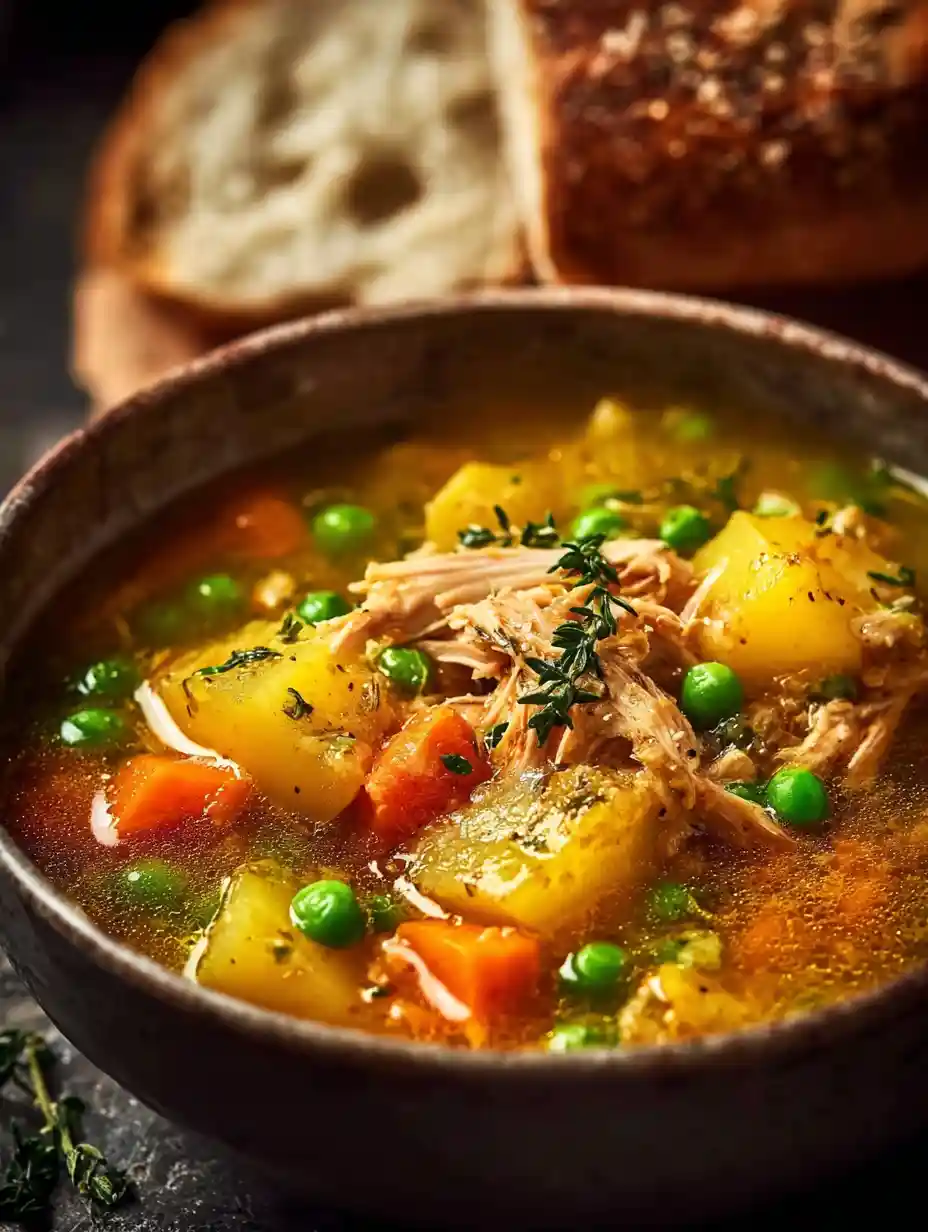
More Comforting Soups You’ll Love
If you enjoyed this recipe, be sure to explore these cozy favorites from our soup collection:
- Chicken Pot Pie Soup – classic pot pie richness in a velvety, comforting bowl of soup.
- Classic Vegetable Cabbage Soup – nourishing garden vegetable soup with sweet simmered green cabbage.
Hearty Chicken and Vegetable Stew
Ingredients
Method
- Gather all ingredients, clean prep surfaces, and measure out your seasonings. Wash your fresh produce in cold water and slice all vegetables into uniform, bite-sized pieces so that every mouthful cooks evenly.
- Set your primary cooking vessel (heavy skillet, Dutch oven, or soup pot) over medium heat on your stovetop, or preheat your oven to the exact target baking temperature specified in the recipe. Add your cooking fat (olive oil or butter) and allow it to shimmer.
- Add your aromatic vegetables (diced onions, carrots, and celery) to the hot fat. Cook gently over medium heat for 5 to 7 minutes until tender, translucent, and sweet, stirring in the minced garlic during the final 60 seconds so it blooms without burning.
- Introduce your primary protein or core ingredients along with your dry herb and spice seasonings. Stir thoroughly for 2 to 3 minutes to coat every surface in the savory aromatic oil and allow the spices to toast lightly.
- Pour in your cooking broths, sauces, or fold in your blended dressings. Bring the mixture to a gentle, steady simmer over medium-low heat, stirring well to incorporate all the caramelized flavor from the bottom of the pan.
- Cover with a tight-fitting lid or transfer to the preheated oven. Cook for the recommended duration (40 minutes) until the food reaches safe internal temperature (165°F for poultry, or fork-tender for vegetables and soups).
- Remove the dish from heat and allow it to rest undisturbed for 5 minutes. Taste carefully to evaluate seasoning, adjust with a fresh squeeze of lemon juice, sea salt, or cracked pepper, and serve warm or chilled as intended with fresh herbs on top.