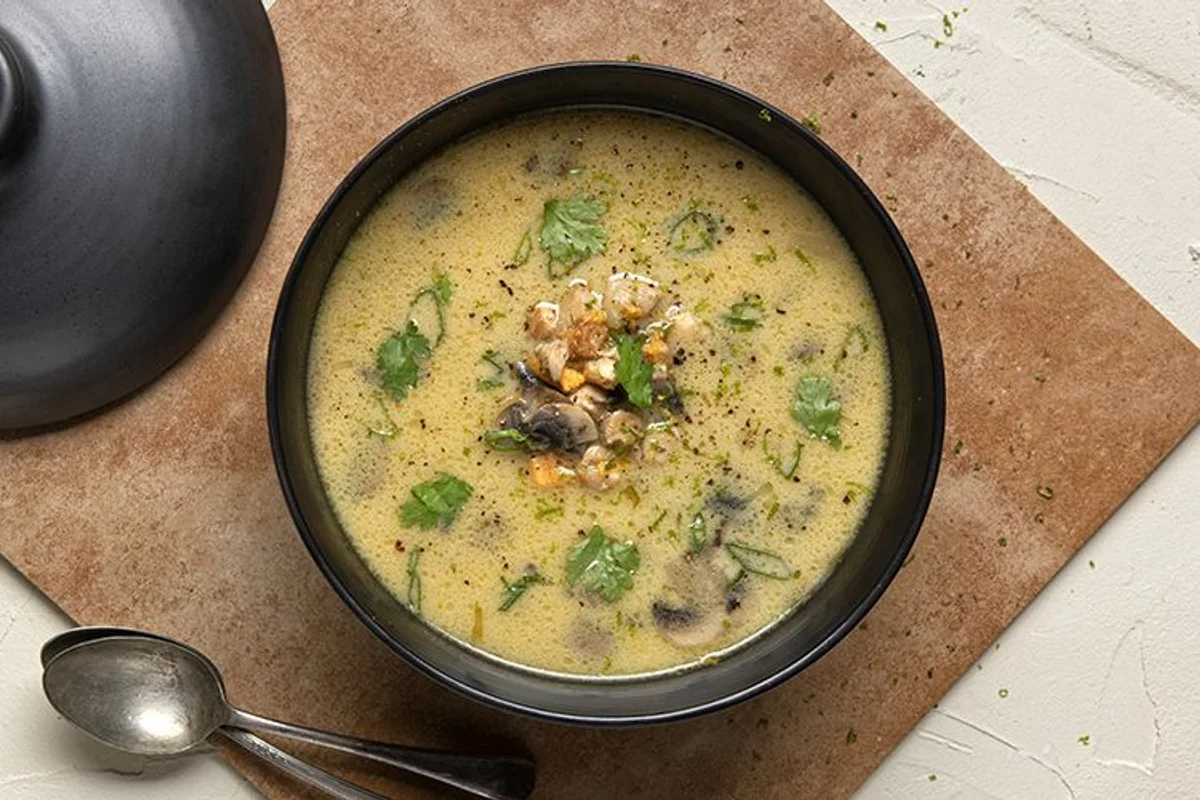

Why Make Curry Lentil Soup
Choosing to make curry lentil soup is an investment in both your well-being and your pantry’s potential. In an era where we often find ourselves reaching for processed convenience foods, this soup stands as a testament to the power of whole, unrefined ingredients. Lentils are a nutritional powerhouse, acting as a fantastic source of plant-based protein and fiber. They are incredibly shelf-stable, meaning you likely already have the foundation for a world-class meal sitting in your cupboard. Unlike beans, which often require overnight soaking and hours of boiling, lentils are the “fast food” of the legume world, cooking up in a fraction of the time while offering a superior ability to absorb the flavors of the broth they simmer in. From a budget perspective, few dishes offer as much value as this one. A single bag of dried lentils costs very little, yet when combined with basic aromatics like onions, carrots, and celery, it transforms into a massive pot of food that can feed a family or provide a week’s worth of meal-prep lunches. It is the ultimate “clean out the crisper drawer” recipe. Have a stray sweet potato? Dice it up and toss it in. A handful of kale that’s seen better days? It will wilt beautifully into the spiced broth. This soup is forgiving, adaptable, and incredibly rewarding for the home cook who wants to maximize flavor without breaking the bank. Beyond the practicalities, making this soup is a lesson in the art of layering flavors. You start with the foundational sweetness of sautéed vegetables, move into the pungent aromatics of garlic and ginger, and then introduce a tapestry of spices that build a complex profile. By making this at home, you have total control over the intensity of the heat and the saltiness of the broth. You aren’t beholden to the often-muted or overly salty profiles of canned soups. Instead, you are creating a vibrant, living dish that can be tailored to your exact palate. It is a culinary exercise that builds confidence, teaching you how a simple squeeze of lemon at the very end can brighten an entire pot of earthy flavors. Finally, there is the undeniable comfort factor. Curry lentil soup is a “hug in a bowl.” It is the kind of food you want when you’re feeling under the weather, when the rain is drumming against the window, or when you’ve had a long day and need something that feels nourishing rather than just filling. The warm spices have a way of soothing the senses, and the hearty texture provides a sense of fullness that is deeply satisfying. It is a dish that invites you to slow down, to savor the aroma, and to appreciate the simple magic of turning dry pulses and spices into a steaming, golden masterpiece.Why You’ll Love This Curry Lentil Soup
You will love this soup because it strikes the perfect chord between being incredibly healthy and undeniably indulgent. Often, “healthy” soups can feel thin or watery, leaving you searching for a snack an hour later. This curry lentil soup is the opposite. Thanks to the natural starches in the lentils and the optional addition of velvety coconut milk, the texture is rich and substantial. It coats the back of a spoon and feels heavy in the best way possible. It provides a level of satiety that is usually reserved for much heavier, meat-based stews, making it a favorite even for those who typically don’t reach for vegetarian options. The flavor profile is another reason this recipe will become a staple in your rotation. It isn’t just “spicy” in terms of heat; it is “spiced” in terms of depth. The combination of cumin, turmeric, and curry powder creates a golden base that is savory, slightly sweet, and wonderfully aromatic. The addition of ginger provides a fresh, peppery bite that cuts through the earthiness of the lentils, while the garlic adds that essential savory backbone. Every bite offers something new—a hint of sweetness from the carrots, a pop of acidity from the tomatoes, and a refreshing finish from the cilantro and lemon. It is a multi-dimensional experience that keeps your palate engaged from start to finish. Ease of preparation is a major selling point for this particular recipe. While the final product tastes like it has been simmering on the back of a stove for an entire afternoon, the active work time is minimal. Once you’ve finished the initial chopping and the brief sautéing of the aromatics, the soup mostly looks after itself. It is a “set it and forget it” kind of meal that allows you to go about your evening while the kitchen fills with an intoxicating scent. This makes it ideal for busy weeknights when you want a home-cooked meal but don’t have the energy for complex techniques or a sink full of dirty dishes. Furthermore, this soup is a champion of leftovers. In fact, many people argue that it tastes even better the next day. As the soup sits in the refrigerator, the spices have more time to mingle and marry, and the lentils continue to soften and release their starches, creating an even thicker, more stew-like consistency. It packs perfectly in a thermos for work or school, and it freezes like a dream. Knowing you have a container of this golden liquid gold waiting in the freezer is a wonderful safety net for those days when cooking feels impossible. It is a recipe that gives back long after the initial pot is made.Ingredients and Substitutions
- 1 tablespoon olive oil (or ghee)
- 1 medium onion, chopped
- 2 carrots, diced
- 2 stalks celery, diced (optional)
- 3 cloves garlic, minced
- 1 tablespoon fresh ginger, minced (or 1 teaspoon ground ginger)
- 2 tablespoons mild curry powder
- 1 teaspoon ground cumin
- 1/2 teaspoon turmeric
- Pinch cayenne or red pepper flakes (optional)
- 1 cup dried red lentils, rinsed (or use brown/green)
- 4 cups vegetable broth (or chicken broth)
- 1 can (14 oz) coconut milk (optional for creaminess)
- 1 can (14.5 oz) diced tomatoes or 1 tablespoon tomato paste (optional)
- 1 teaspoon fine salt, plus more to taste
- Black pepper, to taste
- 1–2 cups baby spinach or chopped kale (optional)
- Juice of 1/2 lemon or 1 tablespoon lime
- Fresh cilantro or parsley, for garnish
How to Make Curry Lentil Soup
Creating a perfect pot of curry lentil soup is a process that rewards patience and attention to detail. While the steps are straightforward, the way you execute them—the heat of the pan, the timing of the spices, and the visual cues you look for—will determine whether you have a “good” soup or a “legendary” one. It is a process of building layers, ensuring that each ingredient has its moment to shine before the next is added. This method ensures that the final product isn’t just a jumble of flavors, but a cohesive and sophisticated dish.Step-by-Step Cooking Instructions
Step 1: Heat olive oil in a large pot over medium heat.
Choose a heavy-bottomed pot, such as a Dutch oven, if you have one. These pots distribute heat more evenly and retain it better, which is crucial for a gentle simmer. As the oil heats, look for it to shimmer and thin out across the bottom of the pan. It should be hot enough that a piece of onion dropped in sizzles immediately, but not so hot that the oil begins to smoke. This initial stage is about preparing a warm, inviting environment for your aromatics to begin their transformation.Step 2: Add onion, carrots, and celery. Cook for 5–6 minutes until soft.
As the vegetables hit the oil, you should hear a gentle, consistent hiss. This is the sound of moisture evaporating and flavors concentrating. Use a wooden spoon to stir them occasionally, ensuring they are all coated in the oil. You aren’t looking for dark browning here; instead, you want the onions to become translucent and the carrots to lose their rigidity. The kitchen should begin to smell sweet and savory. If the vegetables start to brown too quickly, turn the heat down slightly. The goal is a gentle softening that creates a sweet, foundational base.Step 3: Add garlic and ginger. Cook for 1 minute until fragrant.
Garlic and ginger are delicate. If left too long in a hot pan without liquid, they can turn bitter. When you add them, stir constantly. Within thirty seconds, the aroma will change—it will go from raw and sharp to warm, spicy, and incredibly inviting. This is one of the best moments in the cooking process. As soon as you can smell the ginger clearly across the kitchen, you know it’s time to move to the next step.Step 4: Stir in curry powder, cumin, turmeric, and cayenne. Cook for 30–60 seconds.
This is a technique often called “blooming” the spices. By letting the dry spices sit in the hot oil for just a minute, you awaken their essential oils and deepen their flavor profile. You will see the oil turn a vibrant, dark gold or orange. Be careful not to let them burn; the spices should smell toasted and rich, not acrid. This short window of time is what gives the soup its characteristic “restaurant-quality” depth.Step 5: Stir in rinsed lentils, broth, and tomatoes or tomato paste (if using). Bring to a boil.
Pour in the lentils and stir them around so every single grain is coated in the spiced oil. Then, add your broth and tomatoes. The liquid will immediately pick up the golden hue of the spices. Turn the heat up to medium-high. You are looking for the liquid to reach a “rolling boil,” where bubbles are breaking the surface rapidly. This ensures the entire pot is up to temperature before you drop it down for the long simmer.Step 6: Reduce heat to low, cover slightly, and simmer until lentils are tender. Red lentils: 18–22 minutes; Brown/green lentils: 30–35 minutes (add 1–2 cups more broth if needed).
This is where the magic happens. Once the pot hits a boil, turn the heat down to low. You want a “lazy” bubble—just a few pops here and there. Covering the pot slightly (leaving a small crack for steam to escape) helps maintain a steady temperature without the liquid evaporating too quickly. If you are using red lentils, watch as they begin to soften and lose their shape, turning the soup thick and creamy. If using brown or green, they will stay distinct. If the soup looks too thick or the lentils aren’t covered, don’t hesitate to add a splash more broth or water.Step 7: If desired, stir in coconut milk and warm through for 2–3 minutes.
If you choose to use coconut milk, this is the moment of transformation. As you pour in the white, creamy milk, the soup will shift from a deep orange-brown to a soft, pale gold. The texture will immediately become silkier. You don’t want to boil the soup vigorously once the coconut milk is in; just let it come back to a gentle simmer so the flavors can integrate.Step 8: Add spinach to wilt for 1–2 minutes. Season with salt and pepper. Stir in lemon juice to taste.
The residual heat of the soup is more than enough to cook the spinach. Stir it in and watch as the bright green leaves collapse into the golden broth. Now, the most critical part: seasoning. Add your salt and pepper, then the lemon juice. Taste a spoonful. Does it need more salt? Does it need more “pop” (add more lemon)? Trust your taste buds. This is where you fine-tune the balance between earthy, salty, and bright.Step 9: Ladle into bowls and top with fresh herbs. Add chili flakes or a dollop of yogurt if you like.
Presentation is the final touch. A generous sprinkle of fresh cilantro provides a burst of freshness that contrasts beautifully with the warm soup. If you like a bit of extra creaminess or a cooling element, a dollop of plain yogurt or a swirl of extra coconut milk on top looks beautiful and tastes even better. A few extra red pepper flakes can provide a visual hint of the warmth within.Storage & Reheating
One of the greatest strengths of curry lentil soup is how beautifully it stores. Because lentils are robust and the spices are stable, this soup is a prime candidate for batch cooking. If you find yourself with a large pot of leftovers, simply allow the soup to cool to room temperature before transferring it to airtight containers. In the refrigerator, the soup will stay fresh and delicious for 4 to 5 days. You may notice that the soup thickens significantly as it chills; this is because the lentils continue to absorb liquid even after the heat is turned off. When it comes to reheating, the stovetop is always the preferred method for maintaining the best texture. Place the desired amount of soup in a small saucepan over medium-low heat. Because the soup will have thickened in the fridge, you will almost certainly need to add a splash of water or broth to loosen it back up to your preferred consistency. Stir frequently to ensure it heats evenly and doesn’t stick to the bottom of the pan. If you are in a rush, a microwave works perfectly well—just be sure to cover the bowl to prevent splattering and stir halfway through the heating cycle. For long-term storage, this soup is an absolute champion in the freezer. It can be frozen for up to 3 months without any significant loss in quality. A pro-tip for freezing is to use individual-sized freezer bags or containers. This allows you to thaw only what you need for a single meal. To thaw, simply place the container in the refrigerator overnight, or use the defrost setting on your microwave. If the soup was made with coconut milk, you might notice a slight separation after freezing; a good stir during the reheating process will bring the creamy emulsion right back together. It is worth noting that the “bright” flavors of the soup—specifically the lemon juice and the fresh herbs—tend to fade slightly during storage and reheating. To bring the soup back to its original glory, I highly recommend adding a fresh squeeze of lemon and a new sprinkle of cilantro just before serving your leftovers. This small step makes the soup taste as though it was just pulled off the stove for the first time, reviving the vibrant acidity that makes this recipe so special.(FAQs)
Can I use canned lentils instead of dried?
Yes, you certainly can. If you are using canned lentils, you will want to skip the long simmering stage in Step 6. Simply add the rinsed canned lentils along with the broth and tomatoes, bring to a simmer for about 5–10 minutes to let the flavors meld, and then proceed with the coconut milk and greens. Keep in mind that canned lentils are usually brown or green, so the soup will have a more textured, less creamy consistency than if you used dried red lentils.
Is this soup spicy?
As written, this soup is medium-mild. Most “mild” curry powders provide a lot of flavor without a lot of “burn.” The heat primarily comes from the optional cayenne or red pepper flakes. If you are sensitive to spice, omit the cayenne and start with just one tablespoon of curry powder. If you love heat, feel free to use a “hot” curry powder blend or add a diced jalapeño in with the onions and carrots.
What should I serve with curry lentil soup?
While this soup is a complete meal on its own, it pairs beautifully with several sides. A piece of warm, buttery naan or garlic pita bread is perfect for dipping. If you want to keep it even heartier, you can serve the soup over a scoop of basmati rice or quinoa. For a fresh contrast, a simple side salad with a cucumber-yogurt dressing or a crisp apple slaw works wonderfully to balance the warm, earthy spices of the soup.
My soup turned out too thick. How do I fix it?
This is a very common occurrence, especially with red lentils which act as a natural thickener. The fix is incredibly simple: just stir in more liquid. Add vegetable broth or water, 1/4 cup at a time, until you reach your desired consistency. Remember to taste and adjust the salt and lemon juice after thinning the soup, as the extra liquid will dilute the seasonings slightly.
Can I make this in a slow cooker or Instant Pot?
Absolutely. For a slow cooker, sauté the aromatics and spices in a pan first (for best flavor), then add everything except the coconut milk, spinach, and lemon to the slow cooker. Cook on low for 6–8 hours or high for 3–4 hours. For an Instant Pot, use the sauté function for the vegetables and spices, then add the lentils and broth. Seal and cook on high pressure for 5 minutes (red lentils) or 15 minutes (brown lentils), followed by a natural pressure release. Stir in the final ingredients at the end.
Why do I need to rinse the lentils?
Rinsing lentils is an important step for two reasons. First, it removes any dust, debris, or small stones that might have made their way into the bag during harvesting. Second, it washes away some of the excess surface starches, which can help prevent the soup from becoming overly “slimy” and can also make the lentils slightly easier to digest for some people. Simply place them in a fine-mesh strainer and run cold water over them until the water runs clear.

More Comforting Soups You’ll Love
If you enjoyed this recipe, be sure to explore these cozy favorites from our soup collection:
- Thai Red Curry Lentil Soup – warm red curry lentil soup infused with coconut milk and garden aromatics.
- Flavorful Spicy Lentil Soup – zesty, robust lentil soup with warm chili spices and tender root vegetables.
Curry Lentil Soup
Ingredients
Method
- Heat olive oil in a large pot over medium heat.
- Add onion, carrots, and celery. Cook for 5–6 minutes until soft.
- Add garlic and ginger. Cook for 1 minute until fragrant.
- Stir in curry powder, cumin, turmeric, and cayenne. Cook for 30–60 seconds.
- Stir in rinsed lentils, broth, and tomatoes or tomato paste (if using). Bring to a boil.
- Reduce heat to low, cover slightly, and simmer until lentils are tender. Red lentils: 18–22 minutes; Brown/green lentils: 30–35 minutes (add 1–2 cups more broth if needed).
- If desired, stir in coconut milk and warm through for 2–3 minutes.
- Add spinach to wilt for 1–2 minutes. Season with salt and pepper. Stir in lemon juice to taste.
- Ladle into bowls and top with fresh herbs. Add chili flakes or a dollop of yogurt if you like.