
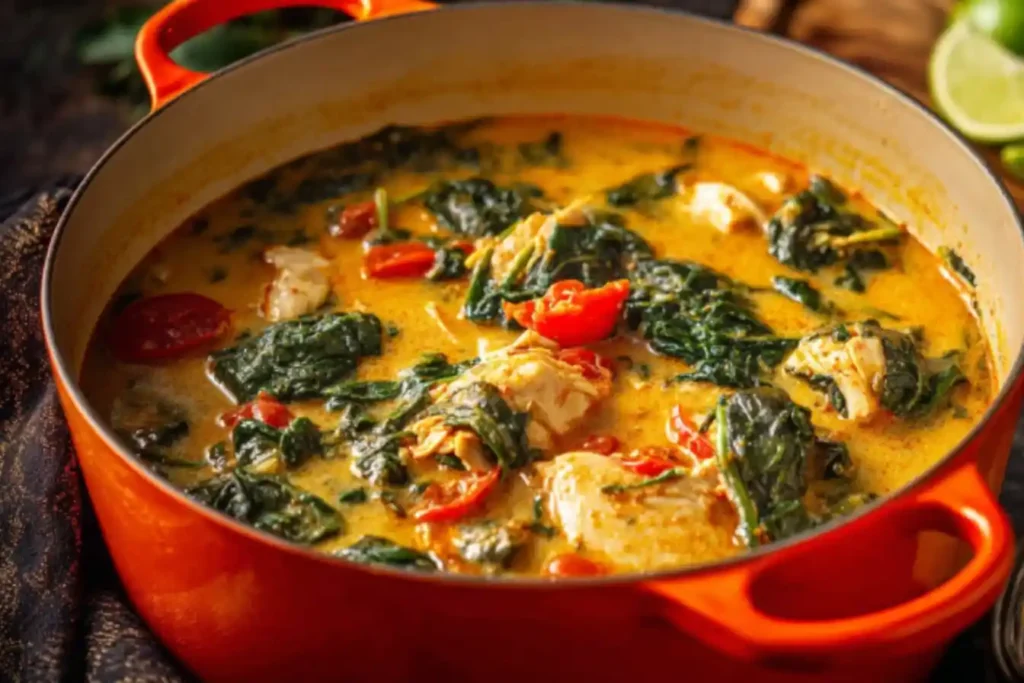
Why Make Chicken Coconut Red Curry Soup
In the modern world of fast food and instant gratification, the act of making a homemade soup from scratch is a profound gesture of self-care and hospitality. Chicken Coconut Red Curry Soup stands out as a premier choice for the home cook for several reasons, primarily its incredible balance of nutritional density and high-impact flavor. Unlike many heavy, cream-based soups that can leave you feeling sluggish, this soup uses coconut milk to provide a luxurious mouthfeel while remaining naturally dairy-free. It is a powerhouse of ingredients known for their wellness-supporting properties, such as ginger and garlic, making it the ideal meal to serve during the colder months or whenever someone in the house is feeling a bit under the weather. The culinary virtue of this dish lies in its accessibility. While the flavor profile suggests hours of laborious simmering and a pantry full of exotic spices, the reality is that a masterful red curry soup can be achieved in under forty minutes. It is a “bridge” recipe—one that connects the simplicity of a weekday dinner with the sophistication of a gourmet meal. For the home educator, this recipe serves as a perfect lesson in the importance of balancing flavors. You aren’t just following steps; you are learning how to manage the “Big Four” of Southeast Asian cuisine: spicy (curry paste), salty (fish sauce), sour (lime juice), and sweet (brown sugar). Mastering this balance is a skill that will elevate every other dish you cook. Furthermore, this soup is exceptionally versatile. It adapts to the seasons with ease. In the deep of winter, you might lean into heavier root vegetables or serve it over a bed of steaming jasmine rice to make it even heartier. In the spring, you can lighten the load with snap peas and asparagus. It is a forgiving recipe that welcomes experimentation, allowing you to use whatever produce is freshest at your local market. Beyond the plate, there is the communal joy of a large pot of soup. It is a meal designed for leftovers, often tasting even better the next day as the spices have more time to meld and deepen. Making this soup is an investment in your future self’s lunch and a guaranteed way to bring a sense of warmth and accomplishment to your kitchen.Why You’ll Love This Chicken Coconut Red Curry Soup
There are recipes that you make once and forget, and then there are recipes that become part of your permanent rotation, the ones requested for birthdays and long-awaited reunions. This soup falls firmly into the latter category. The reason people fall in love with this dish is the immediate “wow” factor it delivers. From the first spoonful, you are hit with a complexity of flavor that feels far more expensive and difficult to achieve than it actually is. It satisfies the craving for something rich and indulgent while providing the lightness of a vegetable-forward broth.Cozy Flavor with Everyday Ingredients
One of the most surprising aspects of this soup is how it transforms standard grocery store staples into something extraordinary. You don’t need a specialized larder to create an authentic-tasting red curry. Most modern supermarkets carry high-quality red curry pastes and canned coconut milk, which do the heavy lifting for you. When combined with the freshness of ginger and garlic, these ingredients create a “cozy” profile—a term often reserved for stews and roasts, but one that fits this soup perfectly. The coconut milk provides a fatty richness that coats the palate, acting as a buffer for the heat of the curry paste, while the chicken broth adds a savory depth that keeps the soup from feeling too sweet. The presence of the fresh lime juice at the end is the secret weapon. It cuts through the creaminess, brightening the entire dish and making the flavors of the bell peppers and carrots pop. It is this interplay between the heavy and the light, the spicy and the bright, that creates a “craveable” quality. You’ll find yourself reaching for one more ladleful just to experience that perfect balance again. It’s a dish that feels sophisticated enough for a dinner party but is simple enough to become your go-to “I don’t know what to cook” solution.Quick to Make, Easy to Love
In our busy lives, time is the ultimate luxury. This Chicken Coconut Red Curry Soup is a gift to the time-pressed cook. Because the chicken is cut into bite-sized pieces, it cooks incredibly quickly, ensuring it stays tender and juicy rather than becoming tough or dry. The vegetables are sliced thin so they soften in the time it takes to bring the broth to a gentle simmer. From the moment you start slicing your onion to the moment you garnish with cilantro, you are looking at a window of about thirty to forty minutes. This efficiency doesn’t come at the cost of quality. Because we “fry” the curry paste in the oil with the aromatics early in the process, we unlock the essential oils in the spices, creating a depth of flavor that usually requires hours of cooking. It is a high-reward, low-effort masterpiece. Once you have the basic technique down, you can whip this up with your eyes closed, making it a reliable staple for those nights when you want a home-cooked meal but don’t have the energy for a complex project. It is easy to love because it respects your time while rewarding your taste buds.Ingredients and Substitutions
The success of a soup like this depends on the quality and harmony of its ingredients. Each component has a specific role to play, whether it’s providing the structural base, the protein hit, or the final aromatic flourish. Understanding these ingredients allows you to become a more intuitive cook, knowing when to follow the recipe strictly and when you have the freedom to pivot based on what’s in your refrigerator.What You’ll Need for This Recipe
- 1 tbsp Oil: You can use vegetable, canola, or grapeseed oil for a neutral base, but coconut oil is the gold standard here. It reinforces the coconut flavor of the soup and has a high smoke point that is perfect for sautéing the aromatics.
- 1 Small Onion: A yellow or white onion works best. Sliced thinly, it provides a foundational sweetness and a bit of texture. As it cooks, it softens and nearly disappears into the broth, adding body.
- 2 Cloves Garlic: Freshly minced garlic is essential. It provides a sharp, savory pungency that balances the sweetness of the coconut milk. Avoid the jarred pre-minced variety if possible, as it lacks the vibrant oils found in fresh cloves.
- 1 tbsp Fresh Ginger: Grated ginger adds a spicy, citrusy heat that is distinct from the chilies in the curry paste. It provides an aromatic “lift” to the soup and is a key component of the dish’s warming qualities.
- 2 tbsp Red Curry Paste: This is the heart of the dish. Most commercial red curry pastes are a blend of red chili peppers, garlic, lemongrass, galangal, coriander root, and sometimes shrimp paste. Brand matters here; some are much spicier than others, so start with two tablespoons and adjust to your heat tolerance.
- 1 Can Coconut Milk (14 oz): Use full-fat coconut milk for the best results. The fat is what carries the flavor of the spices and provides that signature silky texture. Light coconut milk can be used, but the soup will be thinner and less rich.
- 3 Cups Chicken Broth: A high-quality chicken stock or broth provides the savory liquid base. If you use store-bought, look for low-sodium options so you can control the final saltiness of the soup yourself.
- 1 lb Boneless Chicken: Chicken thighs are preferred by many chefs for their moisture and flavor, but boneless, skinless breasts work beautifully if you prefer a leaner protein. Cutting them into uniform, bite-sized pieces ensures even cooking.
- 1 Cup Carrots: Sliced into thin rounds or matchsticks, carrots add a natural sweetness and a lovely crunch. They also provide a boost of beta-carotene and a bright orange hue.
- 1 Cup Bell Pepper: Red, yellow, or orange peppers are best as they are sweeter than green ones. They add a fresh, crisp texture and contribute to the soup’s vibrant color palette.
- 1 Cup Baby Spinach or Kale: These greens are added at the very end to provide a nutritional punch and a pop of dark green color. Spinach wilts instantly, while kale adds a bit more chew and hardiness.
- 1 tbsp Fish Sauce or Soy Sauce: Fish sauce is the traditional choice, providing a deep, salty umami that salt alone cannot replicate. If you are sensitive to the smell of fish sauce, soy sauce or tamari is an excellent substitute.
- 1 tbsp Brown Sugar or Honey: A touch of sweetness is necessary to balance the heat of the curry and the acidity of the lime. It rounds out the flavors, making the soup taste complete.
- Juice of 1 Lime: Never skip the lime! The acidity acts as a highlighter, bringing all the other flavors into sharp focus. It cuts through the richness of the coconut milk and freshens the entire pot.
- Salt and Pepper: These are used to fine-tune the seasoning at the very end. Always taste before adding, as the curry paste and fish sauce already contain significant salt.
- Fresh Cilantro and Lime Wedges: These garnishes are not just for looks. Fresh cilantro adds a herbal note that complements the ginger, and extra lime wedges allow each diner to customize their bowl’s acidity.
Smart Swaps for Dietary Needs
One of the reasons this recipe is a masterclass in home cooking is its adaptability. You can easily modify the ingredients to suit various dietary requirements without sacrificing the essence of the dish.- For a Vegan or Vegetarian Version: Replace the chicken with extra-firm tofu cubes, chickpeas, or a mix of hearty mushrooms like shiitake or cremini. Substitute the chicken broth with a rich vegetable stock, and use soy sauce or tamari instead of fish sauce. Ensure your red curry paste does not contain shrimp paste (many brands like Thai Kitchen are vegan-friendly).
- For a Gluten-Free Version: This recipe is naturally gluten-free if you use a gluten-free chicken broth and fish sauce. If substituting soy sauce, ensure you use tamari, which is the gluten-free equivalent. Always check the label on your curry paste to ensure no wheat-based thickeners were used.
- For a Low-Sodium Version: Use “no salt added” chicken broth and reduce the amount of fish sauce or soy sauce. You can compensate for the lower salt by increasing the amount of fresh ginger, garlic, and lime juice to keep the flavors bold.
- For a Low-Carb or Keto Version: This soup is already quite low in carbs. To make it strictly keto-friendly, ensure you use full-fat coconut milk and replace the brown sugar with a keto-approved sweetener like erythritol or simply omit the sweetener altogether. The carrots can be swapped for lower-carb veggies like zucchini or cauliflower.
- For a Dairy-Free Version: Good news! This soup is already 100% dairy-free, as it relies on coconut milk for its creaminess.
Smart Variation (Optional)
If you want to turn this soup into a more substantial meal, you can easily add noodles. Rice vermicelli or wide rice noodles are traditional and soak up the broth beautifully. Simply cook the noodles separately according to the package directions and add them to the bowls just before ladling in the soup. This prevents the noodles from overcooking and absorbing all the precious liquid in the pot. For a different texture, you could also serve the soup over a scoop of steamed jasmine rice or even quinoa for a modern twist. Another popular variation is adding a handful of bamboo shoots or water chestnuts for an authentic crunch that contrasts with the tender chicken.How to Make Chicken Coconut Red Curry Soup
Cooking is an art, but it is also a sequence of logical steps designed to build flavor layers. Following these instructions carefully will ensure that your aromatics are toasted but not burnt, your chicken is succulent, and your vegetables retain their vibrant color and texture. Let’s walk through the process of creating this culinary masterpiece in your own kitchen.Step 1: Begin by placing a large, heavy-bottomed pot or a Dutch oven over medium heat. Add your choice of oil—vegetable or coconut. Once the oil is shimmering and hot, add the sliced onion. The goal here isn’t to brown the onion until it’s caramelized, but rather to “sweat” it. Cook for about 3–4 minutes, stirring occasionally, until the onion becomes translucent and soft. This creates a sweet, mellow base for the more aggressive spices that follow.
Step 2: Once the onions are soft, it’s time to introduce the aromatics. Add the minced garlic and the freshly grated ginger to the pot. Stir them constantly for about 30 seconds. Garlic and ginger can burn quickly, and burnt garlic becomes bitter, which would ruin the delicate balance of the soup. You’ll know they are ready when the kitchen is suddenly filled with a sharp, spicy, and irresistible fragrance.
Step 3: Now, add the red curry paste directly into the center of the pot. Use your wooden spoon to break it up and stir it into the onion, garlic, and ginger mixture. Cook the paste for about 1 minute. This is a crucial step known as “blooming” the spices. The heat releases the fat-soluble flavors in the curry paste, making the final soup much more flavorful and aromatic than if you simply stirred the paste into the liquid later.
Step 4: Pour in the can of coconut milk and the three cups of chicken broth. As you pour, use your spoon to scrape the bottom of the pot, incorporating any bits of paste or aromatics that may have stuck. This is where the soup takes on its beautiful, creamy, sunset-orange color. Give it a good whisk or stir to ensure the coconut milk is fully emulsified with the broth.
Step 5: Gently add the bite-sized chicken pieces, the sliced carrots, and the bell peppers into the liquid. The chicken should be completely submerged. Turn the heat up slightly to bring the mixture to a simmer. A simmer is characterized by small, gentle bubbles breaking the surface; avoid a rolling boil, as high heat can toughen the chicken and cause the coconut milk to separate slightly.
Step 6: Lower the heat to maintain that gentle simmer. Let the soup cook for 10–12 minutes. During this time, the chicken will poach in the flavorful liquid, becoming incredibly tender, and the carrots will soften while still retaining a bit of their structural integrity. You can test a piece of chicken by cutting it in half; it should be opaque all the way through.
Step 7: This is the most important part of the process: the seasoning. Stir in the fish sauce (or soy sauce), the brown sugar (or honey), and the fresh lime juice. These three ingredients represent the salty, sweet, and sour pillars of the dish. After stirring, take a clean spoon and taste the broth. Does it need more salt? Add a splash more fish sauce. Is it too spicy? Add a pinch more sugar. Does it feel “flat”? Add another squeeze of lime. Trust your palate!
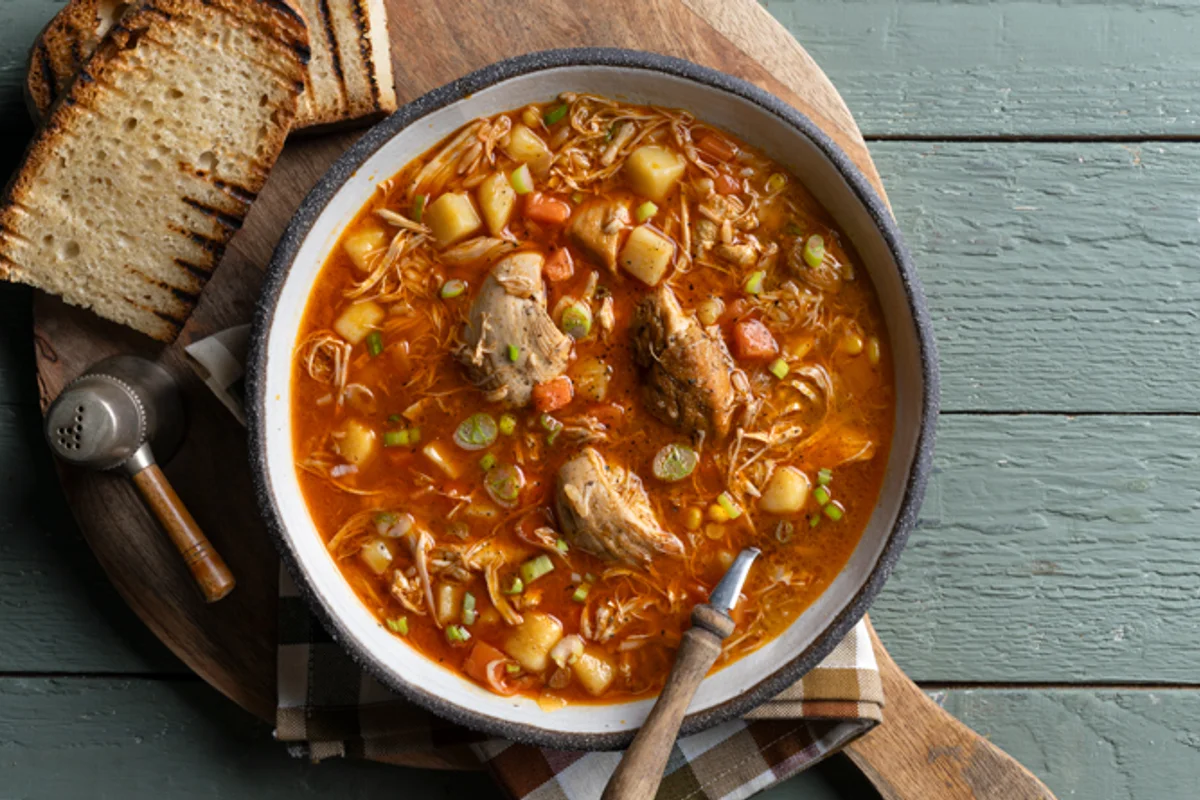
Step 8: Just before you are ready to serve, stir in the baby spinach or kale. The residual heat of the soup will wilt the greens in about 30 to 60 seconds. This keeps the greens bright and prevents them from becoming mushy or losing their nutritional value. The dark green against the red broth makes for a stunning visual presentation.
Step 9: Ladle the hot soup into deep bowls. Garnish generously with fresh cilantro leaves and serve with extra lime wedges on the side. The contrast of the hot soup and the cold, fresh garnish is the perfect finishing touch. Serve immediately while the aromas are at their peak.
Tips for Texture, Timing & Tools
To achieve professional-level results at home, keep a few technical tips in mind. First, regarding tools: a heavy-bottomed pot is superior because it distributes heat evenly, preventing “hot spots” that might burn your curry paste. If you have a Dutch oven, use it; the cast iron holds heat beautifully, keeping the soup warm even after you’ve taken it off the stove. Regarding timing, pay close attention to the size of your vegetable cuts. If you prefer your carrots very soft, slice them into thin rounds. If you like a bit of “snap,” cut them into thicker batons. Similarly, the chicken should be uniform in size. If some pieces are large and others small, the small ones will overcook and become rubbery before the large ones are safe to eat. Aim for roughly one-inch cubes. Finally, texture is everything. If you find the soup is too thin for your liking, you can let it simmer uncovered for an extra five minutes to reduce the liquid slightly. Conversely, if it’s too thick, don’t hesitate to add an extra splash of chicken broth. The goal is a “sip-able” broth that still feels substantial enough to hold the ingredients.Storage & Reheating
One of the great joys of making a big pot of soup is knowing that you have delicious meals ready for the days ahead. Chicken Coconut Red Curry Soup stores remarkably well, often developing more nuanced flavors as it sits. However, because it contains coconut milk and fresh vegetables, there are a few rules to follow to ensure it stays as delicious as the day you made it.How to Store It Right
Allow the soup to cool to room temperature before transferring it to containers. Leaving a hot pot of soup on the counter for hours is a safety risk, but putting a boiling hot container directly into the fridge can raise the internal temperature of your refrigerator. A good middle ground is to transfer the soup to smaller, shallow containers, which will cool faster. Once cooled, seal the containers tightly. The soup will stay fresh in the refrigerator for up to 3 to 4 days. If you plan on keeping it longer, you can freeze it. However, be aware that coconut milk can sometimes change texture when frozen and thawed, occasionally appearing slightly grainy. To fix this, simply give it a vigorous stir or a quick whisk during the reheating process to bring the emulsion back together. Frozen soup will last for up to 2 months.Reheating Without Losing Flavor
When you’re ready to enjoy your leftovers, the best method is to reheat the soup on the stovetop over low to medium heat. This allows the chicken to warm through gently without overcooking. Avoid the microwave if possible, as it tends to heat unevenly and can make the chicken pieces “pop” and become tough. If the soup has thickened significantly in the fridge (which often happens as the vegetables absorb some of the liquid), add a splash of water or chicken broth to loosen it up. The most important tip for reheating is to add a fresh squeeze of lime juice just before eating. The bright acidity of the original lime juice will have faded during storage, and a fresh hit will wake up all the spices and make the soup taste brand new.A Dish Worth Making Again and Again
In the landscape of home cooking, there are few dishes that offer as much satisfaction as this Chicken Coconut Red Curry Soup. It is a testament to the idea that healthy eating doesn’t have to be bland and that complex flavors don’t have to be difficult to achieve. Whether you are a novice cook looking to expand your repertoire or a seasoned pro wanting a reliable, comforting meal, this recipe delivers on every front. It is a celebration of texture, a symphony of aromatics, and a bowl full of pure, unadulterated warmth.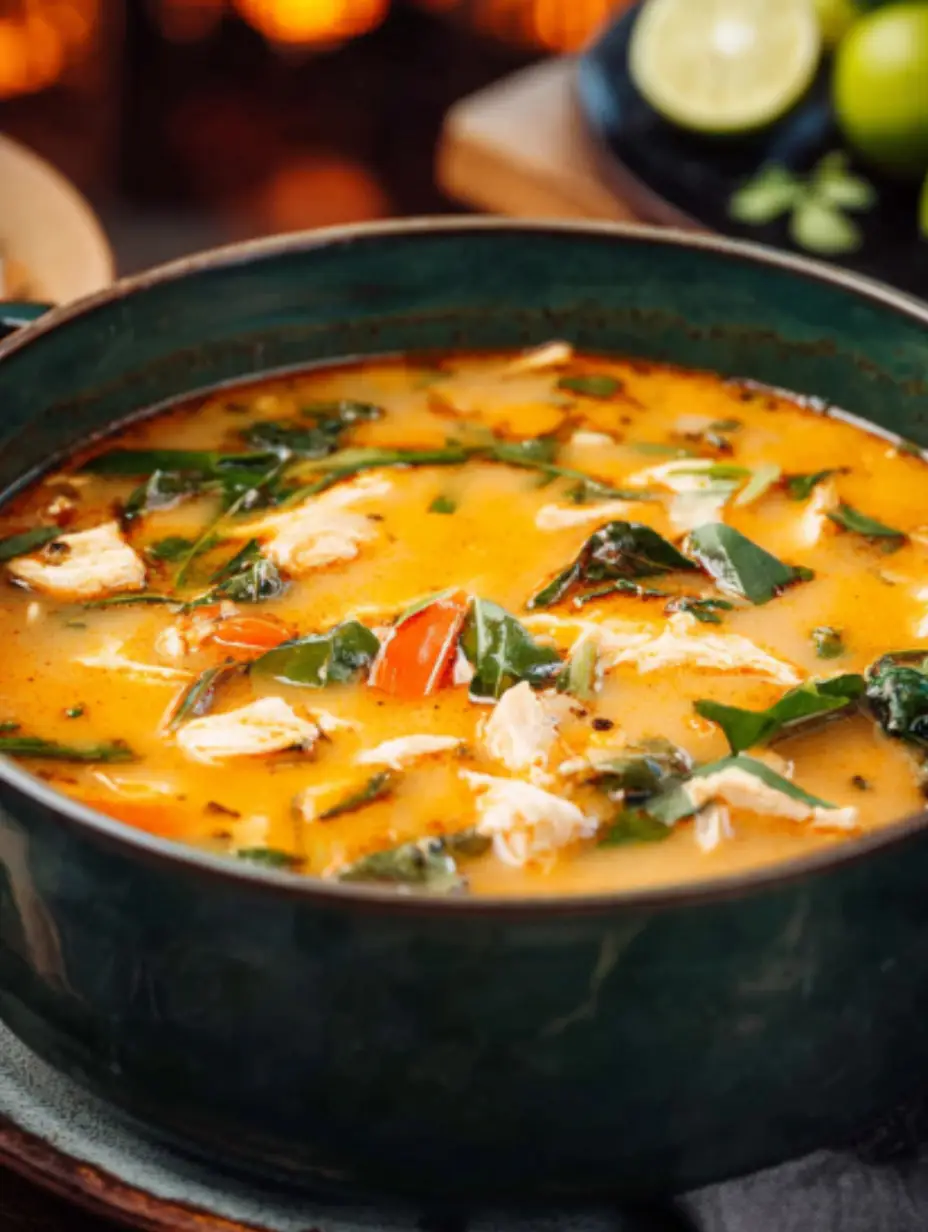
Chicken Coconut Red Curry Soup
Ingredients
Method
- Heat oil in a large pot over medium heat. Add onion and cook until soft, about 3–4 minutes.
- Stir in garlic and ginger and cook 30 seconds until fragrant.
- Add red curry paste and cook 1 minute, stirring to blend with the onion.
- Pour in coconut milk and chicken broth. Stir to combine.
- Add chicken pieces, carrots, and bell pepper. Bring to a simmer.
- Simmer gently for 10–12 minutes, until chicken cooks through and vegetables are tender.
- Stir in fish sauce (or soy sauce), brown sugar, and lime juice. Taste and add salt or more lime as needed.
- Stir in spinach or kale just before serving until wilted.
- Serve hot with cilantro and lime wedges.
Notes
🍲 More Cozy Homemade Soups to Try:
- Thai Curry Chicken Soup – golden creamy coconut chicken soup infused with warming aromatic spices
- Coconut Curry Lentil Soup – hearty protein-rich lentils in a silky coconut curry vegetable broth
(FAQs)
Can I make this soup in a slow cooker or Instant Pot?
Yes, you certainly can! For a slow cooker, sauté the onion, garlic, ginger, and curry paste in a pan first to develop the flavor, then transfer to the slow cooker with the broth, chicken, carrots, and peppers. Cook on low for 4–6 hours or high for 2–3 hours. Stir in the coconut milk, lime juice, fish sauce, sugar, and spinach at the very end to prevent the coconut milk from curdling and the spinach from overcooking. For an Instant Pot, use the sauté function for the aromatics and paste, then add the broth, chicken, and vegetables. Pressure cook on high for 8 minutes, followed by a quick release. Stir in the finishing ingredients (coconut milk, lime, etc.) after opening the lid.How do I control the spice level of the soup?
The heat in this soup comes almost entirely from the red curry paste. Different brands have vastly different heat levels. Thai Kitchen is generally considered mild and family-friendly, while brands like Mae Ploy or Maesri are much more authentic and significantly spicier. If you are sensitive to heat, start with just one tablespoon of paste. You can always stir in more at the end (though it’s better to bloom it first). If the soup ends up too spicy, adding more coconut milk or a bit more brown sugar can help neutralize the burn.What is the best way to serve this soup to make it a full meal?
While this soup is quite filling on its own, it pairs beautifully with several sides. A side of steamed jasmine rice is the most traditional accompaniment, as the rice soaks up the flavorful broth. For a crunchier element, serve it with a fresh cucumber salad dressed in rice vinegar and sesame oil. If you want to lean into the “comfort food” aspect, a piece of crusty sourdough bread or a warm baguette is perfect for dipping. To keep it light, a simple green salad with a ginger-soy dressing works wonders.Can I use different vegetables in this soup?
Absolutely. This soup is a “refrigerator clearer.” You can use broccoli florets, snap peas, green beans, or sliced mushrooms. If using harder vegetables like sweet potatoes or butternut squash, add them at the same time as the carrots to ensure they have enough time to soften. If using delicate vegetables like bok choy or frozen peas, add them in the last 2 minutes of cooking. The key is to cut the vegetables into sizes that will cook in the 10–12 minute simmering window.Is there a substitute for fish sauce if I don’t like the smell?
Fish sauce is a staple in Thai cooking because it provides umami—a deep, savory flavor. While it has a very strong, pungent smell in the bottle, that scent disappears once it’s stirred into the soup, leaving only a rich saltiness. However, if you prefer not to use it, soy sauce or tamari are the best substitutes. They provide the necessary salt and a different kind of umami. You could also use a vegan “No-Fish” sauce, which is often made from seaweed and mushrooms.Why did my coconut milk separate or look curdled?
Coconut milk is an emulsion of fat and water. It can “break” or separate if it is boiled too vigorously or if it is very old. To prevent this, keep the soup at a gentle simmer rather than a rolling boil. If your soup does separate, don’t worry—it will still taste delicious! You can often fix the appearance by giving the soup a vigorous whisk or by taking a small amount of the broth and blending it before stirring it back into the pot. Using full-fat, high-quality canned coconut milk also reduces the risk of separation.Can I use shrimp or beef instead of chicken?
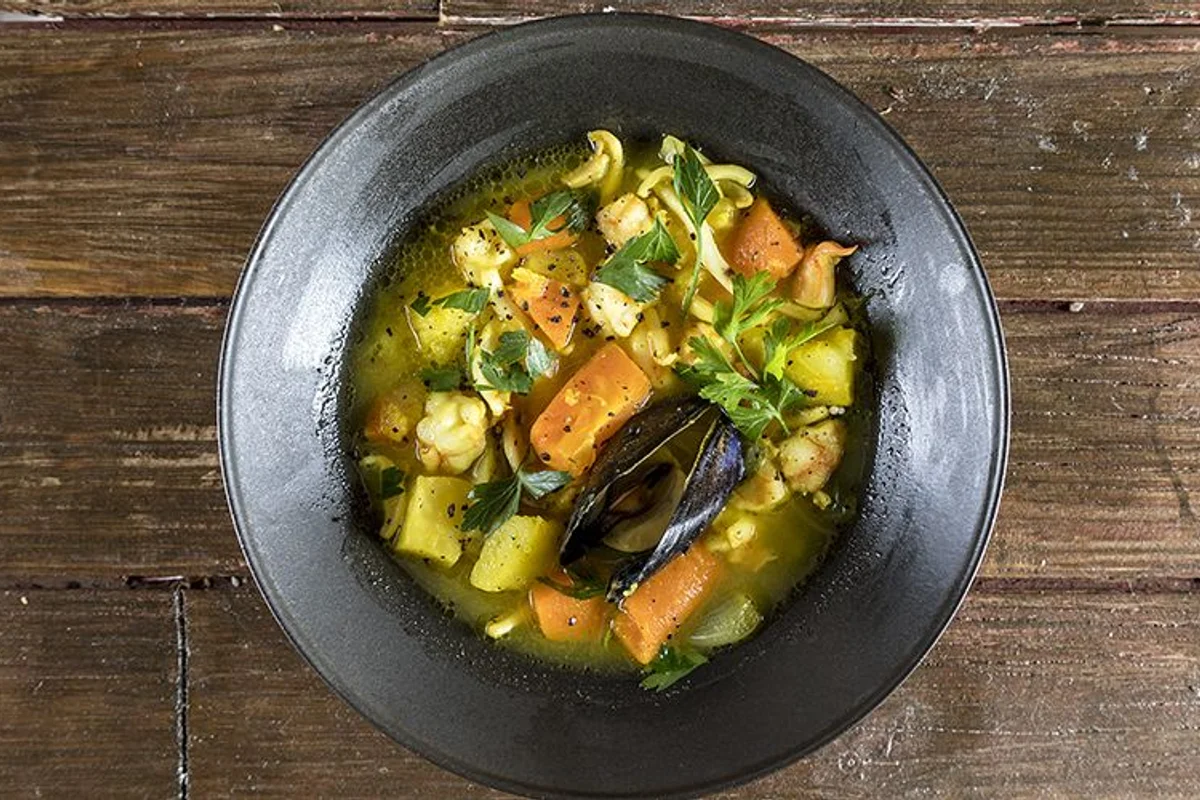
Yes, this recipe works beautifully with other proteins. For shrimp, add them in the last 3–4 minutes of simmering, as they cook very quickly and become rubbery if overdone. For beef, use a tender cut like sirloin or flank steak, sliced very thinly against the grain, and add it at the same time you would add the chicken. You could even use a combination of seafood, like mussels and shrimp, for a “Red Curry Bouillabaisse” style dish.Is red curry paste the same as curry powder?
No, they are very different. Curry powder is a dry blend of ground spices (usually turmeric, cumin, and coriander) common in Indian-inspired cooking. Red curry paste is a moist blend of fresh aromatics like chilies, lemongrass, and galangal. They have completely different flavor profiles and textures. For this recipe, you must use the paste to achieve the correct flavor and consistency. If you only have curry powder, you would be making a very different style of soup, which would lack the bright, citrusy notes characteristic of Thai red curry.Chicken Coconut Red Curry Soup
Ingredients
Method
- Heat oil in a large pot over medium heat. Add onion and cook until soft, about 3–4 minutes.
- Stir in garlic and ginger and cook 30 seconds until fragrant.
- Add red curry paste and cook 1 minute, stirring to blend with the onion.
- Pour in coconut milk and chicken broth. Stir to combine.
- Add chicken pieces, carrots, and bell pepper. Bring to a simmer.
- Simmer gently for 10–12 minutes, until chicken cooks through and vegetables are tender.
- Stir in fish sauce (or soy sauce), brown sugar, and lime juice. Taste and add salt or more lime as needed.
- Stir in spinach or kale just before serving until wilted.
- Serve hot with cilantro and lime wedges.

1 thought on “Chicken Coconut Red Curry Soup”