
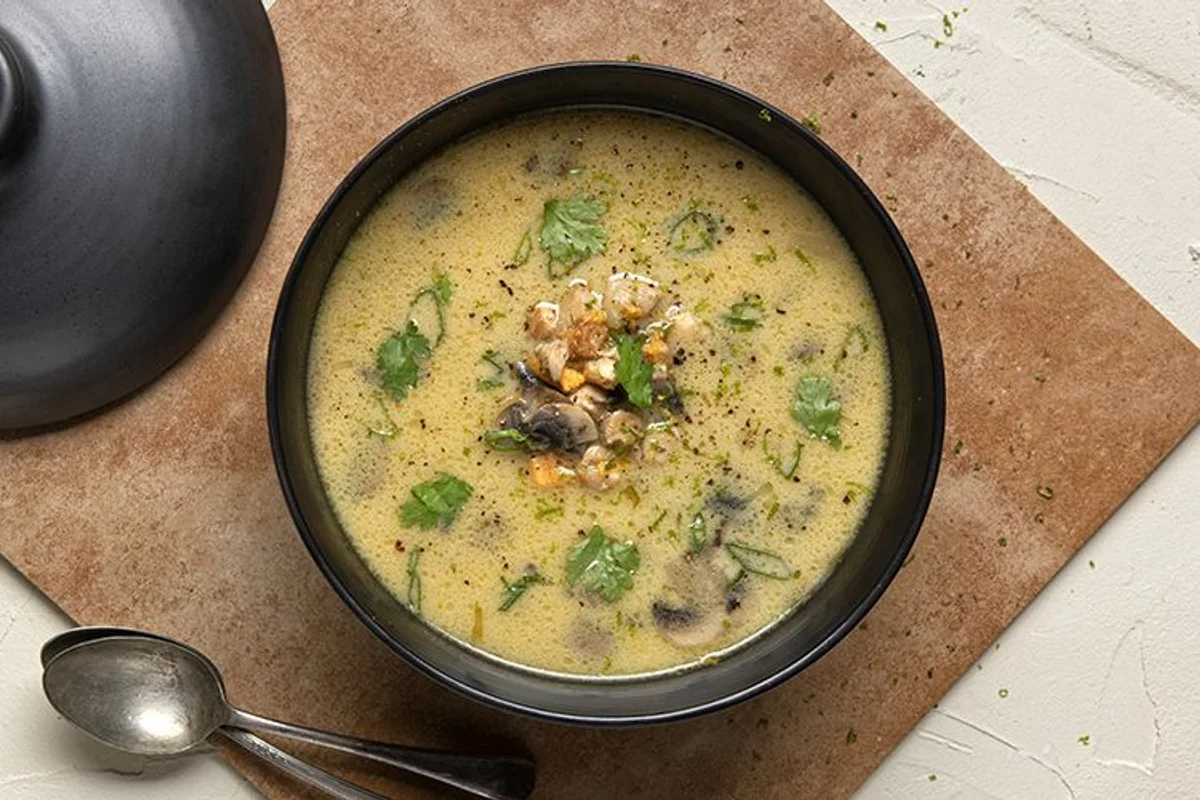
Imagine a cold, drizzly Tuesday evening where the world outside feels a bit too gray and the air carries a persistent chill that seems to settle in your bones. You step into your kitchen, the sanctuary of the home, and begin the rhythmic ritual of chopping vegetables. There is a specific kind of magic that happens when the classic, soul-soothing flavors of a traditional chicken pot pie are transformed into a velvety, spoonable soup. It is the culinary equivalent of a favorite cashmere blanket—soft, rich, and infinitely comforting. As the butter melts in the heavy-bottomed pot and the onions begin to hiss and soften, the air fills with a fragrance that promises safety and satisfaction. This isn’t just a meal; it is a warm embrace in a bowl, a way to slow down time and nourish both the body and the spirit.
The beauty of this soup lies in its incredible texture and the nostalgia it evokes. Every spoonful carries the essence of a labor-intensive pastry-topped pie, but with the ease and fluidity of a hearty chowder. You get the tender chunks of chicken, the sweetness of garden-bright carrots, and the earthy pop of green peas, all suspended in a cream-kissed broth that has been seasoned to perfection with woody thyme and savory garlic. It is a dish that appeals to the child in all of us, reminding us of Sunday dinners and grandmother’s kitchen, while possessing the sophisticated depth of flavor that a modern palate craves. It is a masterpiece of balance, where the richness of the cream is offset by the brightness of the vegetables and the savory backbone of a well-seasoned chicken stock.
As a home cook, there is a profound sense of pride in serving a dish that looks and tastes like it took hours to simmer, yet comes together with such grace and efficiency. Whether you are using the remains of a Sunday roast chicken or a convenient rotisserie bird from the market, this recipe honors the ingredients by elevating them into something spectacular. The steam rising from the pot carries the scent of home, inviting everyone to the table with an unspoken promise of comfort. This Chicken Pot Pie Soup is more than a recipe; it is a celebration of simple ingredients handled with love, a testament to the fact that the most satisfying meals are often the ones that feel the most familiar.

Why You Will Love This Chicken Pot Pie Soup
The allure of this soup begins with its sheer accessibility and the way it simplifies a complex classic. Traditional chicken pot pie, while undeniably delicious, requires the making of a crust, the chilling of dough, and the careful monitoring of an oven. This soup version strips away the stress of pastry management while retaining every single flavor profile that makes the original so iconic. It is a “one-pot wonder” that minimizes cleanup and maximizes flavor, making it the perfect candidate for a busy weeknight meal that doesn’t feel like a compromise. You get all the reward of a slow-cooked feast in a fraction of the time.
The Ultimate Comfort Factor
There is something inherently healing about chicken soup, but when you thicken that soup and add the creamy elements of a pot pie, the comfort factor is amplified tenfold. This dish sits at the intersection of a hearty stew and a delicate cream soup. It provides a sense of fullness and satiety that few other dishes can match. The warmth of the broth, the tenderness of the vegetables, and the protein-packed chicken create a nutritional profile that leaves you feeling energized rather than weighed down. It is the kind of meal that turns a house into a home, filling the rooms with an aroma that signals peace and nourishment.
Versatility for Every Kitchen
Another reason this recipe will become a staple in your repertoire is its incredible versatility. It is a “clean-out-the-fridge” hero. Do you have a few stray mushrooms? Throw them in. A handful of green beans? They’ll fit right in. It is also remarkably forgiving. Whether you prefer a thick, gravy-like consistency or a lighter, more broth-forward experience, you can easily adjust the flour and liquid ratios to suit your personal preference. Furthermore, it is a dish that ages beautifully; the flavors continue to marry and deepen in the refrigerator, making the leftovers something to actually look forward to the next day.
A Crowd-Pleaser for All Ages
From the pickiest toddlers to the most discerning adults, Chicken Pot Pie Soup is a universal favorite. Its flavors are mild yet deep, avoiding aggressive spices in favor of savory herbs and natural sweetness from the vegetables. For children, it’s a familiar and friendly meal that is easy to eat. For adults, it is a sophisticated take on a childhood favorite. When served with a side of crusty sourdough bread or warm, flaky biscuits, it becomes a complete sensory experience that satisfies everyone at the table. It is the ultimate solution for family gatherings where you want to serve something that feels special without spending the entire evening away from your guests.
Key Ingredients and Flavor Dynamics
To create a truly exceptional Chicken Pot Pie Soup, one must understand the role of each ingredient. Each component acts as a layer in a larger symphony of flavor. When you choose high-quality ingredients and treat them with respect, the final result is exponentially better. Let’s dive into the anatomy of this dish to understand how these simple items transform into culinary gold.
The Protein: Chicken as the Star
The chicken is the heart of the dish. While the recipe calls for cooked chicken, the type you choose can subtly change the character of the soup. Using a rotisserie chicken is a brilliant shortcut that adds a layer of roasted depth and seasoning that you don’t get from boiling plain breasts. If you have leftover roast chicken, the slightly charred skin and seasoned meat will provide a rustic, homemade feel. For the best texture, a mix of white and dark meat is recommended. The breast meat provides a clean, lean bite, while the thighs offer a richer flavor and a more succulent texture that stands up well to simmering.
The Mirepoix: The Holy Trinity of Flavor
Onions, carrots, and celery form the “mirepoix,” the foundational flavor base used in classical cooking. The onion provides a savory sweetness and an aromatic backbone. The carrots add a touch of natural sugar and a vibrant orange hue that makes the soup visually appealing. The celery offers a subtle, earthy saltiness and a necessary structural crunch. When these three are sautéed in butter, they release their essential oils, creating a complex base that defines the “homemade” taste. Cutting them into uniform, small dice ensures that every spoonful of soup contains a perfect balance of all three vegetables.
The Thickening Agent: Flour and Fat
The transition from a thin broth to a luxurious, pot-pie-style sauce happens through the combination of fat (butter or oil) and flour. This creates a thickening base that coats the back of a spoon. The key here is to cook the flour just long enough to remove its “raw” cereal-like taste without letting it brown too much, which would change the color and flavor profile of the soup. This technique ensures a smooth, velvety mouthfeel that is the hallmark of a great pot pie. For those with dietary restrictions, a high-quality gluten-free all-purpose flour works remarkably well as a substitute, providing the same thickening power without the gluten.
The Liquid Gold: Broth and Cream
The quality of your chicken broth is paramount. If possible, use a low-sodium broth so you have full control over the salt levels of the finished dish. A good broth provides the savory “umami” that lingers on the tongue. The addition of milk or heavy cream is what elevates the soup into the realm of indulgence. Heavy cream will yield a thicker, more decadent soup reminiscent of a traditional pie filling, while whole milk offers a lighter but still creamy finish. For a dairy-free version, full-fat coconut milk or a creamy oat milk can be used, though they will slightly alter the flavor profile toward a more nutty or sweet note.
The Aromatics and Herbs: Thyme, Garlic, and Bay
Fresh or dried thyme is the quintessential herb for chicken pot pie. Its woody, slightly lemony scent cuts through the richness of the cream and highlights the savory notes of the chicken. Garlic adds a pungent, spicy depth that rounds out the sweetness of the onions and carrots. The optional bay leaf is a secret weapon; it adds a subtle, herbal background note that you might not notice is there, but you would certainly notice if it were missing. It provides a “finished” quality to the broth that makes it taste like it has been simmering for hours.
The Finishing Touch: Frozen Peas and Parsley
Frozen peas are added at the very end for a reason. They require very little cooking and adding them late preserves their bright green color and sweet, “pop” texture. If they are cooked too long, they turn a dull olive green and become mushy. Finally, fresh parsley as a garnish isn’t just for looks. Its bright, grassy flavor provides a necessary hit of freshness that wakes up the palate after the heavy, creamy notes of the soup.
Step-by-Step Cooking Guide and Culinary Techniques
Cooking is as much about the process as it is about the ingredients. By following these steps with intention, you can ensure that your Chicken Pot Pie Soup has the perfect texture, balance, and depth of flavor. Here is the detailed breakdown of how to bring this dish to life in your own kitchen.
Step 1: Softening the Aromatic Base
Begin by placing your large pot or Dutch oven over medium heat. Add your butter or oil. Butter is preferred for its rich flavor and the way it complements the cream later in the recipe. Once the butter is melted and slightly foaming, add your diced onions, carrots, and celery. This is the stage where you are “sweating” the vegetables. You want them to become translucent and tender, but not browned. Browning would introduce a caramelized sweetness that, while delicious in other contexts, can distract from the clean, classic flavor of a pot pie. Stir them occasionally for about 5 to 7 minutes. You will know they are ready when the onions are soft and the carrots have lost their rigidity.
Step 2: Releasing the Garlic’s Essence
Once your mirepoix is soft and fragrant, add the minced garlic. Garlic is delicate and can burn quickly, which results in a bitter taste that can permeate the entire soup. By adding it after the other vegetables have already released their moisture, you protect it from the direct heat of the pot. Stir the garlic constantly for just about 30 seconds. As soon as you can smell that unmistakable, mouthwatering garlic aroma filling the kitchen, you are ready to move to the next step. This brief window of time is all it takes to unlock the garlic’s flavor without overcooking it.
Step 3: Creating the Thickening Foundation
Sprinkle the 1/4 cup of flour evenly over the sautéed vegetables. Use a wooden spoon or a whisk to stir the flour into the butter and vegetable juices. This will create a thick paste that coats the vegetables. Continue to cook this mixture for 1 to 2 minutes. This is a crucial step; you are cooking the starch in the flour so that it loses its “raw” taste. It should smell slightly nutty and look like a thick, cohesive mass. This step ensures that your soup will be smooth and thickened properly once the liquids are added, preventing a floury or grainy texture in the final dish.
Step 4: Incorporating the Liquids for a Silky Texture
This is perhaps the most technical part of the process. Slowly pour in the chicken broth, about a half-cup at a time at first, while stirring or whisking constantly. By adding the liquid slowly, you allow the flour paste to absorb it and expand gradually, which prevents lumps from forming. Once you have incorporated about half the broth and the mixture is smooth and thick, you can pour in the remaining broth and the milk or cream. The transition from a thick paste to a creamy liquid should be seamless. The soup will look thin at this point, but don’t worry—it will thicken as it heats up and simmers.
Step 5: Infusing Flavor and Simmering to Perfection
Now it is time to add the “heart” of the soup. Stir in your cooked chicken, thyme, bay leaf, salt, and pepper. Turn the heat up slightly to bring the soup to a gentle simmer. A “gentle simmer” means small bubbles are breaking the surface, not a rolling boil. If you boil the soup too vigorously, the cream might separate or the chicken might become tough. Let the soup simmer uncovered for about 10 minutes. During this time, the flour will fully hydrate and thicken the liquid, the herbs will release their oils into the broth, and the chicken will absorb the flavors of the soup. This is the stage where the magic happens and the individual ingredients become a unified dish.
Step 6: The Final Addition of Color and Texture
Once the soup has reached your desired thickness, stir in the frozen peas. Because frozen peas are already blanched before freezing, they only need to be heated through. Cooking them for just 2 to 3 minutes ensures they remain plump and vibrantly green. This is also the time to remove the bay leaf. Its job is done, and you don’t want a guest to accidentally find it in their bowl. The peas add a final layer of sweetness and a beautiful visual contrast to the creamy white broth and orange carrots.
Step 7: The Art of the Final Seasoning
Before serving, you must taste the soup. This is the most important step for any cook. Salt is a flavor enhancer; it makes the chicken taste more like chicken and the vegetables more like themselves. If the soup tastes a bit flat, add another pinch of salt or a crack of black pepper. If it feels too rich, a tiny squeeze of lemon juice (though not in the original list) can sometimes brighten it up, though usually, the parsley does this job. Once you are satisfied with the flavor, ladle the hot soup into bowls and garnish with a generous sprinkle of chopped fresh parsley. Serve it immediately while the steam is still rising and the flavors are at their peak.
Variations, Make-Ahead Strategies, and Storage
One of the hallmarks of a great recipe is its ability to adapt to different needs and circumstances. Whether you are cooking for a crowd, looking to save time later in the week, or navigating dietary restrictions, this Chicken Pot Pie Soup is incredibly flexible. Understanding how to store and reheat it properly will also ensure that not a single drop of this liquid gold goes to waste.
Creative Recipe Variations
While the classic version is hard to beat, you can easily customize this soup to suit your pantry or your palate. For a heartier version, consider adding diced potatoes along with the carrots and celery; the starch from the potatoes will add even more body to the soup. If you love mushrooms, sautéing some sliced cremini or button mushrooms with the onions adds a wonderful earthy depth. For those who want more greens, a handful of chopped spinach or kale stirred in at the very end provides a nutritional boost without altering the flavor too much. If you miss the “pie” part of the pot pie, serve the soup with a side of “pie crust crackers”—simply bake scraps of store-bought pie dough with a bit of salt and herbs until golden and use them for dipping.
Adaptations for Dietary Needs
Making this soup inclusive for everyone is simple. For a gluten-free version, use a 1:1 gluten-free flour blend for the thickening stage. Most modern gluten-free flours behave very similarly to wheat flour in soups. For a dairy-free or vegan-friendly approach (using vegetable broth and meat substitutes), substitute the butter with a high-quality olive oil or vegan butter, and use a creamy non-dairy milk like unsweetened oat milk or cashew milk. These milks provide a similar creaminess without the dairy. If you are looking to reduce the fat content, you can use 2% milk instead of heavy cream, though the soup will be slightly thinner and less indulgent.
The Perfect Side Dishes
While this soup is a meal in itself, the right accompaniment can elevate the experience. A thick slice of artisanal sourdough bread, toasted and slathered with salted butter, is the perfect vessel for soaking up the creamy broth. For a lighter pairing, a crisp garden salad with a simple lemon and olive oil dressing provides a refreshing contrast to the richness of the soup. If you want to lean into the traditional feel, warm buttermilk biscuits or even a square of honey-sweetened cornbread are fantastic choices. For a modern twist, try serving it with a side of cooling herb yogurt—simply stir some fresh dill and mint into plain Greek yogurt and add a dollop on top of the soup.
Make-Ahead and Storage Tips
This soup is a dream for meal preppers. It actually tastes better the next day as the flavors have more time to meld. To store, let the soup cool to room temperature before transferring it to airtight containers. It will keep perfectly in the refrigerator for up to 3 to 4 days. When reheating, you may notice the soup has thickened significantly as the flour continues to absorb liquid. Simply add a splash of chicken broth or milk when reheating on the stove or in the microwave to bring it back to your desired consistency.
Freezing Instructions
Can you freeze Chicken Pot Pie Soup? Yes, with a small caveat. Dairy-based soups can sometimes change texture when frozen and thawed, occasionally appearing slightly grainy. However, the flavor remains excellent. If you plan to freeze a large batch, you might consider making the soup up to Step 5 (before adding the milk/cream and peas), freezing it, and then adding the dairy and peas fresh when you reheat it. If you do freeze the finished soup, thaw it overnight in the refrigerator and reheat it slowly on the stove, whisking gently to help the cream re-incorporate into the broth. It will stay good in the freezer for up to 2 to 3 months.

Chicken Pot Pie Soup
Ingredients
Method
- Heat butter or oil in a large pot over medium heat. Add onion, carrots, and celery. Cook until soft, about 5–7 minutes.
- Add garlic and cook 30 seconds until fragrant.
- Stir in flour and cook for 1-2 minutes to remove the raw taste.
- Slowly pour in chicken broth while stirring to avoid lumps. Add milk or cream.
- Add cooked chicken, thyme, bay leaf (if using), salt, and pepper. Bring to a gentle simmer for 10 minutes.
- Stir in frozen peas and cook for 2-3 minutes until heated through. Remove bay leaf.
- Taste and adjust seasoning. Serve hot with parsley on top.
Notes
🍲 More Cozy Homemade Soups to Try:
- Homemade Creamy Chicken Soup – traditional scratch-made chicken soup in a luxurious velvety herb broth
- Creamy Chicken Wild Rice Soup – satisfying chicken soup paired with nutty wild rice and fresh herbs
(FAQs)
Even with a straightforward recipe, questions can arise during the cooking process. Here are some of the most common inquiries and troubleshooting tips to ensure your Chicken Pot Pie Soup is a resounding success every time you make it.
What if my soup is too thin?
If your soup hasn’t reached the desired thickness after simmering, don’t worry. There are two easy fixes. First, you can let it simmer for an additional 5 to 10 minutes uncovered; this allows some of the liquid to evaporate, naturally concentrating and thickening the soup. Alternatively, you can create a “slurry” by mixing a tablespoon of cornstarch with two tablespoons of cold water or milk. Stir this into the simmering soup and cook for another minute; the cornstarch will provide an immediate thickening boost without adding more flour.
What if my soup is too thick?
This is a common occurrence, especially when reheating leftovers. The flour and the vegetables will continue to soak up the broth over time. The solution is simple: whisk in more chicken broth, milk, or even a bit of water, a quarter-cup at a time, until you reach your preferred consistency. Taste the soup after thinning it out, as you may need to add a tiny pinch of salt or pepper to maintain the flavor balance.
Can I use raw chicken instead of cooked chicken?
Yes, you certainly can! If you prefer to start with raw chicken, cut it into small, bite-sized pieces and add it to the pot after Step 2 (after the garlic). Sauté the chicken with the vegetables until it is browned on the outside. Then proceed with the flour and liquid steps. The chicken will finish cooking through during the 10-minute simmer in Step 5. This method actually adds even more chicken flavor to the broth.
How do I prevent the milk from curdling?
Curdling happens when milk or cream is subjected to extreme heat or acid too quickly. To prevent this, ensure you are simmering the soup gently rather than boiling it hard. Also, using a higher-fat dairy like heavy cream or whole milk makes curdling much less likely than using skim or 1% milk. If you are worried, you can “temper” the milk by mixing a little bit of the hot broth into your cold milk before pouring the whole mixture into the pot. This raises the temperature of the milk gradually.
Is there a way to make this soup in a slow cooker?
Absolutely. To adapt this for a slow cooker, add the vegetables, chicken, broth, and seasonings to the crockpot. Cook on low for 6 to 7 hours or on high for 3 to 4 hours. About 30 minutes before serving, whisk the flour into the cream until smooth and stir it into the slow cooker along with the frozen peas. This will allow the soup to thicken and the peas to heat through before you serve. It’s a great way to have dinner ready the moment you walk through the door.
What can I use if I don’t have thyme?
While thyme is the classic choice, other herbs can work beautifully. Dried rosemary (finely crushed) or sage can provide a similar earthy, autumnal feel. If you want a brighter, more spring-like flavor, fresh dill or tarragon are excellent alternatives that pair wonderfully with chicken and peas. Just remember that dried herbs are more potent than fresh; if you are substituting fresh for dried, the general rule is to use three times as much of the fresh herb.
Can I add other vegetables?
The beauty of this soup is its adaptability. Feel free to add corn, green beans, leeks, or even parsnips. Just keep in mind the cooking times of the vegetables you add. Harder vegetables like parsnips or potatoes should be added at the beginning with the carrots, while softer vegetables like corn or spinach should be added at the end with the peas. This ensures that every vegetable in your soup is perfectly cooked—tender but not mushy.
By following these guidelines and understanding the “why” behind each step, you are well on your way to creating a Chicken Pot Pie Soup that will be requested by your family and friends for years to come. It is more than just a meal; it is a lesson in the power of simple, honest cooking to provide comfort and joy. So, grab your favorite pot, put on some music, and enjoy the process of creating this timeless classic.
Chicken Pot Pie Soup
Ingredients
Method
- Heat butter or oil in a large pot over medium heat. Add onion, carrots, and celery. Cook until soft, about 5–7 minutes.
- Add garlic and cook 30 seconds until fragrant.
- Stir in flour and cook for 1-2 minutes to remove the raw taste.
- Slowly pour in chicken broth while stirring to avoid lumps. Add milk or cream.
- Add cooked chicken, thyme, bay leaf (if using), salt, and pepper. Bring to a gentle simmer for 10 minutes.
- Stir in frozen peas and cook for 2-3 minutes until heated through. Remove bay leaf.
- Taste and adjust seasoning. Serve hot with parsley on top.

1 thought on “Chicken Pot Pie Soup”