
Imagine, for a moment, stepping into a bustling kitchen in the heart of Bangkok, where the air is thick with the intoxicating scent of bruised lemongrass, pungent ginger, and the sweet, creamy aroma of simmering coconut milk. There is a specific kind of magic that happens when these disparate ingredients meet a hot pan. The sizzle of onions softening in oil, the vibrant red of curry paste blooming into a fragrant oil, and the gentle pour of golden broth create a symphony of sound and scent that promises something truly extraordinary. This Thai Coconut Curry Soup is more than just a meal; it is a sensory journey, a warm embrace in a bowl, and a masterclass in the delicate art of balancing the four pillars of Thai flavor: salty, sweet, sour, and spicy.
As a home cook, there is nothing quite as satisfying as recreating a restaurant-quality dish that feels both exotic and deeply comforting. This soup is the ultimate “soul food” for those who crave complexity without the need for hours of labor. It is a vibrant, sun-drenched yellow-orange hue, flecked with the green of fresh herbs and the bright red of sliced peppers. Every spoonful offers a different texture—the snap of a tender-crisp carrot, the silkiness of a mushroom, and the velvety richness of a broth that has been perfectly emulsified with full-fat coconut milk. It is a dish that invites you to slow down, to breathe in the steam, and to appreciate the harmony of fresh, whole ingredients.
The beauty of this recipe lies in its approachability and its incredible versatility. Whether you are a seasoned chef or a beginner taking your first steps into the world of Southeast Asian cuisine, this guide will walk you through the nuances of flavor construction. We will explore why certain ingredients are non-negotiable, how to troubleshoot a broth that feels “off,” and how to customize the heat and heartiness to suit your personal palate. This isn’t just about following a list of steps; it’s about understanding the “why” behind the “how,” turning a simple Tuesday night dinner into a culinary event that your family and friends will talk about for weeks.
Prepare to transform your kitchen into a sanctuary of flavor. As the pot simmers on the stove, filling your home with a fragrance that is both energizing and soothing, you’ll realize that great cooking doesn’t require a professional kitchen—it only requires a bit of curiosity and a love for bold, bright ingredients. Let’s dive into the world of Thai aromatics and discover why this Thai Coconut Curry Soup is destined to become a permanent fixture in your recipe rotation.

Why You Will Love This Thai Coconut Curry Soup
The Perfect Balance of the Four Pillars
In Thai culinary tradition, the success of a dish is measured by how well it balances four distinct taste profiles: salty, sweet, sour, and spicy. This soup is a textbook example of this harmony. The red curry paste provides a foundational heat that lingers without overwhelming. The coconut milk and a touch of brown sugar offer a creamy sweetness that rounds out the sharp edges. The fish sauce (or soy sauce) brings a deep, savory saltiness—what we often call umami—that grounds the dish. Finally, a generous squeeze of fresh lime juice at the very end provides a bright, acidic “pop” that wakes up the palate. When you master this balance, you aren’t just making soup; you’re creating a multi-dimensional experience.
A Nutritional Powerhouse in a Bowl
Beyond its incredible flavor, this soup is packed with ingredients that offer genuine wellness benefits. Ginger and garlic are celebrated for their warming properties and their ability to support the immune system. Lemongrass is often used in traditional practices for its calming and digestive benefits. When you load this soup with a variety of colorful vegetables—like bell peppers for Vitamin C, carrots for Vitamin A, and mushrooms for their earthy nutrients—you are creating a meal that nourishes the body as much as the soul. Because it is naturally gluten-free (when using appropriate broth and soy sauce alternatives) and easily made vegan, it is a dish that can be enjoyed by almost everyone at your table.
Unrivaled Versatility and Customization
One of the primary reasons this recipe is a favorite among home-cooking educators is its flexibility. Think of the broth as a beautiful, golden canvas. You can paint it with whatever ingredients you have on hand. Do you have leftover roasted chicken? Shred it and toss it in. Do you prefer a plant-based meal? Extra-firm tofu or chickpeas work beautifully. If you’re feeling indulgent, a few plump shrimp can turn this into a luxurious seafood feast. The vegetable options are equally endless—from snap peas and baby corn to bok choy and spinach. This soup adapts to your pantry, your dietary needs, and your mood, making it one of the most reliable recipes in any cook’s repertoire.
The “Better Than Takeout” Factor
We’ve all had that craving for Thai food that leads to a local restaurant order, only to find the soup is either too watery, too oily, or lacking in fresh herb brightness. When you make this at home, you have total control over the quality of the ingredients. You can use the highest quality coconut milk for a richer mouthfeel, adjust the spice level to your exact preference, and ensure the herbs are plucked fresh from the stem just seconds before serving. There is a freshness and a vibrancy to a home-cooked curry soup that simply cannot be replicated in a plastic takeout container. Plus, the satisfaction of saying “I made this from scratch” adds an extra layer of enjoyment to every bite.
Key Ingredients and Flavor Dynamics
The Foundation: Red Curry Paste
Red curry paste is the heart and soul of this dish. Unlike some other spice blends, Thai red curry paste is a moist, concentrated mash of aromatics. It typically includes red chili peppers, garlic, shallots, galangal (a citrusy relative of ginger), lemongrass, coriander root, and sometimes shrimp paste. When shopping, look for brands that come in small jars or cans. Some are significantly spicier than others—Maesri and Mae Ploy are beloved for their authenticity but can be quite fiery, while brands like Thai Kitchen are often more accessible for those who prefer a milder heat. The key technique we will use is “toasting” the paste in oil, which releases the essential oils of the spices and creates a deeper, more complex flavor base.
The Creamy Core: Full-Fat Coconut Milk
For this soup, the choice of coconut milk is paramount. I always recommend using full-fat canned coconut milk rather than “light” versions or the refrigerated cartons intended for cereal. The fat in the coconut milk is what carries the fat-soluble flavors of the curry paste. It provides a luxurious, velvety texture that coats the back of a spoon and balances the heat of the chilies. When you open the can, you may see a thick layer of cream at the top—this is pure gold! Don’t discard it; whisk it right into the broth. This richness is what gives the soup its body and makes it feel like a complete, satisfying meal.
The Aromatic Trinity: Ginger, Garlic, and Lemongrass
While the curry paste has these ingredients in it, adding fresh ginger, garlic, and lemongrass at the start of the cooking process adds layers of “high notes” that store-bought paste alone can’t provide.
- Ginger: Grating the ginger ensures it melts into the broth, providing a warm, zesty heat. If you can find galangal, use it for a more authentic, piney-citrus flavor.
- Garlic: Mincing the garlic finely allows it to release its sweetness as it softens in the oil.
- Lemongrass: This is the secret ingredient for that “restaurant” smell. To use a fresh stalk, peel away the tough outer layers, smash the woody stalk with the back of a knife to release the oils, and slice the tender inner part thinly. If you can’t find fresh, a high-quality lemongrass paste is a fantastic substitute.
The Seasoning Balance: Fish Sauce, Sugar, and Lime
These three ingredients are the “dial” you will turn to get the flavor exactly right.
- Fish Sauce: Don’t let the smell of the bottle deter you! Once added to the soup, it loses its “fishy” aroma and transforms into a deep, savory saltiness that enhances everything else. For vegetarians, a high-quality soy sauce or tamari provides a similar savory depth.
- Brown Sugar or Palm Sugar: A small amount of sugar isn’t meant to make the soup sweet like a dessert; it’s meant to soften the blow of the chilies and the salt. It creates a “roundness” in the flavor.
- Lime Juice: This must be added at the very end. Cooking lime juice for too long can make it turn bitter. Adding it fresh just before serving provides a hit of acidity that cuts through the richness of the coconut milk and makes the colors of the vegetables pop.
The Finishing Touches: Fresh Herbs and Texture
A Thai soup is never truly finished without a generous handful of fresh herbs. Cilantro provides a citrusy, peppery note, while Thai basil (which has a distinct anise or licorice flavor) adds a sophisticated herbal finish. If you can’t find Thai basil, regular sweet basil is a fine substitute, though the flavor profile will shift slightly. Finally, consider your “base.” Serving this soup over jasmine rice allows the rice to soak up the broth like a sponge, while rice noodles provide a slippery, fun texture that makes the dish feel like a classic noodle soup.
Step-by-Step Cooking Guide and Culinary Techniques
Step 1: Softening the Aromatics
Begin by placing a large, heavy-bottomed pot or a Dutch oven over medium heat. Add your neutral oil—avocado or vegetable oil works best here because they have a high smoke point and won’t interfere with the delicate Thai flavors. Once the oil is shimmering, add your thinly sliced onions and a small pinch of salt. The salt isn’t just for seasoning; it helps draw moisture out of the onions, allowing them to soften without browning too quickly. You are looking for the onions to become translucent and tender, which usually takes about 5 minutes. This creates a sweet, soft foundation for the rest of your ingredients. If the onions start to brown, turn the heat down slightly; we want sweetness, not the bitterness of burnt edges.
Step 2: Blooming the Spices and Aromatics
Now that your onions are soft, it’s time to build the flavor. Add the minced garlic, grated ginger, and prepared lemongrass to the pot. Stir these constantly for about 60 seconds. You will notice an immediate change in the air—the scent will become incredibly fragrant. Next, add the red curry paste. This is a crucial moment. Use your wooden spoon to break up the paste and stir it into the onions and oil. Let it “toast” for about 30 to 60 seconds. This process, known as blooming, allows the heat to wake up the dried spices and oils within the paste, intensifying the flavor and ensuring your soup doesn’t have a “raw” spice taste. The paste should smell toasted and pungent, but be careful not to let it stick and burn.
Step 3: Creating the Broth Emulsion
With your aromatics sizzling and fragrant, pour in the full-fat coconut milk and the vegetable or chicken broth. At first, the coconut milk might look separated or chunky—this is normal. Use a whisk or a sturdy spoon to vigorously stir the liquids together, incorporating the toasted curry paste into the creamy milk. As the mixture heats up, it will transform into a beautiful, homogenous, pale-orange broth. Bring the mixture to a gentle simmer. Avoid a rolling boil, as high heat can sometimes cause coconut milk to “break” or separate, which affects the creamy texture we are aiming for. A gentle simmer ensures the flavors meld together perfectly while maintaining that silky mouthfeel.
Step 4: Simmering the Vegetables and Adding Protein
Now, add your harder vegetables, such as sliced carrots, bell peppers, or mushrooms. These need a bit of time to soften but should still retain a slight “snap.” Let them simmer in the broth for about 8 to 10 minutes. If you are using a protein, timing is everything. For shrimp or cubed tofu, add them in the last 5 minutes of simmering; shrimp are done as soon as they turn opaque and pink, and tofu just needs to be heated through. If you are using pre-cooked shredded chicken, add it at the very end just to warm it up. This staggered approach ensures that nothing is overcooked or mushy, and every ingredient maintains its individual integrity within the soup.
Step 5: The Art of the Final Seasoning
This is the most important step in the entire process. Turn the heat to low and add your fish sauce (or soy sauce), brown sugar, and fresh lime juice. Now, take a spoon and taste the broth. Ask yourself: Does it need more salt? Add a splash more fish sauce. Is it too spicy? Add another tablespoon of coconut milk or a pinch more sugar. Is it missing a “spark”? That means it needs more lime juice. Thai cooking is intuitive, and your palate is the best tool you have. Don’t be afraid to adjust these three ingredients several times until the broth tastes vibrant, balanced, and absolutely delicious to you. This “tuning” phase is what separates a good cook from a great one.
Step 6: Finishing and Serving
Once you are happy with the flavor, remove the pot from the heat. If you used large pieces of lemongrass stalk, you can fish them out now (they have done their job of flavoring the broth). Stir in the fresh cilantro and Thai basil. The residual heat of the soup will wilt the herbs just enough to release their fragrance without losing their bright green color. To serve, place a mound of cooked jasmine rice or a nest of rice noodles in a deep bowl. Ladle the hot soup and plenty of vegetables and protein over the top. The rice or noodles will begin to absorb the broth, creating a dish that is hearty, fragrant, and visually stunning. Serve immediately while the herbs are fresh and the steam is rising.
Variations, Make-Ahead Strategies, and Storage
Exploring Protein and Vegetable Variations
While the base recipe is spectacular, you can easily pivot based on what you have in your refrigerator. For a Seafood Variation, try a mix of shrimp, scallops, and even firm white fish like cod or halibut. If you go this route, consider adding a few drops of toasted sesame oil at the end for extra depth. For a Vegan Feast, use vegetable broth and soy sauce, and load up on “meaty” vegetables like king oyster mushrooms, eggplant, and thick ribbons of bok choy. You can also add canned bamboo shoots or baby corn for that classic Thai restaurant texture. If you love greens, stirring in a few handfuls of baby spinach or kale at the very end is a great way to add more nutrients without changing the flavor profile significantly.
Noodle and Grain Options
The choice of what lies at the bottom of your bowl can change the entire character of the meal.
- Jasmine Rice: The classic choice. Its floral aroma complements the coconut milk perfectly.
- Rice Noodles: Use thin vermicelli for a delicate feel, or wide “pad thai” style noodles for something more substantial. Pro tip: Cook the noodles separately and add them to the bowl just before serving to prevent them from getting mushy in the leftover soup.
- Quinoa or Brown Rice: For a nuttier, high-fiber alternative, these grains hold up well against the bold broth.
- Bread Pairings: While not traditional in Thailand, a thick slice of artisanal sourdough or a warm, crusty baguette is incredible for dipping into the creamy curry broth. The acidity of the sourdough specifically plays beautifully with the sweetness of the coconut.
Make-Ahead and Meal Prep Strategies
This soup is a dream for meal preppers because the flavors actually improve as they sit. You can make the broth and vegetable base (Steps 1 through 5) up to 3 days in advance. However, I recommend waiting to add the fresh herbs and lime juice until you are ready to eat, as these “bright” flavors fade over time. If you are prepping for the week, store the broth and vegetables in one container and your rice or noodles in another. This prevents the starch from soaking up all the liquid and becoming gummy. When you’re ready for lunch, simply heat the soup on the stove or in the microwave, then pour it over your rice and top with fresh herbs.
Storage and Freezing Instructions
Leftover soup can be stored in an airtight container in the refrigerator for 3 to 4 days. When reheating, do so gently over medium-low heat to prevent the coconut milk from separating.
Can you freeze Thai Coconut Curry Soup? Yes, with one caveat. The broth and protein freeze beautifully for up to 2 months. However, some vegetables (like bell peppers) can become quite soft after thawing. If you plan to freeze a batch, you might consider undercooking the vegetables slightly or freezing just the broth base. To thaw, leave it in the refrigerator overnight and then reheat on the stove. You will likely need to add a fresh squeeze of lime and a handful of new herbs to “wake up” the flavors after their time in the freezer.
The Perfect Side Dishes
While this soup is a complete meal on its own, you can elevate the experience by serving it with a few simple sides. A Fresh Garden Salad with a light ginger-soy dressing provides a cool, crisp contrast to the warm, creamy soup. A Cucumber Salad made with thinly sliced cucumbers, red onions, rice vinegar, and a pinch of sugar is a traditional Thai accompaniment that cleanses the palate between spicy bites. And as mentioned before, never underestimate the power of a Crusty Baguette to ensure not a single drop of that golden broth goes to waste.
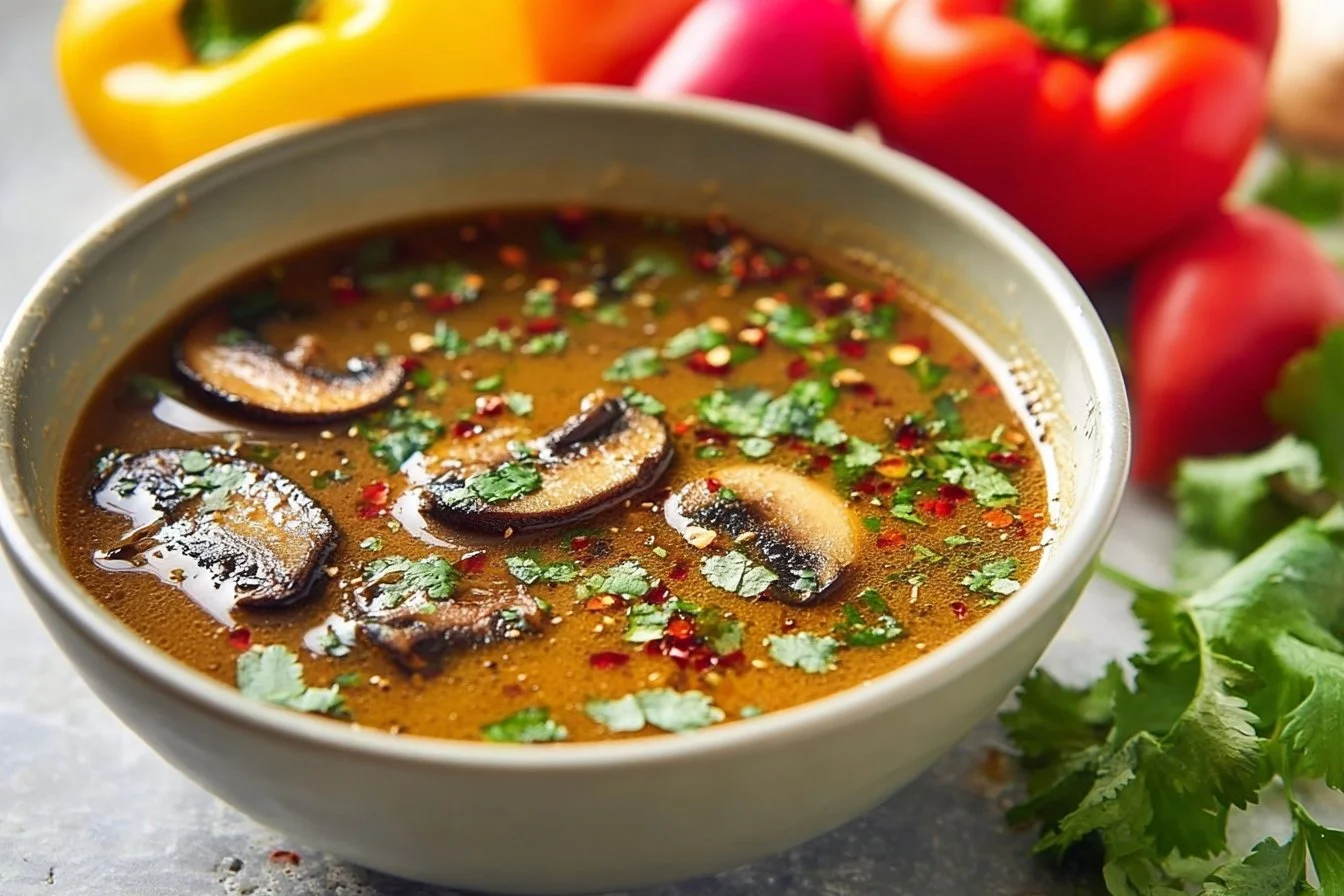
Thai Coconut Curry Soup
Ingredients
Method
- Heat oil in a large pot over medium heat. Add sliced onion and a pinch of salt. Cook until soft, about 5 minutes.
- Add garlic, ginger, and lemongrass. Cook 1 minute until fragrant. Stir in red curry paste and toast for 30 seconds.
- Pour in coconut milk and broth. Whisk to combine the paste with the liquids.
- Add vegetables and simmer 8–10 minutes until tender. If using quick-cooking proteins like shrimp or tofu, add them in the last 5 minutes. For chicken, add cooked shredded chicken to warm through.
- Season with fish sauce or soy sauce, brown sugar, and lime juice. Taste and adjust salt, heat, and acidity.
- Finish with chopped cilantro and Thai basil. Serve over rice or rice noodles.
Notes
🍲 More Cozy Homemade Soups to Try:
- Thai Curry Chicken Soup – flavorful Thai red curry soup with tender chicken and creamy coconut
- Coconut Curry Lentil Soup – comforting golden lentils simmered gently in rich spiced coconut broth
(FAQs)
Is this soup very spicy? How can I control the heat?
The spice level of this soup depends almost entirely on the brand and amount of red curry paste you use. One tablespoon of a mild paste will result in a very gentle heat, while two tablespoons of an authentic Thai brand will have a significant kick. If you are sensitive to spice, start with just one tablespoon. You can always stir in more later, but you can’t take it out once it’s in! If you find the finished soup is too spicy, adding more coconut milk or a little extra brown sugar can help neutralize the burn on your tongue.
What is the difference between Red, Green, and Yellow curry paste?
While this recipe calls for red curry paste, you can certainly use others. Red Curry is made with dried red chilies and is generally bold and savory. Green Curry uses fresh green chilies and is often spicier and more herb-forward with a bright, grassy flavor. Yellow Curry is milder and contains turmeric and cumin, giving it a warmer, more earthy profile similar to Indian flavors. You can follow this exact recipe with green or yellow paste for a completely different—but equally delicious—experience.
I can’t find lemongrass. What should I do?
Don’t worry! While lemongrass adds a unique citrusy aroma, you can still make a great soup without it. The red curry paste already contains some lemongrass. To compensate for the lack of fresh stalks, you can add an extra teaspoon of grated lime zest or a bit of extra ginger. Some specialty stores also sell “lemongrass paste” in tubes in the produce section, which is a very convenient and effective substitute for fresh stalks.
Why did my coconut milk separate or look curdled?
This usually happens if the soup is boiled too vigorously or if you use a very low-fat coconut milk. To keep your soup creamy and smooth, keep the heat at a gentle simmer. If it does separate, it is still perfectly safe and delicious to eat! It just won’t look quite as “polished.” A quick whisk can often bring it back together, or you can even use an immersion blender for a few seconds before adding your vegetables and protein to re-emulsify the fats.
Can I use coconut milk from a carton instead of a can?
I strongly recommend against using the coconut milk found in the refrigerated dairy aisle (the kind used for smoothies). That version is mostly water and contains thickeners and stabilizers that don’t react well to being heated in a soup. It will result in a thin, watery broth that lacks the iconic richness of Thai curry. For the best results, always look for “unsweetened full-fat coconut milk” in a can, usually found in the Asian or International foods aisle of your grocery store.
How do I prepare rice noodles so they don’t stick together?
The secret to perfect rice noodles is to not “cook” them in boiling water like pasta. Instead, place the dry noodles in a large bowl and pour boiling water over them. Let them soak for 5 to 10 minutes (depending on the thickness) until they are tender but still have a bit of chew. Drain them and rinse immediately with cold water to stop the cooking process and wash away excess starch. If you aren’t serving them immediately, toss them with a tiny bit of neutral oil to keep them from sticking into a giant clump.
Is fish sauce really necessary?
In the world of Thai cooking, fish sauce is the primary source of salt and umami. It provides a depth of flavor that table salt simply cannot match. However, if you are vegan, allergic to seafood, or simply find the aroma too strong, a high-quality soy sauce, tamari, or even a “vegan fish sauce” (usually made from seaweed and mushrooms) are excellent alternatives. The goal is to provide that savory, salty “backbone” to the soup, so choose the option that best fits your dietary needs.
Cooking is an adventure, and this Thai Coconut Curry Soup is one of the most rewarding journeys you can take in your kitchen. With its vibrant colors, complex aromas, and deeply satisfying flavors, it is a testament to the power of simple, fresh ingredients handled with care. Whether you’re serving it for a cozy family dinner or a festive gathering with friends, this soup is sure to bring warmth and joy to your table. Happy cooking!
Thai Coconut Curry Soup
Ingredients
Method
- Heat oil in a large pot over medium heat. Add sliced onion and a pinch of salt. Cook until soft, about 5 minutes.
- Add garlic, ginger, and lemongrass. Cook 1 minute until fragrant. Stir in red curry paste and toast for 30 seconds.
- Pour in coconut milk and broth. Whisk to combine the paste with the liquids.
- Add vegetables and simmer 8–10 minutes until tender. If using quick-cooking proteins like shrimp or tofu, add them in the last 5 minutes. For chicken, add cooked shredded chicken to warm through.
- Season with fish sauce or soy sauce, brown sugar, and lime juice. Taste and adjust salt, heat, and acidity.
- Finish with chopped cilantro and Thai basil. Serve over rice or rice noodles.


2 thoughts on “Thai Coconut Curry Soup”