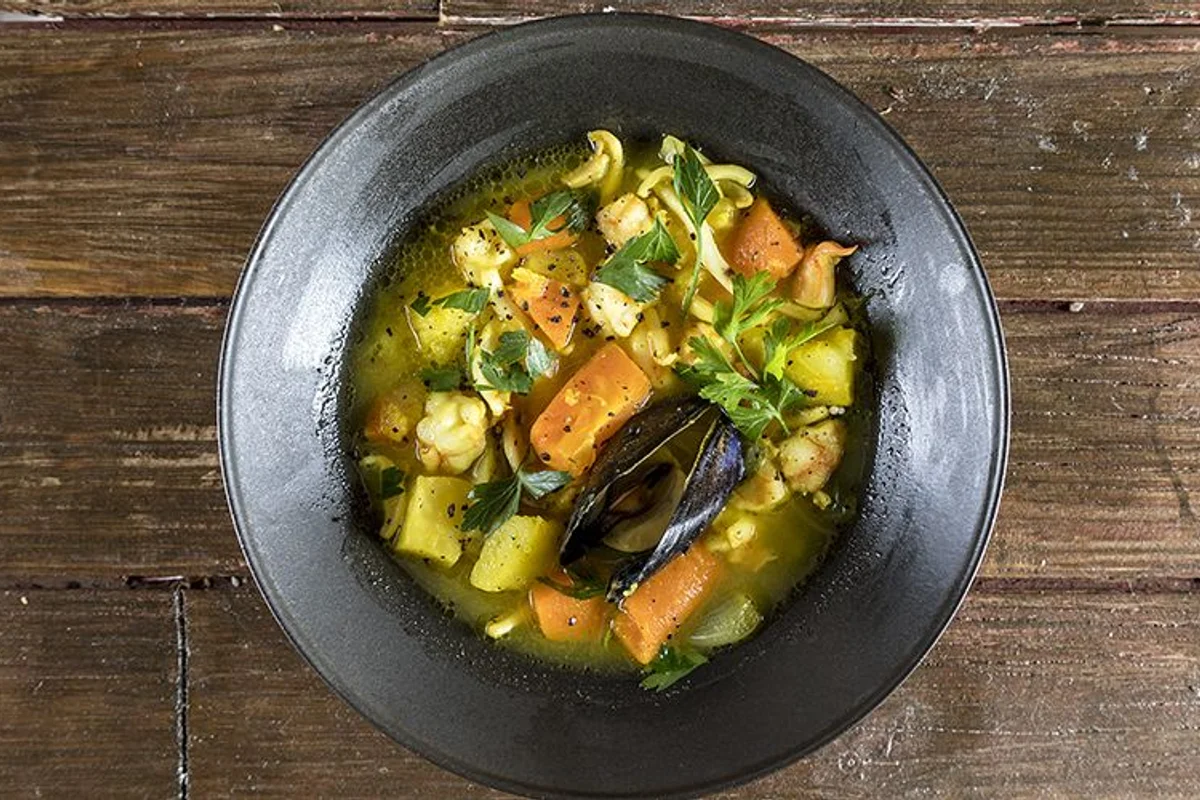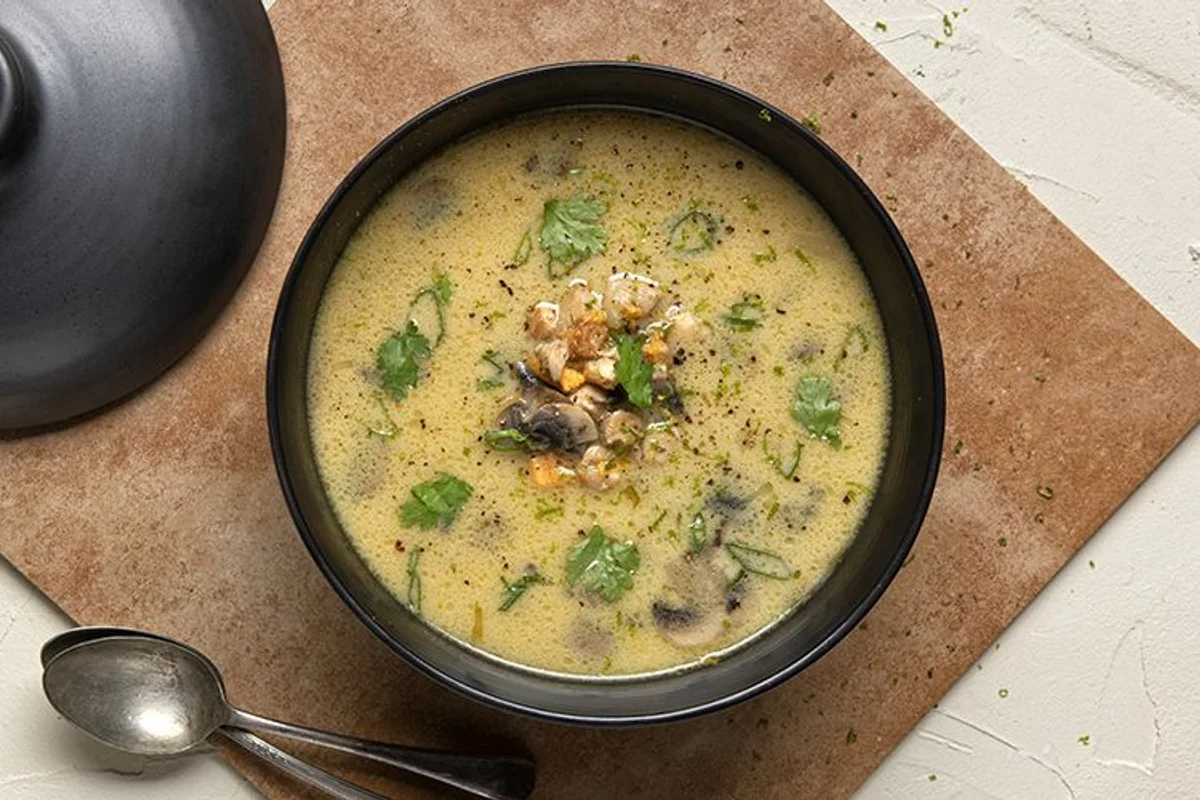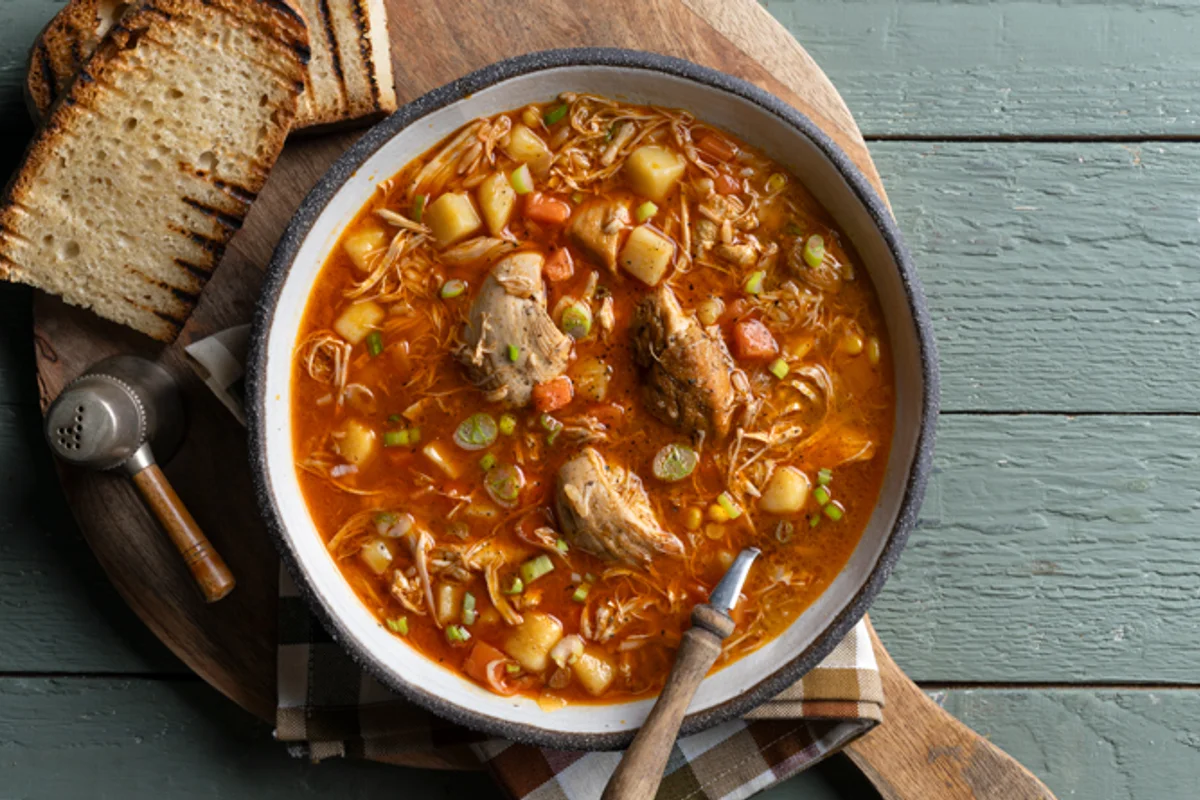
There is a specific kind of magic that happens in a kitchen when the weather turns cool and the light begins to fade earlier in the evening. It is a quiet, rhythmic magic found in the steady chop of a knife against a wooden board and the gentle hiss of vegetables meeting warm fat in a heavy-bottomed pot. Among the pantheon of comfort foods, few dishes carry the emotional weight and restorative power of a steaming bowl of chicken and rice soup. It is more than just a meal; it is a culinary embrace, a liquid blanket that promises warmth, health, and a sense of profound well-being. This particular recipe for Cozy Chicken and Rice Soup is designed to be the ultimate expression of that comfort, balancing the hearty texture of long-grain rice with the delicate richness of a milk-kissed broth.
Imagine walking into a home where the air is thick with the scent of simmering thyme, sweet onions, and savory chicken. This aroma has a way of slowing down time, signaling to everyone in the house that a moment of peace is approaching. The beauty of this soup lies in its deceptive simplicity. While the ingredients are humble staples found in almost every pantry, the way they interact—the sweetness of the carrots, the earthy depth of the celery, and the creamy finish provided by a splash of milk—elevates it from a basic broth to a gourmet experience. It is the kind of recipe that bridges the gap between a quick weeknight fix and a slow-cooked Sunday tradition, offering the best of both worlds to the busy home cook.
As we embark on this culinary journey together, we will explore not just the “how” of this recipe, but the “why.” We will look at how the choice of rice affects the final consistency, why the order of adding ingredients matters for flavor development, and how you can customize this base to suit any dietary need or seasonal craving. Whether you are a seasoned chef looking for a reliable staple or a beginner taking your first steps toward mastering home-cooked meals, this guide is designed to empower you. We are going to dive deep into every nuance, ensuring that every time you set a pot on the stove, the result is nothing short of spectacular.
The final result is a bowl of soup that is vibrant with color, thanks to the bright orange carrots and flecks of fresh green parsley, and deeply satisfying in its texture. It is a dish that invites you to sit down, put away your phone, and truly savor the experience of eating. This is the soup you make for a friend who is feeling under the weather, for a family gathering on a rainy Tuesday, or simply for yourself when you need a reminder that the simplest things in life are often the most rewarding. Let us begin by uncovering the layers of flavor that make this Cozy Chicken and Rice Soup a timeless masterpiece.

Why You Will Love This Cozy Chicken and Rice Soup
The Ultimate Comfort Factor
In the world of professional food writing, we often talk about “comfort food,” but what does that truly mean? It means a dish that provides a sense of nostalgia and safety. This soup hits those notes perfectly. The combination of chicken and rice is a universal language of care. For many of us, it evokes memories of childhood, but this version adds a touch of modern sophistication with its creamy finish and fresh herbs. The texture is key here; the rice softens just enough to release its natural starches, creating a body that feels substantial without being heavy. It is a “hug in a bowl” that manages to be both light and filling at the same time.
Nutritional Balance and Wholesome Goodness
From a nutritional perspective, this soup is a powerhouse of balance. You have lean protein from the chicken, complex carbohydrates from the rice, and a wealth of vitamins and minerals from the “holy trinity” of aromatics: onions, carrots, and celery. By using low-sodium chicken broth, you maintain control over the salt levels, making it a heart-healthy choice. The addition of milk—whether dairy or plant-based—provides a boost of calcium and vitamin D. It is a complete meal in one pot, ensuring that your body is fueled with high-quality ingredients that promote recovery and sustained energy throughout the day.
Incredible Versatility and Accessibility
One of the primary reasons this recipe will become a staple in your kitchen is its incredible flexibility. It is designed to work with what you have on hand. Don’t have fresh thyme? Dried works beautifully. Have leftover rotisserie chicken? It’s the perfect way to use it up. Prefer brown rice for more fiber? We have you covered. This recipe is also naturally inclusive. With simple swaps, it easily becomes gluten-free or dairy-free without sacrificing an ounce of flavor. It is a “living” recipe that grows and changes based on your needs, making it one of the most accessible dishes in a home cook’s repertoire.
A Masterclass in One-Pot Efficiency
As a home-cooking educator, I am always looking for ways to minimize cleanup without compromising on taste. This soup is a shining example of one-pot efficiency. By layering flavors in a single vessel, you ensure that every drop of liquid is infused with the essence of the vegetables and herbs. There is no need for multiple pans or complicated techniques. This efficiency makes it an ideal recipe for those evenings when you want a home-cooked meal but don’t want to spend hours standing over the stove or scrubbing dishes afterward. It is a smart, streamlined approach to high-quality cooking.
Key Ingredients and Flavor Dynamics
The Foundation: The Mirepoix
Every great soup begins with a strong foundation, and in Western culinary tradition, that foundation is often a mirepoix. This is the mixture of onions, carrots, and celery. In this recipe, these three ingredients provide the aromatic base that gives the soup its soul. The onions offer a subtle sweetness and a savory depth, the carrots provide a bright pop of color and natural sugars, and the celery adds a refreshing, slightly salty, and earthy note. When diced uniformly, they cook evenly, ensuring that every spoonful has a balanced distribution of texture. Choosing fresh, firm vegetables is essential here, as their quality directly impacts the clarity and taste of the final broth.
The Fat: Butter vs. Olive Oil
The choice of fat used to sauté your vegetables sets the tone for the entire dish. Butter offers a rich, creamy, and slightly nutty flavor profile that complements the milk added at the end. It creates a luxurious mouthfeel that many find irresistible in a “cozy” soup. On the other hand, a high-quality extra virgin olive oil provides a lighter, fruitier, and more peppery base. It is an excellent choice for those looking for a heart-healthy option or a dairy-free start. Both are excellent choices, and the decision often comes down to personal preference or dietary goals. If you want the best of both worlds, you can even use a tablespoon of each!
The Liquid Gold: Chicken Broth
The broth is the canvas upon which all other flavors are painted. Using a low-sodium chicken broth is a strategic move for the home cook. It allows you to season the soup precisely to your liking without the risk of it becoming overly salty as it simmers and reduces. If you have the time, a homemade bone broth will add an unparalleled depth and a rich, silky texture due to the natural minerals extracted during the long cooking process. However, a high-quality store-bought broth is a fantastic and reliable alternative. For those with gluten sensitivities, always ensure the label specifies “certified gluten-free,” as some commercial broths use grain-based thickeners or flavorings.
The Heart: Long-Grain White Rice
Rice is the defining characteristic of this soup, and the type of grain you choose matters immensely. Long-grain white rice is the standard for a reason: it stays relatively distinct and fluffy even after simmering in liquid. It provides a clean, neutral flavor that lets the chicken and herbs shine. If you opt for brown rice, you’ll introduce a nutty flavor and a chewier texture, which many people love for its rustic feel. Just remember that brown rice requires a longer cooking time and may absorb more liquid. The rice acts as a natural thickener, as it releases a small amount of starch into the broth, giving the soup a satisfying body that feels substantial on the palate.
The Protein: Cooked Chicken
This recipe is designed for convenience, making it the perfect use for leftover roasted chicken or a store-bought rotisserie chicken. Using pre-cooked chicken ensures that the meat remains tender and juicy, as it only needs to be warmed through at the very end. Shredding the chicken by hand creates irregular, rustic pieces that hold onto the broth beautifully, while dicing it provides a more uniform and formal appearance. If you prefer to start with raw chicken, you can poach chicken breasts or thighs directly in the broth before adding the rice, then remove and shred them once cooked. This adds even more flavor to the liquid, though it adds a bit more time to the process.
The Creamy Element: Milk or Plant-Based Alternatives
The addition of milk is what transforms this from a standard clear soup into a “cozy” masterpiece. It rounds out the sharp edges of the broth and creates a velvety finish that lingers on the tongue. Whole milk provides the most richness, while 2% or skim milk offers a lighter touch. For a dairy-free version, oat milk is a stellar choice because of its natural creaminess and neutral, slightly sweet flavor. Unsweetened almond milk also works well, though it has a thinner consistency. The key is to add the milk at the very end and avoid boiling it, which prevents the proteins from separating and ensures a smooth, consistent texture.
The Aromatics and Garnish: Thyme and Parsley
Thyme is the quintessential herb for chicken dishes. Its woody, lemony, and slightly minty notes cut through the richness of the broth and highlight the savory qualities of the chicken. Fresh thyme is incredibly potent and aromatic, but dried thyme is a perfectly acceptable and shelf-stable substitute that blooms beautifully when sautéed with the garlic. To finish the dish, fresh parsley is non-negotiable. It provides a burst of “green” flavor and a visual brightness that makes the soup look as good as it tastes. Parsley also acts as a palate cleanser, making each bite feel as fresh as the first.
Step-by-Step Cooking Guide and Culinary Techniques
Step 1: Sautéing the Aromatics for Maximum Flavor
Begin by placing your large pot or Dutch oven over medium heat. Add your choice of butter or olive oil. Once the butter has melted and is beginning to foam slightly, or the oil is shimmering, add your diced onion, carrots, and celery. This stage is about “sweating” the vegetables rather than browning them. You want them to become translucent and soft, which usually takes about 5 to 7 minutes. By cooking them slowly over medium heat, you are drawing out their natural sugars and creating a sweet, savory base. Use a wooden spoon to stir occasionally, ensuring that the vegetables don’t stick to the bottom. The smell at this stage—the classic aroma of a mirepoix—is the first sign that you are on your way to a spectacular meal.
Step 2: Blooming the Garlic and Thyme
Once the vegetables have softened, create a small well in the center of the mixture and add your minced garlic and thyme. This is a crucial technique known as “blooming.” Garlic is delicate and can turn bitter if cooked for too long or at too high a temperature, which is why we add it after the other vegetables have already released their moisture. Cook the garlic and thyme for only about 30 to 60 seconds. You will know it’s ready when the kitchen is suddenly filled with a sharp, fragrant aroma. This brief sauté allows the essential oils in the thyme and the flavor compounds in the garlic to be released into the fat, ensuring they are distributed evenly throughout the entire pot of soup.
Step 3: Simmering the Broth and Cooking the Rice
Carefully pour in the 6 cups of chicken broth. Increase the heat slightly to bring the liquid to a gentle boil. Once you see those first bubbles breaking the surface, add your cup of long-grain white rice. Give it a good stir to make sure the grains aren’t clumped together. Immediately reduce the heat to low, cover the pot with a tight-fitting lid, and let it simmer. This is where the patience comes in. Over the next 15 to 20 minutes, the rice will absorb the seasoned broth, swelling in size and becoming perfectly tender. Keeping the lid on is essential, as it traps the steam and ensures the rice cooks uniformly. If you are using brown rice, remember that this step will take significantly longer—usually 40 to 45 minutes—and you may need to add an extra cup of broth to account for the longer evaporation time.
Step 4: Integrating the Chicken and the Creamy Finish
Once the rice is tender, remove the lid. You will notice the soup has thickened naturally. Now, stir in your cooked shredded or diced chicken and your cup of milk (or plant-based alternative). This step is about gently bringing the chicken back up to temperature and allowing the flavors to meld. Keep the heat on low and stir occasionally for about 5 to 7 minutes. A vital rule in professional cooking is to never let the soup come to a rolling boil once the milk has been added. High heat can cause the milk to curdle or separate, which affects the visual appeal and texture. Taste the soup at this point. This is your moment to shine as a cook—add salt and pepper gradually, tasting after each addition until the flavors pop. The right amount of salt will make the chicken taste “more like chicken” and bring out the sweetness of the carrots.
Step 5: The Final Flourish and Serving
Just before you are ready to serve, stir in a generous handful of chopped fresh parsley. The heat of the soup will be enough to soften the parsley slightly and release its bright, clean scent without losing its vibrant color. Ladle the soup into deep, warmed bowls. The visual contrast of the white rice, golden broth, orange carrots, and green parsley is stunning. Serve it immediately while it is piping hot. This is the moment where all your careful preparation comes together into a single, perfect dish. The soup should be thick enough to feel substantial but still clearly a soup, with a beautiful balance of liquid and solid ingredients.
Variations, Make-Ahead Strategies, and Storage
The Lemon and Spinach Variation
If you want to add a bright, Mediterranean twist to this cozy classic, consider the addition of lemon and spinach. Toward the very end of cooking, right when you add the chicken, stir in two cups of fresh baby spinach and the juice of half a lemon. The spinach will wilt almost instantly in the heat of the broth, adding a beautiful deep green color and a boost of iron. The lemon juice acts as a brightener, cutting through the creaminess of the milk and highlighting the savory notes of the chicken. This variation is particularly refreshing in the early spring or when you want a soup that feels a bit more “vibrant.”
The “Extra Veggie” Power-Up
For those looking to increase their vegetable intake, this soup is a fantastic vehicle for variety. You can add diced parsnips along with the carrots for an extra layer of earthy sweetness. Frozen peas are another wonderful addition; simply toss them in during the last five minutes of simmering. They add a pop of sweetness and a beautiful bright green color. If you like a bit of texture, consider adding some sautéed mushrooms at the beginning of the process. Mushrooms provide a deep, savory “umami” flavor that complements the chicken broth perfectly. This soup is essentially a blank canvas for whatever is in your crisper drawer.
Make-Ahead Strategies for Busy Families
This soup is a dream for meal preppers, but there is one important thing to keep in mind: rice continues to absorb liquid as it sits. If you plan to make this soup a day in advance, I recommend cooking the rice separately and adding it to individual bowls when serving. Alternatively, you can make the soup base (vegetables, broth, herbs, and chicken) and store it in the fridge. When you are ready to eat, bring the base to a simmer, add the rice, and cook until tender. This ensures that your rice doesn’t become overly soft or “mushy” and that your soup maintains a good broth-to-solid ratio. If you do store the completed soup, be prepared to add a splash of extra broth or water when reheating to loosen it back up.
Storage and Freezing Guidelines
Leftover Cozy Chicken and Rice Soup can be stored in an airtight container in the refrigerator for up to 3 to 4 days. As mentioned, the rice will soak up the liquid, so the soup will thicken significantly in the fridge—almost becoming like a risotto. This is perfectly normal and still delicious! To reheat, simply place the desired amount in a small saucepan over low heat and add a little extra broth or milk until it reaches your preferred consistency. When it comes to freezing, rice-based soups can be a bit tricky. The rice can sometimes become grainy after thawing. If you must freeze it, do so in individual portions for up to 2 months. Thaw overnight in the refrigerator before reheating gently on the stove.
The Perfect Accompaniments
While this soup is a complete meal on its own, the right side dish can turn it into a feast. A thick slice of artisanal sourdough bread, toasted and slathered with salted butter, is the perfect tool for soaking up the last bits of creamy broth. If you prefer something lighter, a crisp garden salad with a simple lemon-tahini dressing or a classic vinaigrette provides a refreshing contrast to the warm, rich soup. For a more rustic touch, a warm, crusty baguette is always a winner. If you want to lean into the herbaceous notes, try serving it with a side of cooling herb yogurt—simply Greek yogurt mixed with a bit of dried dill and lemon zest—to dollop on top for an extra layer of tang and creaminess.

Cozy Chicken and Rice Soup
Ingredients
Method
- Heat butter or oil in a large pot over medium heat. Add onion, carrot, and celery. Cook for 5–7 minutes until soft.
- Stir in garlic and thyme. Cook for 30 seconds until fragrant.
- Pour in chicken broth and bring to a gentle boil. Add rice. Reduce heat and simmer, covered, for 15–20 minutes until rice is tender.
- Add cooked chicken and milk. Warm through for 5–7 minutes. Do not boil after adding milk. Season with salt and pepper.
- Finish with parsley. Serve hot.
Notes
🍲 More Cozy Homemade Soups to Try:
- Creamy Chicken and Rice Soup – classic velvety chicken and rice comfort simmered in a Dutch oven
- Lemon Ginger Turmeric Chicken and Rice Soup – golden healing turmeric soup with tender chicken and soft rice
(FAQs)
Can I use brown rice instead of white rice?
Absolutely! Brown rice is a wonderful substitute for those who prefer a whole-grain option. It adds a lovely nuttiness and a bit more texture to the soup. However, keep in mind that brown rice takes much longer to cook—usually between 40 and 50 minutes. You will also need to increase the amount of chicken broth by about 1 to 1.5 cups, as more liquid will evaporate during the longer simmering time. I recommend checking the rice for tenderness around the 40-minute mark and adding the chicken and milk only after the rice is fully cooked.
How do I prevent the rice from getting too mushy?
Rice mushiness is a common concern in soup making. To prevent this, ensure you are using long-grain rice, which holds its shape better than short-grain varieties. Most importantly, do not overcook the rice during the initial simmer. Stop the cooking process as soon as the rice is tender to the bite. If you are making a large batch that you know will result in leftovers, you might even consider cooking the rice separately in water and adding it to the soup just before serving. This prevents the rice from sitting in the hot liquid for hours and absorbing all the broth.
What is the best way to shred the chicken?
If you are using a rotisserie chicken or home-cooked chicken breasts, the easiest way to shred it is while it is still slightly warm. You can use two forks to pull the meat apart into bite-sized shards. For a faster method, some home cooks use a stand mixer with the paddle attachment on low speed to shred large amounts of chicken in seconds. Personally, I prefer hand-shredding because it allows you to remove any unwanted bits of fat or gristle, ensuring that every piece of chicken in the soup is of the highest quality.
Can I make this soup in a slow cooker?
Yes, this recipe adapts well to a slow cooker. Add the vegetables, broth, herbs, and raw chicken breasts to the slow cooker and cook on low for 6 to 7 hours or on high for 3 to 4 hours. About 45 minutes before the end of the cooking time, remove the chicken, shred it, and return it to the pot along with the rice. Continue cooking until the rice is tender. Stir in the milk and parsley just before serving. This is a great “set it and forget it” version for busy workdays.
Is it possible to make this soup dairy-free?
It is very easy to make this soup dairy-free. Simply use olive oil instead of butter for the initial sauté and substitute the milk with an unsweetened plant-based milk. As mentioned earlier, oat milk is the best substitute for its creamy texture and neutral flavor. Coconut milk (the kind in a carton, not the can) can also work, though it will add a very slight tropical note to the soup. If you prefer to skip the milk entirely, you can simply add an extra cup of broth; the soup will be less creamy but still incredibly flavorful.
What can I use if I don’t have fresh parsley?
While fresh parsley is ideal for its bright flavor and color, you can substitute it with other fresh herbs like chives or even a small amount of fresh dill. If you have no fresh herbs at all, you can use a teaspoon of dried parsley added during the simmering stage, though it won’t provide the same visual pop as the fresh garnish. A tiny squeeze of lemon juice at the very end can also mimic the brightness that parsley provides.
Why shouldn’t I boil the soup after adding the milk?
Boiling milk, especially when mixed with an acidic or salty broth, can cause the proteins to clump together, a process known as curdling. This doesn’t necessarily make the soup unsafe to eat, but it creates a grainy, unappealing texture and a broken appearance. By keeping the heat on low and just gently warming the soup through after the milk is added, you ensure that the broth remains smooth, creamy, and visually inviting.
Can I use frozen vegetables for the mirepoix?
In a pinch, yes! You can buy pre-chopped frozen onion, carrot, and celery blends. While fresh vegetables provide the best texture and flavor, frozen ones are a great time-saver. Just be sure to sauté them long enough to cook off any excess moisture they might release. This is a fantastic tip for those days when you want a home-cooked meal but don’t have the energy for a lot of prep work.
How do I make the soup thicker if I prefer a stew-like consistency?
If you prefer a thicker, heartier soup, there are two easy ways to achieve this. First, you can increase the amount of rice to 1.5 cups; as the rice cooks, it will release more starch and absorb more liquid. Second, before adding the broth in Step 3, you can stir a tablespoon of flour into the sautéed vegetables and cook for one minute. This creates a light thickening agent that will give the broth a more velvety, stew-like body once the liquid is added and brought to a simmer.
What should I do if my soup is too salty?
If you find that your soup has become too salty, don’t worry! The easiest fix is to add more liquid—either a bit more water or a splash of unsalted broth. Another old kitchen trick is to add a peeled, halved potato to the soup and simmer it for 10 minutes. The potato will absorb some of the excess salt; just remember to remove the potato before serving. Finally, adding a little more milk or a tiny bit of sugar can help balance out the saltiness on your palate.
Is this soup suitable for kids?
This is one of the most kid-friendly soups you can make! The flavors are mild and familiar, and the texture is soft and easy to eat. Many children love the “hidden” vegetables when they are diced small and cooked until very soft. You can even cut the carrots into fun shapes or use star-shaped pasta instead of rice to make it even more appealing to younger eaters. It is a nutritious, comforting meal that usually gets a thumbs-up from even the pickiest of diners.
Can I use chicken thighs instead of breasts?
Yes, and many chefs actually prefer chicken thighs for soup! Thigh meat is higher in fat and connective tissue, which means it stays incredibly moist and flavorful even after being simmered. If you are using raw chicken to start, thighs are much more forgiving than breasts and won’t dry out. If you are using leftovers, a mix of white and dark meat provides a wonderful variety of textures and flavors in every bowl.
How can I add a bit of heat to this soup?
While this is a “cozy” and mild soup, a little bit of heat can be a nice addition. You can add a pinch of red pepper flakes when you are sautéing the garlic and thyme. Alternatively, a dash of your favorite hot sauce or a sprinkle of white pepper can add a subtle warmth that doesn’t overwhelm the other flavors. For a more aromatic heat, a small amount of freshly grated ginger added with the garlic can provide a lovely, warming zing that is perfect for cold winter days.
Cozy Chicken and Rice Soup
Ingredients
Method
- Heat butter or oil in a large pot over medium heat. Add onion, carrot, and celery. Cook for 5–7 minutes until soft.
- Stir in garlic and thyme. Cook for 30 seconds until fragrant.
- Pour in chicken broth and bring to a gentle boil. Add rice. Reduce heat and simmer, covered, for 15–20 minutes until rice is tender.
- Add cooked chicken and milk. Warm through for 5–7 minutes. Do not boil after adding milk. Season with salt and pepper.
- Finish with parsley. Serve hot.