
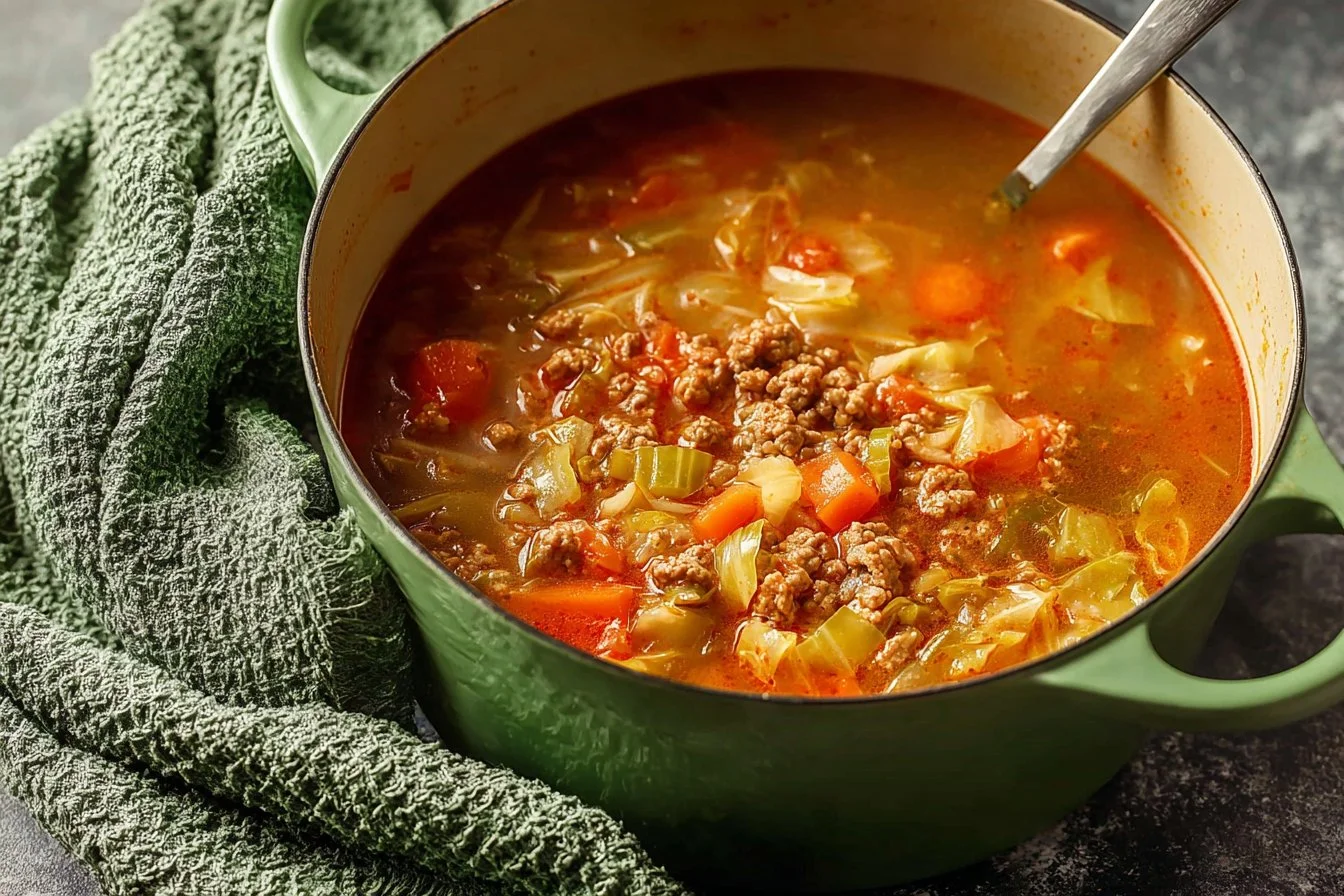
There is a specific kind of magic that happens in a kitchen when a heavy pot sits simmering on the stove, sending curls of aromatic steam into the air. It is a scent that tells a story of comfort, of home, and of a meal prepared with intention. Imagine the savory, herb-forward aroma of Italian sausage mingling with the sweet, earthy scent of slow-cooked cabbage. This isn’t just a quick weeknight fix; it is a bowl of pure, liquid gold that warms you from the inside out. As the sausage browns and releases its juices, and the cabbage softens into a buttery, tender texture, the kitchen transforms into a sanctuary of flavor. It is the kind of recipe that makes you want to pull up a chair, break off a piece of crusty bread, and linger over every spoonful.
The beauty of this Italian Sausage and Cabbage Soup lies in its sophisticated simplicity. While the ingredients are humble—staples you likely already have in your pantry or crisper drawer—the way they interact during the cooking process creates a complexity that rivals high-end restaurant fare. We often overlook the cabbage, seeing it as a mere side dish or a crunchy slaw component, but here, it becomes the star of the show. It absorbs the rich broth and the spices from the sausage, losing its bite and gaining a silky, luxurious mouthfeel. This soup is a testament to the idea that you don’t need expensive cuts of meat or exotic spices to create a masterpiece; you just need time, heat, and a little bit of culinary love.
As a home cook, there is nothing quite as satisfying as seeing a few basic ingredients transform into a vibrant, colorful, and nutrient-dense meal. This soup is a celebration of textures: the hearty, protein-packed crumbles of turkey sausage, the soft ribbons of cabbage, and the subtle crunch of perfectly sautéed carrots. It is a dish that feels light enough for a spring evening but substantial enough to ward off the chill of a deep winter night. Whether you are cooking for a busy family or preparing a quiet meal for yourself, this recipe offers a sense of accomplishment and a promise of leftovers that taste even better the next day.
In the following guide, we will explore the nuances of every ingredient, the “why” behind every technique, and the secrets to making this soup your own. From choosing the best head of cabbage to mastering the art of browning meat without drying it out, we are going to dive deep into the world of rustic Italian-inspired cooking. So, tie on your apron, sharpen your knife, and let’s begin this journey toward the perfect bowl of Italian Sausage and Cabbage Soup. Your kitchen is about to become the most popular room in the house.

Why You Will Love This Italian Sausage and Cabbage Soup
The Ultimate Comfort in a Bowl
In the world of culinary delights, “comfort food” often brings to mind heavy creams, excessive cheeses, or fried treats. However, this soup redefines comfort by offering something that is deeply satisfying without being weighing. The warmth of the broth and the familiar spices of Italian sausage provide a nostalgic hug for the palate. It is the type of meal that feels restorative. When the world feels a bit too fast or the weather a bit too gray, this soup acts as a culinary anchor. The gentle simmering process allows the flavors to meld into a harmonious blend that feels both ancient and fresh. You will love it because it satisfies the soul as much as it satisfies the appetite.
Nutritional Powerhouse and Health Benefits
One of the most compelling reasons to fall in love with this recipe is its incredible nutritional profile. Cabbage is a member of the cruciferous vegetable family, known for being packed with Vitamin C, Vitamin K, and powerful antioxidants. It is high in fiber, which aids digestion and keeps you feeling full for longer. By using turkey Italian sausage, we significantly reduce the saturated fat content compared to traditional pork sausage, while still maintaining that essential protein hit. This soup is naturally low in carbohydrates, making it a fantastic option for those looking to balance their macros without sacrificing flavor. It’s a “guilt-free” indulgence that leaves you feeling energized rather than sluggish.
Efficiency and One-Pot Simplicity
In our modern, busy lives, the cleanup is often the most daunting part of cooking. This recipe is a dream for the efficient home cook because it is prepared entirely in a single Dutch oven or large pot. From browning the meat to wilting the cabbage, every step happens in one vessel, which means all those delicious brown bits at the bottom of the pot stay in the soup where they belong. The preparation is straightforward, requiring basic knife skills and a bit of patience. It is the perfect “Sunday Meal Prep” candidate, as the recipe scales easily, and the flavors actually deepen as it sits in the refrigerator. You will love the ease of the process just as much as the final result.
A Masterclass in Flavor Balancing
This soup is a perfect example of how different taste profiles can work together to create a balanced dish. You have the savory and slightly spicy notes of the Italian sausage, the natural sweetness of the carrots and onions, the acidity of the diced tomatoes, and the earthy, mild bitterness of the cabbage. The addition of dried oregano and bay leaves introduces a herbal depth that ties everything together. Every spoonful offers a different nuance. It is an engaging eating experience where no single flavor overwhelms the others. This balance is what makes the soup feel “professional” and keeps you coming back for “just one more bowl.”
Key Ingredients and Flavor Dynamics
The Sausage: The Heart of the Dish
The choice of turkey Italian sausage is a deliberate one. Traditional Italian sausage is usually made from pork, which is delicious but can sometimes make a soup feel overly greasy. Turkey sausage offers a leaner profile while still being heavily seasoned with fennel seeds, garlic powder, and red pepper flakes—the hallmarks of “Italian” flavor. When selecting your sausage, look for a high-quality brand that uses natural casings (which you will remove) and minimal fillers. The fennel is particularly important here; it provides a licorice-like sweetness that cuts through the richness of the broth and complements the cabbage beautifully. If you prefer a bit of heat, look for “Hot” Italian turkey sausage; for a milder experience, “Sweet” or “Mild” is the way to go.
Cabbage: From Humble to Heavenly
The green cabbage is the true architecture of this soup. When raw, green cabbage is crunchy and peppery, but as it simmers in the chicken broth, it undergoes a radical transformation. It becomes translucent and tender, acting like a sponge for the surrounding flavors. When choosing a cabbage, look for a head that feels heavy for its size with tight, crisp leaves. Avoid any that have yellowing leaves or soft spots. The way you slice the cabbage also matters—thin ribbons will cook faster and integrate more seamlessly into the broth, creating a more elegant texture. Cabbage is also incredibly affordable, making this a high-volume, low-cost meal that doesn’t feel “cheap.”
The Aromatic Foundation: Onion, Garlic, and Carrots
Every great soup starts with a “soffritto” or an aromatic base. In this recipe, the diced onion provides a foundational sweetness as it softens. The garlic, added later to prevent burning, introduces a pungent depth that is essential for any Italian-inspired dish. The carrots, while listed as optional, are highly recommended. They provide a beautiful pop of orange color and a natural sugary hit that balances the acidity of the tomatoes and the saltiness of the broth. These three ingredients, when sautéed in olive oil, create the aromatic “floor” upon which all other flavors are built.
Broth and Tomatoes: The Liquid Gold
The choice of broth is the difference between a good soup and a great one. Using a low-sodium chicken or vegetable broth gives you complete control over the seasoning. Many store-bought broths are incredibly salty, which can mask the delicate flavors of the cabbage. By starting with a low-sodium base, you can season with salt and pepper at the very end to your exact preference. The diced tomatoes add a necessary acidity. This acidity “brightens” the soup, ensuring that the savory flavors don’t become too heavy or muddled. The juices from the tomatoes also add body to the broth, giving it a richer, more complex consistency.
Herbs and Seasoning: The Finishing Touches
Dried oregano is a staple of Mediterranean cooking, offering a robust, slightly bitter, and earthy flavor that stands up well to long simmering. The bay leaves are the “silent heroes” of the pot; they don’t provide a loud flavor, but they add a subtle floral and woody note that rounds out the soup’s profile. Finally, the fresh parsley or basil added at the very end is crucial. Fresh herbs provide a burst of chlorophyll and “green” flavor that wakes up the cooked ingredients. It provides a visual contrast and a fresh aroma that makes the dish feel like it was just pulled from a garden.
Step-by-Step Cooking Guide and Culinary Techniques
Step 1: Browning the Sausage for Maximum Flavor
Begin by placing your large Dutch oven over medium-high heat and adding the olive oil. Once the oil is shimmering but not smoking, add the turkey sausage. If your sausage came in links, ensure the casings are removed first. Use a sturdy wooden spoon or a heat-resistant spatula to break the meat into small, bite-sized crumbles. The goal here is to achieve a deep, golden-brown color on the meat. This browning process is essential because it creates complex flavor compounds that cannot be achieved through boiling alone. You aren’t just cooking the meat through; you are building the first layer of flavor. Do not rush this step; let the meat sit undisturbed for a minute or two at a time to get that beautiful crust. Once browned (about 6–8 minutes), the kitchen will already start to smell incredible.
Step 2: Sautéing the Aromatics and Capturing the Fond
Using a slotted spoon, remove most of the browned sausage and set it aside on a plate. You want to leave the drippings and about a tablespoon of the oil in the pot. If the pot looks too dry, feel free to add a tiny splash more of olive oil. Now, toss in your diced onions and sliced carrots. As the vegetables cook, they will release moisture. Use your spoon to scrape the bottom of the pot. Those little brown bits stuck to the bottom (often called “fond”) are concentrated flavor. The moisture from the onions will help loosen them, integrating that deep sausage flavor into the vegetables. Sauté until the onions are translucent and the carrots have softened slightly, which usually takes about 5 minutes. This is the “sweating” phase, where the vegetables release their natural sugars.
Step 3: Activating the Garlic and Oregano
Garlic is delicate and can turn bitter if scorched, which is why we add it toward the end of the sautéing process. Stir in the minced garlic and the dried oregano. You only need to cook this for about 30 to 60 seconds. You will know it’s ready when the scent of garlic becomes intensely fragrant and the oregano starts to bloom in the hot oil. This short “toasting” of the dried herb helps to release its oils, making it much more potent than if you simply dumped it into the liquid later. This is a small detail that makes a massive difference in the final depth of the soup.
Step 4: Building the Broth and Simmering
Now, return the browned sausage to the pot, along with any juices that may have collected on the plate. Pour in the diced tomatoes (with their juices) and the 6 cups of broth. Add the two bay leaves. Turn the heat up to bring the liquid to a gentle boil, then immediately reduce it to a simmer. A simmer is characterized by small, lazy bubbles breaking the surface, rather than a violent rolling boil. This gentle heat ensures the meat stays tender and the flavors have time to marry without the liquid evaporating too quickly. Let this base simmer for just a few minutes to ensure everything is hot before the cabbage makes its entrance.
Step 5: The Cabbage Transformation
Add the sliced cabbage to the pot. It might look like a lot of cabbage at first—it may even fill the pot to the brim—but do not worry. Like spinach, cabbage has a high water content and will wilt significantly as it cooks. Stir it gently into the broth as best as you can. Cook the soup uncovered. Cooking uncovered allows the steam to escape slightly, which can help concentrate the flavors, and it also prevents the cabbage from overcooking into a mushy state. You want the cabbage to be tender and “melt-in-your-mouth,” but still hold its shape. This typically takes about 15 minutes. Taste a piece of cabbage; if it still has a raw “crunch,” give it another 5 minutes. If it’s soft and buttery, you’ve reached the finish line.
Step 6: The Final Seasoning and Flourish
The final step is the most important for your personal palate. Taste the broth. Depending on the saltiness of your sausage and broth, you may need a generous pinch of salt or a good crack of black pepper. Remember, you can always add more, but you can’t take it away, so go slowly. Once the seasoning is perfect, turn off the heat and remove the bay leaves. Their job is done. Stir in a handful of freshly chopped parsley or basil. The heat of the soup will wilt the herbs just enough to release their freshness. Serve the soup hot in deep bowls, perhaps with a drizzle of high-quality extra virgin olive oil on top for a touch of luxury.
Variations, Make-Ahead Strategies, and Storage
Flavor Variations to Suit Your Cravings
While the base recipe is spectacular, it is also highly adaptable. If you want to make the soup even heartier, consider adding a can of rinsed cannellini beans or chickpeas during Step 4. This adds a creamy texture and extra fiber. For those who love their greens, you can swap half of the cabbage for chopped kale or Swiss chard. If you aren’t watching your carb intake, adding diced potatoes or even a handful of small pasta (like ditalini or orzo) during the last 10 minutes of cooking can turn this into a very filling “Pasta e Fagioli” style meal. For a vegetarian version, replace the turkey sausage with a plant-based Italian sausage crumble and use a rich vegetable bouillon. You can also experiment with the spices—a pinch of smoked paprika can add a lovely depth, or a splash of balsamic vinegar at the very end can provide a gourmet tang.
The Art of the Make-Ahead Meal
This Italian Sausage and Cabbage Soup is one of those rare dishes that actually improves with age. As the soup sits in the refrigerator, the cabbage continues to absorb the spices from the sausage, and the broth becomes even more savory. If you are a meal prepper, this is your best friend. You can make a double batch on Sunday and have a high-protein, veggie-packed lunch ready for the entire week. When reheating, do so gently on the stovetop over medium-low heat. Avoid the microwave if possible, as it can sometimes make the cabbage a bit rubbery. If the soup has thickened too much in the fridge (as the cabbage will continue to soak up liquid), simply add a splash of water or extra broth when reheating to bring it back to your desired consistency.
Storage and Freezing Guidelines
Proper storage is key to maintaining the quality of your soup. Once the soup has cooled to room temperature (do not leave it out for more than two hours), transfer it to airtight containers. It will stay fresh in the refrigerator for up to 4 to 5 days. If you want to freeze it, this soup freezes exceptionally well. Use freezer-safe bags or containers, leaving about an inch of “headspace” at the top because liquids expand as they freeze. It will stay good in the freezer for up to 3 months. To serve from frozen, thaw it overnight in the refrigerator before reheating. This makes it an incredible “emergency meal” for those nights when you are too tired to cook but want something healthy and homemade.
Serving Suggestions and Accompaniments
To truly elevate the experience of this soup, consider what you serve alongside it. A thick slice of toasted sourdough bread, rubbed with a raw garlic clove and drizzled with olive oil, is the perfect vessel for soaking up the broth. If you prefer something lighter, a crisp garden salad with a simple lemon and olive oil vinaigrette provides a refreshing contrast to the warm soup. For a touch of creaminess without adding dairy to the pot, a dollop of cooling herb-infused Greek yogurt or a sprinkle of high-quality Parmesan cheese on top of each bowl adds a wonderful dimension. If you have guests over, serving the soup in a large tureen in the center of the table with a basket of warm baguette encourages a communal, rustic dining experience.
Italian Sausage and Cabbage Soup
Ingredients
Method
- Heat olive oil in a large Dutch oven over medium-high heat. Add turkey sausage and break it up. Cook until browned, about 6–8 minutes.
- Remove most of the sausage and set aside, leaving drippings. Add onion and carrots to the pot. Sauté until softened, about 5 minutes.
- Stir in garlic and oregano, and cook for 30 seconds until fragrant.
- Return sausage to the pot. Add diced tomatoes, broth, and bay leaves. Bring to a simmer.
- Add sliced cabbage. Cook uncovered until cabbage is tender, about 15 minutes.
- Season with salt and pepper. Remove bay leaves. Finish with chopped parsley.
Notes
🍲 More Cozy Homemade Soups to Try:
- Cabbage and Lentil Detox Soup – light, cleansing vegetable and cabbage soup with wholesome lentils
- Vegetable Minestrone Soup – classic savory medley of garden vegetables, beans, and herbs
(FAQs)
Can I use a different type of meat?
Absolutely. While turkey Italian sausage is a fantastic lean option, you can certainly use traditional pork Italian sausage for a richer, more indulgent flavor. Chicken sausage is another great alternative. If you prefer a non-sausage version, ground turkey or ground beef can be used, though you will need to increase the amount of dried oregano, fennel seeds, and red pepper flakes to mimic the “sausage” flavor profile. Even shredded rotisserie chicken added at the very end can work in a pinch, though you’ll miss out on the flavor generated during the browning phase.
What if I don’t have a Dutch oven?
While a Dutch oven is ideal because of its heavy bottom and even heat distribution, any large, heavy-bottomed stockpot or soup pot will work perfectly fine. The key is to use a pot that is large enough to hold the cabbage before it wilts down. If your pot is on the thinner side, just keep a closer eye on the heat during the browning and sautéing stages to ensure the garlic and meat don’t burn.
My cabbage is still a bit crunchy. What did I do wrong?
You likely didn’t do anything wrong! Cabbage varies in its thickness and water content. If your cabbage is still too crunchy for your liking after 15 minutes, simply continue to simmer it for another 5 to 10 minutes. Also, ensure that your cabbage was sliced thin enough; thicker chunks will naturally take longer to soften. If you prefer a very soft, almost “melted” cabbage, you can even put a lid on the pot for the last few minutes of cooking to trap more heat and moisture.
Is this soup spicy?
The spice level depends entirely on the type of Italian sausage you choose. “Sweet” or “Mild” Italian sausage usually has very little to no heat, focusing instead on the flavor of fennel and herbs. “Hot” Italian sausage contains more red pepper flakes and will give the broth a noticeable kick. If you find the soup is too spicy, a dollop of plain yogurt or a squeeze of fresh lemon juice can help neutralize the heat. If it’s not spicy enough, feel free to add a pinch of red pepper flakes during the garlic sautéing step.
Can I make this in a Slow Cooker or Instant Pot?
Yes, both methods work well. For a slow cooker, brown the sausage and sauté the aromatics in a pan first (this is crucial for flavor!), then add everything except the fresh herbs to the slow cooker. Cook on Low for 6–7 hours or High for 3–4 hours. For an Instant Pot, use the “Sauté” function for the first three steps, then add the remaining ingredients (except cabbage and fresh herbs) and pressure cook on High for 5 minutes. Do a quick release, add the cabbage, and use the “Sauté” function for another 5 minutes until the cabbage is tender. Finish with fresh herbs as usual.
Can I use red cabbage instead of green?
You can, but be prepared for a very different visual result! Red cabbage will turn the entire soup a deep purple or even a slightly grayish-blue color. While it tastes very similar to green cabbage, the aesthetic might be a bit startling for some. If you do use red cabbage, adding a teaspoon of vinegar or lemon juice can help preserve the vibrant red color and prevent it from turning blue. Green cabbage is generally preferred for this specific recipe because it creates a beautiful, golden, and clear broth.
How do I make the soup thicker?
This is naturally a “brothy” soup, but if you prefer a thicker consistency, there are a few tricks. You can take a potato masher and lightly mash some of the vegetables and sausage directly in the pot. Alternatively, you can remove a cup of the broth and vegetables, blend them until smooth, and then stir them back into the pot. Another simple method is to add a small amount of tomato paste during Step 3, which will add body and richness to the liquid without changing the fundamental flavor of the dish.
Is this soup kid-friendly?
Generally, yes! Most kids enjoy the savory flavor of the sausage and the mild, sweet taste of the cooked cabbage. If your children are sensitive to “green things” or textures, slicing the cabbage very thinly (almost like fine noodles) can make it more appealing. Using a mild sausage ensures it isn’t too spicy for young palates. It’s a great way to sneak a significant amount of vegetables into a meal that kids actually find flavorful and fun to eat.
What is the best way to clean and prep the cabbage?
To prep the cabbage, first remove any tattered or very tough outer leaves. Cut the head of cabbage in half through the stem, then into quarters. Use your knife to cut out the tough, white core from each quarter. From there, lay the cabbage flat on your cutting board and slice it into thin ribbons, about 1/4 inch wide. Rinse the sliced cabbage in a colander under cold water to remove any dirt that might have been trapped between the layers, then pat it dry before adding it to the pot. This ensures your soup is clean and the texture is consistent throughout.
Can I add other vegetables?
This soup is a fantastic “clean out the fridge” meal. Celery is a natural addition to the onion and carrot base. Bell peppers can add a nice sweetness and color. If you have a few handfuls of spinach that are about to wilt, toss them in at the very end with the fresh herbs. The cabbage is the star, but it plays very well with others. Just be careful not to overfill the pot, as you want enough broth to keep everything submerged and simmering evenly.
Cooking this Italian Sausage and Cabbage Soup is more than just a task; it is an invitation to slow down and enjoy the process of creating something nourishing. From the first sizzle of the sausage to the final sprinkle of fresh parsley, each step is a building block toward a meal that is as healthy as it is delicious. Whether you are a seasoned chef or a beginner in the kitchen, this recipe offers a reliable, flavorful, and deeply satisfying experience. So, the next time you see a humble head of cabbage at the market, grab it—you now have all the tools and knowledge you need to turn it into a masterpiece. Happy cooking!
Italian Sausage and Cabbage Soup
Ingredients
Method
- Heat olive oil in a large Dutch oven over medium-high heat. Add turkey sausage and break it up. Cook until browned, about 6–8 minutes.
- Remove most of the sausage and set aside, leaving drippings. Add onion and carrots to the pot. Sauté until softened, about 5 minutes.
- Stir in garlic and oregano, and cook for 30 seconds until fragrant.
- Return sausage to the pot. Add diced tomatoes, broth, and bay leaves. Bring to a simmer.
- Add sliced cabbage. Cook uncovered until cabbage is tender, about 15 minutes.
- Season with salt and pepper. Remove bay leaves. Finish with chopped parsley.

3 thoughts on “Italian Sausage and Cabbage Soup”