
Imagine walking into a warm, welcoming kitchen filled with the intoxicating aromas of sizzled ginger, fresh garlic, lemongrass, and rich red curry paste. There is something profoundly comforting about a steaming bowl of soup that manages to be simultaneously hearty, velvety, vibrantly spicy, and refreshingly bright. Spicy Thai Lentil Soup is precisely that magic in a bowl—a harmonious union of soulful Western comfort food and the explosive, aromatic flavor palette of Southeast Asian cuisine.
At the heart of this dish lies the humble red lentil, an ingredient celebrated across culinary traditions for its lightning-fast cooking time and remarkable ability to yield a naturally creamy texture without needing heavy dairy or flour starches. As these tiny crimson gems simmer alongside aromatic onions, minced garlic, and freshly grated ginger, they absorb every drop of savory vegetable broth and deep Thai curry spice. A final swirl of luxurious full-fat coconut milk softens the fiery edge, while a generous splash of fresh lime juice lifts the entire pot into pure, balanced perfection.
Whether you are seeking a swift weeknight dinner that tastes like it simmered for hours, a deeply nourishing plant-based meal prep option for a busy week ahead, or a cozy weekend feast to share with friends, this soup delivers on every single promise. It is accessible for absolute beginners in the kitchen yet sophisticated enough for seasoned home cooks, offering a masterclass in how simple, wholesome staples can be transformed through intentional flavor layering.
Prepare your favorite heavy-bottomed pot, gather your cutting board and chef’s knife, and let us embark on an extraordinary culinary journey that will permanently earn a cherished spot in your weekly dinner rotation.

Why You Will Love This Spicy Thai Lentil Soup
This soup is far more than just a quick meal; it is an incredible sensory experience that bridges the gap between comforting home cooking and vibrant world flavors. If you have ever felt that vegetarian soups can sometimes lack depth or body, this recipe is designed to completely change your perspective. Here is why this recipe will quickly become an absolute favorite in your household:
A Perfect Harmony of Five Fundamental Flavors
Traditional Thai cooking is renowned for its deliberate balance of five key taste profiles: spicy, sour, sweet, salty, and savory. This recipe brings those elements together in flawless harmony. The red curry paste delivers a warming, fiery kick; the coconut milk provides a natural, subtle sweetness and rich texture; the fresh lime juice introduces a sharp, vibrant acidity; the soy sauce brings a deep, mouthwatering savory foundation; and the vegetable broth ties everything together into a cohesive whole. Every spoonful keeps your tastebuds engaged and craving the next bite.
Unrivaled Convenience and Speed
Unlike brown lentils, green lentils, or whole dry beans—which require hours of soaking or long, slow simmering—red lentils are split legumes that break down quickly. They transform from firm dry seeds into a tender, luscious soup base in roughly twenty minutes. From the moment you turn on your stove to the moment you sit down with a steaming bowl, you need less than forty minutes. It is the ultimate fast-food alternative for busy evenings when time is short but your body demands high-quality, real food.
Nourishing Plant-Based Powerhouse
Nourishment never felt so luxurious. Red lentils are packed with clean plant-based protein, dietary fiber, complex carbohydrates, iron, folate, and essential minerals. Combined with the anti-inflammatory properties of fresh ginger and garlic, plus the healthy fats found in coconut milk, this soup is a nutrient-dense powerhouse that leaves you feeling comfortably full, energized, and satisfied rather than sluggish.
Incredibly Economical and Pantry-Friendly
Building a rich, gourmet dinner does not require expensive cuts of meat or hard-to-find ingredients. Dry red lentils are one of the most budget-friendly ingredients on the planet, with a long shelf life that makes them ideal to keep in your pantry at all times. Combined with basic kitchen staples like onions, canned coconut milk, broth, and jarred red curry paste, this meal delivers incredible gourmet quality for a fraction of the cost of restaurant takeout.
Highly Customizable and Meal-Prep Approved
Whether you want to add extra leafy greens, toss in roasted root vegetables, double the heat, or keep it mild for children, this recipe acts as a wonderful canvas for your culinary creativity. Furthermore, like many spiced dishes, the flavors in this soup actually deepen and improve after a night in the refrigerator, making it an extraordinary candidate for weekly meal prep.
Key Ingredients and Flavor Dynamics
To truly master any recipe, it helps to understand not just what ingredients are listed, but why they are there and how they interact with one another during the cooking process. Each element in this soup plays a crucial structural role in building flavor, balance, and texture.
1. Red Lentils (1 Cup, Rinsed)
Red lentils (often sold as split red lentils or masoor dal) are the heart and soul of this recipe. Because their outer skins have been removed and the seeds split in half, they cook dramatically faster than green or French lentils. During the cooking process, red lentils naturally soften, swell, and melt into the broth, creating a thick, velvety creaminess without requiring any added cornstarch, roux, or heavy dairy cream. Always give your dry red lentils a quick rinse in a fine-mesh sieve under cold running water before cooking to remove any residual starch or dust, ensuring a clean, vibrant flavor.
2. Neutral Cooking Oil (1 Tablespoon)
A high-smoke-point neutral oil such as canola, sunflower, safflower, or avocado oil is ideal for this recipe. Unlike extra-virgin olive oil or unrefined coconut oil, which carry strong distinct flavors of their own, a neutral oil acts as an invisible vehicle that absorbs and transfers the rich essential oils from your onions, garlic, ginger, and curry paste throughout the pot.
3. Diced Yellow or Sweet Onion (1 Small)
Onions serve as the aromatic backbone of the soup. As they cook gently in warm oil, their sharp raw bite softens into a mellow, foundational sweetness. Dicing the onion finely ensures that it integrates seamlessly into the soup texture, providing subtle body without large chunkiness.
4. Fresh Garlic (2-3 Cloves, Minced)
Garlic introduces a pungent, aromatic warmth that grounds the dish. Mincing or grating the garlic finely allows its natural juices to release quickly into the pot. Be mindful not to cook garlic over high heat on its own, as scorched garlic can introduce bitterness into your broth.
5. Fresh Ginger (1 Tablespoon, Grated)
Freshly grated ginger provides a crisp, peppery heat and a clean, zesty aroma that sets Southeast Asian soups apart from standard Western stews. Dried ginger powder cannot replicate the punchy, refreshing bite of fresh ginger root, so using fresh ginger is highly recommended. A microplane or fine box grater makes quick work of peeling and grating fresh ginger.
6. Thai Red Curry Paste (1-2 Tablespoons)
Thai red curry paste is a potent blend of crushed red chilies, garlic, lemongrass, galangal (Thai ginger), kaffir lime peel, coriander root, and aromatic spices. It is the absolute engine of flavor in this soup. Store-bought red curry pastes vary significantly in spice intensity across different brands. American supermarket brands tend to be quite mild and sweet, while authentic imported Thai brands offer a fiery chili kick and deeper herb notes. Start with one tablespoon if you are sensitive to heat, or use two full tablespoons (or more) if you love an energetic chili spice.
7. Canned Coconut Milk (1 Can, 13-14 oz)
Coconut milk is essential for creating the silky, opulent body that balances the fiery chili notes of the curry paste. For the absolute best results, choose full-fat canned coconut milk rather than light coconut milk or boxed coconut beverage milk sold in the dairy aisle. Full-fat canned coconut milk contains natural coconut fats that act as a flavor carrier, smoothing out sharp spice and coating your palate with a velvety richness.
8. Vegetable Broth (4 Cups)
Vegetable broth forms the liquid foundation in which the lentils rehydrate and cook. A rich, high-quality savory vegetable broth introduces essential background salt and savory character. If using store-bought broth, opt for low-sodium or reduced-sodium varieties so that you maintain total control over the final saltiness of your dish.
9. Soy Sauce or Tamari (1 Tablespoon)
In traditional Thai cooking, fish sauce is often used to impart a deep, salty, umami note. In this plant-based version, soy sauce (or tamari) steps in to provide that vital savory depth. It brings a dark, rich saltiness that enhances the earthiness of the red lentils. For a certified gluten-free soup, simply swap standard soy sauce for tamari. If you are avoiding soy entirely, coconut aminos work as a fantastic alternative.
10. Fresh Lime Juice (1 Tablespoon, plus Extra Wedges)
Acid is the secret weapon in great cooking, and fresh lime juice is non-negotiable here. A generous squeeze of lime juice added at the very end of cooking cuts through the richness of the coconut milk, tempers the chili heat, and highlights the fresh aromatic notes of ginger and lemongrass. Never use bottled lime juice if possible; freshly squeezed lime juice offers an unmatched, lively brightness.
11. Fresh Cilantro and Scallions (For Finishing)
A soup rich in spices and coconut cream needs a fresh, crunchy, herbal contrast right before serving. Chopped fresh cilantro leaves and thinly sliced green onions (scallions) add vibrant green visual appeal, a burst of fresh herbal flavor, and a welcome textural contrast to every bite.
Step-by-Step Cooking Guide and Culinary Techniques
Cooking is a beautiful dance of timing, heat management, and aromatic cues. Follow these steps carefully to build layers of complex flavor, creating a restaurant-quality soup right in your own home kitchen.
Step 1: Softening the Aromatic Base
Place a large, heavy-bottomed pot or Dutch oven over medium heat. Add one tablespoon of neutral cooking oil and allow it to warm for about thirty seconds until it shimmers gently across the bottom of the pot. Add your diced onion to the hot oil. Cook the onion, stirring occasionally with a wooden spoon or heat-proof spatula, for 4 to 5 minutes. You are looking for the onion pieces to become soft, translucent, and glossy, releasing their natural sweetness into the oil without browning or crisping around the edges. Lower the heat slightly if you notice the onions coloring too quickly.
Step 2: Blooming Aromatics and Curry Paste
Add the minced garlic and freshly grated ginger directly to the softened onions in the pot. Stir continuously for approximately 30 seconds until a sudden, incredibly fragrant cloud of garlic and ginger fills your kitchen. Next, clear a small space in the center of the pot and add your red curry paste. Stir the curry paste into the warm oil and aromatics, pressing it down against the hot bottom of the pot for a full 1 minute. This critical process, known as “blooming,” gently cooks the raw spices and allows the oil-soluble flavor compounds in the chili paste, lemongrass, and herbs to wake up, transforming raw harshness into a rounded, aromatic savoriness.
Step 3: Integrating Lentils, Broth, and Umami
Pour your thoroughly rinsed red lentils into the pot with the bloomed curry and aromatics. Stir well for 30 seconds so that every individual lentil becomes coated in the vibrant orange-red spice oil. Next, slowly pour in the 4 cups of vegetable broth, using your spoon to scrape up any flavorful browned bits or caramelized curry paste stuck to the bottom of the pot. Add the tablespoon of soy sauce or tamari. Stir everything together thoroughly, turn the heat up to medium-high, and bring the liquid to a steady, rolling simmer.
Step 4: The Gentle Simmer and Texture Development
As soon as the liquid reaches a boil, immediately reduce the heat down to low or medium-low to maintain a gentle, continuous simmer—you should see small, soft bubbles popping at the surface. Cover the pot loosely with a lid, leaving a slight gap for steam to escape. Let the soup simmer gently for 15 to 20 minutes. Stir the pot occasionally, especially toward the end of the cooking time, making sure to scrape the bottom of the pot so the lentils do not settle and stick. As the lentils absorb the aromatic broth, you will watch them transform from firm, tiny orange discs into tender, delicate golden ribbons that begin to break down and thicken the soup into a creamy consistency.
Step 5: Enriching with Coconut Milk and Brightening with Citrus
Once the red lentils are completely tender and soft, open the can of full-fat coconut milk (stirring it beforehand if the cream has separated from the liquid inside the can) and pour it directly into the pot. Stir vigorously to integrate the rich coconut milk into the golden red lentil broth, watching the soup transform into a gorgeous, silky, pale orange cream. Squeeze in one tablespoon of fresh lime juice. Keep the pot over low heat for another 2 to 3 minutes just to warm the coconut milk through—do not bring the soup to a harsh, rapid boil after adding the coconut milk, as high heat can break the delicate emulsion of the coconut cream. Taste the soup carefully with a clean spoon. Taste for balance: if you feel it needs more salt, add a splash more soy sauce; if you want more acidity, add another squeeze of lime juice; if you crave more heat, stir in a tiny bit extra curry paste or chili oil.
Step 6: Finishing Touches, Plating, and Table Presentation
Ladle the steaming, creamy soup into wide, shallow soup bowls. Generously top each bowl with a heap of fresh chopped cilantro leaves and a sprinkle of crisp, thinly sliced green onions. Place extra lime wedges on a serving platter at the table so everyone can customize their bowl with extra bright citrus juice. Serve immediately while piping hot alongside your favorite crusty warm artisan bread, toasted sourdough, garlic naan, or a fresh side salad.
Variations, Make-Ahead Strategies, and Storage
One of the greatest virtues of this Spicy Thai Lentil Soup is its exceptional flexibility. Whether you want to adapt the recipe to suit dietary restrictions, incorporate seasonal garden vegetables, or prep meals for a demanding work week, this dish handles modifications with effortless grace.
Creative Flavor and Ingredient Variations
- The Leafy Green Boost: During the last two minutes of simmering (right when you add the coconut milk), fold in two big handfuls of fresh baby spinach, chopped Tuscan kale, or Swiss chard. The residual heat of the soup will gently wilt the greens, adding a beautiful emerald color, extra texture, and a huge boost of dietary iron and vitamins.
- Roasted Root Vegetable Addition: Cube sweet potatoes, butternut squash, or carrots into small half-inch pieces and toss them in with the onions during Step 1. The inherent sweetness of roasted root vegetables balances the fiery spices of the red curry paste in a truly magnificent way.
- Protein-Packed Upgrades: While red lentils provide plenty of plant-based protein on their own, you can easily increase the heartiness of this soup. Stir in pressed, pan-seared tofu cubes, cooked chickpeas, or—if cooking for non-vegetarians—shredded leftover roasted chicken or tender poached shrimp right at the very end.
- Extra Thai Aromatic Infusion: If you have access to an Asian supermarket, toss a bruised stalk of fresh lemongrass and two torn fresh kaffir lime leaves into the pot along with the vegetable broth in Step 3. Let them simmer with the lentils to infuse an extra layer of authentic herbal citrus flavor. Just remember to discard the hard lemongrass stalk and lime leaves before serving.
Texture Customization: Rustic vs. Silky Smooth
As written, this recipe yields a wonderfully rustic, semi-chunky, naturally thick texture as the red lentils break down while maintaining small bits of soft onion. However, if you prefer a silky, smooth soup reminiscent of a fine bistro bisque, simply use an immersion blender (stick blender) directly in the pot after adding the coconut milk. Pulse the blender a few times for a partially blended, ultra-creamy soup, or process continuously for 60 seconds for a velvety smooth texture.
Make-Ahead Strategies and Liquid Adjustment
This soup is a dream for meal prep cooks. Like many rich, highly spiced soups, it tastes even better the next day as the spices have time to meld together seamlessly in the refrigerator. However, it is essential to understand how split red lentils behave over time. As the soup cools and sits in the fridge, the starches in the lentils will continue to absorb liquid. When you check your soup the next morning, you will notice that what was once a pourable soup has thickened into a dense stew.
This is completely normal and easy to fix. When reheating your stored soup, simply stir in a splash (about 1/4 to 1/2 cup) of fresh vegetable broth or warm water per serving to loosen the texture back to its original silky consistency. Adjust the salt and fresh lime juice right before serving to bring back that energetic sparkle.
Refrigeration and Freezing Best Practices
- Refrigeration: Allow the cooked soup to cool completely to room temperature (do not leave cooked food out at room temperature for longer than two hours). Transfer the soup into clean, airtight glass or BPA-free plastic meal prep containers. Store in the refrigerator for up to 4 to 5 days.
- Freezing: This soup freezes remarkably well! Cool the soup thoroughly and transfer it into freezer-safe glass jars or heavy-duty freezer bags, leaving about an inch of empty space at the top to allow for expansion as the liquid freezes. Freeze for up to 3 months. When ready to enjoy, thaw the soup overnight in the refrigerator, then warm it gently in a saucepan over low heat on the stove, stirring in a splash of broth and a fresh squeeze of lime juice to refresh the flavors.
Sensational Serving Accompaniments
While a hot bowl of this rich, fragrant soup is thoroughly satisfying on its own, pairing it with thoughtful side dishes creates a memorable, restaurant-quality meal:
- Artisanal Crusty Sourdough or Baguettes: Thick slices of warm, crusty sourdough bread or a French baguette are perfect for tearing apart and dipping straight into the creamy coconut broth, soaking up every delicious drop.
- Garlic Naan or Flatbreads: Warm, pillowy garlic naan or soft roti flatbreads offer a fantastic vehicle for scooping up the rich lentil soup.
- Cooling Herb and Cucumber Salad: To balance the warm chili spices of the red curry, serve a crisp side salad featuring thinly sliced English cucumbers, fresh mint leaves, cilantro, red onion, and a light rice vinegar dressing.
- Steamed Jasmine Rice: For an even heartier presentation, ladle this soup directly over a scoop of fluffy, aromatic steamed Thai jasmine rice in deep bowls.
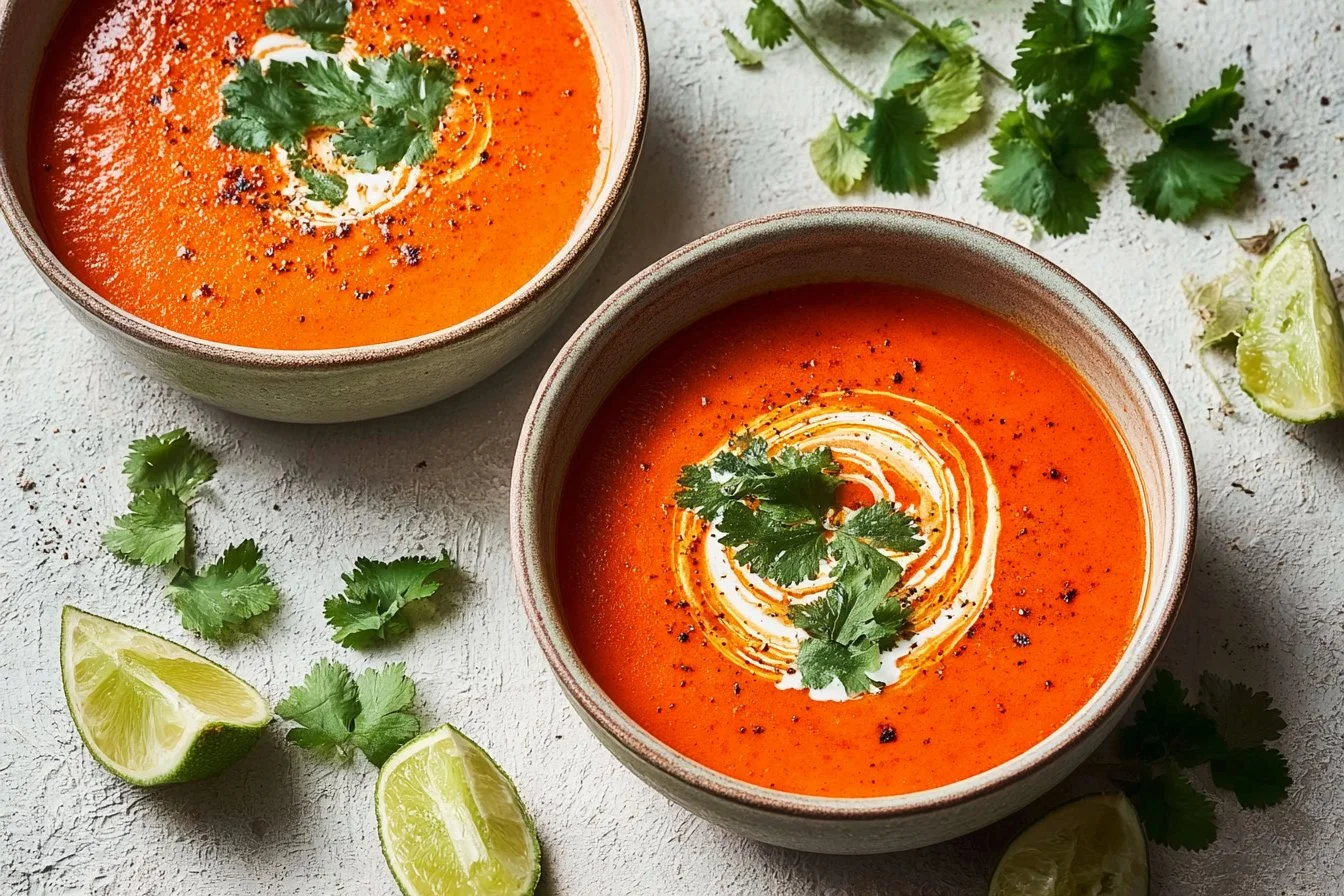
Spicy Thai Lentil Soup
Ingredients
Method
- Heat oil in a large pot over medium heat. Add onion and cook for 4–5 minutes until soft.
- Stir in garlic and ginger; cook for 30 seconds until fragrant. Add red curry paste and toast for 1 minute.
- Add rinsed red lentils, vegetable broth, and soy sauce. Bring to a simmer.
- Reduce heat and cook for 15–20 minutes, stirring occasionally, until lentils soften and begin to break down.
- Stir in coconut milk and lime juice. Warm through and adjust salt and spice to taste.
- Serve topped with cilantro and green onions. Offer lime wedges at the table.
Notes
🍲 More Cozy Homemade Soups to Try:
- Thai Curry Chicken Soup – rich, fragrant Thai curry soup with tender chicken and creamy coconut
- Coconut Curry Lentil Soup – warm golden curry lentils simmered gently in rich velvety coconut milk
(FAQs)
Can I use green or brown lentils instead of red lentils?
While you can technical use green or brown lentils, it will completely alter the texture, cooking time, and overall character of the dish. Green and brown lentils hold their firm shape when cooked and take much longer to soften (usually 35 to 45 minutes). They will not melt into a creamy, velvety broth the way split red lentils do. If you choose to use green or brown lentils, you will need to increase the cooking time substantially and add an extra cup of broth. For the iconic creamy texture of this soup, split red lentils are highly recommended.
How can I tone down the heat if I am sensitive to spice?
If you or your family members prefer mild flavors, there are several easy ways to tame the heat without sacrificing depth of flavor. First, reduce the red curry paste to just 1/2 or 1 tablespoon, choosing a mild Western brand like Thai Kitchen. Second, you can increase the amount of coconut milk slightly or add a dollop of plain Greek yogurt or unsweetened
Spicy Thai Lentil Soup
Ingredients
Method
- Heat oil in a large pot over medium heat. Add onion and cook for 4–5 minutes until soft.
- Stir in garlic and ginger; cook for 30 seconds until fragrant. Add red curry paste and toast for 1 minute.
- Add rinsed red lentils, vegetable broth, and soy sauce. Bring to a simmer.
- Reduce heat and cook for 15–20 minutes, stirring occasionally, until lentils soften and begin to break down.
- Stir in coconut milk and lime juice. Warm through and adjust salt and spice to taste.
- Serve topped with cilantro and green onions. Offer lime wedges at the table.

3 thoughts on “Spicy Thai Lentil Soup”