Imagine a cold, blustery afternoon where the wind rattles the windowpanes and the sky is a heavy, bruised shade of gray. Inside your kitchen, however, the atmosphere is entirely different. A gentle steam rises from a heavy-bottomed pot, carrying with it the intoxicating, earthy aroma of simmering lentils, the sweet fragrance of sautéed carrots, and a hint of warm, toasted cumin. This is the magic of a homemade Lentil Vegetable Soup. It is more than just a meal; it is a culinary embrace, a restorative tonic that promises to nourish your body and soothe your soul. There is something profoundly primal and satisfying about a pot of beans and vegetables bubbling away on the stove, transforming humble, pantry-staple ingredients into a masterpiece of texture and flavor.
As you stand over the stove, wooden spoon in hand, you are participating in a timeless tradition. For generations, home cooks across the globe have turned to the humble lentil as a source of strength and sustenance. Whether it is a French lentil stew flavored with thyme and leeks, an Indian dhal rich with turmeric and ginger, or a rustic Mediterranean soup brightened with lemon and parsley, the lentil is a versatile canvas for flavor. In this particular recipe, we focus on a harmonious balance of garden-fresh vegetables and hearty legumes, creating a symphony of tastes that feels both light and incredibly filling. Each spoonful offers a medley of textures—the tender bite of the lentils, the soft sweetness of the diced carrots, and the savory depth of a well-seasoned broth.
The beauty of this soup lies in its simplicity and its honesty. There are no complicated techniques to master, no expensive or hard-to-find ingredients, and no need for hours of labor. Instead, it relies on the quality of the ingredients and the patience of a slow simmer. It is a recipe that grows with you; as you become more comfortable in the kitchen, you will find yourself tweaking the spices, adding a handful of whatever greens are in your crisper drawer, or experimenting with different types of lentils to find your perfect bowl. It is the quintessential “weekend project” that yields enough leftovers to make your weekday lunches something to truly look forward to. It is a testament to the fact that the most comforting foods are often the ones that require the least fuss.
In the following guide, we will explore every facet of this beloved dish. We will dive deep into the world of lentils, discussing which varieties work best for different desired outcomes. We will break down the essential aromatics that form the foundation of the soup’s flavor profile and provide expert tips on how to build layers of seasoning that will make your soup taste like it came from a high-end bistro. Whether you are a seasoned home cook or a beginner just starting to build your kitchen confidence, this comprehensive exploration of Lentil Vegetable Soup will provide you with all the tools, insights, and inspiration you need to create a bowl of pure, unadulterated comfort.
Why You Will Love This Lentil Vegetable Soup
A Powerhouse of Nutrition
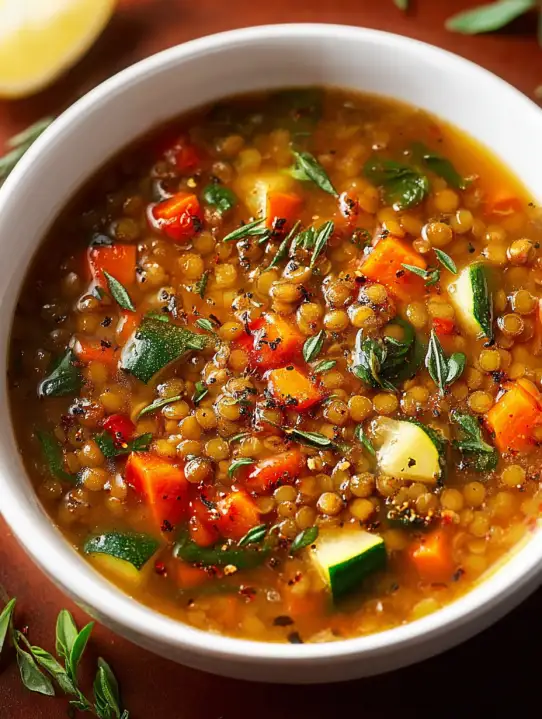
In an era where we are increasingly conscious of what we put into our bodies, this soup stands out as a nutritional superstar. Lentils are a fantastic source of plant-based protein, making this soup an excellent choice for vegetarians, vegans, and anyone looking to reduce their meat consumption without sacrificing satiety. But the benefits do not stop at protein. Lentils are packed with dietary fiber, which is essential for digestive health and helps keep you feeling full and energized throughout the day. When combined with the vitamins and minerals found in carrots, celery, onions, and tomatoes—such as Vitamin A, Vitamin C, and potassium—you have a meal that is as healthy as it is delicious. It is the kind of food that makes you feel good from the inside out, providing a clean source of energy without the heavy, sluggish feeling that can follow more processed meals.
Budget-Friendly and Accessible
One of the most appealing aspects of Lentil Vegetable Soup is its incredible affordability. Lentils are one of the most cost-effective proteins available on the market. A single bag of dried lentils, which costs just a few dollars, can feed a large family or provide a week’s worth of lunches. The remaining ingredients—onions, carrots, celery, and canned tomatoes—are kitchen staples that are readily available in almost every grocery store and are very easy on the wallet. This recipe proves that you do not need to spend a fortune to eat like royalty. By utilizing these simple, shelf-stable ingredients, you can create a high-quality, artisanal-tasting meal that respects your budget. It is a masterclass in the art of “peasant cooking,” where the most basic ingredients are elevated through care and technique into something truly extraordinary.
Unrivaled Versatility and Customization
Think of this recipe as a beautiful baseline—a sturdy foundation upon which you can build your own culinary masterpiece. The inherent versatility of lentils allows this soup to adapt to whatever you have on hand. Do you have a bag of spinach that is starting to wilt? Toss it in at the end. Have some leftover roasted sweet potatoes? They would make a wonderful addition. You can play with the spice profile by adding smoked paprika for a touch of woodsy depth, or perhaps a pinch of red pepper flakes for a bit of heat. The soup also accommodates various dietary needs with ease; it is naturally gluten-free and can be made vegan simply by ensuring your vegetable broth is plant-based. This adaptability makes it a reliable “go-to” recipe that never gets boring, as it can change with the seasons and your personal cravings.
The Perfect Meal-Prep Companion
For the busy individual or the organized home cook, this soup is a dream come true. Unlike many dishes that lose their luster after a day in the refrigerator, Lentil Vegetable Soup actually improves with age. As the soup sits, the flavors have more time to meld and intensify, often making the second and third days even more delicious than the first. It is also exceptionally freezer-friendly. You can make a double batch on a Sunday afternoon, portion it out into individual containers, and have a healthy, homemade meal ready to be reheated in minutes during a hectic work week. This “cook once, eat many times” philosophy is the secret to maintaining a healthy lifestyle amidst a busy schedule, and this soup is the ultimate tool for achieving that balance.
Key Ingredients and Flavor Dynamics
The Star of the Show: The Lentils
Lentils are small but mighty legumes that come in a variety of colors and textures, each bringing a unique personality to the soup pot. For this recipe, you have a few excellent options. Brown lentils are the most common variety found in grocery stores. They hold their shape reasonably well but soften enough to lend a pleasant thickness to the broth. Green lentils (sometimes called Lentils du Puy or French Green lentils) are slightly firmer and have a peppery, earthy flavor; they are ideal if you prefer a soup with a bit more structural integrity. Red lentils, on the other hand, break down almost completely during the cooking process, resulting in a creamy, porridge-like consistency that is incredibly comforting. Understanding these differences allows you to tailor the texture of your soup to your exact preference. Regardless of the variety you choose, always remember to rinse them thoroughly to remove any dust or small debris.
The Aromatic Foundation: Mirepoix
Every great soup begins with a strong foundation, and in Western culinary tradition, that foundation is often a “mirepoix”—a combination of diced onions, carrots, and celery. These three humble vegetables, when sautéed gently in olive oil, undergo a transformation. The onions lose their sharp bite and become sweet and translucent; the carrots release their natural sugars, and the celery adds a subtle, savory herbal note. This trio provides a depth of flavor that cannot be replicated by any single ingredient. It is the “bass note” of the soup, providing a consistent background melody that supports the more prominent flavors of the lentils and spices. Taking the time to properly dice these vegetables into uniform pieces ensures they cook evenly and provides a pleasing aesthetic to the finished bowl.
The Flavor Enhancers: Garlic, Cumin, and Bay Leaf
While the vegetables provide the base, the aromatics and spices provide the “high notes” and complexity. Garlic is essential for its pungent, savory kick; when minced and added late in the sautéing process, it infuses the oil with an irresistible aroma without becoming bitter. Cumin is a secret weapon in lentil soup; its warm, slightly smoky, and earthy profile complements the natural earthiness of the lentils perfectly. It adds a layer of “sunshine” to the dish, reminiscent of Middle Eastern and Indian flavor palettes. Finally, the bay leaf is a quiet hero. While you don’t eat it, simmering it in the broth releases a subtle, tea-like fragrance and a hint of bitterness that cuts through the richness of the legumes, providing a necessary balance to the overall flavor profile.
The Liquid Gold: Vegetable Broth and Tomatoes
The choice of liquid is crucial in determining the final quality of your soup. A high-quality vegetable broth provides the body and saltiness needed to carry the other flavors. Using a low-sodium version is a professional tip, as it allows you to control the final seasoning yourself, preventing the soup from becoming overly salty as it reduces. The addition of diced tomatoes (and their juices) is another layer of brilliance. Tomatoes provide acidity, which brightens the entire dish and prevents the lentils from tasting too “heavy.” They also contribute a beautiful red hue and small pops of texture that contrast nicely with the soft lentils. The juices from the can mingle with the broth to create a rich, complex liquid that you will want to soak up with every last piece of bread.
The Finishing Touch: Acidity and Herbs
The most common mistake home cooks make is forgetting the “brightening” step at the very end. After simmering, the flavors can sometimes feel a bit flat. A squeeze of fresh lemon juice (or a splash of red wine vinegar) acts like a volume knob for flavor, making every other ingredient “pop.” It provides a necessary counterpoint to the earthy, savory notes. Finally, a generous garnish of fresh parsley or cilantro adds a burst of color and a fresh, grassy finish that signals to the palate that the dish is vibrant and alive. These final touches are what separate a “good” home-cooked soup from a “restaurant-quality” experience.
Step-by-Step Cooking Guide and Culinary Techniques
Step 1: Preparing the Lentils and Mise en Place
Before you even turn on the stove, the first step is preparation, or what chefs call “mise en place” (everything in its place). Begin by measuring out your dried lentils. Pour them into a fine-mesh strainer and rinse them thoroughly under cold running water. As you rinse, run your fingers through the lentils to check for any small stones or debris that might have been packaged with them—this is a rare but important safety check. Once rinsed, set them aside to drain. Next, prepare your vegetables. Dicing the onion, carrots, and celery into uniform, bite-sized pieces (about 1/4 inch) ensures that every spoonful of soup has a balanced mix of ingredients and that everything cooks at the same rate. Mince your garlic finely so it can distribute its flavor evenly throughout the pot. Having everything chopped and ready to go makes the actual cooking process calm and enjoyable.
Step 2: Sweating the Aromatics
Place a large, heavy-bottomed pot or Dutch oven over medium heat and add the two tablespoons of olive oil. Once the oil is shimmering but not smoking, add your diced onion, carrots, and celery. This stage is called “sweating” the vegetables. You aren’t looking to brown them deeply; rather, you want to cook them gently until they soften and become translucent. Use a wooden spoon to stir them occasionally, ensuring they don’t stick to the bottom. This process usually takes about 6 to 8 minutes. As the vegetables cook, they release their moisture and their natural sugars begin to concentrate, creating the sweet and savory foundation of your soup. You will know they are ready when the onions are soft and the aroma in your kitchen begins to turn heavenly.
Step 3: Activating the Spices and Garlic
Once your vegetables are softened, create a little well in the center of the pot and add your minced garlic and the ground cumin. This is a critical technique: by adding these aromatics directly to the hot oil for just about 30 seconds, you “bloom” the spices. The heat releases the essential oils in the cumin and the pungent compounds in the garlic, intensifying their flavor significantly more than if you had simply tossed them into the liquid. Be careful not to let the garlic brown or burn, as it can turn bitter very quickly. As soon as you can smell the incredible fragrance of the toasted cumin and garlic, you are ready for the next step. This brief moment of focused heat is the secret to a professional-tasting soup.
Step 4: Building the Soup Body
Now it is time to bring all the elements together. Pour in the can of diced tomatoes, making sure to include all those flavorful juices from the can. Add your rinsed lentils, the bay leaf, and the six cups of vegetable broth. Increase the heat to medium-high and bring the mixture to a gentle boil. As the liquid heats up, use your wooden spoon to scrape the bottom of the pot. If any bits of vegetable have stuck to the bottom, this liquid will help release them—these bits are packed with concentrated flavor. Once the soup reaches a boil, you will see the lentils dancing in the bubbling broth, beginning their transformation from hard seeds into tender morsels of goodness.
Step 5: The Gentle Simmer
Once the soup has reached a boil, immediately turn the heat down to low. You want a “lazy bubble”—a gentle simmer rather than a rolling boil. Cover the pot with a lid, but leave it slightly ajar to allow a small amount of steam to escape, which helps slightly concentrate the flavors. The cooking time will depend on the type of lentils you used: brown or green lentils typically take 20 to 30 minutes, while red lentils can be ready in as little as 12 to 15 minutes. The goal is for the lentils to be tender to the bite but not completely disintegrated (unless you are using red lentils for a creamier texture). Periodically check the soup and give it a stir to ensure nothing is sticking to the bottom. This is the stage where the magic happens, as the lentils absorb the seasoned broth and the vegetables become perfectly tender.
Step 6: The Finishing Flourish and Seasoning
When the lentils are cooked to your satisfaction, turn off the heat. Remove the bay leaf and discard it—its job is done. Now comes the most important part: seasoning. Taste the soup. It will likely need salt and black pepper to truly bring the flavors to life. Add them gradually, tasting after each addition. Now, add that crucial squeeze of fresh lemon juice. Stir in your freshly chopped parsley or cilantro. The green herbs will wilt slightly in the residual heat, releasing their fresh aroma. Give the soup one final stir and a final taste. You should notice how the lemon juice has brightened the earthy lentils and how the salt has unified all the disparate flavors. Serve the soup piping hot in deep bowls, perhaps with an extra sprinkle of herbs on top for beauty.
Variations, Make-Ahead Strategies, and Storage
Creative Flavor Variations
While the base recipe is spectacular, there are endless ways to customize your Lentil Vegetable Soup to suit your mood or the contents of your pantry. For a Mediterranean twist, add a teaspoon of dried oregano and some chopped kale or Swiss chard during the last 10 minutes of simmering. Top the finished bowl with a dollop of Greek yogurt and a sprinkle of feta cheese. If you’re craving smoky depth, replace the cumin with smoked paprika and add a few drops of liquid smoke or a diced chipotle pepper in adobo sauce. For a heartier version, you can add diced potatoes or even a handful of small pasta shapes like ditalini or orzo during the final stages of cooking (just be sure to add a bit more broth as the starch will absorb liquid). You can also experiment with different oils, such as using a touch of toasted sesame oil at the end for an Asian-inspired earthy undertone.
The Power of Greens and Grains
One of the easiest ways to boost the nutritional profile and textural interest of this soup is by incorporating leafy greens. Spinach, kale, collard greens, or even beet tops can be stirred in at the very end. The residual heat of the soup will wilt them in seconds, preserving their vibrant color and delicate nutrients. If you want to turn this soup into a truly “one-pot meal” that will keep you full for hours, consider serving it over a scoop of cooked brown rice, quinoa, or farro. The combination of legumes and whole grains creates a complete protein and adds a wonderful chewiness to the dish. This is a particularly great strategy for feeding hungry teenagers or athletes who need extra calories and sustenance.
Professional Make-Ahead and Storage Tips
This soup is a champion of meal prep. If you are making it ahead of time, follow the recipe exactly, but perhaps slightly undercook the lentils by just a couple of minutes, as they will continue to soften as they cool and when they are eventually reheated. Refrigeration: Allow the soup to cool to room temperature before transferring it to airtight containers. It will stay fresh and delicious in the refrigerator for up to 5 days. Freezing: This soup freezes beautifully. Use freezer-safe bags or containers, leaving about an inch of “headspace” at the top to allow for expansion as the liquid freezes. It will maintain its quality for up to 3 months. To reheat, simply thaw it overnight in the refrigerator or place the frozen block directly into a pot over low heat, adding a splash of water or broth to loosen it up as it melts.
Accompaniments and Serving Suggestions
While a bowl of this soup is a meal in itself, the right accompaniments can elevate it to a feast. A thick slice of artisanal sourdough bread, toasted and rubbed with a raw garlic clove, is the ultimate vessel for dipping into the rich broth. A crusty baguette or a warm piece of whole-wheat pita bread also works wonderfully. For a lighter pairing, serve the soup alongside a fresh garden salad featuring crisp cucumbers, radishes, and a bright lemon-tahini dressing. If you find the soup particularly earthy or spicy, a dollop of cooling herb yogurt (plain yogurt mixed with chopped mint or dill) can provide a refreshing contrast. These additions provide a variety of textures—crunchy, creamy, and fresh—that make the entire dining experience more dynamic and satisfying.
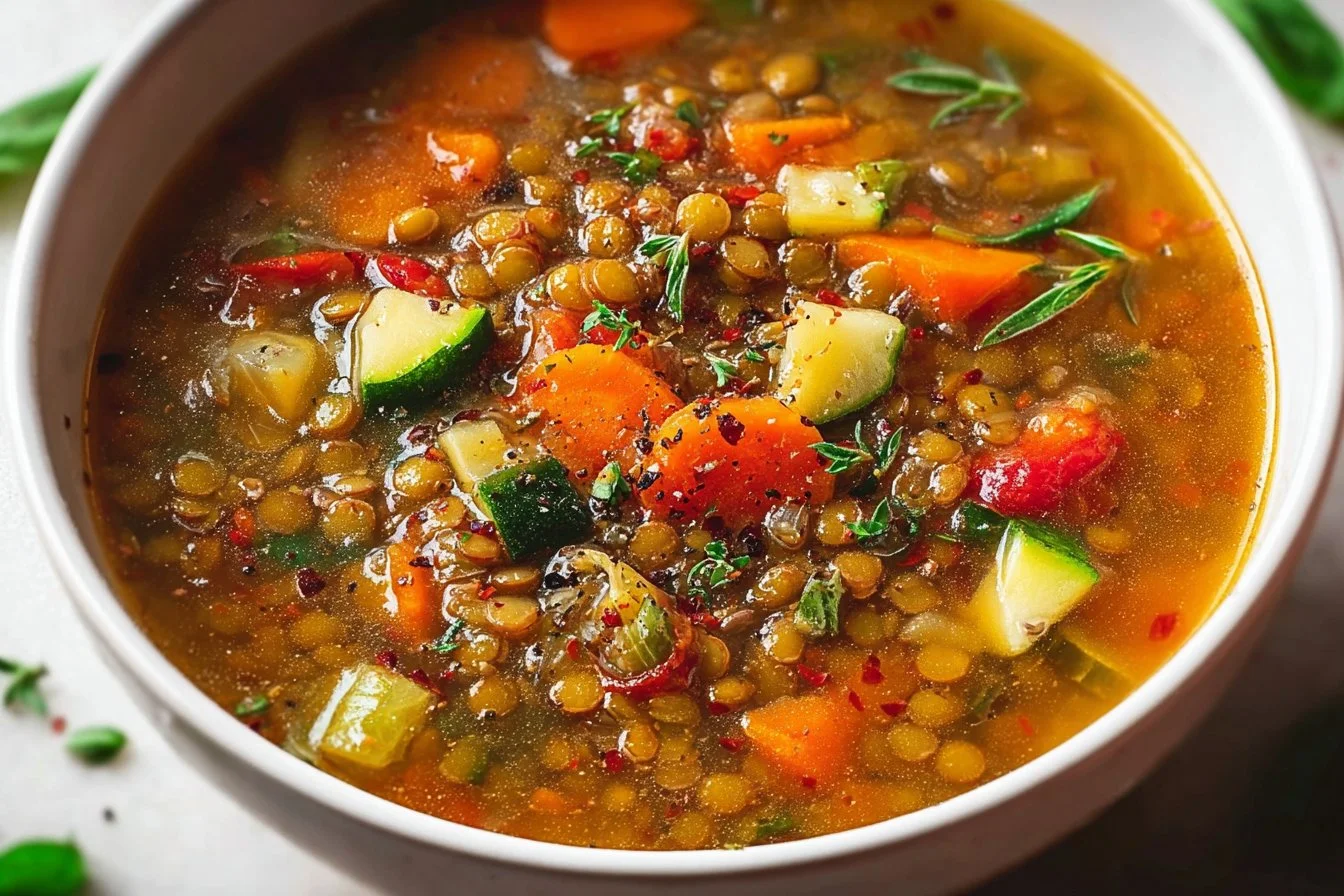
Lentil Vegetable Soup
Ingredients
Method
- Rinse lentils under cold water and set aside.
- Heat olive oil in a large pot over medium heat. Add onion, carrots, and celery. Cook for 6–8 minutes until softened.
- Stir in garlic and cumin; cook for 30 seconds until fragrant.
- Add diced tomatoes (with juices), lentils, bay leaf, and vegetable broth. Bring to a boil.
- Reduce heat, cover, and simmer for 20–30 minutes (red lentils 12–15 minutes) until lentils are tender.
- Remove bay leaf. Season with salt, pepper, and lemon juice. Stir in chopped parsley. Serve hot.
Notes
🍲 More Cozy Homemade Soups to Try:
- Vegan Lentil Soup – classic comforting plant-based soup simmered to savory perfection
- Lentil Soup with Spinach – earthy brown lentils folded with fresh baby spinach and garlic
(FAQs)
Do I need to soak the lentils before cooking?
Unlike many other dried beans like chickpeas or kidney beans, lentils do not require soaking. Because they are so small, they cook relatively quickly on their own. In fact, soaking lentils can sometimes lead to them becoming overly mushy or losing their structural integrity during the simmering process. The only preparation lentils truly need is a thorough rinsing in a fine-mesh strainer to remove any dust, dirt, or the occasional small pebble. This convenience is one of the reasons lentils are such a fantastic ingredient for weeknight cooking; you can go from dry pantry staple to a finished meal in under forty-five minutes without any advance planning.
My soup turned out too thick. How can I fix it?
It is very common for lentil soup to thicken as it sits, especially if you are using red lentils or if you let it simmer for a long time. Lentils are naturally starchy and will continue to absorb liquid even after the heat is turned off. If your soup has become more of a stew or a thick mash, do not worry—it is a very easy fix. Simply stir in a half-cup to a cup of additional vegetable broth or water while reheating it over low heat. Add the liquid gradually until you reach your desired consistency. You may need to add a tiny pinch more salt or a squeeze of lemon juice to re-balance the flavors once you’ve diluted the broth, but your soup will be as good as new.
Can I make this in a slow cooker or an Instant Pot?
Absolutely! This recipe is very adaptable to modern kitchen appliances. For a slow cooker, sauté the vegetables and aromatics in a pan first for the best flavor (or just toss them in raw if you’re in a hurry), then add everything else to the crockpot and cook on low for 6 to 8 hours or on high for 3 to 4 hours. For an Instant Pot, use the “Sauté” function for the vegetables and garlic, then add the remaining ingredients and cook on “Manual High Pressure” for about 10 to 12 minutes (for brown lentils), followed by a natural pressure release. These methods are great for those days when you want to “set it and forget it” and come home to a house that smells like a warm kitchen hug.
What if I don’t have vegetable broth?
While vegetable broth provides the most depth, you can certainly make a delicious soup using just water. If you choose to use water, you will need to be a bit more generous with your seasonings. Consider adding an extra bay leaf, a bit more cumin, or even a teaspoon of soy sauce or miso paste to provide that “umami” savory depth that broth usually provides. You could also add a “parmesan rind” (if you are not vegan) to the simmering liquid to infuse it with a salty, nutty richness. Another option is to use a high-quality vegetable bouillon cube or base, which can be kept in the pantry for exactly these situations.
How do I prevent my lentils from getting mushy?
The key to perfect lentil texture is monitoring the heat and the timing. First, ensure you are using the right type of lentil for the texture you want; brown and green lentils hold their shape better than red. Second, avoid a rolling boil; once the soup reaches a boil, immediately turn it down to a low, gentle simmer. High heat can cause the skins of the lentils to burst, leading to a mushy consistency. Finally, start checking the lentils for doneness about 5 minutes before the recipe suggests. They should be tender all the way through but still have a slight “bite” to them. As soon as they reach this stage, remove the pot from the heat. Remember that they will continue to soften slightly in the residual heat of the broth.
Is this soup kid-friendly?
Many children actually love lentil soup because of its mild, slightly sweet flavor and soft texture. If you have picky eaters, you can customize the soup to make it more appealing to them. For example, you can dice the vegetables very finely so they “disappear” into the soup, or you can use an immersion blender to partially or fully purée the soup, turning it into a smooth, creamy “dip” that can be eaten with crackers or bread sticks. The cumin provides a warm flavor without being “spicy” in terms of heat, which is usually well-tolerated by younger palates. It’s a great way to introduce kids to the wonderful world of legumes and healthy vegetables in a format that feels familiar and comforting.
In conclusion, this Lentil Vegetable Soup is a testament to the power of simple ingredients treated with care. It is a dish that rewards your minimal effort with a wealth of flavor, nutrition, and comfort. Whether you are seeking a healthy meal-prep option, a budget-friendly family dinner, or a cozy bowl of warmth on a cold day, this recipe is sure to become a cherished staple in your kitchen. So, gather your ingredients, put on your favorite apron, and enjoy the meditative process of creating a soup that is truly good for the soul. Happy cooking!
Lentil Vegetable Soup
Ingredients
Method
- Rinse lentils under cold water and set aside.
- Heat olive oil in a large pot over medium heat. Add onion, carrots, and celery. Cook for 6–8 minutes until softened.
- Stir in garlic and cumin; cook for 30 seconds until fragrant.
- Add diced tomatoes (with juices), lentils, bay leaf, and vegetable broth. Bring to a boil.
- Reduce heat, cover, and simmer for 20–30 minutes (red lentils 12–15 minutes) until lentils are tender.
- Remove bay leaf. Season with salt, pepper, and lemon juice. Stir in chopped parsley. Serve hot.