
Imagine, if you will, the quintessential afternoon of a crisp late-autumn day. The sky outside is a soft, muted gray, and a gentle drizzle taps rhythmically against the windowpane, a cooling contrast to the warmth beginning to radiate from the heart of your home. In the kitchen, a heavy-bottomed pot sits atop the stove, sending plumes of fragrant, savory steam into the air—a scent that carries the promise of comfort, security, and nourishment. This is the magic of a homemade soup, a culinary embrace that has the power to turn a simple house into a sanctuary and a quiet meal into a cherished memory. There is something profoundly primal about the aroma of onions and celery softening in butter, a foundational scent that signals to everyone in the house that something truly wonderful is about to happen.
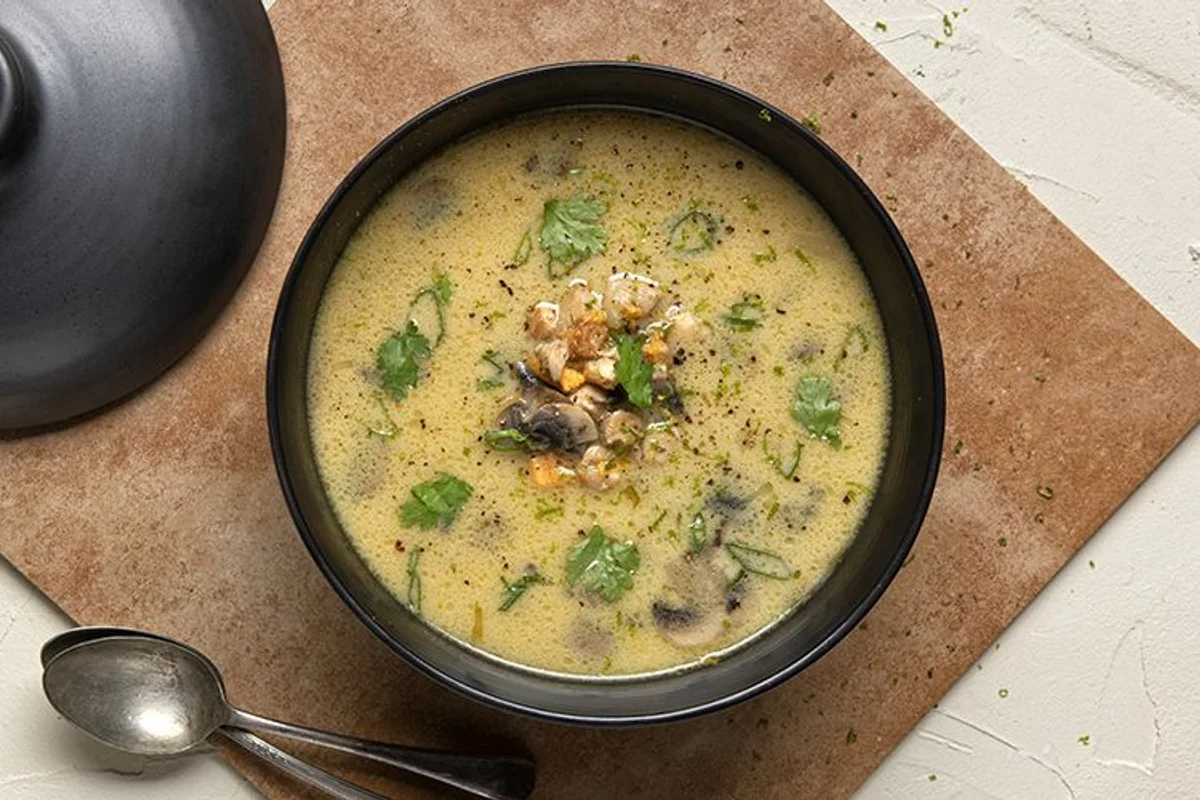
As you lift the lid to stir the pot, the sight is just as inviting as the smell. The vibrant orange of diced carrots dances alongside the pale green of celery and the translucent shimmer of onions, all bathed in a golden, buttery sheen. When the chicken broth is added, followed by the richness of milk or cream, the soup transforms into a silky, velvet-like pool that cradles tender morsels of chicken and the earthy notes of thyme. It is a dish that requires no fancy equipment or rare ingredients, yet it yields a result that feels like a luxury. This is not just food; it is a bowl of liquid gold, a testament to the idea that the simplest ingredients, when treated with care and patience, can create a masterpiece of home cooking.
For the home cook, the beauty of a creamy chicken soup lies in its approachability and the rhythmic, almost meditative process of its creation. From the steady chop-chop-chop of the vegetables on the cutting board to the gentle whisking of the flour into the butter, every step is an invitation to slow down and connect with the ingredients. There is a deep satisfaction in watching a handful of humble pantry staples—flour, broth, milk, and herbs—marry together into a cohesive, deeply flavorful whole. Whether you are cooking for a family of four, preparing a healing meal for a friend under the weather, or simply treating yourself to a week of cozy lunches, this recipe serves as a reliable companion, a culinary constant in an ever-changing world.
As we dive into the nuances of this recipe, we will explore not just the “how” but the “why” behind every technique. We will talk about the importance of layering flavors, the secret to achieving that perfect creamy consistency without it feeling heavy, and the ways you can customize this base to suit your personal palate. By the time the final garnish of fresh parsley or chives hits the surface, you won’t just have a pot of soup; you will have a newfound confidence in your ability to create restaurant-quality comfort food right in your own kitchen. So, tie on your apron, sharpen your favorite chef’s knife, and let us embark on this journey toward the ultimate bowl of homemade creamy chicken soup.

Why You Will Love This Homemade Creamy Chicken Soup
The Ultimate Comfort Food Experience
There is a reason why chicken soup is often referred to as “soul food” across various cultures. It possesses a unique ability to soothe the spirit and warm the body simultaneously. This creamy version takes that comfort to a new level. While a clear chicken noodle soup is light and refreshing, a creamy chicken soup feels like a warm hug. The addition of a thickening agent and a touch of dairy creates a luscious mouthfeel that lingers on the palate, making every spoonful feel substantial and satisfying. It is the kind of meal that makes you want to curl up on the sofa with a thick blanket and a good book, letting the world outside fade away for a while.
Versatility and Adaptability
One of the most compelling reasons to fall in love with this recipe is its incredible versatility. It serves as a magnificent “mother recipe”—a foundational blueprint that you can tweak and transform based on what you have in your refrigerator or what your cravings dictate. Do you have some leftover roasted mushrooms? Toss them in. Want to add some greens? A handful of baby spinach or kale stirred in at the end provides a lovely pop of color and nutrition. You can swap the thyme for rosemary or sage, use heavy cream for an ultra-indulgent dinner, or stick to whole milk for a lighter weekday lunch. It is a recipe that grows with you and adapts to your lifestyle.
A Practical Solution for Busy Lives
In our modern, fast-paced world, finding time to cook a “from scratch” meal can feel daunting. However, this creamy chicken soup is surprisingly efficient. By utilizing pre-cooked chicken—such as a rotisserie chicken from the grocery store or leftovers from a Sunday roast—you bypass the longest part of the cooking process. The vegetables sauté quickly, the base thickens in minutes, and because the chicken is already cooked, you only need to simmer the soup long enough for the flavors to meld. It is a gourmet-quality meal that can be on the table in under forty minutes, making it a hero for busy weeknights when you still want to serve something wholesome and homemade.
A Nutritional Powerhouse in a Bowl
Beyond its delicious taste, this soup is packed with ingredients that are genuinely good for you. The “holy trinity” of onions, carrots, and celery provides a wealth of vitamins, minerals, and antioxidants. Garlic is well-known for its immune-boosting properties, and the chicken broth offers a hydrating, protein-rich base. Even the dairy provides a boost of calcium and vitamin D. When you make soup at home, you have total control over the sodium content, avoiding the excessive salt often found in canned versions. It is a meal that nourishes the body as much as it delights the senses.
The Joy of the Process
Finally, you will love this soup because the process of making it is genuinely enjoyable. There is a tactile pleasure in the preparation—the crackle of the onion skin, the bright scent of the garlic as it hits the warm butter, and the visual transformation of the broth as it turns from a thin liquid into a rich, opaque sauce. Cooking this soup is an act of mindfulness. It encourages you to taste as you go, to adjust the seasoning, and to take pride in the craft of home cooking. The reward isn’t just the final bowl of soup; it’s the sense of accomplishment that comes from creating something beautiful and nourishing from scratch.
Key Ingredients and Flavor Dynamics
The Foundation: Butter and the Aromatic Trinity
Every great soup begins with a strong foundation, and for this creamy chicken soup, that foundation is built on butter and the classic combination of onions, carrots, and celery. Butter is chosen here over oil for its incomparable flavor and its ability to create a rich, silky base. As the butter melts, it absorbs the essential oils from the vegetables, carrying those flavors throughout the entire pot. The onion provides a subtle sweetness and a deep savory base; the carrots add a touch of earthiness and a bright visual pop; and the celery offers a clean, slightly salty note that balances the richness of the dairy. Together, these three ingredients create a complex flavor profile that is more than the sum of its parts.
The Magic of Garlic
Garlic is the secret weapon in this recipe. While onions provide the broad strokes of flavor, garlic provides the sharp, aromatic highlights. It is crucial to add the garlic only after the other vegetables have softened, as garlic can burn quickly and turn bitter. By cooking it for just thirty to sixty seconds, you release its pungent fragrance and mellow its bite, allowing it to weave its way into the butter and vegetables without overpowering the delicate balance of the soup. Freshly minced garlic is always preferred over the pre-jarred variety, as the natural oils in fresh garlic are much more vibrant and flavorful.
The Role of Flour as a Thickener
In many creamy soups, flour acts as the structural engineer. By sprinkling flour over the butter-coated vegetables, you are creating a thickening base. This technique ensures that the soup has body and “cling”—the ability to coat the back of a spoon—without having to rely solely on heavy cream. It is important to cook the flour for a minute or two before adding the liquid; this “toasts” the flour, removing the raw, cereal-like taste and replacing it with a very subtle nuttiness. This step is what separates a thin, watery soup from one that feels luxurious and professionally made.
The Importance of Quality Broth
Since broth makes up the bulk of the liquid in this recipe, its quality is paramount. Using a low-sodium chicken broth gives you the most control over the final seasoning of the dish. A high-quality broth should taste like chicken and vegetables, not just salt. If you have the time, using a homemade bone broth can elevate this soup to legendary status, providing a depth of flavor and a richness of texture that store-bought versions simply cannot match. However, a good-quality organic store-bought broth is an excellent and convenient alternative that works perfectly for everyday cooking.
The Star of the Show: The Chicken
The chicken provides the heartiness and protein that makes this soup a full meal. Using cooked chicken is a brilliant time-saver. A rotisserie chicken is a fantastic option because it is already seasoned and incredibly tender. You can use a mix of white and dark meat for the best flavor and texture—the breast meat is lean and classic, while the thigh meat is juicier and more flavorful. Whether you choose to shred the chicken into long, rustic strands or dice it into neat, uniform cubes is entirely up to your personal preference. The key is to ensure the pieces are bite-sized, making the soup easy and pleasant to eat.
The Creamy Element: Milk, Half-and-Half, or Cream
This is where you can truly customize the richness of your soup. Milk (preferably whole milk) provides a light, creamy finish that is perfect for a standard lunch. Half-and-half—a mixture of equal parts milk and cream—strikes a wonderful balance, offering a noticeably richer texture without being overly heavy. For a truly decadent, restaurant-style experience, heavy cream is the way to go. The fat in the dairy doesn’t just add texture; it also acts as a flavor carrier, mellowing the acidity of the broth and the sharpness of the herbs, resulting in a rounded, harmonious taste.
Herbs and Seasoning: The Finishing Touches
Finally, we look to the herbs to provide brightness and complexity. Thyme is the classic companion to chicken, offering a woody, slightly lemony aroma that cuts through the richness of the cream. A bay leaf, while optional, adds a subtle layer of herbal depth that you might not notice is there, but you would certainly notice if it were missing. Salt and pepper are the most important seasonings of all; salt enhances all the other flavors, while black pepper adds a gentle heat. Finishing the soup with fresh parsley or chives adds a burst of “green” flavor and a professional-looking garnish that makes the dish look as good as it tastes.
Step-by-Step Cooking Guide and Culinary Techniques
Step 1: Softening the Aromatics
The journey begins with a large, heavy pot—think of a Dutch oven or a sturdy stockpot. Place it over medium heat and add your butter. As the butter melts and begins to foam slightly, add your finely chopped onion, diced carrots, and diced celery. This is the stage where we build the “flavor floor” of our soup. You aren’t looking to brown the vegetables; instead, you want to “sweat” them. This means cooking them gently until they become soft and the onions turn a beautiful, translucent pearly color. This process usually takes about five to seven minutes. Stir them occasionally with a wooden spoon, enjoying the way the kitchen begins to fill with that classic, cozy aroma. By softening the vegetables now, you ensure they will be perfectly tender in the finished soup.
Step 2: Adding the Aromatic Spark
Once your vegetables are tender and fragrant, it is time to add the minced garlic. Garlic is much more delicate than onions or carrots and can burn in the blink of an eye. Move the vegetables slightly to the sides of the pot, creating a little space in the center, and drop in your garlic. Stir it constantly for just about thirty seconds. You will know it is ready when you suddenly get a hit of that unmistakable, sharp garlic scent. This brief window of time is all it takes to wake up the garlic’s flavors without risking the bitterness that comes with overcooking it.
Step 3: Creating the Thickening Base
Now, we move to a crucial technique. Sprinkle the quarter-cup of all-purpose flour evenly over the buttery vegetables. Use your spoon or a whisk to stir everything together until the flour has completely coated the vegetables and no white streaks remain. Continue to cook this mixture for about one to two minutes. This part is vital: we are cooking the “raw” edge off the flour. As it cooks, it will smell slightly nutty and the mixture might look a bit like a thick paste clinging to the veggies. This step ensures that your soup will have a smooth, professional consistency rather than a floury or grainy texture.
Step 4: Incorporating the Broth and Herbs
This is the moment where the soup starts to take its liquid form. Slowly begin to pour in your chicken broth. It is best to add about a cup at a time, whisking or stirring vigorously after each addition. This gradual process prevents lumps from forming and allows the flour-coated vegetables to integrate smoothly with the liquid. As you stir, be sure to scrape the bottom of the pot to release any flavorful bits that might have stuck there. Once all the broth is in, add your bay leaf and your thyme. Increase the heat slightly to bring the mixture to a gentle simmer—look for small bubbles breaking the surface, but avoid a violent, rolling boil.
Step 5: Adding the Chicken and Simmering
Once the soup has reached a simmer, it is time to introduce the star ingredient: the cooked chicken. Carefully slide the shredded or diced chicken into the pot. Because the chicken is already cooked, this step isn’t about cooking the meat, but rather about allowing the chicken to absorb the flavors of the broth and herbs, and for the soup to thicken slightly as it simmers. Let everything bubble away gently for about eight to ten minutes. This “melding” period is where the magic happens—the vegetables finish softening, the herbs release their oils, and the broth takes on the savory essence of the chicken. The soup will begin to look more cohesive and slightly more opaque.
Step 6: The Creamy Transformation
Now, we add the element that gives this soup its name. Lower the heat to medium-low and slowly pour in your milk, half-and-half, or cream. Stir gently as the soup transforms from a clear golden broth into a rich, creamy masterpiece. The most important rule at this stage is: do not let the soup come to a boil once the dairy has been added. High heat can cause the dairy to “break” or curdle, resulting in a grainy texture. You simply want to heat the soup through until it is steaming and luxurious. This is also the time to perform your final taste test. Add salt and black pepper gradually, tasting after each addition, until the flavors truly sing.
Step 7: The Final Flourish
Your soup is almost ready to serve. Turn off the heat and use a spoon to fish out and discard the bay leaf—its work is done. Now, add your fresh parsley or chives. These fresh herbs provide a bright, clean contrast to the rich, savory soup and add a beautiful visual element. Give it one last gentle stir, and you are ready to ladle the soup into warm bowls. The result should be a soup that is thick enough to be comforting, thin enough to be elegant, and bursting with the honest, clean flavors of home.
Variations, Make-Ahead Strategies, and Storage
Flavor Variations to Try
While the classic recipe is a masterpiece of balance, there are endless ways to put your own spin on it. If you are a fan of earthy flavors, try adding a cup of sliced cremini or button mushrooms during the initial sautéing step. For a touch of sweetness and extra texture, a half-cup of frozen peas or corn kernels can be added along with the chicken. If you want to turn this into a “Creamy Chicken and Rice” or “Creamy Chicken Noodle” soup, you can stir in pre-cooked rice or cooked noodles at the very end when you add the dairy. For those who enjoy a bit of acidity to cut through the richness, a tiny squeeze of fresh lemon juice just before serving can brighten the entire dish in a surprising and delightful way.
Dietary Adaptations
This recipe is also quite easy to adapt for various dietary needs. If you need a gluten-free version, you can replace the all-purpose flour with a gluten-free all-purpose blend, or omit the flour altogether and thicken the soup at the end with a “slurry” made of two tablespoons of cornstarch mixed with two tablespoons of cold water. For a dairy-free version, you can use a high-quality, unsweetened almond or cashew milk, though keep in mind that the flavor profile will shift slightly. To maintain the richness without dairy, full-fat coconut milk can be used, which gives the soup a subtle, exotic undertone that pairs beautifully with the chicken and thyme.
Make-Ahead and Meal Prep Strategies
Creamy chicken soup is an excellent candidate for meal prepping. In fact, many people find that the flavor actually improves the next day as the herbs and seasonings have even more time to develop. You can easily make a double batch on a Sunday and have a ready-to-go lunch for the entire week. If you are planning to make this ahead of time, one professional tip is to slightly under-season it, as the flavors will intensify as it sits in the refrigerator. When you are ready to eat, simply reheat it gently on the stove over low heat. If the soup has thickened too much in the fridge, you can thin it out with a splash of extra broth or milk during the reheating process.
Storage and Freezing Guidelines
Proper storage is key to maintaining the quality of your soup. Once the soup has cooled to room temperature, transfer it to airtight containers. It will stay fresh in the refrigerator for up to three to four days. When it comes to freezing, creamy soups require a bit of extra care. Dairy-based soups can sometimes change texture when frozen and thawed, occasionally becoming slightly grainy. If you know you want to freeze a portion of the soup, consider freezing it before adding the milk or cream. When you are ready to serve, thaw the broth-and-vegetable base, bring it to a simmer, and then stir in the fresh dairy. However, if you do freeze the finished soup, it is still perfectly safe to eat; just be sure to reheat it very slowly and give it a good whisking to help the texture smoothen back out.
Perfect Pairings for a Complete Meal
While a bowl of this soup is a meal in itself, the right accompaniment can elevate the experience. A thick slice of artisanal sourdough bread, toasted and slathered with salted butter, is the perfect tool for swiping up every last drop of creamy broth. For something lighter, a crisp garden salad with a simple lemon and olive oil vinaigrette provides a refreshing contrast to the soup’s richness. If you want to go the classic route, a stack of saltine crackers or a handful of oyster crackers adds a nostalgic, salty crunch. For a more substantial dinner, consider serving the soup alongside a platter of roasted root vegetables or a simple herb-flecked rice pilaf.

Homemade Creamy Chicken Soup
Ingredients
Method
- Melt butter in a large pot over medium heat. Add onion, carrots, and celery. Cook until the onion becomes translucent, about 5–7 minutes.
- Stir in garlic and cook for 30 seconds until fragrant.
- Sprinkle the flour over the vegetables and stir for 1–2 minutes to cook the raw flour taste.
- Slowly whisk in the chicken broth, scraping any bits from the pot. Add the bay leaf and thyme. Bring to a gentle simmer.
- Add the cooked chicken and simmer for 8–10 minutes to meld flavors.
- Stir in milk or half-and-half and heat gently, ensuring not to boil after adding dairy. Season with salt and pepper.
- Remove the bay leaf, finish with chopped parsley or chives, and serve.
Notes
🍲 More Cozy Homemade Soups to Try:
- Slow Cooker Chicken Soup – effortless, slow-simmered chicken and vegetable comfort
- Comforting Chicken and Potato Soup – rustic shredded chicken with tender potatoes in a rich golden broth
(FAQs)
Can I make this soup in a slow cooker?
Yes, you can certainly adapt this for a slow cooker! To do so, place the vegetables, broth, chicken, and herbs in the slow cooker and cook on low for 6–7 hours or on high for 3–4 hours. However, you will still need to do a little bit of stovetop work for the best results. About 30 minutes before the soup is done, whisk the flour into the milk or cream until smooth, then stir that mixture into the slow cooker. This allows the flour to thicken the soup without the need for a stovetop roux. Alternatively, you can sauté the vegetables and flour on the stove first as per the original instructions, then transfer everything to the slow cooker to finish.
My soup is too thin. How can I thicken it up?
If your soup hasn’t reached your desired thickness, don’t worry—it’s an easy fix! The simplest way is to let it simmer uncovered for an extra 10–15 minutes, allowing some of the liquid to evaporate and the flavors to concentrate. If you need a more immediate fix, you can create a “slurry.” Mix one or two tablespoons of cornstarch with an equal amount of cold water or milk until smooth, then slowly whisk this into the simmering soup. It will thicken almost instantly. Another trick is to take a cup of the soup (veggies and all), blend it until smooth in a blender, and then stir it back into the pot. This adds body without changing the flavor profile.
Can I use raw chicken instead of cooked chicken?
Absolutely. If you prefer to start with raw chicken, you can poach it directly in the broth. After Step 4, when you have added the broth and brought it to a simmer, add raw chicken breasts or thighs to the pot. Cover and simmer for about 12–15 minutes, or until the chicken is cooked through. Remove the chicken, shred or dice it on a cutting board, and then return it to the pot. This method has the added benefit of infusing the broth with even more chicken flavor, though it does add a little more time to the overall process.
Why did my soup curdle when I added the milk?
Curdling usually happens for two reasons: high heat or acidity. If the soup is at a rolling boil when you add the dairy, the proteins in the milk can clump together. Always lower the heat before adding the milk or cream. Additionally, using cold dairy directly from the fridge into a hot pot can sometimes cause a “temperature shock.” To prevent this, you can let your milk sit on the counter for a few minutes to take the chill off, or “temper” it by whisking a small amount of the hot broth into the milk before pouring the whole mixture into the pot. Lastly, ensure your dairy is fresh, as older milk is more prone to curdling when heated.
How do I make this soup more flavorful?
If you find your soup tastes a bit flat, it usually needs one of three things: salt, acid, or herbs. First, try adding another pinch of salt; salt is a flavor enhancer that makes everything else taste more like itself. If that doesn’t do the trick, add a teaspoon of lemon juice or white wine vinegar. Acid acts as a “brightener” and can cut through the heaviness of the cream. Finally, check your herbs. If you used dried thyme that has been in your pantry for years, it may have lost its punch. Stirring in a fresh handful of parsley or chives at the end can provide that much-needed “fresh” note. You can also add a pinch of red pepper flakes for a subtle, background warmth.
What is the best way to reheat leftovers?
The best way to reheat this soup is gently on the stovetop over medium-low heat, stirring occasionally. This ensures the soup heats evenly without the dairy separating or the chicken becoming rubbery. Avoid using the microwave if possible, as it can create “hot spots” that might cause the cream to break. If the soup has thickened significantly in the refrigerator, simply add a tablespoon or two of water, broth, or milk to loosen it up as it warms. Once the soup is steaming and has reached your desired temperature, it’s ready to enjoy all over again.
Can I use turkey instead of chicken?
This recipe is a fantastic way to use up leftover holiday turkey! The flavor profile of turkey is very similar to chicken, though perhaps slightly richer. Simply swap the shredded chicken for shredded turkey in Step 5. You can also experiment with the herbs; turkey pairs beautifully with sage and rosemary in addition to the thyme mentioned in the recipe. It’s a wonderful way to transform holiday leftovers into a completely different, cozy meal that feels fresh and exciting.
Is this soup healthy?
Generally speaking, yes! This is a nutrient-dense meal filled with vegetables and protein. By making it at home, you are avoiding the preservatives and high sodium levels found in processed soups. To make it even healthier, you can use more carrots and celery, use a low-fat milk instead of heavy cream, and ensure you are using a low-sodium broth. The “creamy” nature of the soup comes largely from the flour-and-butter base rather than an excessive amount of fat, making it a relatively balanced option for a comforting dinner.
Homemade Creamy Chicken Soup
Ingredients
Method
- Melt butter in a large pot over medium heat. Add onion, carrots, and celery. Cook until the onion becomes translucent, about 5–7 minutes.
- Stir in garlic and cook for 30 seconds until fragrant.
- Sprinkle the flour over the vegetables and stir for 1–2 minutes to cook the raw flour taste.
- Slowly whisk in the chicken broth, scraping any bits from the pot. Add the bay leaf and thyme. Bring to a gentle simmer.
- Add the cooked chicken and simmer for 8–10 minutes to meld flavors.
- Stir in milk or half-and-half and heat gently, ensuring not to boil after adding dairy. Season with salt and pepper.
- Remove the bay leaf, finish with chopped parsley or chives, and serve.



6 thoughts on “Homemade Creamy Chicken Soup”