
Imagine walking into your kitchen on a crisp, cool evening, the windows slightly fogged from the warmth inside, and being greeted by an aroma so intoxicating it feels like a physical embrace. This is the magic of Thai Curry Chicken Soup. It is a dish that transcends the simple definition of “meal” and enters the realm of pure sensory experience. The air fills with the bright, citrusy notes of lemongrass, the earthy pungency of fresh ginger, and the creamy, tropical sweetness of coconut milk. It is a scent that promises comfort, vitality, and a journey to the vibrant street markets of Southeast Asia, all from the comfort of your own home. There is something deeply restorative about a bowl of soup that balances heat, salt, sugar, and acid so perfectly that every spoonful feels like a discovery.
This soup is not just a recipe; it is a masterclass in the art of balance. In the culinary world, we often talk about the “symphony of flavors,” but rarely is it as literal as it is here. You have the rich, velvety texture of the coconut milk providing a luxurious backdrop for the bold, spicy punch of the red curry paste. The chicken, whether you choose tender breasts or succulent thighs, absorbs these flavors, becoming a vessel for the broth. Then comes the brightness—the squeeze of fresh lime juice that cuts through the richness like a ray of sunshine, and the salty depth of fish sauce that provides that essential “umami” foundation. It is a dish that satisfies the soul as much as the palate, offering a warmth that lingers long after the bowl is empty.
As a home cook, there is a unique joy in mastering a dish that looks and tastes like it came from a high-end restaurant but can be prepared in a single pot in under thirty minutes. This Thai Curry Chicken Soup is the ultimate “weeknight luxury.” It is forgiving, adaptable, and incredibly rewarding. Whether you are seeking a healthy, nutrient-dense meal to boost your immune system or a decadent, creamy treat to share with loved ones, this soup fits the bill. It invites you to play with your food—to taste, to adjust, and to garnish with wild abandon. It is a celebration of fresh ingredients and simple techniques that yield extraordinary results.
Preparation is the key to enjoying the process as much as the result. As you slice the bell peppers into vibrant ribbons and mince the garlic until it’s almost a paste, you are participating in a tradition of flavor-building that has been refined over centuries. This soup is a testament to the idea that cooking does not have to be complicated to be profound. By the time you sit down to eat, with a piece of crusty sourdough bread or a side of cooling herb yogurt, you will realize that you haven’t just made dinner—you’ve created an experience. Let’s dive into the nuances of this spectacular dish and explore why it deserves a permanent place in your culinary repertoire.
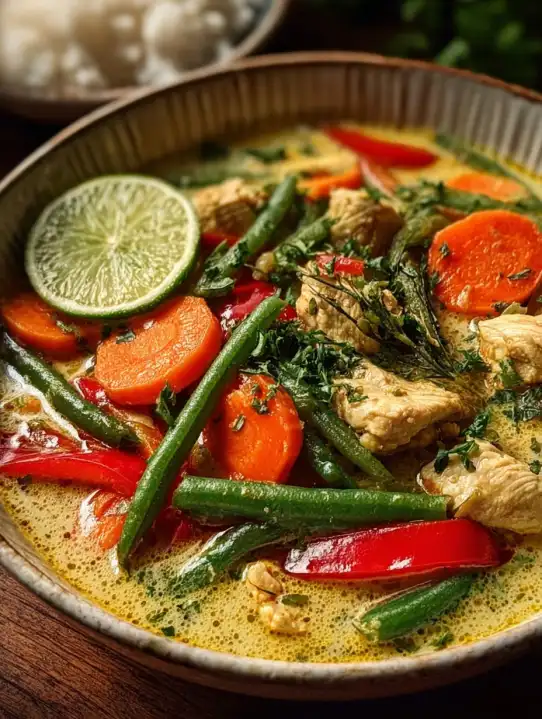
Why You Will Love This Thai Curry Chicken Soup
The Perfect Balance of the Five Tastes
One of the primary reasons this soup is so addictive is its adherence to the fundamental principles of Thai cuisine: the balance of sweet, sour, salty, spicy, and bitter. In this recipe, the brown sugar provides the sweetness, the lime juice offers the sour, the fish sauce brings the salt, the red curry paste delivers the spice, and the fresh herbs provide that slight, refreshing bitter edge. When these five elements are in harmony, your brain registers a sense of complete culinary satisfaction. You won’t find yourself craving anything else after a bowl of this soup because it hits every single flavor receptor on your tongue.
A Nutritional Powerhouse
Beyond its incredible flavor, this soup is packed with ingredients that are genuinely good for you. Ginger and garlic are world-renowned for their anti-inflammatory and immune-boosting properties. The red bell peppers are loaded with Vitamin C, and the coconut milk provides healthy fats that help your body absorb fat-soluble vitamins. If you choose to add mushrooms, you’re introducing a wealth of B vitamins and antioxidants. It’s a meal that leaves you feeling energized and nourished rather than heavy and sluggish.
Extreme Versatility for Every Diet
This recipe is a canvas waiting for your personal touch. While the base recipe calls for chicken, it is incredibly easy to adapt for different dietary needs. Vegetarians can swap the chicken for extra-firm tofu or a medley of hearty vegetables like cauliflower and sweet potatoes, while replacing the fish sauce with a high-quality soy sauce or tamari. For those watching their carbohydrate intake, the soup is delicious on its own, but it can also be served over cauliflower rice. It’s a “crowd-pleaser” in the truest sense of the word because it can be modified to suit almost anyone at your table.
The “One-Pot” Cleanup Dream
In our busy lives, the appeal of a one-pot meal cannot be overstated. All the magic happens in a single large pot or Dutch oven. This means less time spent at the sink scrubbing dishes and more time enjoying your evening. The process of building layers of flavor in one vessel also ensures that no taste is lost; the juices from the chicken, the oils from the curry paste, and the sweetness of the sautéed onions all meld together to create a cohesive, deeply flavored broth that simply cannot be replicated by cooking ingredients separately.
Key Ingredients and Flavor Dynamics
The Protein: Chicken Thighs vs. Breasts
When it comes to the chicken, you have a choice to make, and both paths lead to deliciousness. Chicken thighs are the preferred choice for many professional chefs because of their higher fat content, which translates to a more succulent, tender bite. They are very forgiving; even if you simmer the soup a few minutes too long, thighs will remain juicy. On the other hand, chicken breasts offer a leaner profile. To keep breasts tender, it is crucial to slice them very thinly across the grain and ensure they aren’t overcooked. The thin slicing allows the chicken to cook almost instantly in the hot broth, locking in moisture before the meat has a chance to become tough.
The Heart of the Dish: Red Curry Paste
Red curry paste is a complex blend of red chilies, garlic, lemongrass, shallots, galangal, shrimp paste (usually), and various spices like coriander and cumin. It is the engine that drives the flavor of this soup. Not all brands are created equal—some are significantly spicier than others. If you are new to Thai cooking, start with one tablespoon. You can always add more later, but you can’t take it out once it’s in! Look for brands that list aromatics like lemongrass and galangal high on the ingredient list. The “blooming” process—frying the paste in oil—is essential because it awakens the dried spices and aromatics, releasing their essential oils into the soup base.
The Creamy Foundation: Full-Fat Coconut Milk
For the best results, use full-fat canned coconut milk. The “light” versions are essentially watered down and won’t provide the same velvety mouthfeel or richness. Coconut milk acts as a buffer for the heat of the curry paste, rounding out the sharp edges and creating a smooth, luxurious texture. When you open the can, you might find a thick layer of cream at the top; this is perfectly normal and actually a sign of quality. Stir it back in or simply pour it all into the pot—it will melt beautifully into the broth. This ingredient is what transforms a simple broth into a comforting, soul-warming soup.
The Aromatics: Garlic, Ginger, and Onion
These three ingredients form the “holy trinity” of this soup’s aromatic base. Freshness is non-negotiable here. Fresh ginger provides a peppery, citrusy zing that ground ginger simply cannot replicate. Grating it allows the fibers to break down, ensuring the flavor is distributed evenly. Garlic adds depth and a savory backbone, while the onion (or shallots, if you prefer a milder, sweeter taste) provides a soft, translucent sweetness that balances the spice. Sautéing these until they are just softened—but not browned—creates a fragrant foundation that permeates every drop of the liquid added later.
The Seasoning: Fish Sauce and Lime
If you are hesitant about fish sauce, don’t be! While it has a strong aroma on its own, when added to a soup, it disappears into a background note of pure umami and saltiness. It provides a depth of flavor that salt alone cannot achieve. If you are making a vegetarian version, a high-quality soy sauce or a “no-fish” sauce made from seaweed can provide a similar effect. The lime juice is the final, crucial touch. Added at the very end, it provides a “high note” of acidity that brightens all the other flavors. Without the lime, the soup can feel heavy; with it, the dish feels vibrant and alive.
The Texture: Bell Peppers and Mushrooms
Vegetables aren’t just for nutrition; they provide essential textural contrast. The red bell pepper adds a crunch and a subtle sweetness that complements the heat. Slicing them into thin strips ensures they cook quickly while maintaining a bit of “snap.” Mushrooms (such as cremini, shiitake, or oyster) act like little sponges, soaking up the flavorful broth. Their earthy flavor and slightly chewy texture provide a wonderful counterpoint to the tender chicken. These vegetables make the soup feel “complete,” turning it from a simple broth into a hearty meal.
Step-by-Step Cooking Guide and Culinary Techniques
Step 1: Sautéing the Onions to Perfection
Begin by heating your neutral oil in a large pot over medium heat. Neutral oils like canola, vegetable, or grapeseed are ideal because they have a high smoke point and won’t interfere with the delicate flavors of the Thai spices. Add your thinly sliced onions. The goal here is “translucency.” You want the onions to become soft, slightly sweet, and clear, rather than brown or crispy. This usually takes about 3 to 4 minutes. Sautéing the onions first builds a base layer of sweetness that will eventually balance the spicy curry paste. Keep the onions moving with a wooden spoon or spatula to ensure even cooking.
Step 2: Releasing the Aromatics
Once the onions are soft, it’s time to add the minced garlic and grated ginger. This is a critical moment. Garlic and ginger can burn quickly, and burnt garlic will turn your entire soup bitter. Stir them constantly for only about 30 seconds. You will know they are ready when the air suddenly becomes incredibly fragrant. This brief “toasting” in the oil allows the volatile oils in the ginger and garlic to release, ensuring their flavor is fully integrated into the oil before you add the liquid ingredients.
Step 3: Blooming the Red Curry Paste
Now, add your red curry paste directly into the center of the pot. Use your spoon to break it up and mix it with the oil and aromatics. This process is called “blooming.” By frying the paste for about a minute, you are intensifying the flavors of the dried chilies and spices. The paste might stick to the bottom of the pot slightly; this is fine, as long as it doesn’t burn. You’ll notice the oil turning a vibrant, beautiful red. This step is the difference between a “good” soup and a “restaurant-quality” soup. The heat of the oil transforms the raw, sharp taste of the paste into something complex and mellowed.
Step 4: Searing the Chicken
Add your thinly sliced chicken to the pot. Stir it well to ensure every piece is coated in the red curry mixture. Cook the chicken for about 3 minutes, just until the outside is opaque. You aren’t trying to cook the chicken all the way through at this stage; you just want to sear the exterior and let it start absorbing the spices. Slicing the chicken thin is the secret to its tenderness—it allows the meat to cook quickly and evenly during the simmering phase later on. If you are using thighs, they may take an extra minute; if using breasts, be careful not to over-sear them.
Step 5: Building the Broth and Adding Vegetables
Pour in the full-fat coconut milk and the chicken broth. Use your spoon to scrape the bottom of the pot, releasing any of those flavorful brown bits (the “fond”) that may have stuck during the paste-blooming phase. Stir in the fish sauce and the brown sugar. The sugar isn’t meant to make the soup “sweet” in a dessert sense; rather, it acts as a flavor enhancer that tames the heat and balances the salt. Finally, add your sliced bell peppers and mushrooms. The vegetables should be submerged in the liquid so they can begin to soften and infuse the broth with their own flavors.
Step 6: The Gentle Simmer
Bring the pot to a gentle simmer. It is important not to let the soup reach a rolling, violent boil, as this can cause the coconut milk to separate or “break,” and it can toughen the chicken. A gentle simmer—where small bubbles just break the surface—is perfect. Let it cook for 8 to 10 minutes. This is when the magic happens: the chicken finishes cooking, the vegetables soften to a perfect “al dente” texture, and the various flavors of the broth meld into a single, harmonious profile. Take a moment to enjoy the incredible aroma filling your kitchen.
Step 7: The Final Seasoning and Brightening
Turn off the heat. This is the most important step for the final flavor profile. Stir in the fresh lime juice. Adding lime juice while the soup is still boiling can sometimes cause it to lose its bright, fresh character, so adding it at the very end is best. Now, grab a spoon and taste your creation. Does it need more salt? Add a splash more fish sauce. Is it too spicy? Add a little more coconut milk or a pinch more sugar. Is it a bit flat? Another squeeze of lime will wake it up. This “tasting and adjusting” phase is what separates a cook from a chef.
Step 8: Serving and Garnishing
Ladle the soup into deep bowls. If you want a heartier meal, place a scoop of cooked jasmine rice or a nest of rice noodles in the bowl before adding the soup. Garnish generously with fresh cilantro or Thai basil. The herbs add a final layer of freshness and a beautiful pop of green color. Serve with extra lime wedges on the side so each person can adjust the acidity to their liking. This soup is best enjoyed hot, perhaps with a side of crusty sourdough bread to soak up every last drop of the creamy, spicy broth.
Variations, Make-Ahead Strategies, and Storage
Vegetarian and Vegan Adaptations
Making this soup vegetarian or vegan is incredibly simple and results in a dish that is just as satisfying. Replace the chicken with cubes of extra-firm tofu (pressed to remove excess moisture) or tempeh. For a vegetable-forward version, add cauliflower florets, snap peas, or baby corn. To replace the fish sauce, use a vegetarian stir-fry sauce, soy sauce, or a pinch of extra salt and a dash of liquid aminos. Ensure your red curry paste is vegan, as some traditional brands contain shrimp paste. The result is a vibrant, plant-based feast that doesn’t compromise on flavor.
Protein Swaps: Seafood and Beef
If you’re a fan of seafood, this broth is the perfect poaching liquid for shrimp or scallops. Simply add the raw shrimp in Step 6 and simmer for only 2 to 3 minutes until they turn pink and opaque. For a richer, heartier version, you can use very thinly sliced beef (like flank steak or sirloin). If using beef, sear it quickly in Step 4 and ensure it doesn’t overcook during the simmer. You could even use leftover roasted turkey after a holiday meal for a quick and delicious way to use up leftovers.
Low-Carb and Grain-Free Options
For those following a ketogenic or paleo lifestyle, this soup is naturally very low in carbohydrates. To keep it that way, serve it as a standalone stew or over a bed of “zoodles” (zucchini noodles) or cauliflower rice. The healthy fats from the coconut milk make it very satiating. You can also increase the vegetable content by adding spinach or kale at the very end of the cooking process; the residual heat will wilt the greens perfectly without overcooking them.
Make-Ahead and Meal Prep Tips
This soup is an excellent candidate for meal prepping because the flavors actually improve after a day in the refrigerator. If you plan to eat it throughout the week, store the soup and the rice (or noodles) in separate containers. This prevents the grains from soaking up all the broth and becoming mushy. When reheating, do so gently on the stovetop over medium-low heat. If the soup has thickened too much in the fridge, simply add a splash of chicken broth or water to loosen it up. It’s a fantastic lunch to take to work—just be prepared for your coworkers to ask what smells so amazing!
Storage and Freezing Instructions
Thai Curry Chicken Soup stores beautifully in an airtight container in the refrigerator for up to 4 days. Can you freeze it? Yes, but with one caveat: coconut milk can sometimes change texture when frozen and thawed, appearing slightly grainy. However, once you reheat it and give it a good stir, it usually emulsifies back together. If you plan to freeze it, do so without the noodles or rice. Freeze in individual portions for easy “grab-and-go” meals. It will stay fresh in the freezer for up to 3 months. Thaw overnight in the fridge before reheating for the best results.
Creative Side Dishes
While jasmine rice and rice noodles are the traditional accompaniments, don’t be afraid to think outside the box. A thick slice of artisanal sourdough bread or a crusty baguette is wonderful for dipping into the curry broth—the acidity of the sourdough complements the lime and spices beautifully. For a refreshing contrast, serve the soup alongside a fresh garden salad with a simple rice vinegar dressing. If the soup is a bit too spicy for some guests, a dollop of cooling herb yogurt (Greek yogurt mixed with mint and cilantro) on top can provide a soothing, creamy contrast to the heat.

Thai Curry Chicken Soup
Ingredients
Method
- Heat oil in a large pot over medium heat. Add onion and sauté until translucent, about 3–4 minutes.
- Stir in garlic and ginger. Cook for 30 seconds until fragrant.
- Add red curry paste and cook, stirring, for 1 minute to release aromas.
- Add chicken slices and cook until the outside turns opaque, about 3 minutes.
- Pour in coconut milk and chicken broth. Stir in fish sauce (or soy), sugar, and sliced bell pepper and mushrooms.
- Bring to a gentle simmer and cook for 8–10 minutes, until chicken is cooked through and flavors meld.
- Turn off heat. Stir in lime juice and taste. Adjust salt, sweetness, or spice.
- Serve over rice or noodles. Garnish with cilantro or Thai basil and extra lime wedges.
Notes
🍲 More Cozy Homemade Soups to Try:
- Coconut Curry Lentil Soup – rich, velvety curry soup with tender lentils and soothing coconut milk
- Thai Sweet Potato & Carrot Soup – vibrant sweet root vegetables simmered with warm Thai seasonings
(FAQs)
How can I control the heat level of the soup?
The heat primarily comes from the red curry paste. Brands vary wildly in spice levels. If you are sensitive to heat, start with just half a tablespoon of paste. You can always whisk a little more into the simmering broth later if you want more kick. Additionally, the coconut milk helps mellow the spice. If you find the finished soup too spicy, adding an extra splash of coconut milk or a bit more brown sugar can help neutralize the burn on your tongue.
Can I use light coconut milk instead of full-fat?
You can, but the soup will be much thinner and less flavorful. Full-fat coconut milk provides the “body” and richness that defines this dish. If you are using light coconut milk to save calories, you might find the soup feels more like a watery broth than a creamy soup. If you must use light, consider adding a little extra chicken broth and perhaps a few more vegetables to make up for the loss of texture.
What if I can’t find red curry paste?
While red curry paste is the standard for this recipe, you can substitute it with green curry paste (which is usually spicier and more herbal) or yellow curry paste (which is milder and contains more turmeric). Each will change the flavor profile slightly, but the fundamental technique remains the same. If you have no curry paste at all, you can make a “cheat” version using curry powder, though it won’t have the same depth or aromatic complexity as the paste.
Is fish sauce absolutely necessary?
In terms of traditional Thai flavor, yes. It provides a specific kind of salty depth that is hard to replicate. However, if you have an allergy or a strong aversion to it, soy sauce or tamari is the best substitute. Use the same amount of soy sauce as you would fish sauce. If you want to get closer to the fish sauce flavor without using fish, look for “vegan fish sauce” at specialty markets, which is often made from fermented pineapple or mushrooms.
My coconut milk separated! Is the soup ruined?
Not at all! Coconut milk “breaking” (where the oil separates from the solids) often happens if the soup is boiled too vigorously. While it might not look as perfectly smooth, it will still taste delicious. In fact, in some traditional Thai cooking, the coconut milk is intentionally “cracked” to fry the curry paste in the resulting oil. To fix the appearance, give the soup a vigorous stir or a quick pulse with an immersion blender before serving.
Can I use a different type of mushroom?
Absolutely. While common white button or cremini mushrooms work great, you can elevate the dish by using shiitake, oyster, or even enoki mushrooms. Shiitakes add a wonderful woody depth, while oyster mushrooms have a delicate, velvety texture that mimics the chicken. If using dried mushrooms, be sure to rehydrate them in warm water before adding them to the soup.
What is the best way to grate fresh ginger?
The easiest way to grate ginger is to use a Microplane or a fine box grater. Pro tip: keep your ginger root in the freezer! Frozen ginger is much easier to grate than fresh, and you don’t even need to peel it—the skin is so thin that it will be pulverized by the grater. If you prefer to peel it, use the edge of a spoon to scrape off the skin; it’s much safer and more efficient than a vegetable peeler.
How do I prevent the chicken breasts from getting tough?
The secret is “velveting” or simply very thin slicing. By cutting the chicken into bite-sized, paper-thin strips, the surface area increases, allowing it to cook almost instantly. Add the chicken only when the liquid is hot, and don’t simmer it for longer than 10 minutes. If you are really worried about toughness, you can toss the raw chicken slices in a teaspoon of cornstarch before adding them to the pot; this creates a protective barrier that keeps the meat silky and tender.
Can I add noodles directly to the pot?
You can, but be careful. Rice noodles and even wheat noodles will absorb a lot of the broth as they cook. If you add them directly to the pot, you may end up with a very thick “stew” rather than a soup. It is usually better to cook the noodles separately and then pour the hot soup over them in the serving bowl. This also ensures the noodles don’t become overcooked and mushy if you have leftovers.
What are some other vegetable additions?
This soup is very friendly to the “clean out the vegetable drawer” approach. Bok choy, spinach, kale, snap peas, frozen peas, shredded carrots, and even diced sweet potatoes are all fantastic additions. Just keep in mind the cooking times: hard vegetables like sweet potatoes should go in earlier, while delicate greens like spinach should be stirred in at the very end just to wilt.
Why do I add lime juice at the end?
Lime juice is very volatile. Heat can dull its bright, acidic flavor and sometimes even turn it slightly bitter if boiled for a long time. By adding it after the heat is turned off, you preserve that “zing” that makes the soup feel fresh. This is a common technique in many cuisines—adding the “acid” at the finish to brighten the entire dish and make the other flavors pop.
Can I use chicken with bones?
You can use bone-in, skinless chicken thighs if you prefer. They will add even more flavor to the broth. However, you will need to increase the simmering time to about 20–25 minutes to ensure the chicken is cooked through to the bone. Once cooked, you can either serve the pieces whole in the soup or remove them, shred the meat, and return it to the pot. Using bones essentially creates a quick “fortified” stock within the soup itself.
What kind of rice is best?
Jasmine rice is the traditional choice. It has a slightly floral aroma and a soft, sticky texture that pairs perfectly with Thai flavors. Basmati rice is a good second choice, though it is more nutty and less floral. If you want a healthier option, brown jasmine rice works well, but keep in mind it takes much longer to cook, so prepare it well in advance of starting your soup.
How do I mince garlic properly for this recipe?
For this soup, you want the garlic to be very fine so it melts into the broth. After peeling the cloves, smash them with the flat side of your knife to break them down. Then, chop them finely, occasionally sprinkling a tiny pinch of salt over the garlic; the salt acts as an abrasive, helping you grind the garlic into a near-paste. This ensures you get all the flavor without any large, pungent chunks of garlic in your spoonful of soup.
Can I make this in a slow cooker or Instant Pot?
Yes! For a slow cooker, sauté the aromatics and curry paste in a pan first (don’t skip this step!), then add everything except the lime juice and herbs to the slow cooker. Cook on low for 4–6 hours. For an Instant Pot, use the “Sauté” function for the first four steps, then add the liquids and veggies and cook on “High Pressure” for 5 minutes with a quick release. Stir in the lime juice and herbs at the very end as usual.
Thai Curry Chicken Soup
Ingredients
Method
- Heat oil in a large pot over medium heat. Add onion and sauté until translucent, about 3–4 minutes.
- Stir in garlic and ginger. Cook for 30 seconds until fragrant.
- Add red curry paste and cook, stirring, for 1 minute to release aromas.
- Add chicken slices and cook until the outside turns opaque, about 3 minutes.
- Pour in coconut milk and chicken broth. Stir in fish sauce (or soy), sugar, and sliced bell pepper and mushrooms.
- Bring to a gentle simmer and cook for 8–10 minutes, until chicken is cooked through and flavors meld.
- Turn off heat. Stir in lime juice and taste. Adjust salt, sweetness, or spice.
- Serve over rice or noodles. Garnish with cilantro or Thai basil and extra lime wedges.

4 thoughts on “Thai Curry Chicken Soup”