
There is a specific kind of magic that happens in a kitchen when the outside world turns gray and the air grows crisp. It begins with the rhythmic sound of a chef’s knife meeting a wooden cutting board—the steady click-clack of dicing onions, carrots, and celery. As the first glug of golden olive oil hits a heavy-bottomed pot, a transformation begins. This isn’t just about making dinner; it is about creating a sanctuary of scent and flavor. The aroma of softening aromatics begins to drift through the hallways, signaling to everyone in the house that something nourishing, warm, and deeply soulful is on the horizon. It is the olfactory equivalent of a soft wool blanket and a crackling fireplace.
As the soup begins to simmer, the kitchen transforms into a laboratory of comfort. The vibrant red of crushed tomatoes mingles with the creamy, ivory hues of cannellini beans, creating a visual palette that is as appetizing as it is beautiful. There is a profound simplicity in these ingredients, yet when they are brought together with patience and a touch of culinary intuition, they create a depth of flavor that feels far more complex than the sum of its parts. This Parmesan Tomato Cannellini Bean Soup is more than a recipe; it is a celebration of the pantry, a testament to the idea that humble staples can be elevated to a gourmet experience with just a few thoughtful techniques and a generous dusting of aged cheese.
Imagine sitting down to a bowl that radiates warmth, the steam carrying notes of earthy thyme and the sharp, salty tang of real Parmesan. Each spoonful offers a variety of textures: the tender bite of a bean, the silkiness of a tomato-rich broth, and the occasional crunch of a perfectly softened carrot. It is a dish that invites you to slow down, to savor the nuances of the seasoning, and to appreciate the way a simple squeeze of lemon can suddenly make every flavor sing in harmony. This is the kind of cooking that feeds the spirit as much as the body, a timeless classic that bridges the gap between a quick weeknight fix and a sophisticated weekend feast.
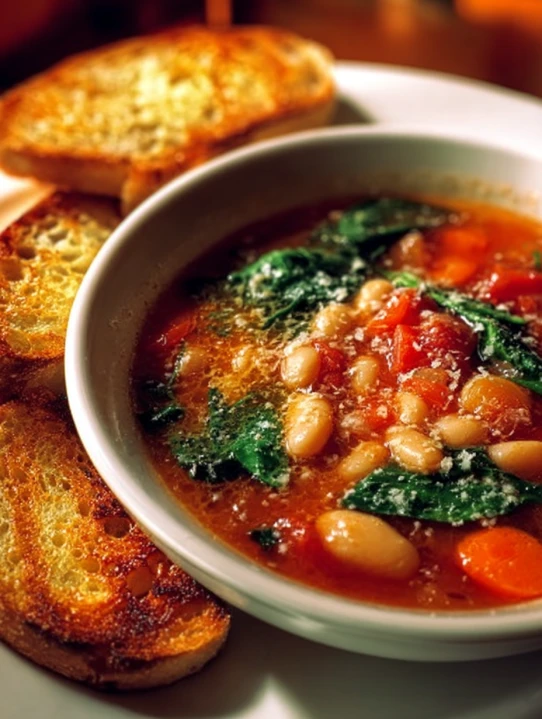
Why You Will Love This Parmesan Tomato Cannellini Bean Soup
The appeal of this soup lies in its incredible versatility and the way it manages to be both light and incredibly filling. In the world of home cooking, we often look for recipes that can adapt to our lives, rather than forcing us to adapt to them. This soup is a “chameleon” in the best sense of the word. If you are looking for a lean, protein-packed lunch to get you through a busy workday, this soup delivers. If you are hosting a casual dinner party and want a rustic, elegant starter that pairs beautifully with a loaf of artisanal sourdough, this soup is your best friend. It is a crowd-pleaser that transcends age and dietary preferences, offering a wholesome alternative to processed canned soups.
A Nutritional Powerhouse in a Bowl
From a nutritional standpoint, this recipe is a goldmine. Cannellini beans, often called white kidney beans, are a fantastic source of plant-based protein and dietary fiber. They provide a sustained release of energy, keeping you full and satisfied for hours without the “heavy” feeling that often follows a meat-heavy meal. When you combine these beans with the lycopene-rich profile of tomatoes and the vitamins found in the onion-carrot-celery trifecta, you are essentially consuming a liquid multivitamin. The addition of olive oil provides healthy fats that help your body absorb those nutrients more effectively, making this a meal that loves you back.
The Ultimate Comfort Food
Comfort food often gets a reputation for being indulgent or unhealthy, but this Parmesan Tomato Cannellini Bean Soup proves that comfort can be clean and vibrant. There is something inherently soothing about the texture of a well-cooked bean soup. The starches from the cannellini beans naturally thicken the broth, creating a “creamy” mouthfeel without the need for heavy cream or butter. This makes it an excellent choice for those who want that luxurious, velvety experience while keeping their meals relatively light. The saltiness of the Parmesan cheese adds a layer of satisfaction that hits all the right notes, providing that savory depth that we often crave when the weather turns cold.
Budget-Friendly and Pantry-Ready
One of the most practical reasons to love this soup is its affordability. Most of the ingredients are likely already sitting in your pantry or crisper drawer. Dried herbs, canned beans, and a carton of broth are staples for a reason—they are shelf-stable, inexpensive, and ready to be transformed at a moment’s notice. Even the fresh components, like onions and carrots, are among the most cost-effective items in the produce aisle. This is a “luxury” meal that doesn’t require a luxury budget, proving that high-quality, delicious food is accessible to everyone. It is a masterclass in how to use simple ingredients to achieve extraordinary results.
Key Ingredients and Flavor Dynamics
To truly master this soup, one must understand the role of each ingredient and how they interact to create a balanced flavor profile. Cooking is as much about the “why” as it is about the “how.” By selecting high-quality components and treating them with respect, you ensure that the final dish is nothing short of spectacular.
The Foundation: Olive Oil and the Mirepoix
The journey begins with olive oil. For this soup, you want a good-quality extra virgin olive oil. Since we are using it to sauté our aromatics at a medium heat, its fruity and peppery notes will infuse the entire base of the soup. The “Mirepoix”—the French term for the mixture of diced onions, carrots, and celery—is the aromatic backbone of the dish. The onion provides a foundational sweetness once softened, the carrots add a subtle earthy sugar, and the celery offers a savory, slightly herbal undertone. Skipping the carrots is an option, but including them adds a visual pop of orange and a layer of sweetness that balances the acidity of the tomatoes.
The Heart: Cannellini Beans
Cannellini beans are the preferred choice for this recipe because of their thin skins and creamy interiors. When they simmer in the tomato broth, they absorb the surrounding flavors while maintaining their shape. If you are using canned beans, the most important step is to rinse and drain them thoroughly. The liquid in the can is often high in sodium and has a metallic taste that can muddy the clarity of your soup. If you have the time, cooking beans from scratch using dried cannellini beans will yield an even creamier texture and a more “bean-forward” flavor, but high-quality canned beans are a perfectly acceptable and convenient substitute for the home cook.
The Body: Tomatoes and Broth
The choice of tomatoes will dictate the personality of your soup. Crushed tomatoes provide a thick, consistent texture that coats the beans beautifully. If you prefer a more rustic, chunky soup, you can use whole peeled tomatoes and break them apart with your wooden spoon as they cook. Fresh tomatoes are a wonderful option in the height of summer; just be sure to choose varieties that are fleshy and sweet, like Roma or San Marzano. As for the broth, a high-quality vegetable or low-sodium chicken broth is essential. Using low-sodium allows you to control the final seasoning perfectly, ensuring the soup isn’t overly salty once the Parmesan is added.
The Soul: Parmesan and Herbs
Parmesan is not just a garnish in this recipe; it is a primary flavoring agent. Real Parmigiano-Reggiano offers a complex, nutty, and salty profile that provides “savory depth” to the broth. For an extra boost of flavor, if you have a leftover Parmesan rind in your fridge, drop it into the pot while the soup simmers. The rind will soften and release its concentrated essence into the liquid, creating a richness that is impossible to achieve otherwise. The herbs—thyme and bay leaf—provide the high notes. Thyme brings a woody, floral aroma, while the bay leaf adds a subtle, tea-like fragrance that rounds out the acidic tomatoes.
The Finishing Touch: Lemon and Fresh Greens
Never underestimate the power of acidity. A final squeeze of fresh lemon juice right before serving acts as a “brightener.” It cuts through the richness of the beans and the saltiness of the cheese, making the flavors of the tomatoes and herbs pop. Fresh basil or parsley added at the very end provides a burst of color and a grassy freshness that prevents the soup from tasting “one-note.” These final flourishes are what separate a good home-cooked meal from a professional-level dish.
Step-by-Step Cooking Guide and Culinary Techniques
Now that we understand our ingredients, let’s move into the kitchen. The process of making this soup is straightforward, but paying attention to the small details in each step will ensure the best possible results. Follow these steps to create a masterpiece of comfort.
Step 1: Sautéing the Aromatics
Begin by placing your large pot or Dutch oven over medium heat. Pour in the two tablespoons of olive oil and let it shimmer for a moment. Add your diced onion, carrots, and celery. This is a crucial phase where you are building the flavor base. You aren’t looking to brown the vegetables deeply; rather, you want to “sweat” them. Stir them occasionally for about 6 to 8 minutes. You will know they are ready when the onions become translucent and soft, and the carrots lose their rigid crunch. This slow softening process releases the natural sugars in the vegetables, which will later balance the acidity of the tomatoes. If the vegetables start to brown too quickly, turn the heat down slightly and add a tiny splash of water or broth to keep them tender.
Step 2: Infusing the Garlic
Once the vegetables are soft, add your minced garlic. Garlic is delicate and can burn easily, which results in a bitter flavor that can ruin a soup. Stir the garlic into the oil and vegetables for only about 30 to 60 seconds. You are looking for that moment when the aroma of the garlic suddenly fills the air—this is the “fragrant” stage. As soon as you smell that wonderful scent, you are ready to move to the next step. By adding the garlic after the other vegetables have already softened, you protect its delicate flavor profile.
Step 3: Building the Soup Base
Now it is time to add the liquid and bulk components. Pour in the crushed tomatoes, the rinsed and drained cannellini beans, and the four cups of broth. Add your dried thyme (or the fresh sprig) and the bay leaf. Give everything a good stir to ensure the aromatics from the bottom of the pot are well-distributed. At this stage, the soup might look a bit thin, but don’t worry—the flavors will concentrate and the texture will thicken during the simmering process. If you are using a Parmesan rind, this is the moment to drop it in like a treasure into the sea.
Step 4: The Gentle Simmer
Turn the heat up slightly to bring the soup to a boil, then immediately reduce the heat to low. You want a “gentle simmer”—just a few bubbles breaking the surface every second. Cover the pot partially with a lid. Let the soup simmer for 15 to 20 minutes. This time allows the beans to absorb the tomato and herb flavors and allows the dried thyme to hydrate and release its oils. It also gives the vegetables time to reach a perfectly tender consistency. During this time, the kitchen will begin to smell incredible. Resist the urge to rush this; the simmer is where the “marriage” of flavors happens.
Step 5: Texture and Seasoning
After the simmer, remove the bay leaf and the Parmesan rind (if used). Now, you have a choice regarding texture. If you love a chunky, rustic soup, you can leave it as is. However, for a more luxurious and “creamy” experience, take an immersion blender and pulse it 3 or 4 times directly in the pot. This will blend about 1 to 2 cups of the beans and tomatoes into a thick puree while leaving plenty of whole beans for texture. If you don’t have an immersion blender, carefully transfer two cups of the soup to a standard blender, blend until smooth, and stir it back into the pot. Finally, stir in the half-cup of grated Parmesan. The cheese will melt into the broth, adding body and salt. Taste the soup and add salt and black pepper as needed. Remember that the Parmesan and broth already contain salt, so season carefully.
Step 6: The Grand Finale
Just before serving, take your lemon wedge and squeeze the fresh juice into the pot. Stir in your chopped fresh basil or parsley. This final hit of acid and fresh herbs provides a “brightness” that wakes up the palate. Ladle the soup into deep bowls and finish each one with an extra sprinkle of grated Parmesan and a tiny drizzle of high-quality olive oil. Serve it immediately while it is piping hot, perhaps with a side of crusty bread to soak up every last drop of the savory broth.
Variations, Make-Ahead Strategies, and Storage
The beauty of a bean-based soup is how well it stores and how easily it can be adapted to suit different tastes or what you happen to have in your refrigerator. This recipe is a fantastic “template” for your own culinary creativity.
Greenery and Extra Vegetables
If you want to add more nutritional density, this soup is the perfect vehicle for leafy greens. In the last 5 minutes of simmering, stir in two cups of chopped kale or fresh baby spinach. The heat of the soup will wilt the greens perfectly. Kale provides a nice “chew” and holds up well even if the soup is reheated, while spinach offers a more delicate, silky texture. You can also add other vegetables during the initial sauté phase, such as diced zucchini, red bell peppers, or even small florets of cauliflower.
Adding Grains or Pasta
To make this an even heartier “meal-in-a-bowl,” consider adding pasta or grains. Small pasta shapes like ditalini, orzo, or even broken spaghetti work beautifully. If you plan to eat the soup all at once, you can cook the pasta directly in the broth (you may need to add an extra cup of broth as the pasta will absorb liquid). However, if you plan to have leftovers, it is better to cook the pasta separately and add it to individual bowls. Pasta left in soup will continue to absorb liquid and become mushy over time. For a gluten-free alternative, cooked quinoa or brown rice can be stirred in at the end.
Protein Boosts
While the cannellini beans provide plenty of protein, some may prefer an even meatier version. You can sauté some diced pancetta or bacon in the pot before adding the vegetables for a smoky, salty base. Crumbled Italian sausage (sweet or spicy) also pairs exceptionally well with the tomato and bean profile. For a vegetarian protein boost, consider adding some diced firm tofu or even a dollop of Greek yogurt on top for extra creaminess and a protein kick.
Make-Ahead and Storage Tips
Like many soups and stews, this Parmesan Tomato Cannellini Bean Soup actually tastes better the next day. As it sits in the refrigerator, the flavors continue to meld and deepen. It will stay fresh in an airtight container for up to 5 days. When reheating, you may find that the soup has thickened significantly as the beans continue to release starch. Simply add a splash of water or broth when warming it up on the stove to return it to your desired consistency.
This soup also freezes beautifully. If you are a fan of “meal prepping,” consider making a double batch. Let the soup cool completely before transferring it to freezer-safe bags or containers. It will last for up to 3 months in the freezer. To serve, thaw it overnight in the refrigerator and reheat gently on the stove. This is the ultimate “emergency meal” for those nights when you are too tired to cook but want something healthy and homemade.
Artisanal Pairings
To elevate this meal, think about what you serve alongside it. A thick slice of toasted sourdough rubbed with a raw garlic clove is the traditional accompaniment. The acidity of the sourdough complements the tomatoes perfectly. You could also serve it with a crisp garden salad dressed with a simple lemon-tahini vinaigrette to provide a cool, crunchy contrast to the warm soup. For a more indulgent side, a grilled cheese sandwich made with sharp cheddar or fontina is a childhood classic reinvented for an adult palate.

Parmesan Tomato Cannellini Bean Soup
Ingredients
Method
- Heat olive oil in a large pot over medium heat. Add onion, carrots, and celery. Cook until softened, about 6–8 minutes.
- Stir in garlic and cook for 30 seconds until fragrant.
- Add crushed tomatoes, beans, broth, thyme, and bay leaf. Bring to a gentle simmer.
- Simmer for 15–20 minutes to let flavors meld. Remove bay leaf.
- Stir in grated Parmesan and adjust salt and pepper. If you want a creamier texture, blend 1–2 cups of the soup with an immersion blender or regular blender and return to the pot.
- Finish with a squeeze of lemon and fresh herbs. Serve with extra Parmesan.
Notes
🍲 More Cozy Homemade Soups to Try:
- Vegetable Minestrone Soup – classic Italian vegetable soup loaded with beans, veggies, and pasta
- Creamy Tomato Basil Soup – rich, velvety tomato soup bursting with fragrant fresh garden basil
(FAQs)
Even the most seasoned cooks have questions when trying a new recipe. Here are some of the most common inquiries regarding this Parmesan Tomato Cannellini Bean Soup, along with expert advice to help you troubleshoot and succeed.
Can I use dried beans instead of canned?
Absolutely! Using dried beans is a wonderful way to enhance the flavor and control the texture. To do this, soak 1 cup of dried cannellini beans overnight in water. Drain them, then simmer them in water or broth for about 60 to 90 minutes until tender before adding them to the soup recipe at Step 3. Alternatively, you can add the soaked beans directly to the soup pot, but you will need to increase the broth by 2 to 3 cups and simmer the soup for much longer (usually 1 to 1.5 hours) until the beans are soft.
How can I make this soup vegan?
Making this soup vegan is very simple. Replace the Parmesan cheese with 2 to 3 tablespoons of nutritional yeast, which provides a similar nutty and savory flavor. You can also use a high-quality vegan Parmesan alternative. Be sure to use vegetable broth instead of chicken broth. To maintain the creamy texture that the cheese provides, definitely use the blending technique mentioned in Step 5—pureeing some of the beans will give you that “dairy-like” richness without any animal products.
My soup is too thin/thick. How do I fix it?
If your soup is too thin, the easiest fix is to blend more of the beans. Use an immersion blender to puree a larger portion of the soup, which will naturally thicken the broth. You can also let it simmer uncovered for an additional 10 minutes to reduce the liquid. If the soup is too thick (which often happens with leftovers), simply stir in a half-cup of broth or water at a time until you reach your preferred consistency. Remember to taste and adjust the seasoning after thinning it out.
What if I don’t have cannellini beans?
While cannellini beans are the gold standard for this recipe due to their creaminess, you can use other white beans. Great Northern beans are a very close substitute. Navy beans are smaller and will cook faster but still offer a great texture. In a pinch, you could even use chickpeas (garbanzo beans), though the texture will be much firmer and the soup won’t become as naturally creamy when blended. Avoid using dark beans like black beans or kidney beans, as they will turn the broth a muddy color and change the flavor profile significantly.
Why does my soup taste a bit bitter?
Bitterness in tomato-based soups usually comes from one of two things: burnt garlic or high acidity in the tomatoes. If you suspect the garlic was browned too much, there isn’t much you can do to remove it, but you can mask it by adding a tiny pinch of sugar. If the bitterness is coming from the acidity of the tomatoes, a teaspoon of sugar or a splash of heavy cream (or coconut milk) can help balance the flavors. Also, ensure you are using high-quality canned tomatoes, as lower-quality brands can sometimes be overly acidic.
Can I make this in a slow cooker or Instant Pot?
Yes! For a slow cooker, sauté the aromatics and garlic in a pan first (for the best flavor), then add everything except the Parmesan, lemon, and fresh herbs to the slow cooker. Cook on low for 6 to 8 hours or on high for 3 to 4 hours. Stir in the cheese and finishing touches at the end. For the Instant Pot, use the sauté function for the vegetables and garlic, then add the remaining ingredients (except the finishers). Cook on high pressure for 5 minutes (if using canned beans) or 30 minutes (if using soaked dried beans), followed by a natural pressure release. Finish with the cheese and lemon as usual.
Is the lemon really necessary?
While you can skip it, the lemon is highly recommended. In cooking, “brightness” refers to the way acid interacts with our taste buds to enhance other flavors. Without the lemon, the soup might taste “heavy” or “flat.” The acid cuts through the starch of the beans and the fat of the oil and cheese, making the tomato flavor more vibrant. If you don’t have a lemon, a teaspoon of red wine vinegar or balsamic vinegar can serve a similar purpose, though lemon provides the cleanest, most refreshing finish.
Cooking this Parmesan Tomato Cannellini Bean Soup is an exercise in the joy of the process. From the first dice of the onion to the final sprinkle of cheese, every step is an opportunity to connect with your food and create something truly special. Whether you are eating it alone on a quiet evening or sharing it with a table full of loved ones, this soup is a reminder that the best things in life are often the simplest. Enjoy every spoonful!
Parmesan Tomato Cannellini Bean Soup
Ingredients
Method
- Heat olive oil in a large pot over medium heat. Add onion, carrots, and celery. Cook until softened, about 6–8 minutes.
- Stir in garlic and cook for 30 seconds until fragrant.
- Add crushed tomatoes, beans, broth, thyme, and bay leaf. Bring to a gentle simmer.
- Simmer for 15–20 minutes to let flavors meld. Remove bay leaf.
- Stir in grated Parmesan and adjust salt and pepper. If you want a creamier texture, blend 1–2 cups of the soup with an immersion blender or regular blender and return to the pot.
- Finish with a squeeze of lemon and fresh herbs. Serve with extra Parmesan.


2 thoughts on “Parmesan Tomato Cannellini Bean Soup”