
Imagine a cold, drizzly evening where the wind rattles the windowpanes and the air carries a persistent chill that seems to settle deep in your bones. In moments like these, the kitchen becomes more than just a place to prepare food; it transforms into a sanctuary of warmth, light, and intoxicating aromas. As you stand by the stove, the gentle hiss of onions softening in a heavy-bottomed pot provides a rhythmic soundtrack to your evening. You reach for a jar of golden turmeric and a vibrant curry blend, and as they hit the heat, the air is suddenly filled with a fragrance so rich and evocative that it feels like a physical embrace. This is the magic of preparing a Coconut Curry Lentil Soup—a dish that is far more than the sum of its humble parts.
The beauty of this soup lies in its incredible transformation. You begin with small, disk-shaped red lentils—modest pantry staples that might look unassuming in their dry state. But as they simmer alongside velvety coconut milk and a bouquet of aromatic spices, they surrender their structure, melting into a thick, creamy, and deeply satisfying consistency. The color of the soup shifts from a pale orange to a brilliant, sun-drenched gold, promising a meal that is as visually stunning as it is delicious. It is a dish that speaks of comfort and nourishment, offering a complex layering of flavors that dance between the earthy sweetness of the lentils, the tropical richness of the coconut, and the bright, citrusy zing of fresh lime.
As a home cook, there is a unique joy in mastering a recipe that feels both sophisticated and entirely approachable. This Coconut Curry Lentil Soup is a testament to the power of simple ingredients handled with care and intention. Whether you are a seasoned chef or a beginner looking to expand your repertoire, this dish offers a masterclass in flavor balancing and texture. It is a meal that invites you to slow down, to taste as you go, and to appreciate the way a few well-chosen spices can turn a simple legume into a culinary masterpiece. By the time you ladle the finished soup into a bowl and garnish it with a handful of fresh herbs, you aren’t just serving dinner; you are offering a bowl of pure, unadulterated comfort.
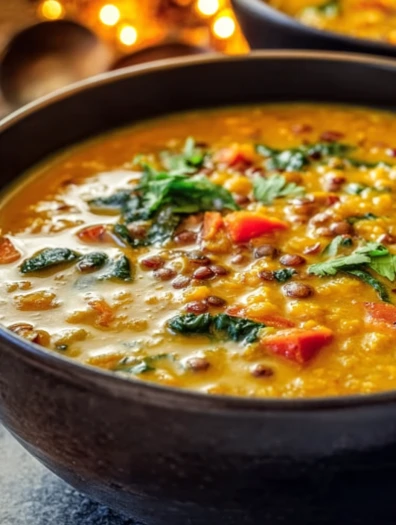
Why You Will Love This Coconut Curry Lentil Soup
The Ultimate Comfort Food Experience
There is something inherently soothing about a bowl of warm soup, but this Coconut Curry Lentil Soup takes that comfort to a whole new level. Unlike thin, watery broths that leave you searching for a snack an hour later, this soup is incredibly hearty and substantial. The red lentils are the secret to its luxurious texture; they break down during the cooking process to create a natural thickness that feels indulgent without being heavy. When combined with the silkiness of full-fat coconut milk, the result is a mouthfeel that is velvety and smooth. It is the kind of meal that makes you want to curl up on the sofa with a big spoon and a thick slice of bread, letting the world outside fade away for a while.
A Nutritional Powerhouse in a Single Bowl
In an era where we are all looking for ways to eat more mindfully, this soup stands out as a nutritional superstar. Lentils are one of the most nutrient-dense foods on the planet, packed with plant-based protein, fiber, and essential minerals like iron and folate. This makes the soup an excellent choice for vegetarians, vegans, or anyone looking to reduce their meat consumption without sacrificing satiety. Furthermore, the inclusion of turmeric and ginger adds more than just flavor; these ingredients have been celebrated for centuries for their healthful properties. When you eat this soup, you aren’t just satisfying your hunger; you are fueling your body with high-quality ingredients that leave you feeling energized and nourished.
Budget-Friendly and Pantry-Stable
One of the most practical reasons to love this recipe is how incredibly affordable it is to make. Red lentils are remarkably inexpensive, especially when bought in bulk, and they have a long shelf life, making them a perfect pantry staple. Most of the other ingredients—onions, garlic, ginger, and dried spices—are likely already in your kitchen or are very low-cost at the grocery store. Despite its humble price tag, the finished dish feels like something you would pay a premium for at a high-end bistro. It is a wonderful example of “peasant food” at its finest—taking simple, accessible ingredients and elevating them through technique and seasoning to create something truly extraordinary.
Incredible Versatility and Customization
This recipe serves as a brilliant canvas for your culinary creativity. While it is spectacular in its simplest form, it is also incredibly forgiving and adaptable. Do you have a handful of spinach that needs using up? Stir it in at the end. Want a bit more bite? Toss in some roasted cauliflower or diced sweet potatoes. Prefer a spicier kick? Increase the curry powder or add a pinch of red pepper flakes. This flexibility makes it a go-to recipe for busy weeknights when you need to work with what you have on hand. It also scales beautifully, making it just as easy to cook for a solo dinner as it is for a large family gathering or a meal-prep session for the week ahead.
Key Ingredients and Flavor Dynamics
The Star: Red Lentils
When it comes to lentils, variety matters immensely. For this specific soup, red lentils (sometimes labeled as split red lentils) are the non-negotiable choice. Unlike green or brown lentils, which hold their shape and provide a toothsome bite even after long cooking, red lentils are designed to disintegrate. As they absorb the cooking liquid, their outer skins vanish, and the interior softens into a delightful puree. This creates the “creamy finish” mentioned in the recipe without the need for an immersion blender. When selecting your lentils, look for ones that are bright in color and free of stones or debris. Always give them a thorough rinse in a fine-mesh strainer before cooking to remove any surface dust or starch, ensuring a clean flavor in your final soup.
The Aromatic Foundation: Onion, Garlic, and Ginger
Every great soup begins with a strong aromatic base, and here we use the classic trio of onion, garlic, and ginger. The onion provides a subtle sweetness and a foundational depth of flavor that builds as it softens in the oil. Garlic adds that essential savory punch, while fresh ginger provides a bright, zingy heat that cuts through the richness of the coconut milk. Using fresh ginger is highly recommended over the dried ground version; the fragrance of freshly grated ginger is incomparable and provides a structural “high note” to the dish. Together, these three ingredients create a complex base layer that supports the bolder spices to come.
The Soul of the Soup: Curry Powder and Turmeric
The flavor profile of this soup is defined by its spices. Curry powder is actually a blend of many different spices, typically including coriander, cumin, fenugreek, and chili peppers. Because every brand of curry powder is different, you have the opportunity to customize the heat and flavor profile based on your preference. Turmeric is added separately to bolster the vibrant golden hue and add an earthy, slightly bitter undertone that balances the sweetness of the onions and coconut. A crucial technique in this recipe is “toasting” the spices. By briefly heating the curry powder and turmeric in the oil with the aromatics, you “wake up” the essential oils within the spices, making their flavor more intense and well-rounded.
The Creamy Element: Coconut Milk
Coconut milk is what transforms this from a simple lentil stew into a luxurious, tropical-inspired soup. For the best results, use full-fat canned coconut milk. The fat in the coconut milk carries the flavors of the spices across your palate and provides a satisfying richness. If you use “lite” coconut milk, the soup will still be tasty, but it will lack that signature velvety mouthfeel. When you open the can, you may find a thick layer of cream at the top and watery liquid at the bottom; this is completely normal. Simply stir it together or pour it all into the pot, and it will emulsify perfectly as it heats. The natural sweetness of the coconut milk is the perfect foil for the earthy lentils and spicy curry.
Liquid Gold: Vegetable Stock vs. Water
While you can certainly use water in a pinch, using a high-quality vegetable stock will add significantly more depth to your soup. A good stock provides a background of savory notes—carrot, celery, and herbs—that water simply cannot offer. If you are using store-bought stock, look for low-sodium versions so you have full control over the final saltiness of the dish. If you find yourself without stock, you can enhance plain water by adding a bit more salt and perhaps an extra clove of garlic or a bay leaf to the simmering pot. The ratio of liquid to lentils is key here; four cups of liquid to one cup of lentils ensures that the lentils have enough room to expand and break down without the soup becoming a dry porridge.
The Bright Finish: Lime Juice and Fresh Herbs
The final, and perhaps most important, step in balancing the flavors of this soup is the addition of acidity. A heavy, creamy soup can sometimes feel “flat” on the tongue. A squeeze of fresh lime juice acts like a volume knob for flavor, brightening all the other ingredients and making the spices pop. Never skip this step! To finish, a generous handful of fresh cilantro or sliced scallions adds a burst of color and a fresh, herbaceous contrast to the cooked flavors. The cilantro, in particular, complements the citrus notes of the lime and the warmth of the curry powder beautifully.
Step-by-Step Cooking Guide and Culinary Techniques
Step 1: Sautéing the Aromatics for Depth
Begin by placing a large, heavy-bottomed pot or a Dutch oven over medium heat. Add your choice of oil—coconut oil is a fantastic choice here as it echoes the flavors of the milk, but a neutral oil like avocado or grapeseed works perfectly as well. Once the oil is shimmering, add your finely diced onion. The goal here is not to brown the onions quickly, but to let them sweat and soften slowly. This process releases their natural sugars, creating a sweet foundation for the soup. Stir them occasionally for about 5 to 7 minutes. You are looking for the onions to become translucent and soft to the touch. If they start to brown too quickly, turn your heat down slightly. Patience in this first step ensures a mellow, integrated flavor that won’t be interrupted by crunchy bits of undercooked onion.
Step 2: Introducing the Fragrant Garlic and Ginger
Once your onions are soft and aromatic, it is time to add the garlic and ginger. Because these two ingredients are much more delicate than onions, they only need a short time in the heat. Add the minced garlic and the freshly grated ginger to the pot, stirring constantly. You will notice an almost immediate change in the aroma of your kitchen—it will become intensely fragrant and spicy. Cook these for only about 60 seconds. Garlic, in particular, can turn bitter very quickly if it burns, so keep a close eye on it. As soon as you can smell the ginger and garlic clearly, you are ready to move on to the spices. This quick sauté allows the flavors to meld with the oil, ensuring they are evenly distributed throughout the soup.
Step 3: Blooming the Spices
Now, sprinkle the curry powder and the ground turmeric over the softened aromatics. This is a technique known as “blooming.” By tossing the dried spices in the hot oil for about 30 to 60 seconds, you are releasing their fat-soluble flavor compounds. You will see the oil turn a deep, vibrant orange-gold, and the scent will intensify significantly. Stir the mixture constantly to ensure the spices coat the onions, garlic, and ginger evenly and to prevent them from sticking to the bottom of the pot. This step is the difference between a soup that tastes “spiced” and a soup that tastes “well-seasoned.” It creates a complexity of flavor that cannot be achieved by simply stirring the spices into the liquid later on.
Step 4: Incorporating the Lentils and Liquids
Add your rinsed red lentils to the pot, stirring them for a few seconds so they too get a light coating of the spiced oil. Next, pour in the entire can of coconut milk and the four cups of vegetable stock. Use your wooden spoon to scrape the bottom of the pot, ensuring any flavorful bits that might have stuck during the spice-toasting phase are incorporated into the liquid. Turn the heat up to medium-high and bring the mixture to a gentle boil. You want to see bubbles breaking the surface, but avoid a violent, rolling boil which can make the coconut milk separate. This is the moment where all the individual components begin their transformation into a cohesive dish.
Step 5: The Gentle Simmer and Transformation
Once the soup has reached a boil, immediately reduce the heat to low so the liquid maintains a steady, gentle simmer. Cover the pot partially with a lid—this allows some steam to escape, which helps the soup thicken, while still retaining enough moisture to cook the lentils through. Let it simmer for 15 to 20 minutes. During this time, the red lentils will absorb the liquid and begin to swell and eventually “burst,” losing their shape and thickening the broth. Give the pot a stir every 5 minutes or so to make sure nothing is sticking to the bottom. As the soup nears the end of its cooking time, you will see it transform from a thin liquid into a rich, porridge-like consistency. If you prefer a thinner soup, you can add a splash more stock or water at this stage.
Step 6: The Final Seasoning and Garnish
Now comes the most critical part of the process: the “tasting and adjusting” phase. Turn off the heat. Stir in the freshly squeezed lime juice—start with one tablespoon, taste, and add more if you want more zing. Season with a generous pinch of salt and a few cracks of black pepper. Remember that lentils love salt; it brings out their earthy flavor, so don’t be afraid to be assertive here, but always taste as you go. If the soup feels too rich, more lime juice is usually the answer. If it feels too sharp, a tiny pinch of sugar can balance it out. Just before serving, stir in a handful of chopped cilantro or scallions. This adds a final layer of freshness and a beautiful green contrast to the golden soup. Ladle into bowls and serve immediately while steaming hot.
Variations, Make-Ahead Strategies, and Storage
Creative Variations to Try
While the base recipe is perfection, there are endless ways to customize this soup to suit your mood or the season. For a “Green Goddess” version, stir in two cups of baby spinach or chopped kale during the last two minutes of simmering; the heat of the soup will wilt the greens perfectly without overcooking them. If you want more texture, consider adding roasted vegetables. Diced sweet potatoes or carrots can be simmered along with the lentils, or you can top the finished soup with crispy roasted chickpeas for a delightful crunch. For those who enjoy a bit of smoke, a teaspoon of smoked paprika added with the curry powder can provide a wonderful depth. You can even turn this into a “Lentil Dal” style dish by reducing the liquid slightly and serving it over a bed of fluffy basmati rice.
The Art of the Garnish
Garnishing is not just about aesthetics; it is about adding layers of texture and flavor. Beyond the cilantro and scallions mentioned in the recipe, consider these options:
- A Dollop of Yogurt: A spoonful of plain Greek yogurt or a dairy-free coconut yogurt adds a cooling, tangy contrast to the warm spices.
- Toasted Seeds or Nuts: Toasted pumpkin seeds (pepitas) or slivered almonds add a much-needed crunch to the creamy soup.
- Chili Oil or Sriracha: For those who crave heat, a drizzle of chili oil on top makes for a beautiful presentation and a spicy kick.
- Sourdough Croutons: Large, rustic croutons made from torn sourdough bread and toasted with olive oil and salt are the perfect vessel for soaking up the broth.
Accompaniments: What to Serve Alongside
This soup is a meal in itself, but it pairs beautifully with several sides. A thick slice of artisanal sourdough bread, toasted and slathered with salted butter, is the classic choice for dipping. For a more traditional feel, serve it with warm garlic naan or flatbread. If you want to add a fresh component to the meal, a crisp garden salad with a simple lemon-tahini dressing provides a wonderful textural contrast. Another excellent option is a side of roasted cauliflower seasoned with cumin and sea salt. The charred, nutty flavor of the cauliflower complements the creamy coconut and lentils exceptionally well.
Make-Ahead and Meal Prep Strategies
This is one of those rare dishes that actually tastes better the next day. As the soup sits in the refrigerator, the flavors of the ginger, garlic, and spices continue to meld and deepen. This makes it an ideal candidate for weekend meal prep. You can easily double the recipe and portion it out into individual containers for easy lunches throughout the week. Because the lentils continue to absorb liquid as they sit, the soup will likely thicken significantly in the fridge. When you go to reheat it, simply add a splash of water or stock to loosen it back up to your desired consistency.
Storage and Freezing Instructions
To store, let the soup cool completely to room temperature before transferring it to airtight containers. It will stay fresh in the refrigerator for up to 5 days. For longer-term storage, this soup freezes beautifully. Because it doesn’t contain dairy (using coconut milk instead), it maintains its texture well after thawing. Freeze it in freezer-safe bags or containers for up to 3 months. To serve from frozen, thaw it overnight in the refrigerator or gently defrost it in a saucepan over low heat, stirring occasionally. You may need to add a fresh squeeze of lime juice and a sprinkle of fresh herbs after reheating to “wake up” the flavors again.
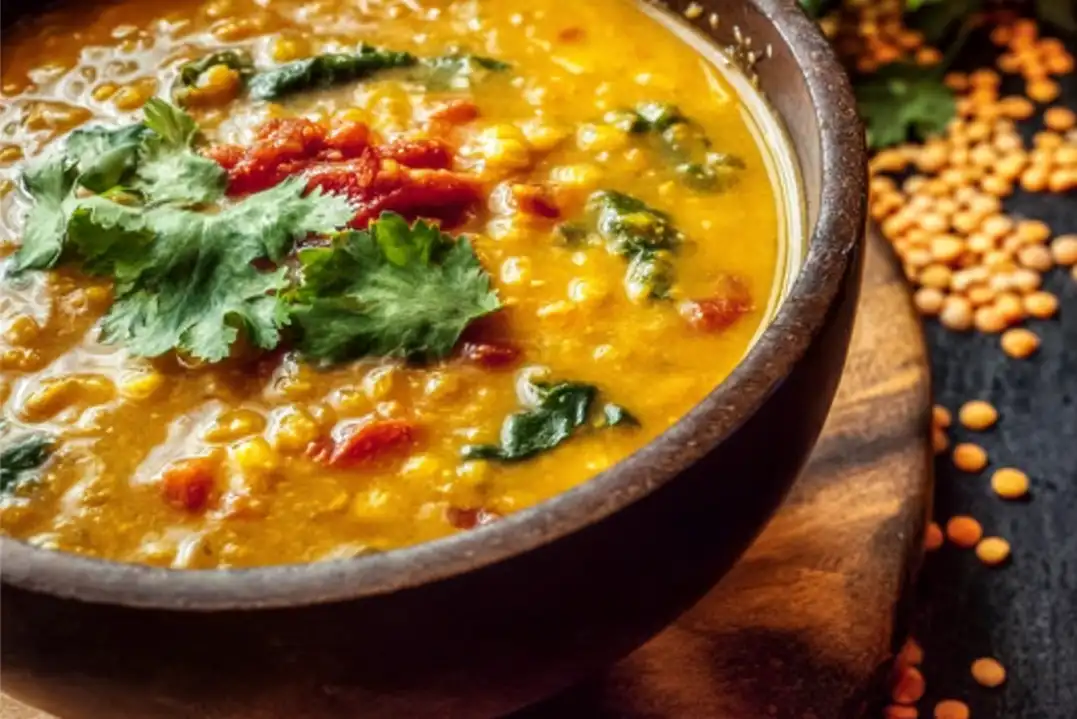
Coconut Curry Lentil Soup
Ingredients
Method
- Heat oil in a large pot over medium heat. Add onion and cook until soft, about 5–7 minutes.
- Stir in garlic and ginger; cook for 1 minute until fragrant.
- Add curry powder and turmeric. Toast briefly, stirring to coat the aromatics.
- Pour in the rinsed lentils, coconut milk, and vegetable stock. Bring to a gentle boil.
- Reduce heat and simmer for 15–20 minutes, stirring occasionally, until lentils break down and soup thickens.
- Taste and season with salt, pepper, and lime juice. Add chopped cilantro or scallions before serving.
Notes
🍲 More Cozy Homemade Soups to Try:
- Harissa Lentil & Sweet Potato Coconut Soup – warm spiced harissa with sweet potato and velvety coconut milk
- Creamy Curried Cauliflower Soup – velvety spiced cauliflower soup with gentle curry warmth and roasted aromatics
(FAQs)
Can I use green or brown lentils instead of red?
Technically, yes, but the result will be a very different soup. Red lentils are unique because they lack a seed coat, which allows them to break down and create a creamy, thick texture. Green or brown lentils have a tougher exterior and will remain whole and firm even after 20 minutes of cooking. If you choose to use green or brown lentils, you will need to increase the cooking time to 30-40 minutes and the final soup will be more of a “brothy” style with distinct lentils rather than the smooth, creamy consistency this recipe intends. If you want that creamy finish with green lentils, you would likely need to use an immersion blender at the end.
My soup is too thick! How can I fix it?
This is a very common occurrence with red lentil soup because lentils are incredibly thirsty. If your soup has turned into more of a thick mash than a soup, don’t worry—it is an easy fix. Simply stir in more vegetable stock or water, half a cup at a time, over low heat until you reach your preferred consistency. Remember to taste the soup after thinning it out, as you may need to add a tiny bit more salt or lime juice to maintain the flavor balance.
Is this soup spicy?
The spice level of this soup depends almost entirely on the curry powder you choose. Most “standard” curry powders sold in grocery stores are quite mild, focusing more on aromatic warmth than chili heat. If you are sensitive to spice, look for a “mild” curry powder. If you love heat, look for a “Madras” style curry powder or add a pinch of cayenne pepper or red pepper flakes during the spice-toasting step. The coconut milk does a wonderful job of mellowing out the spices, making this a generally family-friendly dish.
Can I use ginger paste or dried ginger instead of fresh?
While fresh ginger is always the gold standard for its bright, zingy flavor, you can use ginger paste (usually found in tubes in the produce section) as a convenient substitute. Use about one tablespoon of paste for every tablespoon of fresh ginger. Dried ground ginger is a less ideal substitute because it has a more muted, dusty flavor profile. If you must use dried ginger, use only about 1/2 to 1 teaspoon, as it is quite concentrated, and be aware that the final soup will lack that fresh “zing.”
What if I don’t have lime juice?
Acidity is crucial for this recipe, so if you don’t have a lime, you should look for another acidic substitute. Lemon juice is the best alternative and will provide a similar brightening effect. If you don’t have any citrus at all, a teaspoon of apple cider vinegar or rice vinegar can work in a pinch. The goal is to provide a sharp contrast to the richness of the coconut milk, so any light, bright acid will help.
Can I make this in a slow cooker or Instant Pot?
Absolutely! For a slow cooker, you can sauté the aromatics and spices in a pan first (highly recommended for the best flavor) and then add everything to the slow cooker. Cook on low for 4-6 hours or on high for 2-3 hours. For an Instant Pot, use the “Sauté” function for the first three steps, then add the lentils and liquids. Close the lid and set to “Manual” or “Pressure Cook” for 5 minutes, followed by a natural pressure release. The red lentils will be perfectly melted and delicious.
Is this recipe gluten-free?
Yes, as written, this recipe is naturally gluten-free. Lentils, coconut milk, vegetables, and spices are all gluten-free ingredients. However, always check the labels on your vegetable stock and curry powder to ensure they weren’t processed in a facility with wheat or contain any hidden gluten-based thickeners. When serving, ensure your accompaniments (like bread) are also gluten-free if necessary.
Why did my coconut milk curdle?
Coconut milk is generally very stable, but it can occasionally appear to curdle if it is boiled too vigorously or if it reacts with very high acidity too early. To prevent this, bring the soup to a gentle boil and then immediately reduce to a simmer. Also, wait until the very end to add your lime juice. If your soup does look a bit grainy, don’t worry—it is purely aesthetic and won’t affect the delicious flavor. A quick stir or a brief pulse with a blender can usually smooth it right back out.
Can I add protein like chicken or shrimp?
While this soup is designed to be a plant-based powerhouse, you can certainly add other proteins if you wish. Sautéed chicken breast or thighs can be added back into the soup during the simmering phase. Shrimp can be added in the last 3-4 minutes of cooking; they will poach beautifully in the hot liquid. For a vegetarian protein boost, you could add cubed tofu or even a soft-boiled egg on top of each serving. However, the lentils provide a significant amount of protein on their own, so additional meat is by no means necessary for a filling meal.
How do I get that perfectly smooth texture?
If you prefer a completely smooth, restaurant-style bisque rather than a slightly textured soup, you can use an immersion blender (stick blender) once the soup is finished cooking. Simply blend it directly in the pot until it reaches your desired smoothness. If you don’t have an immersion blender, you can transfer the soup in batches to a standard blender—just be very careful when blending hot liquids, as steam can build up and cause the lid to pop off. Whether chunky or smooth, the flavor remains spectacular.
Coconut Curry Lentil Soup
Ingredients
Method
- Heat oil in a large pot over medium heat. Add onion and cook until soft, about 5–7 minutes.
- Stir in garlic and ginger; cook for 1 minute until fragrant.
- Add curry powder and turmeric. Toast briefly, stirring to coat the aromatics.
- Pour in the rinsed lentils, coconut milk, and vegetable stock. Bring to a gentle boil.
- Reduce heat and simmer for 15–20 minutes, stirring occasionally, until lentils break down and soup thickens.
- Taste and season with salt, pepper, and lime juice. Add chopped cilantro or scallions before serving.


1 thought on “Coconut Curry Lentil Soup”