
The kitchen has always been the heart of my home, a place where the air is thick with the scent of simmering pots and the gentle clinking of wooden spoons against ceramic bowls. On those afternoons when the sky turns a heavy shade of grey and a chill begins to seep through the window frames, there is a particular kind of magic that happens on the stovetop. It is the magic of transformation, where humble, everyday vegetables are turned into something that feels like a warm embrace from the inside out. I remember my grandmother always saying that a good soup could cure almost anything, from a scratchy throat to a heavy heart, and as I grew older, I realized she wasn’t just talking about the ingredients. She was talking about the time, the care, and the quiet rhythm of chopping and stirring that brings a sense of peace to a busy day.
One of my favorite rituals is the preparation of what I call my healing cauliflower soup. It begins with the simple act of clearing the counter and selecting a heavy, white head of cauliflower, its florets tucked tightly together like a bouquet of winter flowers. There is something deeply grounding about working with such a basic ingredient. As I break the cauliflower apart, the crisp snap of the stems echoes in the quiet room, and I start to feel the stress of the day begin to melt away. This isn’t just about making dinner; it is about creating a moment of stillness in a world that often feels much too fast. The kitchen becomes a sanctuary, and the soup becomes a vessel for comfort and nourishment.
As the cauliflower roasts in the oven, filling the house with a nutty, toasted aroma that smells like home, I find myself slowing down. I watch the steam rise from the vegetable stock and listen to the soft sizzle of onions softening in a golden pool of olive oil. These are the sounds and smells of a life well-lived and a kitchen well-loved. By the time the soup is blended into a silky, cream-colored velvet, the house feels warmer, and my spirit feels lighter. Serving a bowl of this soup is like offering a piece of that peace to someone else. Whether it is shared with a partner over a quiet table or enjoyed alone in a favorite chair, it is a reminder that the simplest things in life are often the most profound.
There is a unique joy in seeing a simple vegetable like cauliflower take center stage. For a long time, it was the quiet side dish, tucked away under a blanket of cheese or served raw on a tray. But when you treat it with a bit of heat and a lot of love, it reveals a depth of flavor that is truly surprising. It becomes buttery, sweet, and incredibly satisfying. This soup is a celebration of that hidden potential. It is a dish that asks for very little but gives back so much in return. It is the kind of recipe that you memorize not because it is complicated, but because it becomes a part of your family’s story—the meal you turn to whenever you need a little bit of extra care.
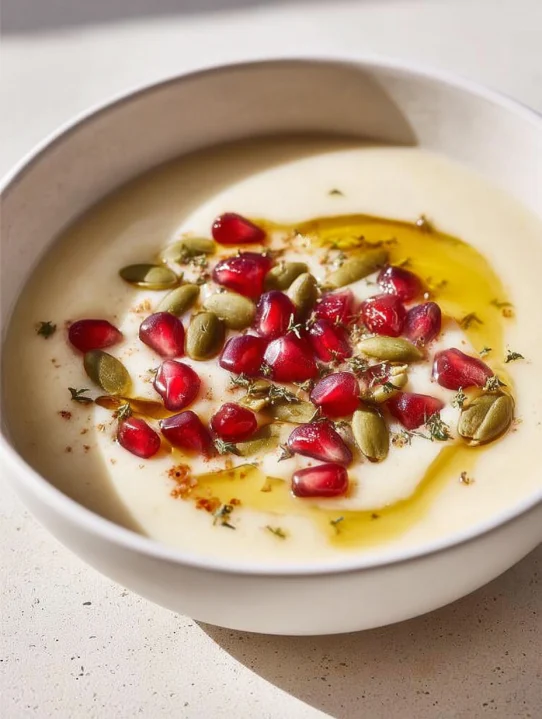
If you love wholesome, comforting soups, you’ll also love our Roasted Cauliflower and Garlic Soup.
Why Make Healing Cauliflower Soup
In the modern world, we are often told that “healthy” eating has to be complicated, expensive, or time-consuming. We are bombarded with images of exotic ingredients and intricate preparation methods that can make even a seasoned home cook feel overwhelmed. However, the true essence of healing food lies in its simplicity and its accessibility. Making this healing cauliflower soup is an act of reclaiming that simplicity. It is a lifesaver for those busy weeknights when you feel like you have nothing in the pantry, yet you crave something that feels substantial and wholesome. With just a few basic staples that many of us already have on hand—onions, garlic, a bit of oil, and that sturdy head of cauliflower—you can create a gourmet-level meal that nourishes the body and calms the mind.
One of the most compelling reasons to make this soup is its incredible versatility. It serves as a blank canvas for your culinary creativity, yet it is perfectly beautiful in its most basic form. For busy families, it is a way to sneak more vegetables onto the table in a way that even the pickiest eaters will enjoy. The texture is so creamy and rich that it feels indulgent, almost like a heavy potato soup or a cream-based chowder, but without the heaviness that often follows those dishes. It is light enough for a spring lunch yet hearty enough to stand as a main course on a freezing winter night. When you make a big pot of this soup, you aren’t just making one meal; you are setting yourself up for success. It stores beautifully, meaning you can have a “healing” lunch ready to go for the next few days, saving you from the temptation of less nourishing convenience foods.
Furthermore, this soup is a testament to the power of home cooking as a form of self-care. The process of roasting the cauliflower until it is golden and sweet, then simmering it with aromatic herbs and spices, is a sensory experience that grounds you in the present moment. It is a way to show love to yourself and your family. In an era of processed snacks and fast food, sitting down to a bowl of homemade soup made from whole ingredients is a radical act of wellness. It provides a gentle way to reset your system, offering warmth and hydration along with a wealth of natural goodness. It is the kind of meal that makes you feel good while you are eating it and even better after you are finished.
Why You’ll Love This Healing Cauliflower Soup
Cozy Flavor with Everyday Ingredients
The beauty of this soup lies in the alchemy of its ingredients. On their own, a head of cauliflower, an onion, and a few cloves of garlic might seem unremarkable. But when they are brought together with the right technique, they create a flavor profile that is deeply sophisticated. The secret begins with the roasting of the cauliflower. By exposing the florets to the high heat of the oven, you draw out their natural sugars, transforming their flavor from mild and earthy to something that is almost nutty and sweet. This depth of flavor forms the backbone of the soup, ensuring that every spoonful is layered with interest. You aren’t just tasting cauliflower; you are tasting the essence of the vegetable, heightened and concentrated.
The addition of simple pantry staples like onions and garlic provides a savory foundation that anchors the sweetness of the roasted cauliflower. As the onions slowly soften in the pan, they release a gentle sweetness of their own, while the garlic adds a warm, aromatic punch that makes the whole kitchen smell like a professional bistro. The ground turmeric, though optional, is highly recommended for the subtle, earthy warmth it brings and the vibrant, sun-kissed glow it lends to the finished dish. This isn’t a soup that relies on heavy spices or complicated sauces; it relies on the quality of the ingredients and the patience of the cook. It is hearty comfort in its purest form, proving that you don’t need a long list of expensive items to create a meal that feels like a luxury.
Quick to Make, Easy to Love
In our fast-paced lives, the most valuable recipes are the ones that provide maximum flavor with minimal stress. This healing cauliflower soup is a masterclass in efficiency. The preparation is straightforward and forgiving, making it an ideal choice for someone who is just learning their way around the kitchen or for a seasoned cook who wants a night off from complex techniques. There is no need for precise chopping; since the soup will eventually be blended into a smooth puree, you can roughly chop your vegetables without worry. This significantly reduces the “active” time you spend at the counter, allowing you to focus on other things while the oven and the stove do the heavy lifting.
The cooking process itself is incredibly intuitive. Once the cauliflower is in the oven, you have a twenty-minute window to prepare your base and perhaps even tidy up the kitchen or set the table. The transition from the roasting pan to the soup pot is seamless, and the simmering stage is brief, just long enough for the flavors to shake hands and get to know each other. Even the blending process is a breeze, especially if you have an immersion blender, which allows you to turn the chunky mixture into a silky soup right in the pot. It is a dish that respects your time while still delivering a result that feels like it took hours to prepare. That ease of preparation is exactly why it becomes a recurring favorite; it is simply too easy and too delicious not to make again and again.
Ingredients and Substitutions
What You’ll Need for This Recipe
To create this masterpiece of comfort, you will need a handful of carefully chosen ingredients. Each one plays a specific role in building the final flavor and texture of the soup. Let’s look at why these ingredients are essential and how they contribute to the “healing” nature of the dish.
- 1 large head cauliflower, cut into florets: This is the star of the show. When choosing a cauliflower, look for one that feels heavy for its size and has tight, creamy-white curds with no brown spots. The leaves should be bright green and crisp. By cutting it into uniform florets and roasting them, we ensure that every piece gets that beautiful golden color which translates into a rich, complex flavor in the soup.
- 1 medium onion, chopped: The onion is the unsung hero of the soup world. It provides a savory base and a structural depth that prevents the soup from tasting one-dimensional. Whether you use a yellow onion for its classic bite or a white onion for a sharper finish, the key is to let it cook slowly until it is translucent and sweet.
- 2–3 cloves garlic, smashed: Garlic is the soul of this dish. By smashing the cloves, you release the essential oils that provide that unmistakable aroma. It adds a layer of warmth and a hint of spice that cuts through the creaminess of the cauliflower, making the soup feel more balanced and robust.
- 1–2 tbsp olive oil: A good quality olive oil is essential for both roasting and sautéing. It helps the cauliflower brown in the oven and carries the flavors of the onion and garlic in the pot. It also adds a touch of healthy fat that gives the soup a more satisfying mouthfeel.
- 4 cups vegetable stock (low-sodium preferred): The stock is the liquid gold that ties everything together. Using a low-sodium version allows you to have full control over the saltiness of the final dish. A good vegetable stock adds layers of garden-fresh flavor that water simply cannot provide.
- 1 cup unsweetened plant milk or light cream: This is what gives the soup its luxurious, velvety finish. Whether you choose a creamy oat milk, a subtle almond milk, or a splash of light dairy cream, this ingredient rounds out the flavors and adds a soothing, silky texture that makes every bite feel like a treat.
- 1 tsp ground turmeric: This optional spice is a wonderful addition. It doesn’t just add a beautiful golden hue; it also brings a very mild, peppery undertone that complements the roasted cauliflower perfectly. It is often included in “healing” recipes for its gentle, warming properties.
- to taste Salt and black pepper: These are the most important tools in your seasoning kit. Salt enhances the natural flavors of the vegetables, while black pepper adds a subtle heat and a bit of “zip” to the finish. Always season in layers, tasting as you go.
- to taste Fresh lemon juice: A squeeze of lemon at the very end is like turning on a light in a dark room. It brightens all the other flavors, cuts through the richness of the cream, and adds a necessary high note to the deep, roasted flavors of the soup.
- for garnish Chopped parsley: Fresh herbs add a pop of color and a burst of freshness that makes the dish look and taste vibrant. It’s the final touch that takes the soup from “home-cooked” to “restaurant-quality.”
Smart Swaps for Dietary Needs
One of the best things about this healing cauliflower soup is how easily it can be adapted to suit different dietary requirements without sacrificing flavor. If you are looking for a dairy-free or vegan option, simply ensure you are using a plant-based milk like coconut milk for extra richness or cashew milk for a neutral, creamy base. For those who are gluten-sensitive, this soup is naturally gluten-free, provided your vegetable stock is certified. If you are monitoring your sodium intake, you can replace the stock with a homemade vegetable broth made without salt, or even use water infused with extra herbs like thyme and bay leaves.
For a lower-fat version, you can omit the cream or milk entirely. The roasted cauliflower, when blended thoroughly, creates a surprisingly creamy texture all on its own. You might want to add an extra half-head of cauliflower to ensure the soup remains thick and hearty. If you don’t have olive oil, any neutral-tasting oil like avocado oil or even a small amount of butter (if not vegan) will work beautifully for roasting and sautéing. The goal is to make this recipe work for you and your lifestyle, ensuring it remains a stress-free addition to your cooking repertoire.
Smart Variation (Optional)
If you find yourself making this soup often, you might want to experiment with some creative twists to keep things interesting. For a bit of extra heartiness, try adding a handful of cooked quinoa or wild rice to the bowl just before serving. This adds a delightful chew and turns the soup into a more substantial meal. If you have other vegetables lingering in the crisper drawer, like a stray carrot or a stalk of celery, feel free to chop them up and sauté them along with the onion. They will only add to the depth of the broth.
For those who love a bit of warmth, a pinch of smoked paprika or a dash of cumin can be added along with the turmeric. These spices enhance the “roasted” character of the cauliflower and give the soup a slightly smoky, earthy vibe. You could also top the soup with some toasted pumpkin seeds or sunflower seeds for a bit of crunch, or even some homemade sourdough croutons. The possibilities are endless, and each variation allows you to tailor the soup to the specific mood or season of the day.
How to Make Healing Cauliflower Soup
Step-by-Step Cooking Instructions
Step 1: Begin by preheating your oven to 425°F (220°C). This high heat is crucial for achieving the perfect roast. While the oven warms, take your head of cauliflower and remove the green outer leaves. Break or cut the cauliflower into bite-sized florets, trying to keep them relatively uniform in size so they cook evenly. Place the florets on a large baking sheet and drizzle them with one tablespoon of olive oil. Sprinkle with a generous pinch of salt and use your hands or a spatula to toss them, ensuring every piece is lightly coated in oil. Spread them out in a single layer—don’t crowd them, or they will steam instead of roasting. Slide the tray into the oven and roast for about 20–25 minutes. You are looking for the edges to be dark golden brown and the stems to be tender when pierced with a fork. The smell will be absolutely divine.
Step 2: While the cauliflower is busy transforming in the oven, it’s time to start the base of your soup. Place a large pot or a Dutch oven over medium heat and add the remaining tablespoon of olive oil. Once the oil is shimmering, add your chopped onion. You want to cook the onion slowly, stirring occasionally, for about 6–8 minutes. The goal here is not to brown the onion but to let it become soft, sweet, and translucent. This slow cooking builds a foundation of flavor that is essential for a balanced soup. If the onion starts to brown too quickly, turn the heat down a little and add a tiny splash of water to the pan.
Step 3: Once the onions are soft and fragrant, it’s time to add the aromatics. Stir in the smashed garlic cloves and the ground turmeric. Cook these for just about one minute, stirring constantly. You will notice the garlic becomes incredibly fragrant almost immediately, and the turmeric will bloom in the oil, turning everything a beautiful, vibrant orange. Be careful not to burn the garlic, as it can become bitter; you just want to take the raw edge off and let its flavor infuse the oil.
Step 4: By now, your cauliflower should be finished roasting. Carefully remove the baking sheet from the oven and transfer the golden florets into the pot with the onions and garlic. If there are any little browned bits stuck to the baking sheet, scrape them into the pot too—that’s where the extra flavor lives! Pour in the four cups of vegetable stock. Increase the heat slightly to bring the liquid to a gentle simmer. Once it’s simmering, turn the heat back down to low, cover the pot, and let everything cook together for about 10 minutes. This short simmer allows the roasted flavor of the cauliflower to fully permeate the stock.
Step 5: Now comes the transformation. Turn off the heat. If you have an immersion blender, place it directly into the pot and blend until the soup is completely smooth and velvety. If you are using a traditional stand blender, transfer the soup in batches, being very careful with the hot liquid. Make sure to leave the little cap in the blender lid slightly ajar (covered with a kitchen towel) to allow steam to escape. Once the soup is pureed to your desired consistency, return it all to the pot. At this stage, the soup should look rich and creamy, with a beautiful golden tint from the turmeric and the roasted cauliflower.
Step 6: For the final touch, turn the heat back to low and stir in your plant milk or light cream. This will instantly give the soup a luxurious, pale color and a silky texture. Let it warm through for a minute or two, but don’t let it come to a boil. Now, the most important part: seasoning. Taste a spoonful of the soup. Add salt and black pepper gradually until the flavors really “pop.” Finally, stir in a squeeze of fresh lemon juice. Start with a little, taste, and add more if needed. The lemon juice shouldn’t make the soup taste like lemon; it should just make everything taste brighter and fresher. Ladle the soup into warm bowls and garnish with a sprinkle of fresh parsley and perhaps some toasted seeds. Serve immediately and enjoy the warmth.
Tips for Texture, Timing & Tools
Achieving the perfect texture in a pureed soup is an art form. If you prefer a very thin, elegant soup, you can add a bit more stock or even a splash of water during the blending process. If you like a thick, rib-sticking soup, use a little less liquid or allow the soup to simmer uncovered for a few extra minutes to reduce. For those who enjoy a bit of contrast, try reserving a handful of the roasted cauliflower florets before blending and stirring them back into the finished soup for a “chunky-creamy” experience. This provides little bursts of roasted flavor and texture in every bite.
When it comes to tools, a heavy-bottomed pot like a cast-iron Dutch oven is your best friend. It distributes heat evenly, which prevents the onions from scorching and keeps the soup at a steady simmer. An immersion blender is a fantastic investment for soup lovers, as it saves you the mess and potential danger of transferring hot liquids to a stand blender. However, a stand blender will often produce a much smoother, silkier result if that is what you are after. Lastly, remember that timing is flexible. If you need to let the soup sit on the back of the stove for an extra twenty minutes while you finish another task, it will only get better as the flavors continue to meld.
Storage & Reheating
How to Store It Right
One of the greatest gifts you can give your future self is a container of this soup waiting in the fridge. Because the flavors are so well-integrated, this soup actually tastes even better the next day. To store it correctly, allow the soup to cool to room temperature. Avoid leaving it out for more than two hours, but also avoid putting a steaming hot pot directly into the refrigerator, as this can raise the internal temperature of the fridge and affect other foods. Once cooled, transfer the soup into airtight containers. Glass jars or BPA-free plastic containers work perfectly. In the refrigerator, this soup will stay fresh and delicious for up to four or five days, making it an ideal candidate for Sunday meal prep.
If you want to keep it for longer, this healing cauliflower soup freezes exceptionally well. Because it is a pureed soup, it maintains its texture much better than soups with large chunks of vegetables or pasta. To freeze, pour the cooled soup into freezer-safe bags or containers, leaving about an inch of space at the top to allow for expansion as the liquid freezes. Label the containers with the date, and you can keep them in the freezer for up to three months. When you are ready to eat, the best method is to thaw the soup overnight in the refrigerator, but if you are in a hurry, you can defrost it gently in a bowl of warm water or directly in a saucepan over low heat.
Reheating Without Losing Flavor
When it comes to reheating, the stovetop is always the preferred method. Place the desired amount of soup in a small saucepan over medium-low heat. As the soup warms, you might notice that it has thickened slightly in the fridge or freezer. This is perfectly normal. Simply whisk in a splash of vegetable stock, water, or a little more plant milk to restore it to your preferred consistency. Stir the soup frequently to ensure it heats evenly and doesn’t stick to the bottom of the pan. You want to bring it just to the point where it is steaming hot, but avoid a rolling boil, which can sometimes cause the cream or plant milk to separate.
If you are using a microwave, place the soup in a microwave-safe bowl and cover it with a lid or a damp paper towel to prevent splattering. Heat it in one-minute increments, stirring in between, until it is heated through. Regardless of the method, always give the soup a quick taste before serving. Sometimes the flavors can dull slightly after being chilled, so a tiny pinch of salt or an extra squeeze of lemon juice can bring it back to life. This extra step ensures that your “leftover” meal feels just as special and nourishing as the day you first made it.
A Dish Worth Making Again and Again
The beauty of having a batch of this soup ready to go cannot be overstated. We all have those days where we come home exhausted, and the thought of cooking a meal from scratch feels like an impossible mountain to climb. In those moments, knowing that you have a healthy, homemade, “healing” meal just minutes away is a huge relief. It prevents the cycle of ordering greasy takeout and instead provides you with a meal that actually helps you recover from the day. It is a gift of time and health that you give to yourself, and it turns a stressful evening into a cozy, restorative one. This is why this soup isn’t just a recipe; it’s a strategy for a better, more balanced life.
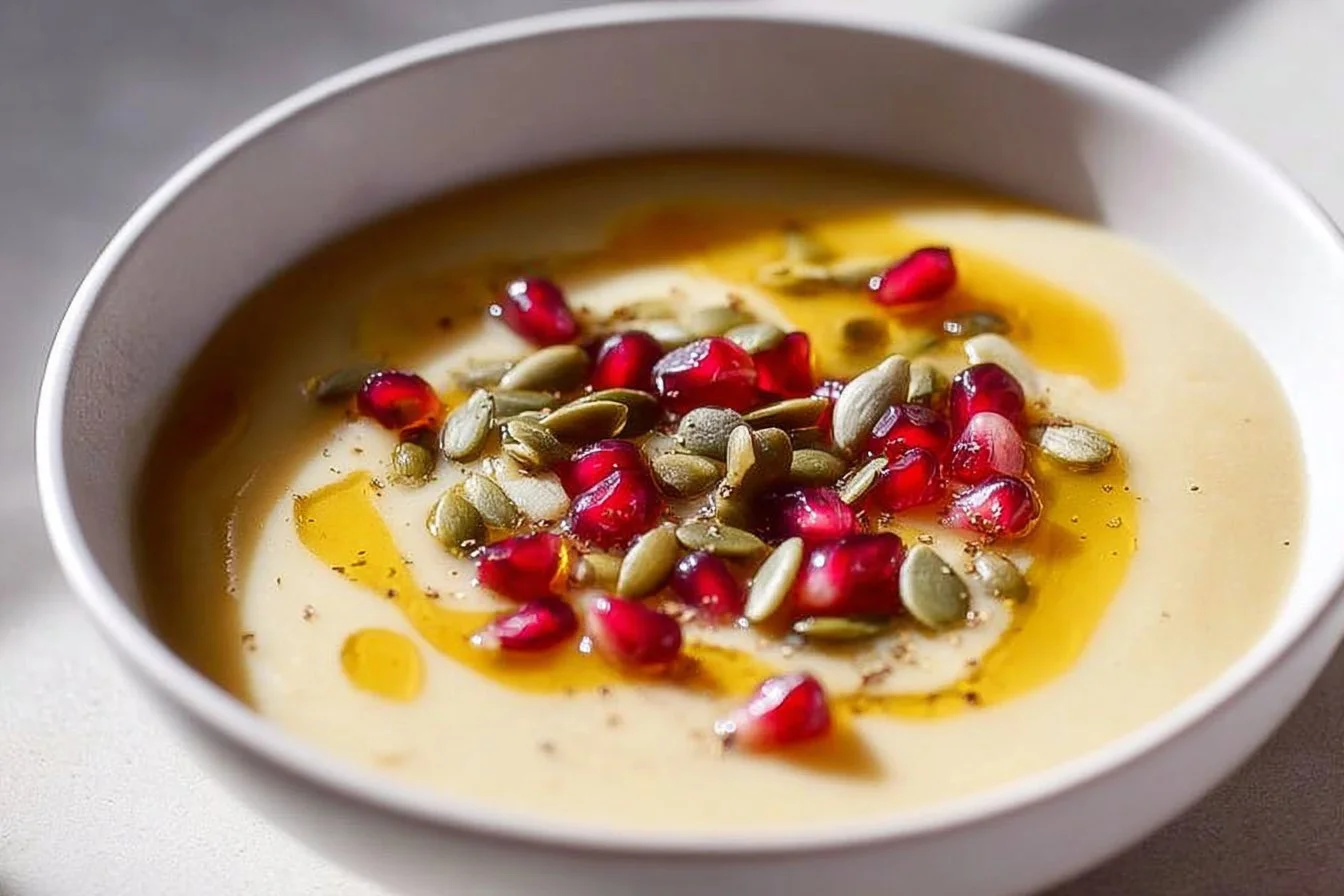
Healing Cauliflower Soup
Ingredients
Method
- Preheat oven to 425°F (220°C). Toss cauliflower with 1 tbsp olive oil and a pinch of salt. Roast on a baking sheet until golden, about 20–25 minutes.
- Meanwhile, warm 1 tbsp olive oil in a large pot over medium heat. Add onion and cook until soft, about 6–8 minutes.
- Add garlic and turmeric; cook 1 minute more.
- Add roasted cauliflower and stock to the pot. Bring to a simmer and cook 10 minutes to let flavors meld.
- Use an immersion blender or transfer to a blender and puree until smooth. Return to the pot.
- Stir in plant milk or cream, warm through, and adjust seasoning with salt, pepper, and lemon juice. Serve with parsley and toasted seeds.
Notes
🍲 More Cozy Homemade Soups to Try:
- Creamy Cauliflower Soup – Simple, cozy cauliflower soup pureed to silky perfection.
- Creamy Curried Cauliflower Soup – Warming curry spices meet roasted cauliflower and rich coconut cream.
(FAQs)
Can I freeze this soup for later?
Yes, absolutely! This soup is incredibly freezer-friendly. Because the cauliflower is pureed, you don’t have to worry about the vegetables becoming mushy upon thawing. The only thing to keep in mind is that if you use a high-fat dairy cream, it might separate slightly when frozen. Using a plant-based milk or light cream usually prevents this. Just give the soup a good whisk or a quick pulse with the blender after reheating to bring back that perfectly smooth, emulsified texture. It will stay good in the freezer for up to three months, making it a perfect “emergency meal” for a rainy day.
How can I adjust the thickness or creaminess?
The thickness of the soup is entirely under your control. If you find the soup is too thick for your liking after blending, simply stir in more vegetable stock or plant milk, half a cup at a time, until you reach the desired consistency. If the soup is too thin, you can let it simmer uncovered on the stove for 10–15 minutes to allow some of the liquid to evaporate, which will naturally thicken the base. Another trick is to blend in a small peeled and boiled potato or a half-can of white beans (like cannellini beans) for extra thickness and creaminess without needing more fat.
Can I make this soup in a slow cooker or pressure cooker?
You certainly can, although you will miss out on the specific flavor profile that comes from roasting the cauliflower first. For a slow cooker, place all the ingredients (except the milk/cream and lemon) in the pot and cook on low for 6–7 hours or high for 3 hours. For a pressure cooker, cook on high pressure for about 5 minutes with a quick release. After cooking, blend the soup and stir in the cream and lemon. To get that “roasted” flavor without the oven, you could sauté the cauliflower florets in the pot with the onions until they are deeply browned before adding the liquid.
What are the best side dishes to serve alongside?
This soup pairs beautifully with simple, rustic sides that complement its creamy texture. A thick slice of toasted sourdough bread or a piece of warm, crusty artisan bread is the classic choice, perfect for dipping into the bowl. If you want something lighter, a crisp green salad with a tart vinaigrette provides a wonderful contrast to the richness of the soup. Roasted root vegetables or a side of sautéed kale also make for a very hearty, vegetable-forward meal. To drink, a glass of warm apple cider or a cup of herbal tea keeps the “healing” and comforting theme going perfectly.
Final Thoughts
As you stand in your kitchen, perhaps with the last few drops of soup still warming your bowl, I hope you feel a sense of accomplishment and peace. Cooking is one of the most basic ways we can care for ourselves and those we love. It is a language of kindness that doesn’t require many words, just a bit of time and some honest ingredients. This healing cauliflower soup is more than just a collection of vegetables and broth; it is a reminder that nourishment is available to us even in the simplest of forms. It is a celebration of the humble, the roasted, and the creamy, brought together to create a moment of genuine comfort.
I encourage you to take this recipe and make it your own. Let it be the meal you turn to when the world feels a bit too loud, or when you simply want to enjoy the quiet beauty of a home-cooked dinner. Share it with a friend who needs a lift, or keep it all for yourself as a way to recharge your batteries. Whatever you choose, know that every stir of the pot and every sprinkle of parsley is an investment in your well-being. May your kitchen always be a place of warmth, your bowls always be full, and your heart always be nourished by the simple joy of a good, healing soup. Happy cooking!
Healing Cauliflower Soup
Ingredients
Method
- Preheat oven to 425°F (220°C). Toss cauliflower with 1 tbsp olive oil and a pinch of salt. Roast on a baking sheet until golden, about 20–25 minutes.
- Meanwhile, warm 1 tbsp olive oil in a large pot over medium heat. Add onion and cook until soft, about 6–8 minutes.
- Add garlic and turmeric; cook 1 minute more.
- Add roasted cauliflower and stock to the pot. Bring to a simmer and cook 10 minutes to let flavors meld.
- Use an immersion blender or transfer to a blender and puree until smooth. Return to the pot.
- Stir in plant milk or cream, warm through, and adjust seasoning with salt, pepper, and lemon juice. Serve with parsley and toasted seeds.



1 thought on “Healing Cauliflower Soup”