
There is a specific kind of magic that happens in a kitchen on a Tuesday afternoon when the sky is painted in shades of charcoal and the first few drops of rain begin to tap against the windowpane. It is the kind of day that calls for something more than just a meal; it calls for a ritual. You find yourself reaching for the heavy wooden cutting board, the one with the slight bow in the middle from years of service, and a chef’s knife that feels like an extension of your own hand. As you gather a colorful bounty of vegetables from the crisper drawer—vibrant orange carrots, snap-crisp celery, and a bundle of deep green spinach—the outside world seems to quiet down. The rhythmic sound of the knife against the wood becomes a heartbeat, a steady pulse that promises warmth and nourishment in the face of the cooling air.
As the first dice of onion hits the bottom of a heavy pot, the kitchen is instantly transformed. That sharp, bright scent of raw onion quickly gives way to a mellow, buttery sweetness as it sizzles gently in a pool of golden olive oil. This is the beginning of a vegetable minestrone, a dish that is less of a rigid recipe and more of a seasonal poem. It is a soup that invites you to slow down, to notice the way the garlic turns pale gold and fragrant, and to appreciate the humble beauty of a simmering pot. There is no rush here. The soup develops its character through patience, each ingredient contributing its own unique voice to a chorus of flavors that will eventually fill the house with an aroma so inviting it feels like a physical embrace.
By the time the broth is added and the first few bubbles begin to break the surface, the kitchen has become a sanctuary. The steam rising from the pot carries hints of earthy oregano and the savory depth of tomatoes, fogging up the windows and sealing the world away. You might find yourself leaning over the pot, taking a deep breath, and feeling the tension of the day melt away into the vapor. This is the power of home cooking—the ability to turn simple, everyday ingredients into a bowl of liquid comfort that can soothe a tired mind and warm a cold body. It is a reminder that the most profound joys are often found in the simplest of tasks, like stirring a pot of soup while the rain falls outside.
When the soup is finally ready, and the pasta is tender and the vegetables are soft but still full of life, you realize that you’ve created something far greater than the sum of its parts. You carry a steaming bowl to the table, perhaps with a thick slice of crusty sourdough bread still warm from the oven. The first spoonful is a revelation—a perfect balance of textures and tastes that feels both familiar and brand new. In this moment, the house is filled with more than just the smell of good food; it is filled with a sense of peace and satisfaction. This vegetable minestrone is not just dinner; it is a celebration of the home, a testament to the beauty of the seasons, and a delicious way to care for yourself and those you love.
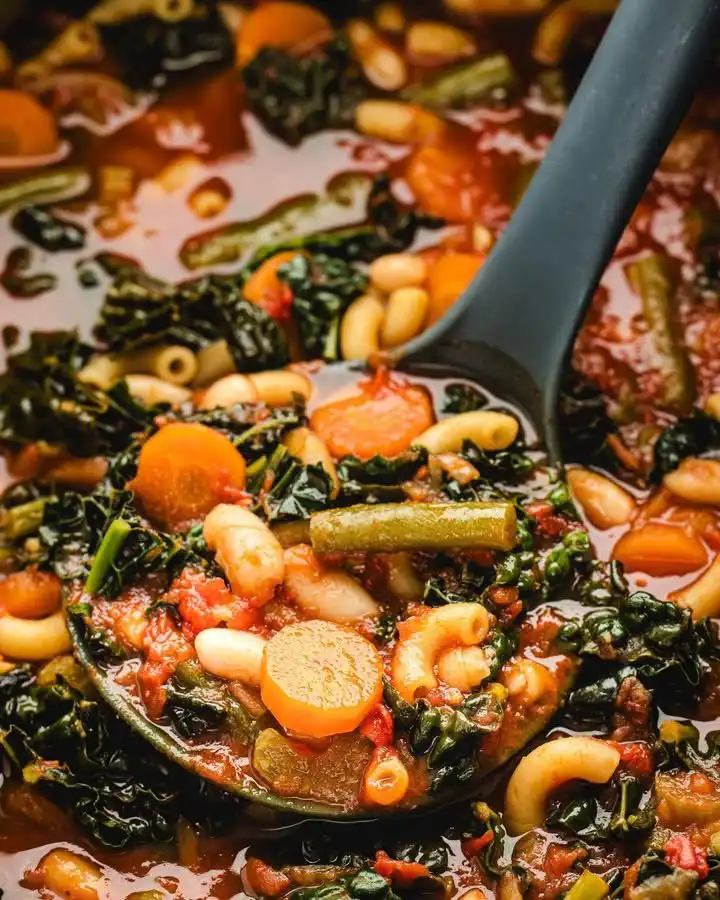
If you love wholesome, comforting soups, you’ll also love our Winter Minestrone.
Why Make Vegetable Minestrone Soup
Vegetable minestrone soup is a cornerstone of the home cook’s repertoire for a multitude of reasons, but perhaps the most compelling is its incredible versatility. In a world where our schedules often feel dictated by external pressures, this soup offers a sense of gentle control. It is a “lifesaver” in the truest sense of the word. On those frantic weeknights when the fridge looks like a collection of random remnants—half a zucchini, a few stray carrots, a handful of kale—minestrone steps in to turn those orphans into a gourmet feast. It is the ultimate “clean-out-the-crisper” meal, allowing you to reduce food waste while creating something deeply nutritious and satisfying. There is a profound sense of accomplishment in taking humble, disparate ingredients and weaving them into a cohesive, hearty meal that feels intentional and luxurious.
Beyond its practicality, minestrone is a powerhouse of meal prep. Because the flavors actually improve as they sit, making a large pot on a Sunday afternoon is like giving a gift to your future self. As the soup rests in the refrigerator, the herbs infuse the broth more deeply, the vegetables release their natural sugars, and the entire dish becomes more harmonious. Having a container of this soup ready to be reheated means that a healthy, home-cooked lunch or dinner is only minutes away, even on your busiest days. It freezes beautifully, too, providing a “safety net” for those evenings when you are too exhausted to even think about chopping an onion. Knowing that a bowl of warm, vegetable-rich comfort is waiting in the freezer can significantly lower the daily stress of meal planning.
Finally, there is the undeniable emotional appeal of a big, steaming pot of soup. Minestrone is the definition of a “hug in a bowl.” It is a meal that appeals to all ages, from toddlers who love picking out the fun pasta shapes to adults who crave the complex, savory broth. It is a communal dish, meant to be shared over a table filled with conversation and laughter. Whether you are serving it as a light starter or the main event alongside a crisp green salad and some warm apple cider, it brings a sense of wholesome abundance to the table. In a fast-paced world, sitting down to a bowl of slow-cooked vegetables is a radical act of self-care and a beautiful way to nourish the people you care about most.
Why You’ll Love This Vegetable Minestrone Soup
Cozy Flavor with Everyday Ingredients
One of the most remarkable things about this vegetable minestrone is how it coaxes extraordinary flavor out of the most ordinary pantry staples. You don’t need exotic spices or hard-to-find specialty items to create a soup that tastes like it has been simmering in a professional kitchen for hours. It all starts with the “holy trinity” of aromatics: onions, carrots, and celery. These three simple vegetables, when sautéed slowly in high-quality olive oil, create a foundational sweetness and depth that serves as the backbone of the entire dish. The addition of garlic brings a pungent warmth, while the dried oregano adds a nostalgic, earthy note that reminds many of us of traditional family kitchens.
The magic continues with the canned tomatoes and vegetable broth. The tomatoes provide a necessary acidity and a rich, red hue that makes the soup visually stunning, while the broth acts as a canvas, absorbing the flavors of every vegetable added to the pot. Even the beans—humble cannellini or navy beans—play a crucial role. They offer a creamy texture and a subtle nuttiness that contrasts beautifully with the tender-crisp vegetables. When these everyday ingredients come together, they undergo a transformation. The result is a broth that is savory, complex, and deeply comforting, proving that you don’t need a long list of ingredients to create a meal that is truly memorable. It is the culinary equivalent of a well-loved wool sweater—simple, reliable, and perfectly cozy.
Quick to Make, Easy to Love
While some soups require hours of slow simmering to develop their character, this vegetable minestrone is surprisingly quick to pull together, making it a favorite for modern households. The prep work is straightforward and can even be therapeutic. Once the vegetables are chopped and the sautéing has begun, the soup largely takes care of itself. There is no need for constant monitoring or complex techniques. It is a forgiving dish; if you dice your carrots a little larger than your celery, or if you decide to add an extra handful of spinach at the end, the soup will still be delicious. This low-stress approach to cooking is exactly what makes it so easy to love.
The cooking process is designed for efficiency without sacrificing quality. By adding the ingredients in stages—starting with the hardy aromatics and ending with the delicate greens—you ensure that every component is cooked to perfection. The pasta cooks directly in the broth, which not only saves you from washing an extra pot but also allows the pasta to soak up the savory liquid, making every bite flavorful. From start to finish, you can have a gourmet-quality meal on the table in about forty-five minutes. This accessibility makes it a recipe you will find yourself returning to again and again, whether you are a seasoned home cook or someone just beginning their culinary journey.
Ingredients and Substitutions
What You’ll Need for This Recipe
Every ingredient in this minestrone has a specific job to do, contributing to the layers of flavor and texture that make the soup so satisfying. Understanding why each component is included will help you become a more intuitive cook. Here is a detailed look at what you will need:
- 2 tbsp olive oil: This is your starting point. Use a good quality extra-virgin olive oil if possible. It provides a rich mouthfeel and carries the flavors of the aromatics throughout the soup. It’s the medium that allows the onions and carrots to soften and release their natural sugars.
- 1 medium onion, diced: The onion is the primary flavor builder. As it cooks, its sharp bite disappears, replaced by a mild sweetness that rounds out the broth. Whether you use a yellow, white, or red onion, it provides a necessary aromatic base.
- 2 medium carrots, diced: Carrots add a wonderful pop of color and a distinct natural sweetness. They also provide a bit of structural integrity to the soup, offering a soft but firm texture in every spoonful.
- 2 stalks celery, diced: Celery is often overlooked, but in a minestrone, it is essential. It adds a subtle, salty, and herbal quality that balances the sweetness of the carrots and onions. It provides that classic “soup” aroma that fills the house as it cooks.
- 3 cloves garlic, minced: Garlic is the soul of the dish. It adds a layer of savory warmth and complexity. By mincing it finely, you ensure that its flavor is distributed evenly throughout the broth.
- 1 small zucchini, diced: Zucchini brings a lovely freshness and a soft, almost buttery texture. It cooks quickly and absorbs the flavors of the broth beautifully, adding a summer-garden feel to the soup regardless of the season.
- 1 medium potato, diced (optional): Adding a potato is a great way to make the soup even heartier. As it simmers, the potato releases a bit of its natural starches, which helps to slightly thicken the broth and give it a more velvety consistency.
- 2 cups spinach or kale, chopped: These greens add a vibrant burst of color and a wealth of nutrients. Spinach will wilt almost instantly and has a very mild flavor, while kale offers a bit more chew and an earthy robustness.
- 1 can (14 oz) diced tomatoes: The tomatoes provide the “body” of the soup. Their acidity cuts through the richness of the oil and the earthiness of the beans, creating a balanced and bright flavor profile. The juice from the can also adds to the depth of the broth.
- 6 cups vegetable broth: This is the liquid gold that ties everything together. Using a low-sodium version allows you to control the final seasoning of the dish. It provides the savory foundation that the vegetables and pasta swim in.
- 1 can (15 oz) cannellini or navy beans: These white beans are traditional in minestrone. They provide a wonderful creaminess and a boost of plant-based protein, making the soup a complete and filling meal.
- 1 cup small pasta (ditalini or small shells): Pasta adds a playful element and a satisfying chew. Small shapes are best because they fit perfectly onto a spoon along with the vegetables and broth.
- 1 tsp dried oregano: This herb is a classic choice for Italian-inspired soups. It adds a warm, slightly bitter, and woody aroma that complements the tomatoes and garlic perfectly.
- Salt and pepper: These are the most important tools in your seasoning kit. Salt enhances all the other flavors, while black pepper adds a subtle heat and spice.
- Chopped parsley: Fresh parsley added at the very end provides a “bright” finish. It cuts through the cooked flavors with a hit of freshness and a beautiful green color.
- Grated cheese or nutritional yeast: A sprinkle of cheese (like Parmesan or Pecorino) adds a salty, savory “umami” kick. For a vegan option, nutritional yeast provides a similar cheesy, nutty flavor that is equally delicious.
Smart Swaps for Dietary Needs
One of the best things about minestrone is how easily it can be adapted to suit different dietary requirements without losing its essential character. For a dairy-free or vegan version, simply omit the cheese garnish or use the suggested nutritional yeast. The soup itself is naturally vegan if you use vegetable broth, making it a fantastic option for inclusive family gatherings. If you are looking for a gluten-free alternative, you can swap the traditional pasta for your favorite gluten-free variety, or even replace the pasta entirely with extra potatoes or a grain like quinoa (though you may need to adjust the cooking time for the grain).
For those watching their sodium intake, using homemade vegetable stock or a “no-salt-added” store-bought version is a great way to keep the soup heart-healthy. You can then use lemon juice or a splash of vinegar at the end to brighten the flavors without adding salt. If you prefer a lower-carb version, you can omit the pasta and potato and double up on the zucchini, or add other low-carb vegetables like cauliflower florets or green beans. The beauty of this recipe is that it remains delicious and comforting no matter which path you choose.
Smart Variation (Optional)
Once you have mastered the basic recipe, don’t be afraid to get creative and make it your own. If you want to add more hearty grains, try stirring in some cooked farro or pearl barley at the end; these add a wonderful nutty flavor and a chewy texture that makes the soup feel very rustic. In the autumn, you might consider adding diced butternut squash or pumpkin for a sweet, seasonal twist. If you like a bit of heat, a pinch of red pepper flakes added with the garlic can provide a subtle, warming glow to the broth.
You can also play with the herb profile. While oregano is classic, fresh basil added at the end is transformative, offering a sweet, peppery aroma that screams of summer. A sprig of fresh rosemary simmered in the broth can add a piney, sophisticated depth that pairs beautifully with the white beans. For a creamier version, you can take a cup of the finished soup (beans and all), blend it until smooth, and stir it back into the pot. This creates a thicker, more luxurious texture without the need for any dairy. The possibilities are truly endless, and each variation tells a slightly different story of the season.
How to Make Vegetable Minestrone Soup
Step-by-Step Cooking Instructions
Step 1: Begin by placing a large, heavy-bottomed pot or a Dutch oven over medium heat. Drizzle in the two tablespoons of olive oil and let it warm up until it shimmers slightly. Add your diced onion, carrots, and celery to the pot. You will immediately hear a gentle sizzle, which is the sound of the vegetables beginning their transformation. Cook these aromatics for about 6 to 8 minutes, stirring occasionally with a wooden spoon. You are looking for the onions to become translucent and soft, and for the carrots and celery to lose their raw edge. This step is crucial because it builds the flavor base for the entire soup; don’t rush it. The smell of the sautéing vegetables will begin to fill your kitchen, creating that classic “home-cooked” atmosphere.
Step 2: Once the base vegetables are softened, it is time to add the garlic and the diced zucchini. Stir these in and cook for just 1 to 2 minutes. You want to be careful not to brown the garlic, as it can become bitter; you are just looking for it to become incredibly fragrant. The zucchini will begin to take on a slightly brighter green color as it hits the heat. This short window of time allows the garlic to infuse the oil and the zucchini to start softening, ensuring that every bite of the finished soup is packed with flavor.
Step 3: Now, it is time to build the body of the soup. Pour in the can of diced tomatoes (including all the juices), the six cups of vegetable broth, and the diced potato if you are using it. Add the dried oregano and a bay leaf if you have one on hand. Increase the heat to medium-high and bring the mixture to a gentle boil. Once it reaches a boil, immediately turn the heat down to low, cover the pot partially with a lid, and let it simmer. Allow the soup to bubble softly for 15 to 20 minutes. During this time, the potato will become tender, and the tomatoes will break down slightly, enriching the broth. The kitchen will now smell like a rustic Italian trattoria.
Step 4: After the vegetables have had time to become tender, it is time to add the heartier elements. Stir in the drained and rinsed cannellini beans and the cup of small pasta. Continue to simmer the soup, uncovered, for about 8 to 10 minutes, or until the pasta is “al dente”—tender but still having a slight bite. Keep an eye on the pot during this stage; pasta likes to soak up liquid, so if the soup looks too thick, you can add an extra splash of broth or water. Just before the pasta is finished, add the two cups of chopped spinach or kale. Stir the greens into the hot broth until they are wilted and vibrant green. This should only take a minute or two.
Step 5: The final step is all about the finishing touches. Remove the bay leaf from the pot and discard it. Turn off the heat and take a moment to taste your creation. This is where you become the artist; add salt and black pepper gradually until the flavors truly sing. Stir in a generous handful of freshly chopped parsley for a burst of color and freshness. When you are ready to serve, ladle the hot soup into deep bowls and finish each one with a sprinkle of grated cheese or nutritional yeast. The heat from the soup will slightly melt the cheese, creating a delicious, savory topping that invites you to dive in.
Tips for Texture, Timing & Tools
To achieve the best possible results, the tools you use can make a difference. A heavy-bottomed pot, like a cast-iron Dutch oven, is ideal because it distributes heat evenly and prevents the vegetables from scorching at the bottom. This even heating is especially important during the initial sautéing phase and the long simmer. If you find that your soup is becoming too thick as it sits (which often happens because the pasta continues to absorb liquid), don’t worry. Simply stir in a little more broth or even a splash of warm water when reheating to restore it to your preferred consistency.
Timing is also key when it comes to texture. If you prefer your vegetables to have a bit more “snap,” you can slightly decrease the simmering time in Step 3. Conversely, if you love a very soft, “melt-in-your-mouth” soup, let it simmer a bit longer before adding the pasta. Speaking of pasta, try to avoid overcooking it. Since the pasta will continue to soften slightly in the hot broth even after you turn off the stove, aim for a firm al dente texture. If you are planning on having leftovers, you might even consider cooking the pasta separately and adding it to each bowl individually to prevent it from becoming too soft in the fridge overnight.
Storage & Reheating
How to Store It Right
Vegetable minestrone is famous for being even better the next day, making it a champion of leftovers. To store it correctly, allow the soup to cool down to room temperature first. Placing a piping hot pot directly into the refrigerator can raise the internal temperature of the fridge, which isn’t ideal for food safety. Once cooled, transfer the soup into airtight containers. Glass jars or high-quality plastic containers work perfectly. In the refrigerator, the soup will stay fresh and delicious for up to 4 or 5 days. You will notice that the broth may thicken as it chills; this is completely normal and a sign of a hearty, well-made soup.
If you want to store the soup for a longer period, the freezer is your best friend. Minestrone freezes exceptionally well for up to 3 months. For easy future meals, consider freezing the soup in individual portions. Using freezer-safe bags laid flat can save a lot of space. When you are ready to eat, it is best to let the soup thaw in the refrigerator overnight. One small tip for freezer success: if you know you are making a batch specifically for the freezer, you might want to leave the pasta out and add fresh pasta when you reheat the soup later. This ensures the pasta texture remains perfect every time.
Reheating Without Losing Flavor
When it comes time to enjoy your soup again, the method you choose for reheating can help maintain that “just-made” taste. The stovetop is generally the best option. Place the desired amount of soup in a small pot over medium-low heat. Add a splash of vegetable broth or water to loosen it up, as the pasta and beans will have absorbed some of the liquid while sitting. Stir gently and heat until it is steaming but not vigorously boiling. This gentle approach prevents the vegetables from becoming mushy and keeps the flavors bright.
If you are in a hurry, the microwave is a perfectly acceptable alternative. Place the soup in a microwave-safe bowl and cover it with a damp paper towel or a lid to prevent splattering. Heat in 1-minute increments, stirring in between, to ensure even warming. To give the reheated soup a “fresh” boost, try adding a tiny squeeze of lemon juice or a fresh sprinkle of parsley just before serving. It’s amazing how a little bit of acidity or fresh herbs can wake up the flavors of a dish that has been stored. You’ll find that the reheated soup often has a deeper, more integrated taste than it did on the first day.
A Dish Worth Making Again and Again
The beauty of having a container of minestrone in the fridge or freezer cannot be overstated. It turns a “nothing in the house to eat” situation into a “gourmet lunch” situation in a matter of minutes. It provides a sense of security and comfort, knowing that no matter how hectic the week becomes, you have a nutritious, home-cooked meal ready to go. This soup is a testament to the idea that good food doesn’t have to be complicated or expensive. It is a reliable friend in the kitchen, a dish that grows with you and adapts to your needs, making every weeknight a little more joyful and every meal a little more special.
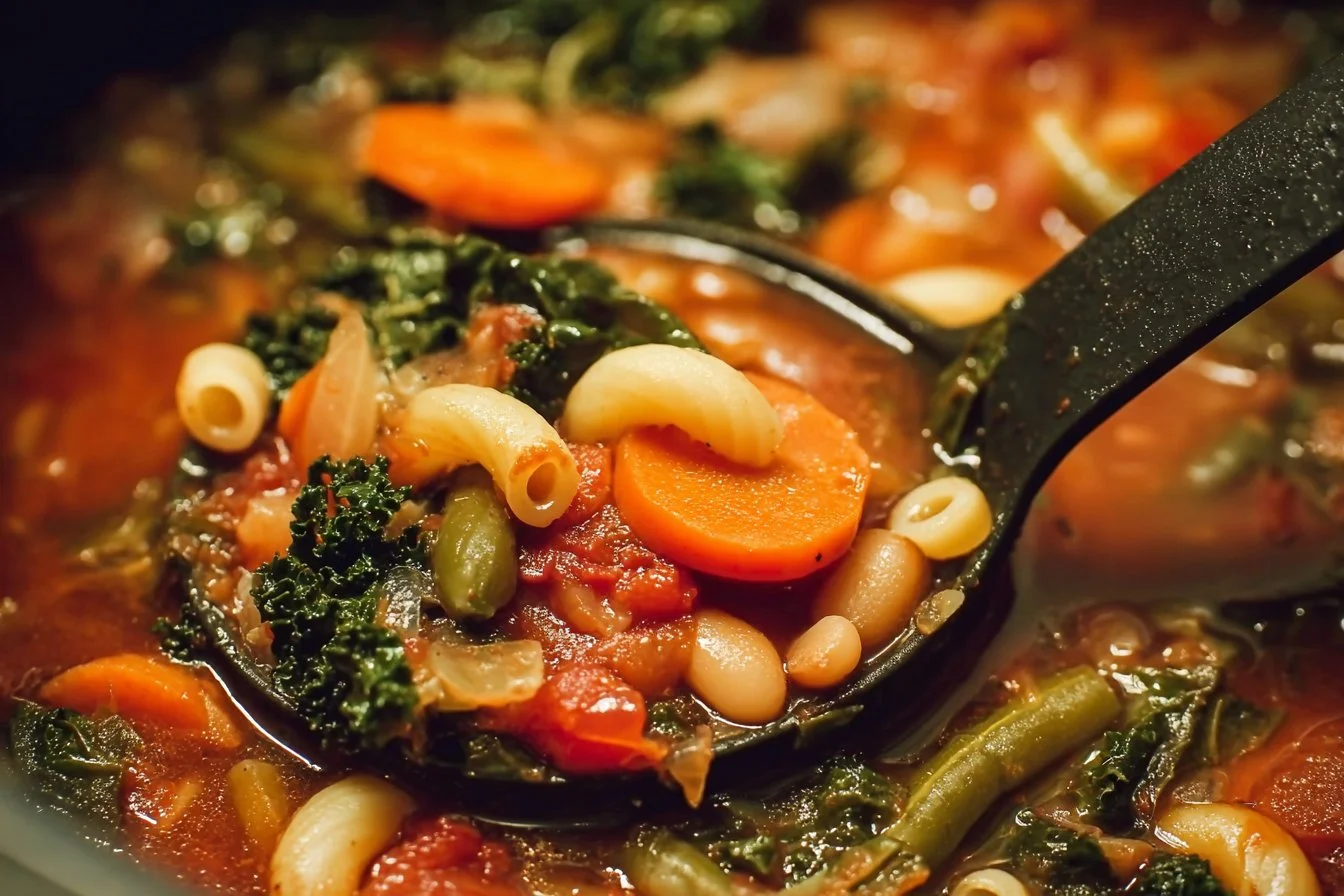
Vegetable Minestrone Soup
Ingredients
Method
- Heat olive oil in a large pot over medium heat. Add onion, carrot, and celery. Cook until softened, about 6–8 minutes.
- Stir in garlic and zucchini. Cook 1–2 minutes until fragrant.
- Add diced tomatoes, broth, potato (if using), bay leaf, and oregano. Bring to a boil, then reduce to a simmer. Cook 15–20 minutes until vegetables are tender.
- Add beans and pasta. Simmer until pasta is al dente (time depends on pasta shape). Stir in spinach or kale until wilted.
- Remove bay leaf. Season with salt and pepper. Finish with chopped parsley and grated cheese or nutritional yeast.
Notes
🍲 More Cozy Homemade Soups to Try:
- Garden Vegetable Soup – Farm-fresh vegetable soup simmered in savory broth with vibrant garden produce.
- Easy Vegetable Soup – Quick and comforting weeknight soup packed with healthy garden vegetables.
(FAQs)
Can I freeze this soup for later?
Yes, you absolutely can! Vegetable minestrone is one of the most freezer-friendly meals you can make. It stays delicious for up to three months when stored in an airtight, freezer-safe container. As mentioned earlier, if you are planning to freeze the entire batch, you might want to cook the pasta separately and only add it to the portions you are eating immediately. This prevents the pasta from getting too soft during the freezing and thawing process. When you’re ready for a quick meal, just thaw the soup in the fridge overnight and reheat it on the stove, adding fresh pasta if needed. It’s the perfect way to have a “homemade” dinner on a night when you’re too busy to cook.
How can I adjust the thickness or creaminess?
Adjusting the consistency of your minestrone is very simple. If you prefer a thinner, more broth-like soup, simply add an extra cup or two of vegetable broth during the simmering stage. If you find the soup is too thin and you want a heartier, creamier texture, there are two great tricks. First, you can use a potato; as it cooks, it releases starch that naturally thickens the liquid. Second, you can take a ladleful of the beans and some of the broth, blend them together in a small blender or with a fork, and then stir that mixture back into the pot. This creates a silky, thick base without the need for heavy cream or flour, keeping the soup light and healthy.
Can I make this soup in a slow cooker or pressure cooker?
Definitely! To make this in a slow cooker, sauté the aromatics (onion, carrot, celery, garlic) in a pan first to develop their flavor, then add them to the slow cooker with all other ingredients except the pasta and greens. Cook on low for 6-8 hours or high for 3-4 hours. Add the pasta and greens in the last 20-30 minutes of cooking. For a pressure cooker, sauté the aromatics directly in the pot using the sauté function. Add all ingredients except pasta and greens, and cook on high pressure for about 5 minutes. Use a quick release, then turn the sauté function back on, add the pasta, and cook until tender before stirring in the greens. Both methods yield a delicious, deeply flavored soup with minimal hands-on time.
What are the best side dishes to serve alongside?
While this minestrone is a complete meal on its own, the right side dishes can elevate the experience. A loaf of warm, crusty bread or artisan sourdough is almost mandatory for soaking up every last drop of the savory broth. If you want something lighter, a crisp green salad with a simple lemon and olive oil dressing provides a refreshing contrast to the warm, cooked vegetables. For a more substantial side, consider roasted root vegetables or a plate of sliced apples and sharp cheese. To drink, a glass of warm apple cider or a sparkling water with a wedge of lemon complements the earthy flavors of the soup beautifully. These simple pairings turn a bowl of soup into a well-rounded, comforting feast.
Final Thoughts
In the end, a bowl of vegetable minestrone is more than just a collection of ingredients; it is a reflection of the care and intention you put into your home. It is a dish that honors the seasons, celebrates the simplicity of whole foods, and provides a sense of warmth that lingers long after the last spoonful is gone. Whether you are making it to clear out your pantry, to prep for a busy week, or simply to find a moment of peace in the kitchen, this soup is a reliable companion. It reminds us that the most nourishing meals are often the ones made with the most basic components, handled with a bit of time and a lot of love.
So, the next time the afternoon turns chilly or you find yourself craving something that feels like home, reach for your favorite pot and start dicing. Don’t worry about perfection; let the soup be what it needs to be. Add an extra handful of beans, try a new type of kale, or use that last bit of pasta in the box. As you stir the pot and watch the steam rise, take a deep breath and enjoy the process. Cooking is a journey, and this vegetable minestrone is a beautiful, delicious place to start. Share a bowl with a friend, save a portion for a rainy day, and most importantly, savor the simple joy of a meal made by hand. Happy cooking!
Vegetable Minestrone Soup
Ingredients
Method
- Heat olive oil in a large pot over medium heat. Add onion, carrot, and celery. Cook until softened, about 6–8 minutes.
- Stir in garlic and zucchini. Cook 1–2 minutes until fragrant.
- Add diced tomatoes, broth, potato (if using), bay leaf, and oregano. Bring to a boil, then reduce to a simmer. Cook 15–20 minutes until vegetables are tender.
- Add beans and pasta. Simmer until pasta is al dente (time depends on pasta shape). Stir in spinach or kale until wilted.
- Remove bay leaf. Season with salt and pepper. Finish with chopped parsley and grated cheese or nutritional yeast.



5 thoughts on “Vegetable Minestrone Soup”