
There are days when your body asks for a warm, clean, and comforting meal. A large pot of healing cabbage soup is one of the best ways to answer that call. When the weather turns chilly, or when you simply feel tired from a long week, this bowl of goodness brings quick comfort. It fills your home with the gentle, sweet aroma of simmered onions, carrots, and sweet green cabbage. You do not need any fancy tools or rare spices to make this happen. With just a cutting board, a sharp knife, and a large soup pot, you can create a pot of food that warms you from the inside out.
Cabbage is often an overlooked vegetable in the grocery store, but it is truly a kitchen hero. It stays fresh in your refrigerator for weeks, costs very little money, and softens into a tender, sweet treat when simmered in a savory broth. In this recipe, the cabbage joins simple garden vegetables like carrots, celery, and onions. A can of diced tomatoes adds just enough rich color and bright flavor to tie everything together. The broth turns golden and deeply satisfying as it bubbles on your stove. Whether you eat this soup for a light weekday lunch or serve it in big bowls for a family dinner, it brings peace and comfort to your table every single time.
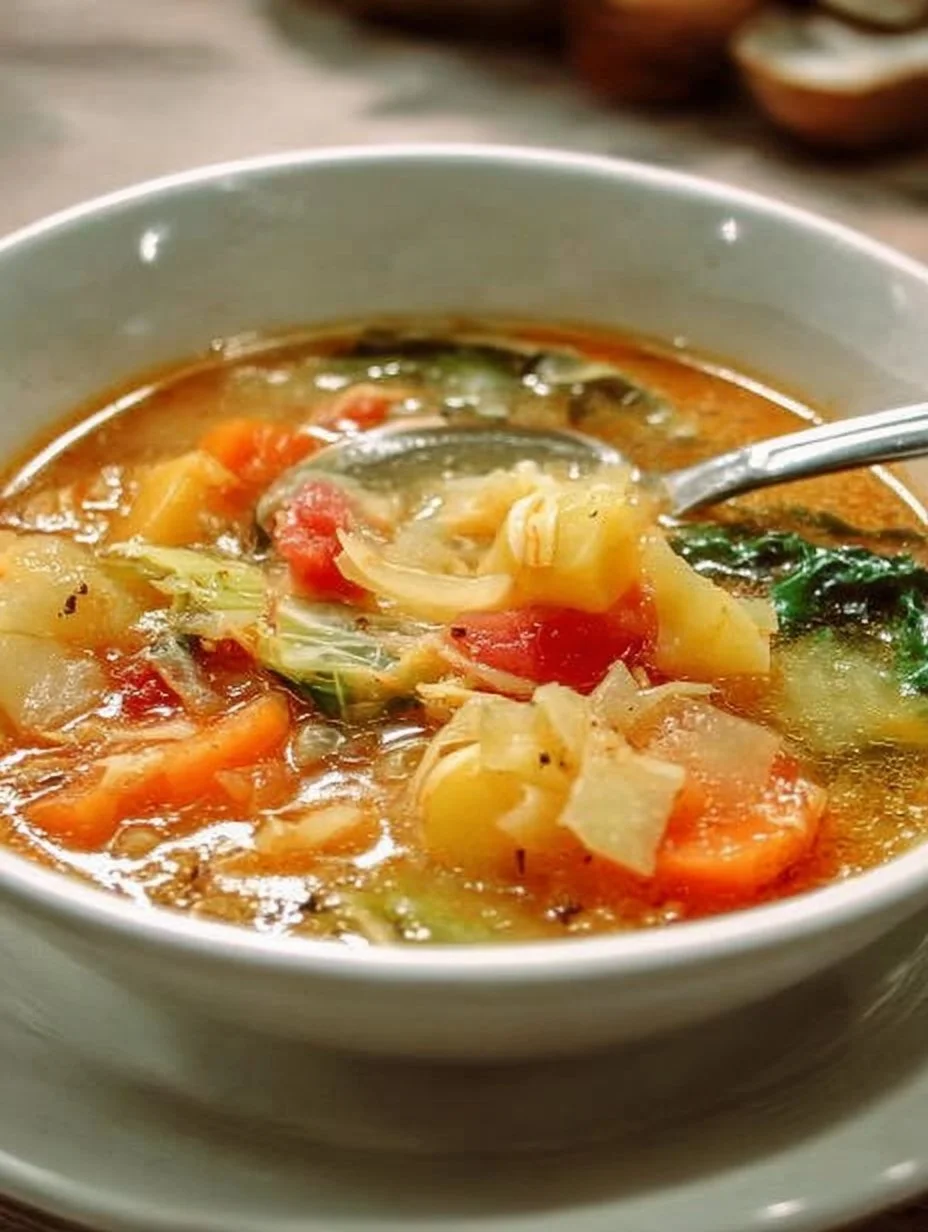
If you love wholesome, comforting soups, you’ll also love our Turmeric Ginger Detox Soup.
Why Make Healing Cabbage Soup
Making a batch of healing cabbage soup is one of the most rewarding kitchen habits you can build. First, it is kind to your body. After days of heavy meals, salty snacks, or busy takeout dinners, your stomach welcomes a simple, fiber-rich soup. Cabbage is packed with natural goodness, including vitamins C and K, as well as minerals that help support healthy digestion. When you gently simmer cabbage with garlic, onions, and carrots, you create a meal that feels light yet keeps you full for hours.
Second, this soup is wonderfully affordable. You can easily feed a large family or meal-prep your lunches for an entire week for just a few dollars. A single head of green cabbage yields a huge mountain of leafy shreds, expanding into several hearty servings. Third, the seasonal appeal of this dish is timeless. During the cold months of fall and winter, standing over a bubbling pot of soup warms your hands and your kitchen. During the spring, it acts as a wonderful reset meal full of clean garden flavors. It is easy to adapt, impossible to ruin, and provides pure comfort in every warm spoonful.
Why You’ll Love This Healing Cabbage Soup
You will fall in love with this recipe because it delivers maximum comfort with minimal effort. Many soup recipes ask you to stand over the stove for hours, browning meat or blending hot liquids. This recipe keeps things completely stress-free. Everything cooks in one single pot, which means you spend less time washing dishes and more time relaxing. The flavors balance naturally as they simmer together on the stove, creating a deeply satisfying broth without any artificial additives or heavy fats.
Another reason to love this dish is how versatile it is. You can serve it as a light starter before dinner, make it the main course alongside a loaf of warm bread, or pack it in a thermos for a wholesome lunch at work. It suits almost every style of eating, whether you prefer plant-based foods, follow a low-calorie routine, or simply want to eat more real vegetables. Every bowl is vibrant, colorful, and naturally delicious.
Cozy Flavor with Everyday Ingredients
The magic of this soup comes from common, everyday ingredients that transform into something truly special. You do not need expensive spice blends or hard-to-find herbs. Everything starts with what cooks call the holy trinity of home cooking: onions, carrots, and celery. As these three vegetables cook gently in a little oil, they release their natural sugars and create a sweet, savory foundation that forms the backbone of your soup.
Minced garlic adds a warm, earthy punch that wakes up the entire pot. The canned diced tomatoes bring a mild, pleasant tanginess and rich red color, while the broth carries all these flavors into every leafy fold of cabbage. A simple dried bay leaf infuses the liquid with a quiet herbal note that makes the soup taste like it simmered all afternoon. When finished with a sprinkle of sweet or smoked paprika and fresh green herbs, the soup tastes rich, cozy, and deeply rooted in home-style tradition.
Quick to Make, Easy to Love
Modern life is busy, but this recipe fits into even the most hectic weeknight schedule. From the moment you pull your cutting board out of the cupboard to the moment you ladle the hot soup into bowls, you only need about thirty-five to forty minutes. Most of that time is completely hands-off while the pot bubbles gently on the stove.
Because the steps are straightforward and logical, you can easily clean up your kitchen workspace while the soup cooks. There is no complicated technique to master. You simply chop, stir, pour, and simmer. It is the kind of dependable recipe you can memorize quickly and make from memory whenever you need a quick, warm, and loving meal for yourself or your family.
Ingredients and Substitutions
To make the best healing cabbage soup, you want fresh, vibrant produce and good quality pantry basics. Each ingredient plays a specific role in building flavor, texture, and nutritional value. Understanding what each item brings to the pot helps you cook with total confidence.
What You’ll Need for This Recipe
Here is a close look at the simple ingredients required to make this nourishing pot of soup:
Green Cabbage: You will need one medium head of fresh green cabbage. Look for a head that feels heavy for its size with tightly packed, crisp leaves. Thinly slice the cabbage so it cooks evenly and softens into gentle ribbons that fit easily onto a soup spoon.
Olive Oil or Neutral Oil: Two tablespoons of oil help soften your base vegetables and release their flavors. Olive oil offers a pleasant, fruity richness, but avocado oil or standard vegetable oil works just as well.
Yellow Onion: One large diced onion creates the sweet, aromatic base. As it cooks in the oil, it turns sweet and translucent, providing depth to the broth.
Carrots: Two large carrots, washed and sliced into rounds or diced into small pieces. Carrots bring bright orange color and natural sweetness that balances the earthy cabbage.
Celery: Two sliced celery stalks add a subtle savory crunch and classic soup aroma. While celery is optional, it gives the broth a wonderful, traditional flavor profile.
Garlic: Three fresh cloves, finely minced. Fresh garlic provides a punchy aroma and natural immune-supporting properties that make this soup feel truly healing.
Canned Diced Tomatoes: One 14-ounce can of diced tomatoes, including all their juices. The tomato juices blend into the broth to provide body, color, and a pleasant touch of acidity.
Broth: Six cups of liquid. You can use vegetable broth to keep the soup completely plant-based, or low-sodium chicken broth for a deeper, savory taste. Using low-sodium broth allows you to control the salt level perfectly.
Bay Leaves: One or two dried bay leaves add a subtle layer of herbal flavor that deepens the broth as it simmers.
Paprika: One teaspoon of sweet or smoked paprika. Sweet paprika adds a warm, mild pepper taste and rich color, while smoked paprika gives the soup a subtle, wood-fired campfire warmth.
Salt and Black Pepper: Added to taste. Proper seasoning brings out the natural sugars in the vegetables and makes the broth taste alive.
Fresh Parsley or Dill: Chopped fresh herbs stirred in at the very end give the soup a burst of fresh green color and a bright, clean finish.
Smart Swaps for Dietary Needs
This soup is naturally flexible and welcomes simple adjustments based on what you have in your kitchen or your personal dietary preferences. If you do not have green cabbage on hand, savoy cabbage makes a wonderful substitute. Savoy cabbage has crinkled leaves that are slightly more tender and cook even faster. You can also use red cabbage, though it will turn the entire broth a deep purple color, which tastes great even if it looks unique.
If you need to watch your sodium intake, choose a no-salt-added canned tomato and a homemade or low-sodium vegetable stock. You can replace the salt with a squeeze of fresh lemon juice or a dash of garlic powder to boost the flavor without adding sodium. For those who want more bulk, you can add diced potatoes, sweet potatoes, or parsnips alongside the carrots. If you do not have fresh garlic, you can substitute half a teaspoon of garlic powder stirred in with the tomatoes.
Smart Variation (Optional)
If you want to turn this light soup into a heavier, one-pot meal, you have plenty of great options. A wonderful variation is adding protein. You can stir in one can of rinsed and drained cannellini beans, chickpeas, or kidney beans during the last ten minutes of cooking. The beans soak up the tomato-paprika broth and add satisfying creaminess and plant protein.
Another delicious idea is adding dark leafy greens. Toss in two cups of baby spinach or chopped kale right when you turn off the heat. The hot liquid will wilt the greens in seconds, adding an extra boost of iron and rich color. If you enjoy a spicy kick, add half a teaspoon of crushed red pepper flakes along with the garlic to bring a comforting heat to your chest on a freezing winter day.
How to Make Healing Cabbage Soup
Cooking this soup is an easy and relaxing process. By following these clear steps, you will build rich layers of flavor that make the simple vegetables taste extraordinary. Take your time during the first few minutes to soften the vegetables properly, as this creates the sweet foundation for the entire dish.
Step-by-Step Cooking Instructions
Step 1: Place a large soup pot or heavy Dutch oven on your stove and pour in the two tablespoons of olive oil. Turn the heat to medium and let the oil warm up for one minute until it looks glossy. Add your diced onion along with a small pinch of salt to help draw out the natural juices.
Step 2: Cook the onion over medium heat for 4 to 6 minutes, stirring frequently with a wooden spoon. Watch the onion soften and turn clear and translucent without letting it turn brown or crispy at the edges.
Step 3: Stir your sliced carrots and sliced celery into the pot with the softened onions. Cook these vegetables together for 3 to 4 minutes, stirring regularly so they begin to soften and coat evenly in the warm oil.
Step 4: Add the three cloves of minced garlic to the pot. Stir constantly for about 30 seconds until you smell the rich garlic aroma fill your kitchen, making sure the garlic does not burn or turn bitter.
Step 5: Pour in the entire can of diced tomatoes along with all of their liquid. Add the six cups of vegetable or chicken broth, the bay leaves, and the paprika, then stir well and let the liquid come up to a steady simmer.
Step 6: Add all of your thinly sliced green cabbage into the simmering pot. Gently press the cabbage down into the liquid with your spoon, turn the heat down to low, cover the pot with a lid, and let it simmer gently for 15 to 20 minutes until the cabbage is tender and soft.
Step 7: Remove the lid and take the pot off the heat. Fish out and discard the bay leaves, taste the broth, and stir in salt and black pepper to your liking, along with an optional splash of mild vinegar for brightness. Sprinkle with freshly chopped parsley or dill and ladle into warm bowls to serve.
Tips for Texture, Timing & Tools
To get the best possible results, pay close attention to how you slice your cabbage. Thin shreds cook evenly and fold gently into your spoon, making the soup much more pleasant to eat than large, thick chunks. If you prefer your cabbage to have a slight bite, check it at the fifteen-minute mark. If you prefer melt-in-your-mouth cabbage, leave it covered on low heat for twenty-five minutes.
Use a heavy-bottomed pot if you have one. Heavy pots spread heat evenly across the bottom, preventing the garlic and onions from scorching. Keep your heat at a gentle simmer rather than a rapid, rolling boil. A gentle simmer allows the vegetables to release their sweet flavors slowly into the broth without breaking apart into mush. Finally, always add your fresh green herbs at the very end of cooking. Fresh parsley and dill lose their bright flavor and pretty green color if boiled for too long.
Storage & Reheating
One of the greatest benefits of making cabbage soup is that it keeps wonderfully well. In fact, many home cooks believe this soup tastes even better the next day. As the soup rests in the cold, the cabbage continues to absorb the tomato, garlic, and herb flavors, resulting in an even richer broth when you reheat it.
How to Store It Right
Before storing your soup, allow it to cool down to room temperature. Do not leave it sitting out on the counter for more than two hours for food safety reasons. Once cool, transfer the soup into clean, airtight containers. Glass jars or food-safe plastic containers with tight lids work best to lock in freshness and prevent the soup from absorbing other smells from your refrigerator.
Stored properly in the refrigerator, this soup stays fresh and delicious for 4 to 5 days. If you want to keep it longer, this soup freezes very well. Divide the cooled soup into freezer-safe containers or flat freezer zip-top bags. Make sure to leave about one inch of empty space at the top of rigid containers, as the liquid will expand slightly as it freezes. Label the containers with the date; your soup will stay great in the freezer for up to 3 months.
Reheating Without Losing Flavor
When you are ready to enjoy your leftover soup, the stovetop is the best tool for the job. Pour the soup into a small saucepan and heat it over medium-low heat. Stir occasionally until the broth is steaming hot throughout. Heating it gently preserves the delicate texture of the vegetables and keeps the broth clean and clear.
If you are in a hurry, you can easily reheat individual bowls in the microwave. Place a microwave-safe cover or a paper towel over the bowl to prevent splatters. Heat on high power for about two minutes, stir the soup to distribute the heat evenly, and heat for another thirty to sixty seconds until piping hot. If the soup appears thicker than when you first made it, simply stir in a splash of water or fresh broth to loosen it up. A fresh sprinkle of chopped parsley or dill right before eating will make leftovers taste just as vibrant as the day you made them.
A Dish Worth Making Again and Again
Making a large pot of healing cabbage soup every week or two is a wonderful habit for your health and your wallet. It simplifies your weekly routine, gives you an instant wholesome meal when you come home exhausted, and helps you eat more fresh vegetables effortlessly. It is true, reliable home cooking at its very best.

Healing Cabbage Soup
Ingredients
Method
- Warm the oil in a large pot over medium heat. Add onion and a pinch of salt. Cook until translucent, 4–6 minutes.
- Stir in carrots and celery. Cook 3–4 minutes until they soften.
- Add garlic and cook 30 seconds until fragrant.
- Pour in diced tomatoes and broth. Add bay leaves and paprika. Bring to a simmer.
- Add sliced cabbage. Reduce heat and simmer gently for 15–20 minutes, until cabbage is tender.
- Taste and season with salt, pepper, and a splash of vinegar if you want brightness. Remove bay leaves. Garnish with fresh herbs and serve.
(FAQs)
Can I make this soup ahead of time?
Yes, this soup is an exceptional recipe to make ahead of time. When you make it a day in advance, the vegetables have time to rest in the broth, which deepens the overall flavor. The sweet cabbage and acidic tomatoes meld together, creating a smoother and more rounded taste. Simply follow the full recipe, allow the soup to cool completely, and place it in an airtight container in your refrigerator overnight. When you are ready to serve, simply warm it gently on your stove over medium heat. You may want to add an extra splash of broth if the cabbage has absorbed some liquid overnight.
What can I substitute for the main ingredients?
This recipe is very forgiving, so you can easily substitute ingredients based on what you have in your pantry. If you do not have green cabbage, you can use savoy cabbage, napa cabbage, or even chopped bok choy. If you run out of carrots or celery, you can use diced parsnips, leeks, or zucchini. For the broth, vegetable broth keeps it vegetarian, chicken broth gives rich comfort, and even plain water with extra salt, garlic, and herbs can work in a pinch. If you do not have canned diced tomatoes, you can use three fresh chopped ripe tomatoes or two tablespoons of tomato paste whisked into your broth.
Can I freeze Healing Cabbage Soup?
Yes, you can freeze this soup with great success. Because it contains no dairy, heavy cream, or pasta, the broth freezes and thaws without separating or becoming grainy. To freeze it successfully, let the soup cool completely first. Pour it into freezer bags or freezer-safe glass or plastic containers, leaving an inch of space at the top. Seal tightly and store in the freezer for up to three months. When you are ready to eat it, place the container in your refrigerator overnight to thaw slowly, then warm it up in a pot on your stove over medium-low heat.
How do I adjust the flavor and texture to my liking?
Adjusting the flavor and texture is very easy. If the soup tastes a bit flat, it usually just needs a small pinch of extra salt or a splash of acid. Stirring in one teaspoon of apple cider vinegar, white vinegar, or fresh lemon juice right at the end brightens the entire pot instantly. If you prefer a thicker, heartier texture, you can use an immersion blender to quickly blend just a small portion of the soup, leaving most of the cabbage shreds whole. You can also simmer the soup uncovered for an extra ten minutes to reduce the liquid and concentrate the rich flavors.
Final Thoughts
Healing cabbage soup proves that you do not need complicated recipes or expensive ingredients to cook truly nourishing food. With a humble head of green cabbage, a few basic vegetables, and a simple pot of savory broth, you can create a meal that restores your energy and warms your soul. It is light, wholesome, deeply flavorful, and friendly to both your budget and your schedule.
Cooking at home is about caring for yourself and the people you love, and this soup is a true expression of that care. Whether you prepare it as a simple reset meal, a cozy winter lunch, or a quick weeknight dinner, it is sure to become a beloved staple in your home kitchen. Pick up a head of cabbage on your next grocery trip, bring out your favorite soup pot, and enjoy the clean, comforting warmth of this timeless homemade dish.




1 thought on “Healing Cabbage Soup”